
Are you tired of looking in the mirror and seeing persistent dark spots diminishing your skin’s radiance? Whether they’re stubborn sun spots, post-acne marks, or patches of melasma, hyperpigmentation can be a source of frustration for many. While numerous treatments promise results, one stands out for its effectiveness in renewing skin from within microneedling dark spots. This revolutionary procedure has gained immense popularity for its ability to tackle a variety of skin concerns, and dark spots are high on that list.
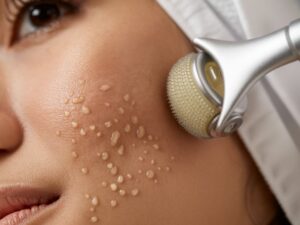
In this comprehensive guide, we’ll delve deep into the world of microneedling, specifically focusing on its power to diminish dark spots and reveal a more even-toned complexion. We’ll explore how this innovative treatment works, who can benefit most, the science behind its efficacy, and crucial advice for achieving the best possible results. Get ready to uncover the secrets to brighter, clearer skin as we navigate everything you need to know about using microneedling to treat dark spots effectively.
Understanding Dark Spots: The Root of the Problem
Before we dive into solutions, it’s essential to understand what dark spots are and why they appear. Scientifically known as hyperpigmentation, these spots are areas of skin that become darker than the surrounding skin due to an overproduction of melanin, the pigment that gives skin its color. Several factors can trigger this melanin overproduction:
- Sun Exposure: The most common culprit. UV radiation stimulates melanocytes (melanin-producing cells) to produce more pigment, leading to sun spots, age spots, or liver spots.
- Post-Inflammatory Hyperpigmentation (PIH): This occurs after skin inflammation or injury, such as acne breakouts, eczema, cuts, or burns. As the skin heals, it can leave behind a dark mark.
- Melasma: Often referred to as the “mask of pregnancy,” melasma is characterized by brown or grayish-brown patches, usually on the face. It’s triggered by hormonal changes (pregnancy, birth control pills) combined with sun exposure.
- Drug-Induced Hyperpigmentation: Certain medications can cause skin darkening as a side effect.
Regardless of their origin, dark spots can be challenging to treat, making effective solutions like microneedling highly sought after.
What is Microneedling and How Does It Work?
Microneedling, also known as collagen induction therapy (CIT), is a minimally invasive cosmetic procedure that involves using a device with fine needles to create controlled micro-injuries on the skin’s surface. These tiny punctures are invisible to the naked eye but trigger the body’s natural wound healing process. This process stimulates the production of collagen and elastin, two vital proteins responsible for skin’s firmness, elasticity, and overall youthful appearance.
The Science Behind the Micro-Injuries
When the skin experiences these controlled micro-injuries, it responds in several ways that are beneficial for reducing dark spots:
- Collagen Remodeling: New, healthy collagen replaces damaged skin tissue, which can include areas of hyperpigmentation.
- Enhanced Product Absorption: The micro-channels created by the needles allow topical serums, especially those targeting pigmentation (like Vitamin C or Hyaluronic Acid), to penetrate deeper into the skin, significantly boosting their effectiveness.
- Gentle Exfoliation and Cell Turnover: The process encourages the shedding of superficial pigmented cells, revealing fresher, less pigmented skin underneath.
- Improved Blood Circulation: Better blood flow brings more nutrients and oxygen to the skin, aiding in repair and rejuvenation.
By harnessing the body’s innate healing mechanisms, microneedling offers a powerful way to revitalize the skin and directly target areas of uneven tone and dark spots.
Microneedling Dark Spots: The Specific Benefits for Hyperpigmentation
When it comes to addressing hyperpigmentation, microneedling offers several distinct advantages:
- Targets Various Types of Dark Spots: It is particularly effective for post-inflammatory hyperpigmentation (PIH) and sun spots, which respond well to increased cell turnover and collagen production.
- Improved Skin Texture and Tone: Beyond just fading dark spots, microneedling significantly improves overall skin texture, reduces the appearance of pores, and promotes a more uniform complexion. This comprehensive improvement makes the skin look healthier and more radiant.
- Safe for Most Skin Types: Unlike some laser treatments that carry a higher risk of PIH in darker skin tones, microneedling, when performed correctly by a professional, is generally considered safer for a wider range of skin types, though caution and proper technique are still paramount.
- Minimal Downtime: Compared to more aggressive treatments like deep chemical peels or ablative lasers, microneedling typically involves relatively short downtime, usually just a few days of redness and mild swelling.
- Natural Process: It stimulates the body’s natural healing and regenerative processes, leading to long-lasting results as new, healthy skin cells are produced.
It’s important to note that while microneedling can be beneficial for melasma, it requires a very cautious approach. Aggressive microneedling can sometimes trigger more hyperpigmentation in melasma-prone individuals. A dermatologist or experienced practitioner will be able to assess if it’s a suitable treatment for your specific type of melasma.
Professional vs. At-Home Microneedling for Dark Spots
The rise in popularity of microneedling has led to a proliferation of at-home devices. However, when targeting specific concerns like dark spots, understanding the difference between professional and at-home treatments is crucial.
Professional Microneedling
- Devices: Professionals use medical-grade microneedling pens or devices that can precisely control needle depth and speed. They may also use radiofrequency (RF) microneedling, which adds heat to enhance collagen production.
- Needle Depth: Can range from 0.5mm to 3.0mm, allowing for deeper penetration to address more severe hyperpigmentation or scarring.
- Sterility and Safety: Performed in a sterile environment with proper sanitation protocols, significantly reducing the risk of infection.
- Expertise: A trained professional can assess your skin type, the nature of your dark spots, and customize the treatment parameters to maximize efficacy and minimize risks, especially the risk of post-inflammatory hyperpigmentation.
- Results: Generally yields more significant and consistent results due to deeper penetration and professional technique.
At-Home Microneedling
- Devices: Typically derma-rollers with shorter needles (0.2mm to 0.5mm).
- Needle Depth: Limited to superficial penetration, mainly for enhancing product absorption and mild skin texture improvement.
- Sterility and Safety: Higher risk of infection if devices are not properly cleaned or if excessive pressure is applied. Improper technique can also lead to skin damage or scarring.
- Expertise: Lacks professional guidance, making it less effective for serious concerns like deep dark spots and potentially more risky.
- Results: Can offer subtle improvements in skin texture and product absorption, but generally not powerful enough to effectively treat stubborn dark spots on its own.
For effective and safe treatment of microneedling dark spots, especially melasma or significant PIH, professional microneedling is highly recommended. At-home devices can be used for maintenance or mild texture improvement, but always with caution and clean practices.
Preparing for Your Microneedling Session
To ensure the best possible results and minimize side effects when treating microneedling dark spots, proper preparation is key:
- Consultation is Crucial: Schedule a consultation with a qualified dermatologist or aesthetician. They will assess your skin, discuss your medical history, and determine if microneedling is the right treatment for your specific type of dark spots.
- Avoid Sun Exposure: For at least 1-2 weeks before your session, avoid excessive sun exposure and tanning beds. Sunburned skin cannot be treated.
- Discontinue Certain Products: Your practitioner may advise you to stop using retinoids, exfoliants (AHAs, BHAs), and Vitamin C serums a few days to a week prior to treatment to prevent excessive irritation.
- Avoid Blood Thinners: If medically safe, avoid blood-thinning medications (like aspirin, ibuprofen) and supplements (fish oil, Vitamin E) for a few days before your appointment to reduce bruising. Always consult your doctor before discontinuing any medication.
- Hydrate: Drink plenty of water in the days leading up to your treatment to ensure your skin is well-hydrated.
What to Expect During and After Microneedling
Knowing what to anticipate can help ease any anxieties about your microneedling treatment.
During the Procedure
Your practitioner will typically begin by:
- Cleansing your skin thoroughly.
- Applying a topical numbing cream to ensure your comfort. This usually takes 20-30 minutes to take effect.
- Once the skin is numb, the practitioner will use the microneedling device, gliding it over the target areas, creating tiny, controlled punctures. You might feel a vibrating sensation or slight pressure, but it should not be painful due to the numbing cream.
- A specialized serum (e.g., hyaluronic acid, growth factors, or brightening agents) may be applied during or immediately after the procedure to enhance results and aid healing.
A typical session lasts about 30-60 minutes, depending on the treatment area.
Aftercare for Microneedling Dark Spots
The post-treatment phase is critical for healing and optimizing results, especially when trying to fade microneedling dark spots:
- Redness and Swelling: Expect your skin to be red, similar to a sunburn, for 24-48 hours. Mild swelling and sensitivity are also common.
- Avoid Sun Exposure: This is paramount! Your skin will be highly susceptible to sun damage and potential new dark spots. Use a broad-spectrum SPF 30+ daily and wear protective clothing/hats.
- Gentle Cleansing: Use a mild, hydrating cleanser and lukewarm water for the first few days.
- Hydrate, Hydrate, Hydrate: Apply a rich, soothing moisturizer and hydrating serums (like hyaluronic acid) to keep your skin moist and aid healing.
- Avoid Active Ingredients: For at least 3-7 days, steer clear of harsh exfoliants, retinoids, Vitamin C, and other active ingredients unless specifically advised by your practitioner.
- No Makeup: Avoid applying makeup for at least 24 hours (or longer, as advised) to prevent irritation and infection.
- Avoid Strenuous Exercise: Sweating can irritate the treated skin. Avoid heavy workouts, saunas, and hot baths for 24-48 hours.
Combining Microneedling with Other Treatments for Enhanced Results
While effective on its own, microneedling can often be combined with other treatments to accelerate the fading of microneedling dark spots and achieve an even more radiant complexion. Always discuss these combinations with your skincare professional:
- Topical Brightening Serums: Post-microneedling, the skin is primed to absorb active ingredients. Incorporating serums with ingredients like Vitamin C, Niacinamide, Tranexamic Acid, Kojic Acid, or Alpha Arbutin can significantly boost the fading of dark spots. These should be introduced carefully and typically not immediately after the procedure.
- PRP (Platelet-Rich Plasma): Often called a “Vampire Facial,” combining microneedling with PRP involves using your own growth factors (derived from your blood) to enhance healing and regeneration, potentially leading to faster and more dramatic results for overall skin rejuvenation and tone.
- Light Chemical Peels: In some cases, a very superficial chemical peel might be recommended a few weeks after a microneedling series to further exfoliate and lighten remaining pigmentation. This requires careful timing and assessment by a professional.
- LED Light Therapy: Red and near-infrared LED light therapy can be used immediately after microneedling to reduce inflammation, speed up healing, and further boost collagen production.
The key is a personalized approach. Your practitioner will create a treatment plan tailored to your specific dark spots, skin type, and desired outcomes.
Recommended Products
While professional microneedling is essential, a thoughtful at-home skincare routine, especially post-treatment, can significantly enhance and maintain your results in fading dark spots. These are general recommendations for gentle and supportive skincare products, particularly useful after microneedling.
CeraVe Hydrating Facial Cleanser
A gentle, non-foaming cleanser that effectively cleanses without stripping the skin, ideal for post-microneedling care.
La Roche-Posay Toleriane Double Repair Face Moisturizer
Formulated with ceramides and niacinamide to restore the skin barrier and provide intense hydration, perfect for sensitive post-procedure skin.
EltaMD UV Clear Broad-Spectrum SPF 46
A highly recommended, lightweight, mineral-based sunscreen that offers broad-spectrum protection and is suitable for sensitive and acne-prone skin, crucial for preventing new dark spots.
The Ordinary Niacinamide 10% + Zinc 1%
A brightening serum that can be introduced a few days post-treatment to help reduce the appearance of dark spots and even skin tone.
Frequently Asked Questions About Microneedling Dark Spots
Q1: Is microneedling safe for all skin types with dark spots, especially darker skin tones?
Microneedling dark spots can be safe for most skin types, including darker skin tones. However, it requires careful execution and customization by an experienced professional. Aggressive treatments or improper technique, especially with deeper needles, can potentially induce post-inflammatory hyperpigmentation (PIH) in darker skin tones. A thorough consultation is essential to determine the appropriate needle depth and technique for your specific skin type and concern.
Q2: How many sessions are typically needed to see results for dark spots?
The number of sessions required varies depending on the severity and type of dark spots, as well as individual skin response. Generally, a series of 3-6 treatments, spaced 4-6 weeks apart, is recommended for optimal results in fading microneedling dark spots. You may start to see subtle improvements after 1-2 sessions, with more significant changes becoming apparent after a full course of treatment.
Q3: Can microneedling make dark spots worse?
While rare when performed correctly by a professional, there is a risk of making dark spots worse, particularly if you have melasma or if the treatment is too aggressive. For individuals with melasma, excessive inflammation can trigger further pigmentation. Similarly, inadequate sun protection post-treatment can lead to new or worsened hyperpigmentation. This underscores the importance of choosing a qualified practitioner and diligently following aftercare instructions, especially sun protection.
Q4: What should I avoid after microneedling for dark spots?
Immediately after microneedling, it’s crucial to avoid direct sun exposure, harsh skincare products (like retinoids, AHAs/BHAs, Vitamin C, strong exfoliants), makeup for at least 24 hours, and strenuous activities that cause excessive sweating. Also, avoid picking at any flaking skin. Stick to a gentle, hydrating, and protective skincare routine as advised by your practitioner to promote healing and prevent complications.
Q5: Is at-home microneedling effective for dark spots?
At-home microneedling devices, typically derma-rollers with shorter needles (0.2mm-0.5mm), are generally not as effective for significantly reducing established dark spots as professional treatments. They can help with mild texture improvement and enhance the absorption of topical products, but they lack the depth and precision to adequately stimulate collagen remodeling needed for substantial pigmentation correction. For serious dark spot concerns, professional guidance and treatment are highly recommended for safety and efficacy.
Conclusion: Embrace a Brighter Future for Your Skin
Battling persistent dark spots can be a challenging journey, but microneedling dark spots offers a powerful and proven path toward clearer, more even-toned skin. By stimulating your skin’s natural regenerative processes, this innovative treatment not only addresses existing hyperpigmentation but also improves overall skin texture and radiance, unveiling a healthier, more vibrant complexion.
Remember, the key to successful microneedling lies in professional expertise, meticulous aftercare, and patience. While at-home tools might offer minor benefits, investing in professional sessions provides the safety, precision, and efficacy needed to truly transform your skin. If you’re ready to say goodbye to those stubborn dark spots and embrace a brighter future for your skin, consult with a qualified dermatologist or aesthetician. They can help you determine if microneedling is the right solution for your unique skin concerns and guide you toward achieving the radiant, even skin you’ve always desired.