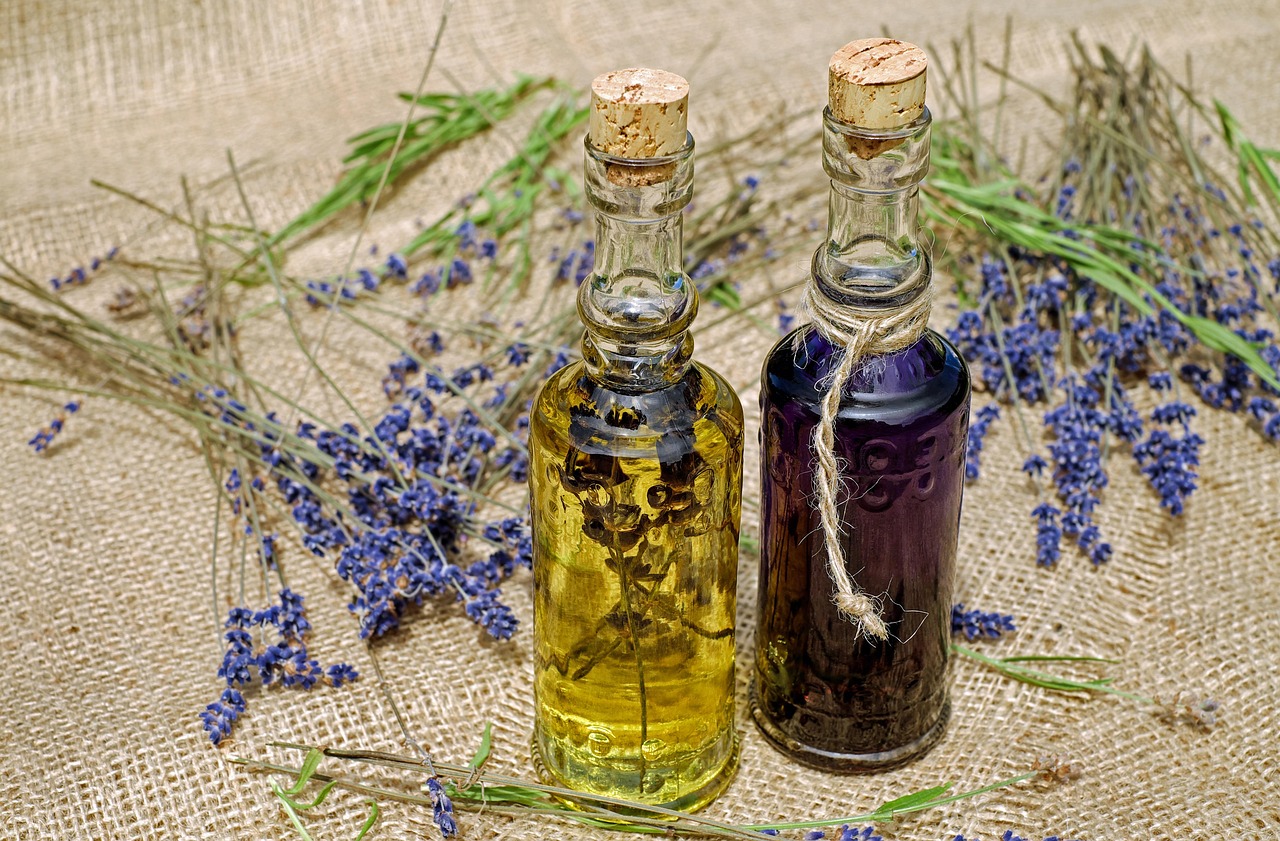
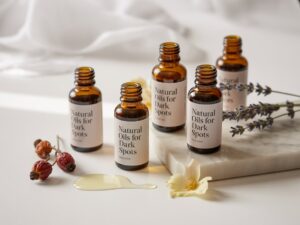
This comprehensive guide delves into the world of natural oils for dark spots, exploring how they work, which ones are most effective, and how to incorporate them into your skincare routine for optimal results. We’ll uncover the science behind these botanical wonders, provide practical advice for safe application, and help you set realistic expectations for your journey towards clearer, more even-toned skin. Get ready to embrace a natural approach to fading dark spots and revealing a healthier, more luminous complexion.
Understanding Dark Spots: What Causes Them?
Before we dive into the solutions, it’s crucial to understand what causes dark spots in the first place. Dark spots, medically known as hyperpigmentation, are areas of skin that become darker than the surrounding skin. This darkening occurs when there’s an overproduction of melanin, the pigment responsible for skin, hair, and eye color.
Types of Hyperpigmentation
- Sun Spots (Lentigines): Often called age spots or liver spots, these are typically caused by prolonged exposure to ultraviolet (UV) radiation from the sun. They commonly appear on sun-exposed areas like the face, hands, and arms.
- Post-Inflammatory Hyperpigmentation (PIH): This type of dark spot occurs after an inflammatory skin condition, such as acne, eczema, psoriasis, or an injury. As the skin heals, it produces excess melanin, leaving behind a dark mark.
- Melasma: Characterized by larger patches of darkened skin, melasma is often triggered by hormonal fluctuations, particularly during pregnancy (often called “the mask of pregnancy”), or from using oral contraceptives. Sun exposure can significantly worsen melasma.
How Dark Spots Form
Regardless of the specific type, the underlying mechanism is the same: melanocytes (the cells that produce melanin) go into overdrive, depositing more pigment than usual. This can be stimulated by various factors, including:
- UV radiation (sun exposure)
- Hormonal changes
- Inflammation or injury
- Certain medications
- Genetics
Understanding these causes helps us appreciate why natural oils for dark spots often target multiple pathways, from reducing inflammation to promoting cell turnover and providing antioxidant protection.
Why Choose Natural Oils For Dark Spots?
In a market saturated with chemical peels, serums, and laser treatments, why opt for natural oils? The answer lies in their gentle yet potent properties, offering a holistic approach to skin health.
Benefits Over Chemical Treatments
While chemical treatments can offer rapid results, they often come with downsides such as irritation, dryness, increased sensitivity, and potential long-term damage to the skin’s barrier. Natural oils, on the other hand:
- Are generally gentler on the skin, making them suitable for sensitive types.
- Provide additional nourishment and hydration, supporting overall skin health.
- Often contain a complex array of beneficial compounds beyond a single active ingredient.
- Have fewer side effects when used correctly.
- Are a cost-effective alternative to many clinical treatments.
The Science Behind Natural Oils
The efficacy of natural oils for dark spots isn’t just anecdotal; it’s backed by science. Many natural oils are rich in:
- Antioxidants: Such as Vitamins C and E, which combat free radicals caused by UV exposure, preventing further melanin production.
- Anti-inflammatory compounds: Which can help reduce post-inflammatory hyperpigmentation by calming irritated skin.
- Fatty Acids: Essential fatty acids help repair the skin barrier, improve hydration, and support healthy cell function.
- Retinoid-like compounds: Some oils contain natural compounds that mimic the effects of retinoids, promoting cell turnover and exfoliation.
Top Natural Oils For Dark Spots and How They Work
Here’s a detailed look at some of the most effective natural oils for dark spots, along with their unique properties:
Rosehip Seed Oil
A true powerhouse for skin regeneration, Rosehip Seed Oil is extracted from the seeds of wild rose bushes. It’s rich in:
- Trans-retinoic acid (a natural form of Vitamin A): This compound works similarly to retinoids, promoting cell turnover and helping to fade dark spots and fine lines.
- Vitamin C: A potent antioxidant that brightens skin and inhibits melanin production.
- Essential fatty acids (Omega-3 and Omega-6): These help repair and regenerate damaged skin tissue.
Rosehip oil is excellent for post-inflammatory hyperpigmentation and sun spots. It’s a carrier oil, meaning it can be applied directly to the skin.
Lemon Essential Oil
Known for its brightening properties, Lemon Essential Oil contains a high concentration of Vitamin C and citric acid. These components can help exfoliate dead skin cells and lighten dark spots.
Important Caution: Lemon essential oil is highly photosensitive. It MUST be diluted in a carrier oil (like jojoba or almond oil) and applied ONLY at night. Sun exposure after application can lead to severe burns or further hyperpigmentation. Always perform a patch test.
Jojoba Oil
While not a direct dark spot fader, Jojoba Oil is an excellent carrier oil that supports overall skin health, which is crucial when addressing hyperpigmentation. It closely mimics the skin’s natural sebum, making it non-comedogenic and balancing for all skin types. It helps to regulate oil production, reduce inflammation, and improve the absorption of other beneficial oils.
Frankincense Essential Oil
Derived from the resin of the Boswellia tree, Frankincense Essential Oil is revered for its ability to promote cell regeneration and reduce the appearance of scars and hyperpigmentation. It has strong anti-inflammatory properties, which can be beneficial for PIH. Like other essential oils, it must be diluted with a carrier oil.
Turmeric Essential Oil
The active compound in turmeric, curcumin, is a potent antioxidant and anti-inflammatory agent. Turmeric Essential Oil can inhibit tyrosinase, an enzyme necessary for melanin production, thus helping to lighten dark spots. It also aids in skin brightening and evening out skin tone.
Important Caution: Turmeric essential oil is very potent and can stain skin or fabric. Always dilute heavily and use with care, preferably at night. Perform a patch test.
Carrot Seed Essential Oil
Rich in powerful antioxidants like carotenoids and Vitamin A, Carrot Seed Essential Oil is known for its skin-rejuvenating properties. It helps in cell regeneration, improving skin tone and elasticity, and can contribute to fading dark spots and scars. It’s also believed to offer some natural sun protection, though it should never replace a dedicated SPF.
Helichrysum Essential Oil
Often called “Immortelle,” Helichrysum Essential Oil is highly prized for its remarkable healing and regenerative properties. It’s a powerful anti-inflammatory and antioxidant, making it excellent for reducing the appearance of scars, dark spots, and promoting an even complexion. It helps stimulate new cell growth and repair damaged skin.
How to Effectively Use Natural Oils For Dark Spots
To get the most out of your natural oils for dark spots and ensure safety, follow these guidelines:
Patch Testing: A Crucial First Step
Before applying any new oil to your face, especially essential oils, always perform a patch test. Apply a small amount of the diluted oil to an inconspicuous area of your skin (e.g., inner forearm or behind the ear) and wait 24-48 hours. Check for any signs of redness, itching, or irritation.
Dilution Guidelines (for essential oils)
Essential oils are highly concentrated and must be diluted with a carrier oil. A common dilution ratio is 1-2 drops of essential oil per teaspoon of carrier oil (e.g., Jojoba, Argan, Sweet Almond, or Rosehip Seed oil). For sensitive skin, start with a lower concentration.
Application Methods
- Spot Treatment: For specific dark spots, apply a diluted essential oil or carrier oil (like Rosehip) directly to the spot using a cotton swab.
- Serum: Mix your chosen essential oils with a carrier oil in a small dropper bottle. Apply 2-3 drops to your entire face after cleansing and toning, before moisturizing.
- Overnight Mask: For an intensive treatment, you can create a thicker blend of carrier oils and apply it as an overnight mask a few times a week.
Consistency is Key
Natural remedies work gradually. Consistent daily (or nightly, for photosensitive oils) application is vital. Don’t expect overnight results; patience is your best friend when using natural oils for dark spots.
Sun Protection: Non-Negotiable
Sun exposure is the primary cause and aggravator of dark spots. Even if you’re using oils that aren’t photosensitive, always apply a broad-spectrum SPF 30 or higher every morning, rain or shine. This prevents existing spots from darkening further and new ones from forming. If using photosensitive oils (like lemon or turmeric), apply them strictly at night.
Combining Natural Oils For Enhanced Results
One of the beauties of using natural oils for dark spots is the ability to create synergistic blends. Combining oils can amplify their individual benefits, addressing multiple concerns at once.
Carrier Oil + Essential Oil Blends
A popular approach is to use a powerful carrier oil like Rosehip Seed Oil as your base and add a few drops of targeted essential oils. For example:
- Brightening Blend: Rosehip Seed Oil (carrier) + Frankincense Essential Oil + Helichrysum Essential Oil.
- Anti-Inflammatory Blend: Jojoba Oil (carrier) + Turmeric Essential Oil + Frankincense Essential Oil.
- Regenerating Blend: Argan Oil (carrier) + Carrot Seed Essential Oil + Rosehip Seed Oil.
Always respect dilution ratios and perform a patch test for any new blend.
What to Expect: Realistic Timelines and Expectations
While natural oils for dark spots are effective, they are not magic potions. Setting realistic expectations is crucial for a satisfying experience.
Patience and Persistence
Fading dark spots naturally takes time. You might start seeing subtle improvements in skin tone and texture within 4-8 weeks, but significant fading of stubborn spots can take 3-6 months or even longer. Consistency is far more important than intensity.
When to Consult a Dermatologist
While natural oils are wonderful for many, they may not be sufficient for very deep, old, or resistant dark spots, or for conditions like severe melasma. If you’re not seeing the desired results after several months, or if your dark spots change in size, shape, or color, it’s always best to consult a dermatologist. They can offer professional treatments or diagnose underlying conditions.
Recommended Products
Organic Rosehip Seed Oil
A cold-pressed, unrefined organic rosehip oil known for its powerful regenerative properties to fade dark spots and even skin tone.
Organic Jojoba Oil
A versatile carrier oil that balances skin, ideal for diluting essential oils and providing gentle hydration without clogging pores.
Pure Frankincense Essential Oil
A highly valued essential oil known for its skin-rejuvenating and anti-inflammatory benefits, excellent for promoting an even complexion.
Organic Turmeric Essential Oil
Powerful antioxidant and anti-inflammatory properties, helps inhibit melanin production for brighter, more even skin tone.
Frequently Asked Questions About Natural Oils For Dark Spots
Q1: How long does it take for natural oils to fade dark spots?
A1: The timeline varies greatly depending on the individual, the type and depth of the dark spots, and consistency of use. Generally, you can expect to see subtle improvements in 4-8 weeks, with more significant fading taking 3-6 months or even longer. Patience and consistent application are key.
Q2: Can all skin types use natural oils for dark spots?
A2: Most skin types can benefit from natural oils, but individual reactions can vary. For example, Jojoba oil is great for oily and acne-prone skin, while Argan oil suits dry skin. Essential oils always need to be diluted, and a patch test is crucial for everyone, especially those with sensitive skin. If you have a known allergy or highly reactive skin, consult a dermatologist.
Q3: Are there any side effects of using natural oils for dark spots?
A3: When used correctly (especially with proper dilution for essential oils), side effects are minimal. However, potential issues include allergic reactions, skin irritation (redness, itching, burning), and photosensitivity (increased sun sensitivity, particularly with citrus essential oils like lemon). Always perform a patch test and adhere to dilution guidelines to minimize risks.
Q4: Can I mix different natural oils together?
A4: Yes, absolutely! Mixing carrier oils with essential oils is a common and effective practice. For example, you can blend Rosehip Seed Oil with a few drops of Frankincense or Helichrysum essential oil to create a potent dark spot serum. Just ensure you maintain proper dilution ratios for essential oils and combine ingredients that complement each other.
Q5: Do natural oils work on old dark spots?
A5: Natural oils can certainly help diminish the appearance of old dark spots, but it might take a longer time compared to newer spots. Oils like Rosehip Seed Oil, with its retinoid-like properties, and essential oils like Frankincense or Helichrysum, known for cell regeneration, are particularly beneficial for tackling older hyperpigmentation. Consistency over several months will be crucial.
Q6: What other steps can I take to prevent dark spots?
A6: Prevention is paramount! The most critical step is diligent sun protection. Use a broad-spectrum sunscreen with SPF 30+ daily, wear wide-brimmed hats, and seek shade during peak sun hours. Additionally, avoid picking at acne or scabs to prevent post-inflammatory hyperpigmentation, and maintain a consistent, gentle skincare routine.
Conclusion
Embracing natural oils for dark spots offers a gentle, nourishing, and effective path towards achieving a clearer, more even-toned complexion. From the regenerative power of Rosehip Seed Oil to the brightening capabilities of Turmeric and the healing touch of Frankincense, nature provides a rich palette of solutions to help fade hyperpigmentation.
Remember that the journey to radiant skin is a marathon, not a sprint. Consistency in your application, proper dilution of essential oils, and unwavering commitment to sun protection are the pillars of success. Listen to your skin, be patient with the process, and enjoy the transformative benefits of these incredible botanical treasures. With a little dedication, you can unlock your skin’s natural potential and confidently reveal a brighter, more luminous you.