
Are you tired of looking in the mirror and seeing stubborn dark spots, sun spots, or age spots diminishing your skin’s radiance? You’re not alone. Hyperpigmentation is a common skin concern that affects millions, often leaving us searching for effective solutions. While professional laser treatments at a dermatologist’s office have long been the gold standard, advancements in technology have paved the way for a revolutionary alternative at home laser treatment for dark spots.
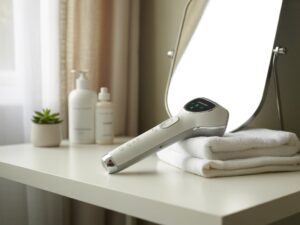
Understanding Dark Spots: What Are They and Why Do They Appear?
Before we dive into treatments, it’s crucial to understand what dark spots are and why they form. Dark spots, clinically known as hyperpigmentation, are areas of skin that become darker than the surrounding skin. This darkening occurs due to an overproduction of melanin, the pigment responsible for skin, hair, and eye color.
Types of Hyperpigmentation
- Sun Spots (Lentigines): Often called age spots or liver spots, these flat, oval areas of increased pigmentation usually appear on sun-exposed areas like the face, hands, and décolletage. They are a direct result of prolonged sun exposure.
- Melasma: Characterized by larger, patchy areas of discoloration, melasma often appears on the face, particularly the cheeks, bridge of the nose, forehead, and upper lip. It’s often triggered by hormonal changes (e.g., pregnancy, birth control pills) combined with sun exposure.
- Post-Inflammatory Hyperpigmentation (PIH): These dark spots appear after skin inflammation or injury, such as acne breakouts, eczema, or even minor cuts. As the skin heals, it can produce excess melanin, leaving behind a dark mark.
How Dark Spots Form
The primary culprit behind most dark spots is exposure to ultraviolet (UV) radiation from the sun. UV rays trigger melanocytes (melanin-producing cells) to go into overdrive, creating more melanin as a protective mechanism. This excess melanin clumps together, forming the visible dark spots. Other factors like hormonal fluctuations, certain medications, and inflammation also play significant roles in the development of various types of hyperpigmentation.
The Science Behind At-Home Laser Treatment For Dark Spots
The concept of using light energy to target pigmentation is not new. Professional dermatologists have been utilizing various laser and light therapies for decades. At-home devices miniaturize this technology, making it accessible for personal use.
How Lasers Work on Pigmentation (Selective Photothermolysis)
The magic behind laser treatment for dark spots lies in a principle called selective photothermolysis. This means that a specific wavelength of light is delivered to the skin, which is then selectively absorbed by a particular target chromophore – in this case, melanin. When the melanin absorbs the light energy, it heats up rapidly and shatters into tiny particles. These smaller particles are then naturally cleared away by the body’s immune system over time, leading to a lightening of the dark spot.
Types of At-Home Devices: Laser vs. IPL
It’s important to distinguish between “laser” and “IPL” (Intense Pulsed Light) devices, as both are often marketed for dark spots at home, but they work slightly differently:
- At-Home Lasers: These devices emit a single, focused wavelength of light. For dark spots, they typically use non-ablative fractional lasers (like diode lasers) that create microscopic treatment zones in the skin. This stimulates collagen production and targets pigment without damaging the surrounding tissue or requiring significant downtime. They are precise and effective for specific spots.
- At-Home IPL Devices: IPL devices emit a broad spectrum of light, not a single wavelength. This light is filtered to target various chromophores, including melanin. While effective for overall skin tone improvement, redness, and some dark spots, IPL is generally less precise than a true laser. Many devices marketed for “hair removal” also claim to help with “dark spots” using IPL technology.
When searching for at home laser treatment for dark spots, ensure you’re looking for devices specifically designed with laser technology if precision targeting is your priority.
Key Differences: Professional vs. At-Home Devices
While at-home devices offer convenience, they are generally less powerful than professional-grade lasers used by dermatologists. This lower power output is a safety feature, reducing the risk of burns or adverse effects when used by untrained individuals. Consequently, at-home treatments typically require more sessions over a longer period to achieve comparable results to a professional treatment. However, for many, the trade-off in power is well worth the accessibility and reduced cost.
Is At Home Laser Treatment For Dark Spots Right For You?
Deciding whether to invest in an at home laser treatment for dark spots requires careful consideration of your skin type, the nature of your dark spots, and your expectations.
Ideal Candidates and Skin Tones
Generally, the best candidates for at-home laser or IPL devices for dark spots have:
- Fair to Medium Skin Tones (Fitzpatrick Types I-IV): Devices designed for home use are typically safer and more effective on lighter skin tones. Darker skin tones (Fitzpatrick Types V-VI) have more melanin, which can absorb too much laser energy, leading to a higher risk of hyperpigmentation (darkening) or hypopigmentation (lightening) post-treatment. Always check the device’s compatibility with your skin tone.
- Sun Spots and Freckles: These are often the most responsive to at-home light treatments.
- Mild to Moderate Hyperpigmentation: For very deep or extensive dark spots, professional treatment might be more effective.
- Patience and Consistency: At-home devices require regular, consistent use over several weeks or months to see noticeable results.
Potential Risks and Contraindications
While generally safe when used correctly, there are risks associated with at home laser treatment for dark spots:
- Burns or Blisters: Incorrect use, such as using too high a setting or treating the same area too frequently, can lead to skin damage.
- Worsening of Hyperpigmentation: Especially true for darker skin tones, or if sun exposure is not avoided post-treatment.
- Eye Damage: Always wear the protective eyewear provided with the device.
- Not suitable for: Pregnant or breastfeeding individuals, those with a history of keloids, active skin infections, certain medical conditions (like epilepsy or light-sensitive disorders), or those on photosensitizing medications.
- Melasma: While some devices may help, melasma is complex and can sometimes be worsened by heat/light. Consult a dermatologist before attempting to treat melasma with at-home devices.
Managing Expectations: What to Realistically Expect
It’s vital to have realistic expectations. At-home devices will not deliver immediate, dramatic results like a single professional session. Expect:
- Gradual Improvement: Dark spots will lighten gradually over several weeks or months of consistent use.
- Maintenance: Results are not permanent, especially if sun protection is neglected. You’ll likely need maintenance sessions.
- Partial Clearance: Some spots may fade completely, while others may only lighten significantly.
- Patience: This is a marathon, not a sprint.
Choosing the Best At-Home Laser Device for Dark Spots
With a growing market, selecting the right device for at home laser treatment for dark spots can feel overwhelming. Here’s what to look for:
Factors to Consider
- Type of Technology: As discussed, differentiate between true lasers (e.g., fractional non-ablative) and IPL devices. For targeted dark spots, a laser might be more precise.
- FDA Clearance: Look for devices that are FDA-cleared for cosmetic use. This indicates they have been tested for safety and efficacy for their intended purpose.
- Wavelength and Intensity Settings: Understand if the device’s wavelength is appropriate for targeting melanin. Adjustable intensity settings are a huge plus, allowing you to customize treatment for comfort and efficacy.
- Safety Features: Good devices include built-in skin tone sensors (to prevent use on unsuitable skin tones), contact sensors (to ensure proper skin contact), and eye protection.
- Ease of Use: The device should be ergonomic and easy to maneuver over the face and body.
- Cost vs. Longevity: Consider the upfront cost against the expected lifespan of the device and any replacement cartridges needed.
What to Look For in Reviews
When researching, pay close attention to reviews focusing on:
- Results for Dark Spots: Do users report actual fading of sun spots, age spots, or PIH? Look for before-and-after photos.
- Skin Tone Compatibility: Do users with similar skin tones to yours report positive results without adverse effects?
- Ease of Use and Comfort: Is the device easy to operate? Is the treatment uncomfortable or painful?
- Customer Service: Is the manufacturer responsive to questions or issues?
- Longevity of Device: How long does the device typically last?
Step-by-Step Guide: Using Your At Home Laser Device Safely and Effectively
Once you’ve chosen your device for at home laser treatment for dark spots, proper usage is paramount for safety and best results.
Pre-Treatment Preparation
- Read the Manual: This is non-negotiable. Every device has specific instructions, warnings, and contraindications.
- Patch Test: Always perform a patch test on a small, inconspicuous area of skin 24-48 hours before full treatment to check for any adverse reactions.
- Cleanse Skin: Ensure your skin is clean, dry, and free of any makeup, lotions, or oils.
- Avoid Sun Exposure: Stay out of the sun and avoid tanning beds for at least 2-4 weeks before treatment. Sunburnt or recently tanned skin is more susceptible to adverse reactions.
- Wear Eye Protection: Always use the protective eyewear provided with your device.
During Treatment: Technique and Best Practices
- Start Low, Go Slow: Begin with the lowest intensity setting and gradually increase it as your skin tolerates.
- Targeted Application: For laser devices, precisely target each dark spot. Avoid overlapping pulses excessively.
- Consistent Schedule: Follow the manufacturer’s recommended treatment schedule (e.g., 2-3 times a week). Consistency is key.
- Listen to Your Skin: If you experience excessive pain, burning, or discomfort, stop immediately.
Post-Treatment Care and Recovery
- Soothe Skin: Immediately after treatment, your skin might be slightly red or feel warm. Apply a gentle, fragrance-free moisturizer or soothing gel (like aloe vera).
- Strict Sun Protection: This is the MOST critical step. Apply a broad-spectrum sunscreen with SPF 30+ daily, even on cloudy days, and reapply frequently. Wear hats and seek shade. Sun exposure post-treatment can lead to new or worsened hyperpigmentation.
- Avoid Irritants: For a few days post-treatment, avoid harsh exfoliants, retinoids, or other potentially irritating skincare ingredients.
- Monitor Skin: Watch for any signs of blistering, prolonged redness, or unusual reactions. Contact a dermatologist if you have concerns.
Maximizing Results and Maintaining Clear Skin
Achieving and maintaining a clear complexion with at home laser treatment for dark spots involves more than just the device itself.
Combining Laser Treatment with Skincare
Integrate your laser treatments with a well-rounded skincare routine:
- Daily Sunscreen: As mentioned, non-negotiable. It prevents new spots and stops existing ones from darkening.
- Antioxidants (e.g., Vitamin C): Vitamin C helps brighten the skin, reduce free radical damage, and inhibit melanin production.
- Retinoids (e.g., Retinol): Introduce retinoids gradually, as they promote cell turnover and can help fade dark spots. Avoid using on treatment days.
- Exfoliants (e.g., AHAs/BHAs): Gentle chemical exfoliants can aid in shedding pigmented cells, but use them cautiously and not immediately after laser treatment.
Patience and Consistency are Key
Remember that the body needs time to process the shattered melanin. Don’t expect overnight miracles. Stick to your treatment schedule and skincare routine diligently. Consistency over several months will yield the best results for your home laser treatment for dark spots journey.
When to Consult a Professional
While at-home devices are convenient, they are not a substitute for professional medical advice. Consult a dermatologist if:
- Your dark spots are persistent, worsening, or don’t respond to at-home treatment.
- You have concerns about a specific type of dark spot, like suspicious moles.
- You experience any severe side effects or adverse reactions from your at-home device.
- You have very deep or extensive hyperpigmentation that requires more powerful professional intervention.
Recommended Products
While this article focuses on the general principles of at home laser treatment for dark spots, several devices are popular choices among consumers. Always research thoroughly and read reviews before purchasing.
Tria Age-Defying Laser
One of the pioneering FDA-cleared at-home fractional non-ablative lasers. Known for targeting signs of aging, including dark spots and skin discoloration.
iluminage Skin Smoothing Laser
Another FDA-cleared device designed to improve skin texture, tone, and reduce the appearance of sun spots and wrinkles through fractional laser technology.
Silk’n Infinity
While primarily an IPL device for hair removal, some IPL devices like this one also feature settings or claims for addressing dark spots and improving skin tone with consistent use. Verify its specific capabilities for dark spots.
Note: Always consult product specifications and user reviews to ensure a device meets your specific needs and skin type. Product availability and features may vary.
Frequently Asked Questions About At Home Laser Treatment For Dark Spots
Q1: How long does it take to see results from at home laser treatment for dark spots?
Results from at home laser treatment for dark spots are typically gradual. Most users start noticing subtle improvements after 4-6 weeks of consistent use, with more significant fading often visible after 8-12 weeks or more, depending on the device, the individual’s skin, and the severity of the spots. Patience and strict adherence to the treatment schedule are crucial for optimal outcomes.
Q2: Is at home laser treatment for dark spots safe for all skin types?
Generally, at-home laser and IPL devices are safer and more effective for lighter skin tones (Fitzpatrick Types I-IV). Individuals with darker skin tones (Fitzpatrick Types V-VI) have a higher risk of adverse effects like hyperpigmentation (darkening) or hypopigmentation (lightening) because their skin contains more melanin, which can absorb too much laser energy. Always check the device’s specific guidelines regarding skin tone compatibility and consult a dermatologist if you have darker skin.
Q3: What are the potential side effects of at home laser treatment for dark spots?
Common side effects are usually mild and temporary, including redness, mild swelling, a sensation of warmth, or slight tenderness in the treated area. More severe but rarer side effects can include blistering, scabbing, temporary darkening of spots (before they lighten), or, in rare cases, burns or scarring if the device is used incorrectly. Strict adherence to instructions and proper post-treatment care significantly minimizes risks.
Q4: Can at home laser treatment for dark spots remove melasma?
Melasma is a complex form of hyperpigmentation often triggered by hormonal factors in addition to sun exposure. While some at-home light devices might offer mild improvement for certain types of melasma, they are generally not the primary solution. The heat from laser/IPL can sometimes even exacerbate melasma in susceptible individuals. It is highly recommended to consult a dermatologist for melasma treatment, as it often requires a multi-faceted approach, including topical medications and professional treatments.
Q5: How often should I use an at home laser device for dark spots?
The frequency of use for at home laser treatment for dark spots varies by device. Most manufacturers recommend using their devices 2-3 times per week for an initial period (e.g., 8-12 weeks), followed by maintenance sessions less frequently. Always refer to the specific user manual of your device for precise instructions and recommended treatment schedules.
Conclusion
At home laser treatment for dark spots offers an exciting and accessible avenue for those seeking to achieve a clearer, more even skin tone without frequent trips to a clinic. By understanding the science behind these devices, carefully selecting a suitable product, and diligently following safety and usage guidelines, you can significantly reduce the appearance of hyperpigmentation.
Remember that patience, consistency, and a strong commitment to sun protection are your best allies in this journey. While at-home solutions provide remarkable convenience, they are best viewed as a complement to, rather than a complete replacement for, professional dermatological care, especially for stubborn or complex skin concerns. Empower yourself with knowledge, invest wisely, and embark on your path to brighter, more confident skin from the comfort of your own home!
“`