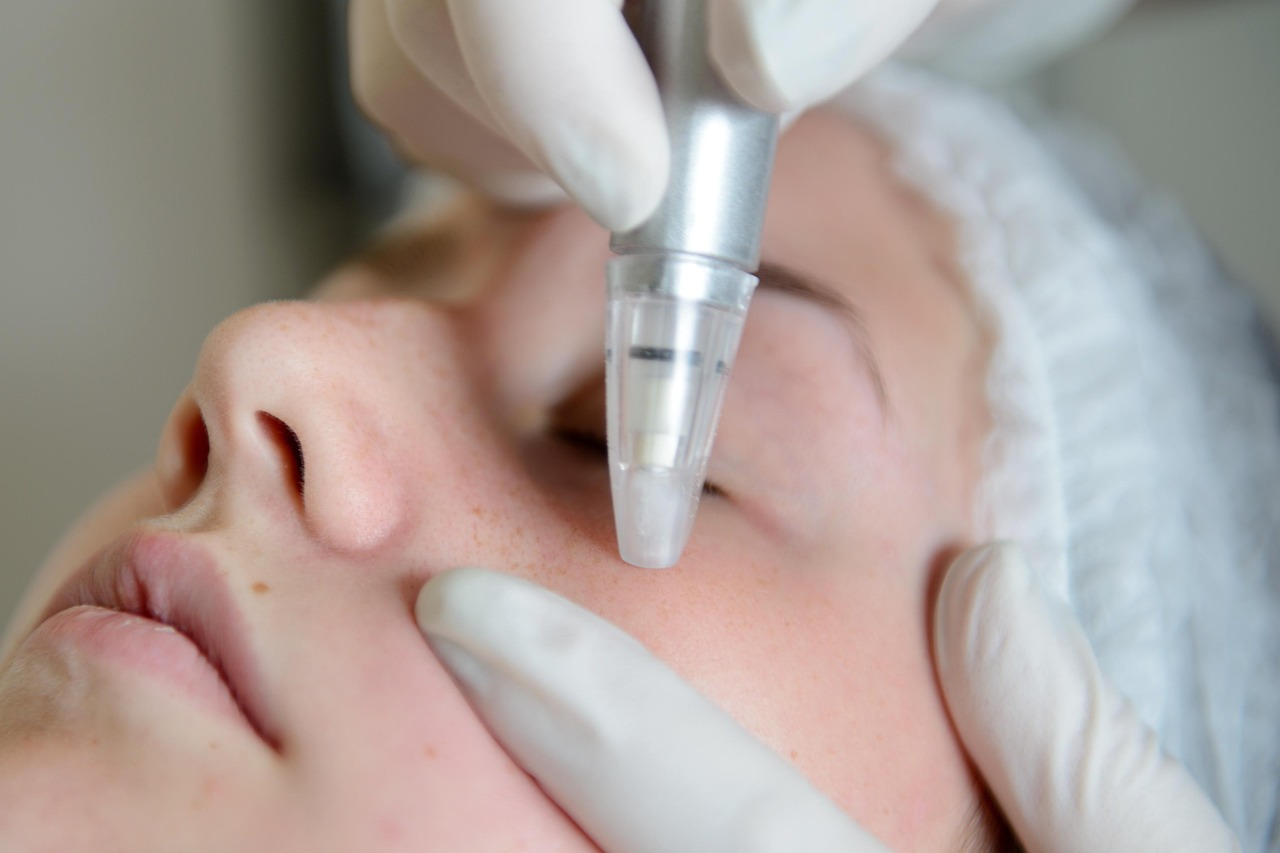
Are you staring at your reflection, wishing those stubborn dark spots would just disappear? Whether they’re sun spots, acne marks, or general discoloration, hyperpigmentation can be incredibly frustrating. In the quest for an even, radiant complexion, many turn to professional skin treatments, and one popular option that often comes up is microdermabrasion. But the big question remains can microdermabrasion remove dark spots effectively.,
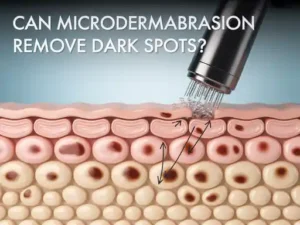
This comprehensive guide will delve deep into the world of microdermabrasion, exploring how it works, its specific benefits for various types of dark spots, and what you can realistically expect from the treatment. We’ll cover everything from the science behind it to practical advice on preparing for your session and maintaining your results. By the end, you’ll have a clear understanding of whether microdermabrasion is the right solution for your dark spot concerns and how to achieve that luminous, spot-free skin you’ve been dreaming of. Let’s uncover the truth about microdermabrasion and its power to transform your complexion!
Understanding Microdermabrasion: A Gentle Approach to Skin Renewal
Before we dive into its effectiveness against dark spots, it’s essential to understand what microdermabrasion actually is. Microdermabrasion is a non-invasive cosmetic procedure that gently exfoliates the outermost layer of your skin. It uses a specialized device to buff away dead skin cells, revealing the fresher, smoother skin underneath. This process encourages cellular turnover, which is key to improving skin tone and texture.
How Microdermabrasion Works
There are two primary types of microdermabrasion:
- Crystal Microdermabrasion: This method uses a hand-held device that sprays fine crystals (typically aluminum oxide or sodium bicarbonate) onto the skin. The crystals abrade the skin’s surface, and then a vacuum suction simultaneously removes the crystals and the exfoliated skin cells.
- Diamond-Tip Microdermabrasion: This technique uses a diamond-tipped wand that is directly applied to the skin. The textured tip exfoliates the skin, and a vacuum simultaneously suctions away the dead skin cells. This method is often preferred for sensitive areas like around the eyes.
Both methods work on the same principle: controlled exfoliation. By removing the stratum corneum (the outermost layer of the epidermis), microdermabrasion triggers the skin’s natural healing process, stimulating new cell growth and collagen production. This makes it a popular choice for addressing a variety of skin concerns, including fine lines, mild acne scars, enlarged pores, and, of course, dark spots.
Can Microdermabrasion Remove Dark Spots? The Science Behind It
Now, let’s get to the core question: can microdermabrasion remove dark spots? The answer is often yes, particularly for certain types of hyperpigmentation. Microdermabrasion works on dark spots primarily by targeting the accumulation of melanin (the pigment responsible for skin color) in the superficial layers of the epidermis.
Types of Dark Spots Microdermabrasion Can Help With
Microdermabrasion is most effective for superficial dark spots, often referred to as post-inflammatory hyperpigmentation (PIH) and sun-induced pigmentation:
- Post-Inflammatory Hyperpigmentation (PIH): These are the dark spots or marks left behind after an inflammatory skin condition, such as acne, eczema, or even a minor cut. The inflammation causes the skin to produce excess melanin, leading to discoloration. Since PIH typically resides in the upper layers of the skin, regular microdermabrasion treatments can gradually exfoliate these pigmented cells, leading to a fading effect.
- Sun Spots (Lentigines): Also known as age spots or liver spots, these flat, brown or black spots appear on areas frequently exposed to the sun (face, hands, shoulders). They are caused by years of sun exposure stimulating melanin production. Similar to PIH, sun spots are generally superficial, making them good candidates for microdermabrasion to help break up and remove the pigmented cells.
- Uneven Skin Tone: Beyond distinct spots, microdermabrasion can significantly improve overall skin tone and brightness by removing dull, pigmented surface cells, resulting in a more uniform complexion.
Limitations: When Microdermabrasion May Not Be Enough
While effective for many, it’s important to understand that microdermabrasion has its limitations. It may not be the optimal solution for:
- Melasma: This type of hyperpigmentation appears as larger patches of discoloration, often on the face, and is triggered by hormonal changes, sun exposure, and genetics. Melasma pigmentation often extends deeper into the dermis, making it much harder for superficial treatments like microdermabrasion to effectively remove. In some cases, aggressive microdermabrasion might even exacerbate melasma.
- Deep Scars: While it can improve the appearance of shallow acne scars, deep, pitted scars or keloids require more intensive treatments.
- Birthmarks or Moles: These are not related to melanin overproduction in the same way and require different medical approaches.
For deeper or more stubborn dark spots like melasma, a dermatologist might recommend stronger treatments such as chemical peels, laser therapy, or prescription-strength topical creams.
The Microdermabrasion Process: What to Expect
Knowing what happens during and after a session can help you feel more comfortable and prepare for the best results when you decide to remove dark spots with microdermabrasion.
Before Your Session
- Consultation: A qualified aesthetician or dermatologist will assess your skin type, concerns, and medical history to determine if microdermabrasion is suitable for you.
- Preparation: You’ll typically be advised to avoid sun exposure, tanning beds, and certain topical products (like retinoids or harsh exfoliants) for a few days before your appointment.
During the Treatment
- Cleansing: Your skin will be thoroughly cleansed to remove makeup, oil, and impurities.
- Treatment: The microdermabrasion device will be gently passed over your skin, exfoliating the target areas. You might feel a mild scratching sensation and the suction of the vacuum. The entire face treatment usually takes about 30-45 minutes.
- Soothing: Afterward, a hydrating serum, moisturizer, and sunscreen will be applied to soothe and protect your freshly exfoliated skin.
Aftercare and Recovery
Immediate aftercare is crucial for optimal microdermabrasion results on dark spots:
- Sun Protection: This is arguably the most important step. Your skin will be more sensitive to UV radiation, so apply a broad-spectrum SPF 30+ sunscreen daily, even on cloudy days. Sun exposure can undo your results and even create new dark spots.
- Moisturization: Keep your skin well-hydrated with a gentle, non-comedogenic moisturizer to aid in healing and prevent dryness.
- Avoid Harsh Products: For a few days, steer clear of abrasive scrubs, retinoids, alpha hydroxy acids (AHAs), or beta hydroxy acids (BHAs) unless advised by your professional.
- Side Effects: You might experience mild redness, tenderness, or flakiness, similar to a minor sunburn. This typically subsides within a few hours to a day.
How Many Sessions Are Needed to See Results?
One microdermabrasion session can make your skin feel smoother and look brighter, but significant improvement in dark spots usually requires a series of treatments. Does microdermabrasion get rid of dark spots completely in one go? Rarely. The number of sessions needed depends on several factors:
- Severity of Dark Spots: Lighter, more superficial spots may fade after 3-5 sessions, while more prominent or numerous spots might require 6-10 treatments.
- Skin Type and Condition: Individual skin response varies.
- Consistency: Treatments are typically spaced 2-4 weeks apart to allow the skin to heal and regenerate.
- Aftercare: Diligent sun protection and proper skincare at home significantly impact the speed and longevity of results.
Your aesthetician will work with you to create a personalized treatment plan and manage your expectations regarding the timeline for significant improvement.
Pros and Cons of Microdermabrasion for Dark Spots
Like any cosmetic procedure, microdermabrasion has its advantages and disadvantages when used to treat dark spots.
Pros:
- Non-Invasive: No needles, no surgery, minimal downtime.
- Safe for Most Skin Types: Generally safe for a wide range of skin tones, though darker skin types should always seek an experienced professional to minimize hyperpigmentation risks.
- Improves Overall Skin Texture: Beyond dark spots, it refines pores, smooths fine lines, and enhances skin radiance.
- Stimulates Cell Turnover: Promotes healthy new skin cell growth.
- Increases Product Absorption: Removes the barrier of dead skin cells, allowing your skincare products to penetrate more effectively.
- Gradual & Natural Results: Fades spots without harsh chemicals or abrupt changes.
Cons:
- Multiple Sessions Required: Not a one-and-done solution for significant dark spots.
- Not for Deep Pigmentation: Ineffective for melasma or very deep hyperpigmentation.
- Temporary Redness/Sensitivity: Skin may be red and sensitive immediately after treatment.
- Risk of Post-Inflammatory Hyperpigmentation (PIH): If performed too aggressively or on sensitive skin types, there’s a small risk of *creating* new dark spots, especially in individuals prone to PIH. This underscores the importance of choosing a qualified professional.
- Sun Sensitivity: Increased risk of sunburn and worsening dark spots if proper sun protection isn’t maintained.
- Cost: Can add up over multiple sessions.
Recommended Products
To support your microdermabrasion journey and enhance your results in fading dark spots, incorporating a few key skincare products into your routine is essential. These suggestions focus on protection, hydration, and gentle brightening, crucial for newly exposed skin and preventing future hyperpigmentation.
EltaMD UV Clear Broad-Spectrum SPF 46
A highly recommended, oil-free, mineral-based sunscreen perfect for post-treatment skin, especially for those prone to acne or rosacea. It offers broad-spectrum protection to prevent new dark spots.
CeraVe Moisturizing Cream
A cult-favorite, gentle, and fragrance-free moisturizer with ceramides and hyaluronic acid. It helps restore the skin’s barrier function, which is vital for healing after microdermabrasion.
SkinCeuticals C E Ferulic (or similar Vitamin C Serum)
While an investment, a high-quality Vitamin C serum can boost collagen, protect against environmental damage, and further brighten skin to fade existing dark spots and prevent new ones. Apply a few days after microdermabrasion once skin has healed.
Frequently Asked Questions About Microdermabrasion and Dark Spots
Many questions arise when considering microdermabrasion for hyperpigmentation. Here are some of the most common ones:
Q1: Is microdermabrasion painful for dark spots?
A: Microdermabrasion is generally not painful. Most people describe the sensation as a gentle scratching, a mild vibrating, or a feeling of suction on the skin. It’s often compared to a cat licking your face. Your aesthetician can adjust the intensity to ensure your comfort. Any discomfort is typically very mild and temporary.
Q2: How many sessions of microdermabrasion are needed to remove dark spots?
A: While you might notice some immediate brightening, significant improvement in dark spots usually requires a series of treatments. For most superficial dark spots, a course of 5 to 10 sessions, spaced 2-4 weeks apart, is often recommended. The exact number depends on the severity and type of pigmentation, as well as your skin’s response.
Q3: What are the side effects of microdermabrasion for dark spots?
A: Common side effects are mild and temporary, including redness, tenderness, slight swelling, and dry or flaky skin. These typically resolve within a few hours to a day. Rarely, more aggressive treatments can lead to temporary bruising or, in very sensitive individuals, a risk of post-inflammatory hyperpigmentation if not performed correctly.
Q4: Can microdermabrasion worsen dark spots?
A: When performed by an experienced professional and with proper aftercare, microdermabrasion should improve dark spots. However, if the treatment is too aggressive for your skin type, or if you expose your skin to the sun without protection afterward, there is a risk of worsening existing dark spots or triggering new ones (post-inflammatory hyperpigmentation). This is why strict sun protection is paramount.
Q5: How long do microdermabrasion results last for dark spots?
A: The longevity of results depends heavily on your skincare routine and lifestyle. With diligent sun protection, consistent use of brightening serums, and occasional maintenance treatments (e.g., every 1-3 months), the improvement in dark spots can be long-lasting. Without proper care, new pigmentation can reappear over time, especially with sun exposure.
Q6: Is microdermabrasion effective for melasma?
A: Generally, microdermabrasion is not the primary recommended treatment for melasma. Melasma often involves deeper pigmentation that microdermabrasion cannot effectively reach, and aggressive exfoliation can sometimes stimulate melanin production, potentially making melasma worse. Other treatments like specialized chemical peels, laser therapy, and prescription topicals are usually more effective for melasma.
Conclusion: Your Path to Clearer Skin with Microdermabrasion
So, can microdermabrasion remove dark spots? For many individuals struggling with superficial hyperpigmentation like sun spots and post-inflammatory hyperpigmentation from acne, the answer is a resounding yes. This gentle yet effective exfoliating treatment works by removing the pigmented top layer of skin, encouraging cell renewal, and revealing a brighter, more even complexion underneath. While it’s not a magic bullet for all types of dark spots, particularly deeper concerns like melasma, it remains a highly popular and effective option for those seeking a non-invasive path to clearer skin.
Remember that achieving optimal results requires commitment—a series of treatments, consistent sun protection, and a supportive skincare routine are all crucial components. Always consult with a qualified dermatologist or aesthetician to assess your skin, discuss your specific dark spot concerns, and create a personalized treatment plan. With the right approach and realistic expectations, microdermabrasion can be a powerful ally in your journey toward a radiant, spot-free glow. Invest in your skin, protect it from the sun, and enjoy the confidence that comes with a beautifully even complexion!
“`