
Are you tired of looking in the mirror and seeing stubborn dark spots that seem to cling to your skin? You’re not alone. Many individuals search for effective dark spot treatment near me to address hyperpigmentation, sun spots, and post-acne marks. These discolorations can significantly impact your confidence and overall skin appearance, making the quest for a clear, even complexion a top priority.
Dark spots, scientifically known as hyperpigmentation, are a common dermatological concern affecting people of all skin types and tones. They result from an overproduction of melanin, the pigment that gives skin its color. While harmless, they can be a source of frustration. This comprehensive guide will delve into everything you need to know about dark spots, from their causes and types to the most effective at-home remedies and professional treatments available. We’ll also equip you with the knowledge to find the best dark spot treatment near me, ensuring you make informed decisions on your journey to radiant, spotless skin.
Understanding Dark Spots: What Are They and Why Do They Appear?
Before diving into treatments, it’s crucial to understand what dark spots are and what triggers their formation. Fundamentally, dark spots are areas of the skin where excess melanin has been produced, leading to a darker patch compared to the surrounding skin. This overproduction is a protective response, often signaling past damage or inflammation.
Common Causes of Hyperpigmentation
- Sun Exposure: This is arguably the most common culprit. Prolonged and unprotected exposure to ultraviolet (UV) rays stimulates melanocytes (melanin-producing cells) to create more pigment as a defense mechanism, leading to sun spots, age spots, or liver spots.
- Post-Inflammatory Hyperpigmentation (PIH): This occurs after skin inflammation or injury, such as acne breakouts, eczema, psoriasis, or even minor cuts and scrapes. As the skin heals, it can leave behind a dark mark that fades over time, but often not quickly enough.
- Melasma: A more challenging form of hyperpigmentation, melasma appears as symmetrical patches, often on the face (forehead, cheeks, upper lip). It’s primarily triggered by hormonal changes (pregnancy, birth control pills) combined with sun exposure.
- Medications: Certain medications, including some antibiotics, anti-malarials, and chemotherapy drugs, can cause skin discoloration as a side effect.
- Fragrance and Cosmetic Reactions: Sometimes, a reaction to a specific ingredient in a skincare product or perfume, especially when exposed to the sun, can cause dark spots (photoallergic or phototoxic reactions).
Different Types of Dark Spots
While often grouped together, dark spots can manifest in various forms:
- Solar Lentigines (Sun Spots/Age Spots): Flat, oval-shaped brown spots that appear on sun-exposed areas like the face, hands, and chest. They typically develop later in life.
- Freckles (Ephelides): Small, flat brown spots that are usually hereditary and become more prominent with sun exposure.
- Post-Inflammatory Hyperpigmentation (PIH): Can range from pink, red, brown, or black marks depending on your skin tone, appearing after skin trauma.
- Melasma: Larger, irregularly shaped patches of brown or grayish-brown pigmentation, often symmetrical.
At-Home Dark Spot Treatments: Your First Line of Defense
For many, the journey to clearer skin begins with at-home solutions. These over-the-counter (OTC) products and remedies can be incredibly effective for mild to moderate dark spots, especially when used consistently. When looking for dark spot treatment near me that you can apply at home, focus on products containing specific active ingredients.
Key Ingredients to Look For
Understanding the powerhouse ingredients that target hyperpigmentation is crucial:
- Vitamin C (L-Ascorbic Acid): A potent antioxidant that brightens skin, inhibits melanin production, and protects against sun damage. Look for serums with a concentration between 10-20%.
- Niacinamide (Vitamin B3): Reduces inflammation, improves skin barrier function, and helps prevent the transfer of pigment to skin cells. It’s well-tolerated by most skin types.
- Alpha Arbutin: A natural derivative of hydroquinone, it safely blocks melanin production, offering a gentler alternative for brightening.
- Kojic Acid: Derived from fungi, this ingredient inhibits tyrosinase, an enzyme essential for melanin production. It’s effective but can sometimes be irritating.
- Azelaic Acid: Reduces inflammation, kills acne-causing bacteria, and inhibits tyrosinase, making it excellent for PIH and general brightening.
- Retinoids (Retinol, Tretinoin): Increase cell turnover, helping to shed pigmented cells more quickly and bring new, unpigmented cells to the surface. OTC retinols are milder than prescription tretinoin.
- Glycolic Acid & Lactic Acid (AHAs): Alpha Hydroxy Acids exfoliate the top layer of skin, helping to shed pigmented cells and reveal brighter skin underneath.
Over-the-Counter Products
When searching for an effective dark spot treatment near me for at-home use, consider incorporating these product types into your routine:
- Brightening Serums: Often contain high concentrations of Vitamin C, Niacinamide, or Alpha Arbutin. Apply after cleansing and before moisturizing.
- Dark Spot Correctors: Targeted treatments designed to be applied directly to the pigmented areas. Many include a blend of the ingredients listed above.
- Exfoliating Toners/Creams: Products with AHAs or BHAs (like salicylic acid) can accelerate cell turnover, helping to fade spots. Use cautiously to avoid irritation.
- Night Creams with Retinol: These work while you sleep to boost cell renewal and improve overall skin tone. Start with a low concentration and gradually increase.
The Undeniable Importance of Sun Protection
No dark spot treatment, whether at-home or professional, will be effective without diligent sun protection. UV radiation is the primary trigger for dark spots and will undo any progress you make. Always use a broad-spectrum sunscreen with an SPF of 30 or higher, even on cloudy days and indoors near windows. Reapply every two hours when outdoors.
Professional Dark Spot Treatment Near Me: When to See an Expert
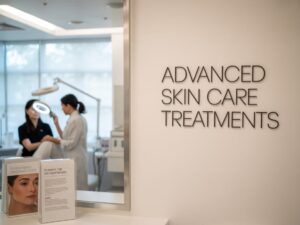
If at-home treatments aren’t yielding the desired results, or if your dark spots are severe, persistent, or caused by conditions like melasma, it’s time to seek professional help. A dermatologist or licensed aesthetician can offer more potent solutions that provide faster and more dramatic improvements. When you search for “dark spot treatment near me” with the intention of professional intervention, you’ll likely encounter several options.
Who to Consult
- Dermatologists: Medical doctors specializing in skin, hair, and nail conditions. They can diagnose the exact type of hyperpigmentation, prescribe stronger medications, and perform advanced procedures.
- Med Spas (Medical Spas): Offer a range of cosmetic treatments under the supervision of a medical director. Aestheticians at med spas are trained to perform procedures like chemical peels and microdermabrasion.
In-Office Procedures for Dark Spots
Professional treatments work by either accelerating cell turnover, breaking down pigment, or both:
- Chemical Peels: A dermatologist applies a chemical solution (often containing higher concentrations of AHAs, BHAs, or TCA) to the skin, which exfoliates the top layers. This process encourages new, unpigmented skin to emerge. Different strengths are available for varying depths of treatment.
- Laser Therapy: Various types of lasers target melanin in the skin, breaking it down into smaller particles that the body can clear away.
- Q-switched Lasers: Highly effective for sun spots, age spots, and some types of PIH.
- Pulsed Dye Lasers (PDL): Can address redness often associated with PIH.
- Fractional Lasers (e.g., Fraxel): Create microscopic columns of injury in the skin, stimulating collagen production and shedding pigmented cells. Good for melasma and stubborn spots.
- Microneedling: Involves using a device with fine needles to create controlled micro-injuries in the skin. This stimulates collagen production and can improve texture and tone, helping to fade dark spots, especially when combined with brightening serums.
- Microdermabrasion: A non-invasive procedure that exfoliates the outermost layer of skin using a device with fine crystals or a diamond tip. It can improve superficial dark spots and overall skin texture.
- Cryotherapy: Involves freezing individual dark spots (often sun spots) with liquid nitrogen. The treated spot will scab and fall off, revealing new skin underneath. This is typically used for isolated spots.
How to Choose the Right Professional and Clinic
When seeking a professional dark spot treatment near me, consider these factors:
- Qualifications and Experience: Ensure the dermatologist is board-certified or the aesthetician is licensed and experienced in treating hyperpigmentation.
- Reviews and Testimonials: Look at online reviews and ask for before-and-after photos of previous clients with similar concerns.
- Consultation: A thorough consultation is essential. The professional should examine your skin, discuss your concerns, explain treatment options, potential side effects, and expected outcomes.
- Customized Treatment Plan: The best approach is a personalized one, tailored to your skin type, spot type, and lifestyle.
Finding “Dark Spot Treatment Near Me”: Practical Steps
The phrase “dark spot treatment near me” is your starting point, but how do you effectively navigate the search to find the best options in your locality? Here are practical steps to guide you.
Online Search Strategies
- Google Maps and Local Search: Start with a simple search like “dermatologist near me for hyperpigmentation” or “med spa dark spot removal [your city/zip code]”. Google Maps will display local clinics, their ratings, and contact information.
- Specific Treatment Searches: If you’re interested in a particular treatment, try “laser treatment for dark spots near me” or “chemical peels for hyperpigmentation [your area]”.
- Review Platforms: Websites like Yelp, Healthgrades, Zocdoc, and RealSelf are excellent for finding detailed patient reviews and ratings for dermatologists and med spas.
- Professional Organization Directories: Check the American Academy of Dermatology (AAD) website for a “Find a Dermatologist” tool, ensuring you find board-certified professionals.
Reading Reviews and Testimonials
Don’t just look at star ratings. Read the actual comments to understand:
- Effectiveness of Treatment: Did patients see results for dark spots?
- Clinic Environment: Is it clean, professional, and welcoming?
- Staff Demeanor: Are the doctors and aestheticians knowledgeable, patient, and empathetic?
- Cost and Transparency: Are prices clear, and are there hidden fees?
- Follow-up Care: Is good post-treatment advice provided?
Preparing for Your Consultation
Once you’ve shortlisted a few providers for dark spot treatment near me, prepare for your initial consultation:
- List Your Concerns: Be clear about where your dark spots are, how long you’ve had them, and what you’ve tried so far.
- Medication and Health History: Inform the professional about all medications, supplements, and any existing health conditions.
- Questions to Ask:
- What type of dark spots do I have?
- What are my treatment options, both at-home and professional?
- What are the risks and side effects?
- How many sessions will I need, and what is the estimated cost?
- What is the recovery time?
- What results can I realistically expect?
Prevention is Key: Stopping Dark Spots Before They Start
While finding an effective dark spot treatment near me is important, preventing new spots from forming is equally crucial. Incorporating preventive measures into your daily routine can save you time, money, and frustration in the long run.
Daily Sunscreen Use
This cannot be stressed enough. Sunscreen is your best friend in the fight against dark spots. Make it a non-negotiable part of your morning routine:
- Use a broad-spectrum sunscreen with at least SPF 30.
- Apply it generously to all exposed skin, not just your face.
- Reapply every two hours when outdoors, or more frequently if swimming or sweating.
- Consider physical sunscreens (zinc oxide, titanium dioxide) if you have sensitive skin or are prone to irritation.
Avoiding Picking at Skin
Any form of inflammation or trauma to the skin can trigger PIH. This means:
- Do not pick, squeeze, or pop pimples. Let them heal naturally or use targeted acne treatments.
- Be gentle with your skin during cleansing and exfoliation. Avoid harsh scrubbing.
- If you have conditions like eczema or psoriasis, manage them effectively to prevent flare-ups that could lead to dark spots.
Healthy Skincare Routine
A consistent and appropriate skincare routine can significantly contribute to preventing dark spots and maintaining overall skin health:
- Cleanse: Use a gentle cleanser twice daily.
- Treat: Incorporate antioxidants like Vitamin C in the morning to protect against environmental damage.
- Moisturize: Keep your skin hydrated to support its barrier function.
- Exfoliate (Gently): Regular, gentle exfoliation (e.g., with AHAs or retinoids a few times a week) can help maintain an even skin tone and prevent dead skin cell buildup.
Recommended Products
RoC Retinol Correxion Deep Wrinkle Anti-Aging Night Cream
An effective retinol cream that boosts cell turnover to reduce the appearance of dark spots, fine lines, and wrinkles while you sleep.
TruSkin Vitamin C Serum for Face
A popular and affordable Vitamin C serum known for its brightening properties, helping to fade dark spots and even out skin tone with consistent use.
The Ordinary Niacinamide 10% + Zinc 1%
This potent serum helps reduce the appearance of skin blemishes and congestion, and significantly brightens skin tone, making it excellent for post-inflammatory hyperpigmentation.
Paula’s Choice 10% Azelaic Acid Booster
A multi-tasking treatment that visibly fades brown spots, calms redness, and refines skin texture, suitable for various types of hyperpigmentation.
EltaMD UV Clear Facial Sunscreen Broad-Spectrum SPF 46
Crucial for preventing new dark spots and protecting existing ones from worsening, this lightweight, oil-free sunscreen is ideal for sensitive and acne-prone skin.
Frequently Asked Questions About Dark Spot Treatment
Q1: How long does it take to see results from dark spot treatments?
A: The timeline for results varies significantly depending on the type and depth of the dark spot, the chosen treatment method, and your individual skin’s response. At-home topical treatments usually require 8-12 weeks of consistent use to show noticeable improvement. Professional treatments like chemical peels or laser therapy might show faster results, sometimes within a few weeks after a session, but often require multiple sessions for optimal outcomes. Patience and consistency are key.
Q2: Are dark spot treatments permanent?
A: While many dark spot treatments can effectively fade or remove existing spots, the results are not always permanently “cured.” New dark spots can reappear if the underlying causes, such as sun exposure or inflammation, are not addressed. This is why diligent sun protection and a consistent preventative skincare routine are crucial for maintaining results and preventing recurrence. Melasma, in particular, is known for its tendency to recur.
Q3: Can natural remedies really get rid of dark spots?
A: Some natural ingredients, like aloe vera, turmeric, and licorice root extract, have shown some promise in reducing hyperpigmentation due to their anti-inflammatory and melanin-inhibiting properties. However, their efficacy is generally much milder and slower than scientifically backed ingredients or professional treatments. It’s important to approach natural remedies with caution, as some (like undiluted lemon juice) can cause skin irritation or increased sun sensitivity, potentially worsening dark spots. Always do a patch test first.
Q4: Is laser treatment safe for all skin types?
A: Laser treatment can be highly effective, but its safety and suitability depend on your skin type, particularly your Fitzpatrick skin type (which categorizes skin based on its response to UV light). Individuals with darker skin tones (Fitzpatrick types IV-VI) are at a higher risk of post-inflammatory hyperpigmentation or even hypopigmentation (lightening of the skin) if the wrong laser or settings are used. It’s paramount to consult with an experienced dermatologist who has expertise in treating diverse skin tones and can recommend the safest and most effective laser for you.
Q5: What’s the most important thing I can do to prevent dark spots?
A: Consistent and diligent sun protection is, without a doubt, the single most important thing you can do to prevent dark spots from forming and to keep existing ones from worsening. This includes daily application of a broad-spectrum sunscreen with SPF 30+, seeking shade, and wearing protective clothing like hats and sunglasses.
Q6: Can diet affect dark spots?
A: While diet doesn’t directly cause or cure dark spots, a healthy, antioxidant-rich diet can support overall skin health and its ability to repair itself. Foods rich in Vitamin C, Vitamin E, and other antioxidants can help protect skin cells from oxidative stress, which contributes to skin damage and potentially hyperpigmentation. Staying hydrated and avoiding excessive inflammatory foods may also contribute to a clearer complexion, especially if your dark spots are related to inflammatory conditions like acne.
Conclusion: Embrace Your Journey to Clearer Skin
The journey to addressing dark spots can feel overwhelming, but with the right knowledge and approach, achieving a clearer, more even complexion is entirely within reach. We’ve explored the various culprits behind hyperpigmentation, from sun exposure to hormonal shifts, and delved into a comprehensive array of solutions, from potent at-home ingredients like Vitamin C and retinoids to advanced professional procedures such as laser therapy and chemical peels. Remember, finding the right dark spot treatment near me involves not just knowing your options, but also understanding your skin and what it truly needs.
Ultimately, the most effective strategy often involves a combination of consistent at-home care, vigilant sun protection, and, when necessary, professional guidance. Don’t hesitate to seek out a board-certified dermatologist or a reputable med spa to get a personalized assessment and treatment plan. With patience, persistence, and the right tools, you can confidently work towards diminishing those stubborn dark spots and revealing the radiant, healthy skin you deserve. Embrace the process, stay consistent, and celebrate every step towards your skin goals.