
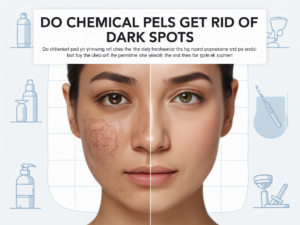
But the big question remains do chemical peels get rid of dark spots effectively The short answer is often yes, but the efficacy depends on several factors, including the type of dark spot, the peel’s strength, and individual skin characteristics. This comprehensive guide will delve deep into how chemical peels work to diminish hyperpigmentation, what types are best suited for different concerns, what to expect during and after treatment, and crucial advice for maintaining your results. Prepare to uncover the science and practicalities behind using chemical peels to achieve a brighter, more uniform skin tone.
Understanding Dark Spots: What Are They?
Before we explore how chemical peels tackle dark spots, it’s essential to understand what causes them. Dark spots are areas of the skin where excess melanin (the pigment that gives skin its color) has been produced and deposited. This overproduction can be triggered by various factors:
- Sun Exposure: The most common cause, leading to sun spots, age spots, or liver spots. UV radiation stimulates melanocytes to produce more melanin as a protective mechanism.
- Inflammation: Post-inflammatory hyperpigmentation (PIH) occurs after skin trauma or inflammation, such as acne, eczema, or injuries.
- Hormonal Changes: Melasma, often called the “mask of pregnancy,” is triggered by hormonal fluctuations (e.g., pregnancy, birth control pills) combined with sun exposure.
- Medications: Certain drugs can cause hyperpigmentation as a side effect.
While often harmless, dark spots can be persistent and challenging to fade, making treatments like chemical peels a valuable option.
Do Chemical Peels Get Rid Of Dark Spots? The Science Behind It
So, do chemical peels get rid of dark spots? Absolutely. Chemical peels work by applying a chemical solution to the skin, which exfoliates the top layers. This process encourages the skin to shed damaged cells, including those containing excess melanin, and promotes the growth of new, healthier, and more evenly pigmented skin cells. The depth of the peel determines how much of the skin is exfoliated and, consequently, its effectiveness against different types of dark spots.
How Chemical Peels Work on Pigmentation
The acids in chemical peels dissolve the “glue” that holds dead skin cells together. This controlled exfoliation helps to:
- Remove Pigmented Cells: The top layers of skin containing concentrated melanin are shed.
- Accelerate Cell Turnover: New, unpigmented skin cells rise to the surface faster than they would naturally.
- Stimulate Collagen Production: Deeper peels can also stimulate collagen, improving overall skin texture and firmness, in addition to addressing pigmentation.
Different Types of Chemical Peels for Dark Spots
The choice of peel depends on the severity and type of dark spots, as well as your skin type and desired downtime. Here are the main categories:
Light (Superficial) Peels
These are the mildest peels, typically using alpha hydroxy acids (AHAs) like glycolic acid or lactic acid, or beta hydroxy acids (BHAs) like salicylic acid. They penetrate only the outermost layer of the skin (epidermis).
- Best For: Mild sun spots, superficial PIH, uneven skin tone, and overall brightening.
- Pros: Minimal downtime (often just a few days of light flaking), suitable for almost all skin types, can be done frequently (every 2-4 weeks).
- Cons: Requires multiple sessions for noticeable results, may not be effective for deeper or more stubborn dark spots like melasma.
- Common Acids:
- Glycolic Acid: Derived from sugar cane, excellent for exfoliation and improving skin texture.
- Lactic Acid: Derived from milk, gentler than glycolic, also hydrating, good for sensitive skin.
- Salicylic Acid: A BHA, oil-soluble, penetrates pores, making it ideal for PIH associated with acne.
Medium Peels
Medium peels penetrate deeper into the skin’s epidermis and upper dermis. Trichloroacetic acid (TCA) is the most common agent used for medium-depth peels.
- Best For: More pronounced sun spots, deeper PIH, some forms of melasma, fine lines, and texture irregularities.
- Pros: More significant results than light peels, can achieve dramatic improvement in pigmentation with fewer sessions.
- Cons: Longer downtime (5-7 days of significant peeling, redness, and swelling), requires careful aftercare, not suitable for all skin tones (risk of hyperpigmentation in darker skin if not performed by an experienced professional).
- Common Acids:
- Trichloroacetic Acid (TCA): Used in various concentrations, effective for targeting moderate pigmentation.
Deep Peels
These are the most intensive peels, reaching the deeper layers of the dermis. Phenol peels are a classic example.
- Best For: Severe sun damage, deep wrinkles, precancerous growths, and very stubborn, deep-set dark spots (though less commonly used specifically for pigmentation due to risks).
- Pros: Can provide truly dramatic and long-lasting results, often requiring only one treatment.
- Cons: Significant downtime (weeks to months), carries higher risks of complications (scarring, infection, permanent pigment changes, cardiac issues with phenol), usually performed under sedation, not suitable for darker skin tones.
- Recommendation: Due to the high risks and extensive downtime, deep peels are rarely the first choice for dark spots alone and should only be considered under strict medical supervision.
The Benefits of Chemical Peels for Hyperpigmentation
Beyond simply answering “do chemical peels get rid of dark spots,” it’s important to understand the broader benefits:
- Targeted Treatment: Peels directly target the melanin-rich cells, effectively reducing the appearance of dark spots.
- Improved Skin Texture: By removing dead skin cells, peels smooth the skin’s surface, making it feel softer and look more refined.
- Enhanced Radiance: The removal of dull, damaged skin reveals fresher, brighter skin underneath, leading to an overall more radiant complexion.
- Stimulated Collagen Production: Especially with medium and deep peels, collagen synthesis is boosted, which can improve skin firmness and reduce the appearance of fine lines.
- Better Product Penetration: After a peel, skincare products can penetrate more effectively, enhancing their benefits.
Who is a Good Candidate for Chemical Peels?
While chemical peels are versatile, they aren’t for everyone. Good candidates typically have:
- Mild to moderate dark spots (sun spots, PIH, some melasma).
- Realistic expectations about the results and downtime.
- No active infections, open sores, or severe acne breakouts in the treatment area.
- Not recently used isotretinoin (Accutane) within the last 6-12 months.
- A commitment to strict sun protection before and after the peel.
Individuals with darker skin tones should exercise caution and seek a practitioner highly experienced with ethnic skin, as there’s a higher risk of post-inflammatory hyperpigmentation or hypopigmentation if the wrong peel or technique is used.
The Chemical Peel Process: What to Expect
Before the Peel: Preparation is Key
A thorough consultation with a dermatologist or licensed aesthetician is crucial. They will assess your skin, discuss your concerns (like “do chemical peels get rid of dark spots for my specific issue?”), medical history, and recommend the most suitable peel type. You might be advised to:
- Avoid sun exposure and tanning beds for several weeks.
- Stop using retinoids, exfoliants, or certain topical medications a week prior.
- Pre-treat your skin with specific products (e.g., hydroquinone, retinoids) as prescribed, especially for darker skin tones, to prepare the skin and reduce the risk of PIH.
During the Peel
The process is relatively quick:
- Your skin will be thoroughly cleansed to remove oils and makeup.
- The chemical solution is applied evenly to the skin, often with a brush or cotton applicator.
- You might feel a stinging, tingling, or burning sensation, which usually subsides quickly. A fan might be used to cool the skin.
- The peel is left on for a specific duration or neutralized once the desired “frosting” (a white appearance) is achieved.
- The peel is then removed or neutralized, and a soothing balm or cream may be applied.
After the Peel: Crucial Aftercare
The success of your peel and the prevention of complications largely depend on your aftercare:
- Sun Protection is Paramount: Your new skin will be highly vulnerable to sun damage. Use a broad-spectrum SPF 30+ sunscreen daily, wear wide-brimmed hats, and seek shade. This is non-negotiable to prevent new dark spots and protect healing skin.
- Moisturize Regularly: Keep your skin hydrated with a gentle, non-comedogenic moisturizer to aid healing and minimize discomfort.
- Avoid Picking or Peeling: Let the skin shed naturally. Picking can lead to scarring or new hyperpigmentation.
- Gentle Cleansing: Use a mild, non-abrasive cleanser.
- Avoid Active Ingredients: Steer clear of retinoids, AHAs, BHAs, and harsh exfoliants until your skin is fully healed and your practitioner advises otherwise.
- Stay Hydrated: Drink plenty of water to support skin healing from within.
Potential Risks and Side Effects
While generally safe when performed by a professional, chemical peels do carry potential risks:
- Redness and Swelling: Common and temporary, especially with medium and deep peels.
- Flaking and Peeling: Expected as the old skin sheds.
- Itching or Stinging: Can occur during the healing process.
- Infection: Rare, but possible if aftercare isn’t followed or picking occurs.
- Scarring: A rare complication, more likely with deep peels or improper aftercare.
- Temporary or Permanent Pigment Changes:
- Post-inflammatory hyperpigmentation (PIH): New dark spots can appear, especially in darker skin tones if the peel is too strong or aftercare (especially sun protection) is neglected. This is why professional consultation is vital.
- Hypopigmentation: A loss of pigment, resulting in lighter patches, more common with deep peels.
How Many Sessions Are Needed?
The number of sessions required to truly answer “do chemical peels get rid of dark spots” for your specific case varies greatly:
- Light Peels: Typically require a series of 3-6 treatments, spaced 2-4 weeks apart, for optimal results. Maintenance peels may be recommended.
- Medium Peels: Often deliver significant results in 1-3 sessions, spaced several months apart, to allow for full healing.
- Deep Peels: Usually a single treatment is sufficient, with results lasting many years.
Your practitioner will create a personalized treatment plan based on your skin’s response and the severity of your dark spots.
Combining Peels with Other Treatments
For stubborn dark spots, chemical peels can be part of a multi-faceted approach:
- Topical Skincare: Ingredients like retinoids, hydroquinone, Vitamin C, niacinamide, and alpha arbutin can be used before, between, or after peels to enhance results and prevent new pigmentation.
- Microneedling: Can be combined with peels for enhanced collagen production and pigment reduction.
- Laser Therapy: Certain lasers (e.g., PICO, IPL) specifically target melanin and can complement chemical peels, especially for resistant dark spots like melasma.
Always discuss combination therapies with your dermatologist to ensure they are safe and appropriate for your skin.
Recommended Products
After a chemical peel, and for daily skin health, certain products are essential to support healing, protect your new skin, and maintain your results. Here are some highly recommended items:
EltaMD UV Clear Broad-Spectrum SPF 46
A dermatologist-recommended, oil-free sunscreen with zinc oxide and niacinamide. Ideal for sensitive and acne-prone skin, it provides excellent broad-spectrum protection crucial after a peel.
Vanicream Moisturizing Lotion for Sensitive Skin
A gentle, fragrance-free, paraben-free, and dye-free moisturizer perfect for post-peel sensitive skin. It helps to soothe and protect the skin barrier without irritation.
CeraVe Hydrating Facial Cleanser
A non-foaming, gentle cleanser that effectively removes dirt and oil without stripping the skin’s natural moisture. Essential for delicate post-peel skin.
SkinCeuticals C E Ferulic
While not for immediate post-peel use, this powerful antioxidant serum (Vitamin C, Vitamin E, Ferulic Acid) is excellent for daily use once skin has healed to prevent future pigmentation and enhance brightness.
FAQ Section: Your Chemical Peel Questions Answered
Q1: Are the results from chemical peels for dark spots permanent?
While chemical peels can significantly diminish or even eliminate existing dark spots, the results are not always permanent, especially if the underlying cause (like sun exposure) is not addressed. New dark spots can form if proper sun protection and maintenance skincare are not consistently followed. Melasma, in particular, often requires ongoing management.
Q2: How long does it take to see results after a chemical peel?
For light peels, you might see subtle improvements in skin brightness after the first treatment, but significant reduction in dark spots usually takes a series of 3-6 sessions. With medium peels, noticeable results can often be seen within 1-2 weeks after the peeling process is complete. Deeper peels offer more dramatic results, which become fully apparent once the skin has completely healed, which can take several weeks.
Q3: Is there downtime after a chemical peel?
Yes, there is typically some downtime, which varies by peel depth. Light peels may result in mild redness and flaking for 1-3 days. Medium peels involve more significant redness, swelling, and peeling for 5-7 days, during which your skin will look and feel raw. Deep peels have the longest and most intense downtime, often lasting several weeks, requiring significant social downtime.
Q4: Can chemical peels make dark spots worse?
In some cases, yes, especially if the peel is too aggressive for your skin type, if it’s not performed correctly, or if proper aftercare (particularly sun protection) is neglected. This can lead to post-inflammatory hyperpigmentation (PIH), where new dark spots form due to inflammation. Individuals with darker skin tones are at a higher risk and should seek an experienced professional to minimize this risk.
Q5: How much do chemical peels cost?
The cost of chemical peels varies widely based on the type of peel, the practitioner’s expertise, the geographic location, and the number of sessions required. Light peels can range from $150-$300 per session. Medium peels typically cost between $300-$700 per session. Deep peels, due to their intensity and medical supervision required, can range from $1,500-$6,000 or more for a single treatment. These are elective cosmetic procedures, so they are generally not covered by insurance.
Q6: Can I do a chemical peel at home to get rid of dark spots?
While there are many at-home chemical peel products available, they are typically very superficial and significantly less potent than professional peels. For significant dark spots, particularly melasma or deep sun damage, professional-grade peels are far more effective and safer. Attempting a medium or deep peel at home can lead to severe burns, scarring, infection, and permanent pigmentation changes. Always consult a professional for effective and safe treatment of dark spots.
Conclusion: A Clear Path to Brighter Skin
The answer to “do chemical peels get rid of dark spots?” is a resounding yes, for many types of hyperpigmentation. From superficial sun spots to stubborn melasma and post-inflammatory hyperpigmentation, chemical peels offer a powerful and proven method for achieving a more uniform and radiant complexion. By shedding damaged, pigmented skin cells and stimulating the growth of fresh, healthy ones, these treatments can significantly reduce the appearance of dark spots and enhance overall skin texture and tone.
However, it’s crucial to approach chemical peels with realistic expectations and, most importantly, under the guidance of a qualified dermatologist or licensed aesthetician. Their expertise will ensure the right type and strength of peel is chosen for your specific skin concerns and type, minimizing risks and maximizing results. Remember that consistent and diligent aftercare, especially rigorous sun protection, is paramount to maintaining your beautiful, clear skin and preventing the recurrence of dark spots. With the right approach, chemical peels can indeed pave the way to the brighter, more even skin you’ve been dreaming of.
“`