But does castor oil remove dark spots effectively, or is it merely another beauty myth? This comprehensive guide will delve into the properties of castor oil, explore the science (or lack thereof) behind its purported dark spot removal capabilities, and provide practical advice for those considering its use. We’ll also examine proven alternatives and professional treatments to help you make informed decisions on your journey to healthier, more radiant skin. Prepare to uncover the real potential of castor oil and discover the best strategies for tackling hyperpigmentation.
Understanding Dark Spots (Hyperpigmentation)
Before we explore whether castor oil can help, it’s crucial to understand what dark spots are and why they appear. Hyperpigmentation is a broad term for areas of skin that become darker than the surrounding skin. This darkening occurs when there’s an overproduction of melanin, the pigment responsible for skin, hair, and eye color.
Common Types and Causes of Dark Spots:
- Sun Spots (Lentigines): Also known as age spots or liver spots, these are typically caused by prolonged exposure to ultraviolet (UV) radiation from the sun. They often appear on sun-exposed areas like the face, hands, and arms.
- Post-Inflammatory Hyperpigmentation (PIH): This type of dark spot develops after skin inflammation or injury, such as acne breakouts, eczema, psoriasis, or even minor cuts and scrapes. As the skin heals, it can leave behind a darkened patch.
- Melasma: Often referred to as the “mask of pregnancy,” melasma is characterized by larger patches of hyperpigmentation, typically on the face (cheeks, forehead, upper lip, chin). It’s primarily triggered by hormonal fluctuations (pregnancy, birth control pills) combined with sun exposure.
- Freckles: While often considered charming, freckles are small, flat brown spots that darken with sun exposure due to an increase in melanin.
Understanding the cause of your dark spots is the first step in finding an effective treatment. Many people wonder if natural remedies like castor oil can address these varied types of hyperpigmentation.
Castor Oil: A Natural Remedy Overview
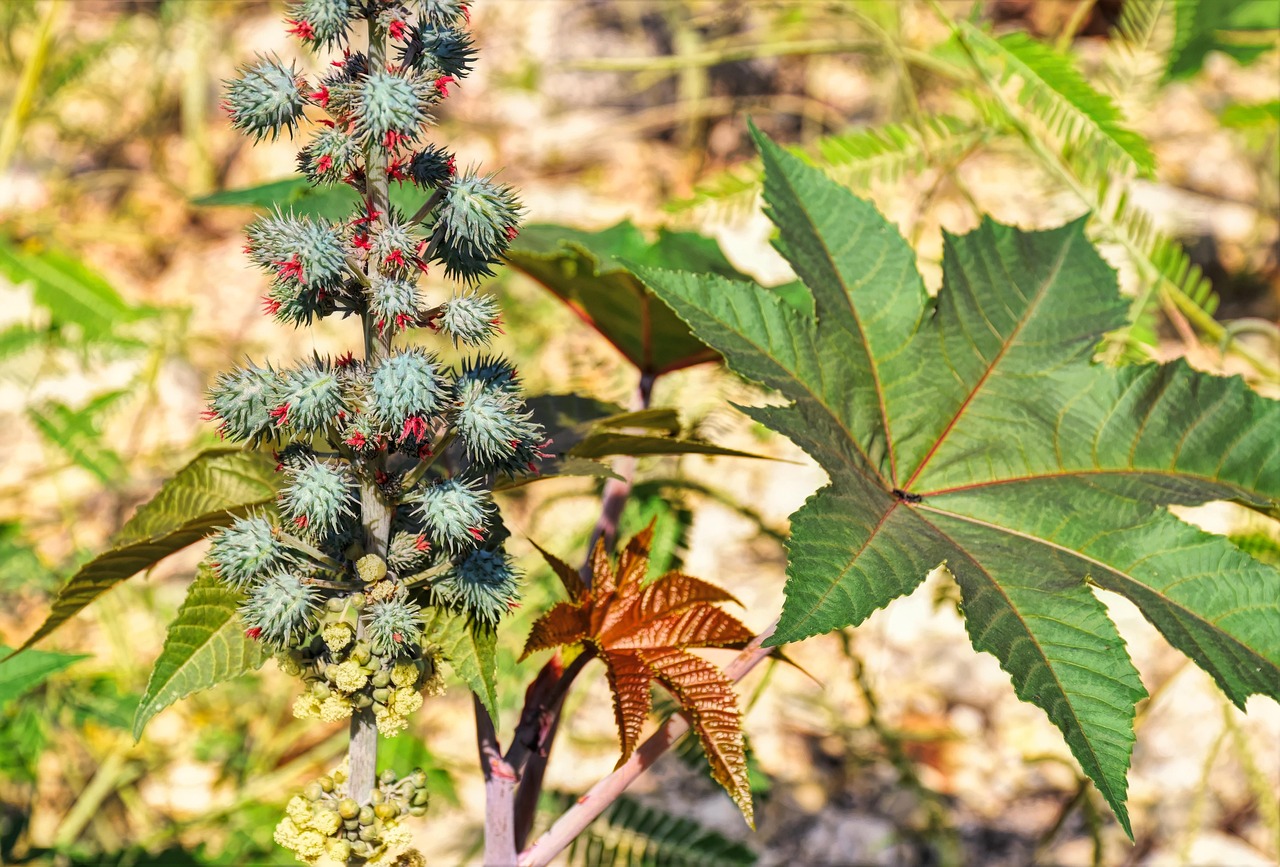
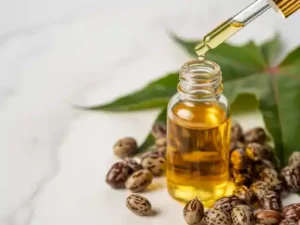
Castor oil is a vegetable oil derived from the seeds of the castor bean plant (Ricinus communis). It’s been used for centuries in traditional medicine, cosmetics, and industrial applications. The oil is distinctive for its high concentration of ricinoleic acid, a monounsaturated fatty acid that accounts for about 90% of its composition.
Key Properties of Castor Oil:
- Ricinoleic Acid: This unique fatty acid is believed to be responsible for many of castor oil’s purported benefits, including its anti-inflammatory and analgesic (pain-relieving) properties.
- Humectant: Castor oil is a humectant, meaning it draws moisture from the air into the skin, helping to keep it hydrated and plump.
- Antimicrobial: Some studies suggest ricinoleic acid possesses antimicrobial properties, which could be beneficial for skin health.
- Emollient: It has a thick, viscous consistency that forms a protective barrier on the skin, reducing water loss.
Given these properties, it’s easy to see why people might consider castor oil for various skin concerns, including the reduction of dark spots. The question remains: does castor oil remove dark spots directly, or are its benefits more indirect?
Does Castor Oil Remove Dark Spots? The Scientific Perspective
When directly addressing the question, “does castor oil remove dark spots?” the scientific consensus is clear: there is no strong scientific evidence or clinical research to definitively prove that castor oil directly removes or fades dark spots (hyperpigmentation).
Why the Misconception?
Despite the lack of direct evidence, the idea that castor oil can tackle dark spots persists, largely due to anecdotal reports and a misunderstanding of its properties. Here’s why people might believe it helps:
- Moisturizing Effects: Castor oil is an excellent moisturizer. Well-hydrated skin often looks healthier, smoother, and more radiant, which can subtly minimize the appearance of imperfections. If skin is dry and dull, dark spots might appear more prominent.
- Anti-inflammatory Properties: Ricinoleic acid has anti-inflammatory effects. For dark spots caused by post-inflammatory hyperpigmentation (PIH), reducing inflammation might theoretically prevent new spots from forming or reduce the redness associated with recent inflammation, which could be mistaken for fading. However, it doesn’t directly break down existing melanin.
- Promoting Cell Turnover (Indirectly): Some believe that by improving skin health and hydration, castor oil indirectly supports the skin’s natural cell turnover process. A faster cell turnover rate can help shed pigmented skin cells over time, but this is a slow and indirect mechanism, not a targeted dark spot treatment.
- Improved Skin Barrier: A healthy skin barrier can protect against environmental damage, including UV exposure, which is a primary cause of dark spots. By strengthening the skin barrier, castor oil might play a very minor, preventative role, but it won’t erase existing spots.
In essence, while castor oil offers various benefits for overall skin health, such as hydration and anti-inflammatory support, these properties are not potent enough to target and break down melanin deposits that form dark spots. It’s crucial to manage expectations when considering castor oil for this specific concern.
How to Use Castor Oil for Skin (If You Choose To)
If you’re still curious about incorporating castor oil into your skincare routine, perhaps for its moisturizing benefits or simply to see if it helps with overall skin tone, here’s how to use it safely and effectively:
Steps for Application:
- Perform a Patch Test: Before applying castor oil to a larger area, always perform a patch test. Apply a small amount to an inconspicuous area of your skin (e.g., behind the ear or inner forearm) and wait 24-48 hours to check for any signs of irritation, redness, itching, or allergic reaction.
- Cleanse Your Skin: Ensure your skin is clean and dry before application.
- Apply Sparingly: Castor oil is very thick. A little goes a long way. You can apply it directly to specific dark spots or mix a few drops with a lighter carrier oil (like jojoba, almond, or argan oil) or your regular moisturizer for easier spreadability.
- Massage Gently: Using your fingertips, gently massage the oil into your skin until absorbed.
- Frequency: You can apply castor oil once daily, typically in the evening, as its thick consistency might feel heavy during the day.
- Be Patient: If you’re hoping for any subtle improvements in skin texture or hydration, consistency over several weeks or months is key. Remember, significant dark spot removal is unlikely.
Important Considerations:
- Quality of Oil: Opt for cold-pressed, unrefined, hexane-free organic castor oil for the best quality and to avoid potential irritants.
- Avoid Eye Contact: Be careful not to get castor oil directly into your eyes.
- Clogged Pores: While not highly comedogenic for most, its thick nature could potentially clog pores for some individuals, especially those prone to acne. Monitor your skin for breakouts.
Potential Side Effects and Precautions
While castor oil is generally considered safe for topical use, it’s not without potential side effects, especially for sensitive skin types:
- Allergic Reactions: Redness, itching, rash, or swelling are possible, hence the importance of a patch test.
- Skin Irritation: Some individuals may experience mild irritation, particularly with prolonged use or on sensitive areas.
- Clogged Pores/Acne: Due to its thick consistency, castor oil can potentially clog pores for some individuals, leading to breakouts. If you’re acne-prone, use it cautiously or avoid it on affected areas.
- Photosensitivity: While castor oil itself isn’t known to cause photosensitivity, some natural oils can. It’s always wise to use sunscreen daily, especially when trying new products.
If you experience any adverse reactions, discontinue use immediately and consult a dermatologist.
Effective Alternatives for Removing Dark Spots
Since the answer to “does castor oil remove dark spots” is largely no, let’s explore ingredients and treatments that are scientifically proven to be effective for hyperpigmentation.
Topical Skincare Ingredients:
- Vitamin C (L-Ascorbic Acid): A powerful antioxidant that inhibits melanin production and brightens the skin.
- Niacinamide (Vitamin B3): Reduces the transfer of melanin to skin cells, improves skin barrier function, and has anti-inflammatory properties.
- Alpha Hydroxy Acids (AHAs) – Glycolic Acid, Lactic Acid: Exfoliate the skin, helping to shed pigmented cells and promote new, unpigmented skin cell growth.
- Retinoids (Retinol, Tretinoin): Increase cell turnover, reduce melanin production, and improve overall skin texture. Prescription retinoids (like Tretinoin) are more potent.
- Hydroquinone: A strong skin-lightening agent that inhibits melanin production. It’s highly effective but often used under dermatological supervision due to potential side effects and usage limits.
- Azelaic Acid: Has anti-inflammatory and mild exfoliating properties, and can inhibit melanin production, making it effective for PIH and melasma.
Professional Treatments:
- Chemical Peels: Dermatologist-administered peels use higher concentrations of acids to exfoliate the top layers of skin, revealing clearer skin underneath.
- Laser Therapy: Various types of lasers (e.g., Q-switched, Fraxel, PicoSure) can target and break down melanin deposits without damaging surrounding tissue. Highly effective for sun spots and certain types of melasma.
- Microdermabrasion: A minimally invasive procedure that uses a specialized device to gently exfoliate the outermost layer of skin, improving tone and texture.
The Most Crucial Step: Sun Protection!
Regardless of the treatment you choose, daily and consistent sun protection is non-negotiable. UV radiation is the primary trigger for hyperpigmentation and can worsen existing dark spots, making any treatment less effective. Always use a broad-spectrum sunscreen with an SPF of 30 or higher, even on cloudy days, and reapply every two hours when outdoors.
Recommended Products
Organic Cold-Pressed Castor Oil
For those interested in exploring the general moisturizing and anti-inflammatory benefits of castor oil, opt for a high-quality, hexane-free, organic variant.
Vitamin C Serum for Face
A powerful antioxidant known to brighten skin tone, reduce dark spots, and protect against environmental damage. A must-have for hyperpigmentation.
Niacinamide Serum
Excellent for reducing the appearance of dark spots and redness, improving skin barrier function, and evening out skin tone.
Broad-Spectrum Sunscreen SPF 50
The ultimate defense against dark spots and premature aging. Choose a broad-spectrum formula for protection against UVA and UVB rays.
Frequently Asked Questions About Castor Oil and Dark Spots
Q1: How long does it take for castor oil to work on dark spots?
A1: Given the lack of scientific evidence that castor oil directly removes dark spots, it’s highly unlikely you will see significant results, regardless of how long you use it. Any perceived improvement would likely be due to overall skin hydration making the skin appear healthier, not direct melanin reduction. For visible results on dark spots, proven ingredients and treatments typically take weeks to months of consistent use.
Q2: Can I mix castor oil with other ingredients for dark spots?
A2: While you can mix castor oil with other carrier oils (like jojoba or almond oil) to dilute its thick consistency, mixing it with active ingredients known to treat dark spots (like Vitamin C serum or Niacinamide) will not necessarily boost castor oil’s efficacy in removing spots. It’s generally better to use proven dark spot treatments as directed and castor oil separately for its moisturizing benefits if desired.
Q3: Is castor oil safe for all skin types, especially sensitive skin?
A3: Castor oil is generally considered safe for most skin types, but it’s crucial to perform a patch test first, especially if you have sensitive or acne-prone skin. Its thick consistency can feel heavy, and some individuals may experience irritation or clogged pores. If you have very sensitive skin, introduce it slowly or consider alternative gentle moisturizers.
Q4: What is the best type of castor oil for skin applications?
A4: For topical use on skin, opt for cold-pressed, unrefined, and hexane-free organic castor oil. Cold-pressing preserves the beneficial compounds, unrefined means it hasn’t been chemically processed, and hexane-free ensures no residual solvents from the extraction process. Jamaican Black Castor Oil is also popular but is roasted before pressing, which can alter some properties, though it’s still good for general use.
Q5: Does castor oil make dark spots worse?
A5: There is no evidence to suggest that castor oil directly makes dark spots worse. However, if you experience an allergic reaction or irritation from using castor oil, the subsequent inflammation could potentially lead to post-inflammatory hyperpigmentation (PIH), which would create new dark spots. This is why a patch test is vital.
Q6: Can castor oil remove old dark spots?
A6: Old dark spots, which are deeply embedded melanin deposits, are generally more challenging to treat than newer ones. Castor oil, lacking direct melanin-reducing properties, is highly unlikely to remove old dark spots. For persistent or old dark spots, a dermatologist can recommend more effective solutions like prescription retinoids, hydroquinone, chemical peels, or laser treatments.
Conclusion
In conclusion, while castor oil boasts impressive moisturizing, anti-inflammatory, and antimicrobial properties that can contribute to overall skin health, the direct answer to “does castor oil remove dark spots?” is unfortunately no. Scientific evidence does not support its ability to directly break down or fade hyperpigmentation caused by melanin deposits. Its benefits for dark spots are, at best, indirect and minimal, by potentially improving skin hydration and reducing inflammation.
For individuals earnestly seeking to diminish dark spots, focusing on scientifically proven ingredients like Vitamin C, Niacinamide, AHAs, Retinoids, or Hydroquinone, alongside professional treatments such as chemical peels and laser therapy, will yield much more effective and predictable results. Above all, consistent daily sun protection with a broad-spectrum SPF 30+ sunscreen is the most critical step in preventing new dark spots and worsening existing ones. Always remember to consult with a dermatologist to determine the best course of action for your specific skin concerns and achieve that radiant, even-toned complexion you desire.