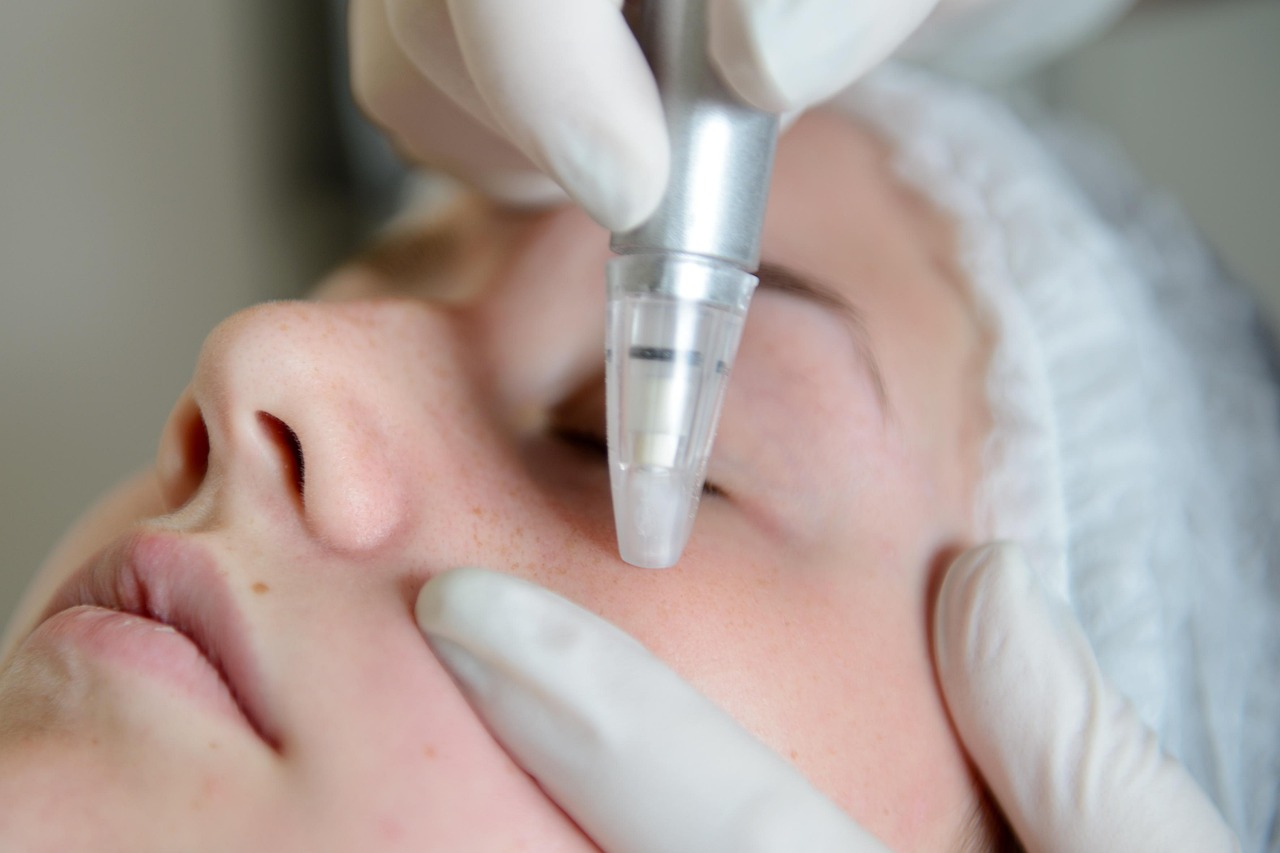
Dark spots, scientifically known as hyperpigmentation, can be a persistent source of frustration for many. Whether they stem from sun exposure, acne scars, or hormonal changes, these unwelcome blemishes can make your complexion appear uneven and dull. In the quest for clearer, brighter skin, various treatments emerge, and one that frequently captures attention is microdermabrasion.
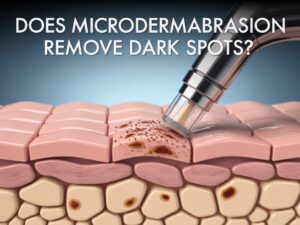
But the burning question remains Does microdermabrasion remove dark spots effectively If you’ve been pondering this popular aesthetic procedure for your hyperpigmentation concerns, you’re in the right place. This comprehensive guide will delve deep into how microdermabrasion works, its effectiveness in tackling various types of dark spots, what to expect from treatments, and practical advice to help you achieve a more radiant complexion. Let’s uncover the truth about microdermabrasion and dark spot removal.
Understanding Dark Spots and Hyperpigmentation
Before we explore the solution, it’s crucial to understand the problem. Dark spots are areas of the skin where excess melanin—the pigment that gives skin its color—has been produced and deposited. This overproduction can be triggered by several factors:
- Post-Inflammatory Hyperpigmentation (PIH): Often a lingering reminder of acne, eczema, or other skin injuries.
- Sun Spots (Solar Lentigines): Caused by prolonged sun exposure, commonly appearing on areas like the face, hands, and chest.
- Melasma: A more stubborn form of hyperpigmentation characterized by patchy dark areas, often linked to hormonal fluctuations (e.g., pregnancy, birth control) and sun exposure.
The depth and type of these dark spots significantly influence how effectively they can be treated, including with microdermabrasion.
What Exactly is Microdermabrasion?
Microdermabrasion is a minimally invasive cosmetic procedure that uses a specialized applicator to gently exfoliate the outermost layer of dead skin cells. There are two primary types:
- Crystal Microdermabrasion: Fine crystals (aluminum oxide or sodium bicarbonate) are sprayed onto the skin to abrade the surface, then immediately vacuumed away along with dead skin cells.
- Diamond-Tip Microdermabrasion: A diamond-tipped wand is moved across the skin to exfoliate, and the dead skin cells are simultaneously suctioned off.
Both methods aim to reveal a fresher, smoother layer of skin underneath. This process stimulates cell turnover, encourages collagen production, and improves overall skin texture and tone.
Does Microdermabrasion Remove Dark Spots? The Direct Answer
Yes, microdermabrasion can help reduce the appearance of certain types of dark spots, especially those that are superficial. By physically removing the uppermost layers of skin that contain excess pigment, it helps to lighten and fade hyperpigmentation over time. However, it’s not a magic eraser, and its effectiveness varies:
- Superficial Dark Spots (e.g., mild sun spots, recent PIH): Microdermabrasion is generally most effective for these. Multiple sessions can significantly lighten these spots, leading to a more even skin tone.
- Deeper Dark Spots (e.g., older, deeper sun spots, severe PIH): While it can still offer some improvement, deeper pigmentation may require more sessions or a combination of treatments for optimal results.
- Melasma: This is a complex form of hyperpigmentation that can be tricky. Microdermabrasion can be part of a comprehensive treatment plan for melasma, but it must be performed cautiously. Aggressive exfoliation can sometimes worsen melasma by stimulating melanocytes (pigment-producing cells). It’s crucial to consult with a dermatologist if you have melasma.
So, while it doesn’t “remove” dark spots in a single session, it definitely contributes to their fading and improvement, making it a viable option for many seeking microdermabrasion dark spot removal.
The Benefits of Microdermabrasion for Hyperpigmentation
Beyond simply addressing dark spots, microdermabrasion offers several advantages that contribute to healthier, more radiant skin, making it a popular choice for microdermabrasion for hyperpigmentation:
- Exfoliation: Removes dead skin cells, allowing brighter skin to surface.
- Increased Cell Turnover: Promotes the growth of new, healthy skin cells.
- Improved Product Absorption: After treatment, your skincare products (especially those targeting hyperpigmentation) can penetrate more effectively.
- Stimulates Collagen Production: Can lead to firmer, more youthful-looking skin.
- Minimal Downtime: Unlike more aggressive procedures, microdermabrasion typically requires little to no recovery time.
- Non-Invasive: A gentler alternative to chemical peels or laser treatments for superficial concerns.
What to Expect: Treatment Process and Results
Before Your Session
A consultation with a qualified dermatologist or aesthetician is vital. They will assess your skin type, the nature of your dark spots, and determine if microdermabrasion is the right treatment for you. Discuss any medications you’re taking or skin conditions you have.
During the Procedure
The procedure is relatively quick, typically lasting 30-60 minutes. Your skin will be cleansed, and then the microdermabrasion device will be gently passed over the treatment area. You might feel a mild scratching sensation and suction, but it should not be painful.
Aftercare and Results
Immediately after, your skin may appear slightly pink or flushed, similar to a mild sunburn. This usually subsides within a few hours. Sun protection is paramount post-treatment, as your newly exposed skin is more vulnerable to UV damage, which can worsen existing dark spots or create new ones. Use a broad-spectrum SPF 30+ daily.
For optimal dark spot removal, a series of treatments is usually recommended, typically 5-12 sessions spaced 2-4 weeks apart. You’ll likely notice gradual improvement in skin texture and tone, with dark spots progressively fading with each session.
Risks and Considerations
While generally safe, microdermabrasion does have potential risks, especially if not performed correctly or if you have sensitive skin:
- Temporary Redness and Swelling: Common and usually resolves quickly.
- Sensitivity: Skin may feel more sensitive to products or environmental factors.
- Bruising: Rare, but can occur from excessive suction.
- Exacerbation of Melasma: As mentioned, aggressive treatment can sometimes trigger or worsen melasma.
- Infection: Very rare, but possible if tools are not properly sanitized.
Always choose a reputable clinic with experienced professionals to minimize risks.
At-Home Microdermabrasion Devices: A Viable Alternative?
Many at-home microdermabrasion kits and devices are available. While these can offer a gentler exfoliation and may contribute to overall skin brightening, they are generally less powerful and effective than professional treatments. They can help with very mild, superficial dark spots and improve skin texture, but for significant hyperpigmentation, professional sessions are usually required. Always follow manufacturer instructions carefully and avoid over-exfoliation, which can damage your skin barrier.
Recommended Products for Post-Microdermabrasion Care
Proper aftercare is crucial for maximizing results and protecting your newly revealed skin, especially when targeting dark spots. These products are generally beneficial for maintaining skin health and preventing future hyperpigmentation, complementing your microdermabrasion efforts.
EltaMD UV Clear Broad-Spectrum SPF 46
A highly recommended, lightweight, oil-free sunscreen with zinc oxide and niacinamide, perfect for sensitive and acne-prone skin post-treatment. Essential for preventing new dark spots.
Vanicream Moisturizing Lotion
A gentle, fragrance-free, dye-free, and paraben-free moisturizer ideal for soothing and hydrating sensitive skin after exfoliation, without irritation.
La Roche-Posay Toleriane Purifying Foaming Cleanser
A mild, soap-free cleanser that effectively removes impurities without stripping the skin’s natural moisture barrier, perfect for post-treatment cleansing.
Frequently Asked Questions About Microdermabrasion and Dark Spots
How many microdermabrasion sessions are needed to see results for dark spots?
Typically, a series of 5-12 sessions spaced 2-4 weeks apart is recommended for noticeable improvement in dark spots. The exact number depends on the depth and type of hyperpigmentation, as well as individual skin response. Consistency is key for effective microdermabrasion for dark spot removal.
Is microdermabrasion painful?
No, microdermabrasion is generally not painful. Most individuals describe the sensation as a gentle scratching or a mild pulling from the suction, similar to a cat licking your skin. Some minor discomfort might be felt on more sensitive areas, but it should not be severe.
Can microdermabrasion worsen dark spots, especially melasma?
While rare, aggressive microdermabrasion, especially on sensitive skin or for deeper conditions like melasma, can potentially cause inflammation that triggers an increase in pigmentation. This is why it’s crucial to have the procedure performed by a trained professional who can adjust the intensity to your skin’s needs, particularly when dealing with microdermabrasion for hyperpigmentation.
How long does the redness last after a microdermabrasion treatment?
Mild redness, similar to a light sunburn, is common immediately after microdermabrasion. This typically subsides within a few hours to a day. For those with very sensitive skin, it might last slightly longer, but rarely extends beyond 24-48 hours.
Can I combine microdermabrasion with other treatments for dark spots?
Yes, microdermabrasion is often combined with other treatments like chemical peels, topical brightening serums (e.g., those containing vitamin C, niacinamide, or retinoids), or even certain laser treatments for enhanced dark spot removal. Always consult your dermatologist to create a safe and effective combined treatment plan tailored to your skin concerns.
Are there any specific dark spots microdermabrasion can’t treat?
Microdermabrasion is less effective for very deep or stubborn dark spots, such as dermal melasma (where pigment is in the deeper layers of the skin) or very old, entrenched sun spots. For these, more intensive treatments like deeper chemical peels, fractional lasers, or prescription-strength topical agents might be necessary.
Conclusion: A Step Towards Brighter Skin
So, does microdermabrasion remove dark spots? The answer is a qualified yes. It’s an effective treatment for improving the appearance of superficial dark spots, enhancing skin texture, and promoting an overall brighter complexion. While it may not erase every single spot in one go, especially deeper or more complex hyperpigmentation like melasma, it serves as a valuable tool in the journey towards clearer skin.
Remember that consistency, proper aftercare—especially diligent sun protection—and realistic expectations are crucial for achieving the best results. Always consult with a skincare professional to determine if microdermabrasion is the right choice for your specific dark spot concerns and to devise a personalized treatment plan. With the right approach, you can significantly diminish those unwelcome marks and reveal the radiant skin you desire.
“`