
Dark spots, medically known as hyperpigmentation, are a common skin concern that can affect individuals of all skin types and tones. Whether they manifest as sun spots, age spots, melasma, or post-inflammatory hyperpigmentation, these persistent marks can significantly impact one’s confidence and the overall appearance of their complexion. The quest for clear, even-toned skin often leads many to seek expert advice, and for good reason. Understanding the root causes and effective treatments is the first step towards achieving a brighter, more uniform skin tone.
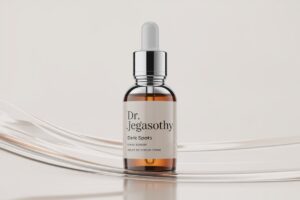
This comprehensive guide delves into the world of Dr. Jegasothy dark spots solutions, drawing upon the principles and advanced dermatological strategies that experts like her advocate. We’ll explore everything from the science behind hyperpigmentation to cutting-edge treatments and practical daily routines. If you’re tired of seeing those stubborn spots, prepare to uncover valuable insights on prevention, topical remedies, in-office procedures, and lifestyle adjustments that can help you reclaim a luminous and flawless complexion. Let’s embark on this journey to understand and conquer dark spots with expert-backed knowledge.
Understanding Dark Spots: What Are They and Why Do They Appear?
Dark spots are essentially areas of the skin where excess melanin, the pigment responsible for skin color, has been produced and deposited. This overproduction of melanin can be triggered by various factors, leading to different types of hyperpigmentation. Understanding these distinctions is crucial for effective treatment, a principle that Dr. Jegasothy’s approach to dark spots strongly emphasizes.
Common Types of Hyperpigmentation
- Sun Spots (Lentigines): Often called “age spots” or “liver spots,” these flat, oval areas of increased pigmentation appear on sun-exposed skin, primarily the face, hands, and décolletage. They are a direct result of cumulative UV exposure over time.
- Melasma: This type of hyperpigmentation is characterized by symmetrical, splotchy brown or grayish-brown patches, most commonly on the face (cheeks, forehead, upper lip, chin). Melasma is often linked to hormonal fluctuations (pregnancy, birth control pills) combined with sun exposure. It’s notoriously challenging to treat.
- Post-Inflammatory Hyperpigmentation (PIH): PIH occurs after skin inflammation or injury, such as acne breakouts, eczema, psoriasis, or even minor cuts and burns. As the skin heals, it produces excess melanin in response, leaving a dark mark where the lesion once was.
- Post-Inflammatory Erythema (PIE): While not strictly dark spots, PIE refers to persistent red or pink marks left after inflammatory acne. These are due to damaged capillaries and are often confused with PIH, but require different treatment approaches.
The Science Behind Melanin Overproduction
At the cellular level, dark spots are formed when melanocytes, specialized cells in the skin, produce too much melanin. This melanin then travels to the upper layers of the skin, becoming visible as a dark spot. Triggers for this overproduction include:
- UV Radiation: The most significant culprit. UV rays stimulate melanocytes to produce melanin as a protective response, leading to sun spots and worsening other forms of hyperpigmentation.
- Inflammation: As seen in PIH, any trauma or inflammation to the skin can trigger melanocytes to go into overdrive during the healing process.
- Hormonal Changes: Estrogen and progesterone play a crucial role in melasma, especially when combined with sun exposure.
- Certain Medications: Some drugs can cause photosensitivity or trigger hyperpigmentation as a side effect.
Dr. Jegasothy’s Philosophy on Dark Spot Treatment: A Holistic Approach
While specific protocols may vary, leading dermatologists like Dr. Jegasothy advocate for a multi-faceted and personalized approach to dark spots. This philosophy typically involves a combination of prevention, topical treatments, and in-office procedures, all tailored to the individual’s skin type, the type of hyperpigmentation, and their lifestyle. The core tenets include:
- Accurate Diagnosis: Not all dark spots are created equal. A proper dermatological assessment is vital to distinguish between different types of hyperpigmentation and rule out more serious conditions.
- Consistent Prevention: Emphasizing sun protection as the cornerstone of any dark spot regimen.
- Combination Therapy: Utilizing multiple modalities (e.g., a combination of different active ingredients or a topical treatment alongside a procedure) often yields the best results.
- Patience and Persistence: Fading dark spots is a marathon, not a sprint. Consistent effort over several weeks or months is required.
Prevention is Key: Shielding Your Skin from Hyperpigmentation
Before diving into treatments, it’s paramount to understand that prevention is the most effective strategy against new Dr. Jegasothy dark spots and the worsening of existing ones.
The Non-Negotiable Step: Sun Protection
This cannot be stressed enough. Sun protection is the single most important factor in preventing and managing hyperpigmentation.
- Daily Broad-Spectrum Sunscreen: Apply a sunscreen with an SPF of 30 or higher, broad-spectrum protection (UVA/UVB), every single day, rain or shine. Reapply every two hours when outdoors or after sweating/swimming.
- Seek Shade: Avoid peak sun hours (typically 10 AM to 4 PM) when UV radiation is strongest.
- Protective Clothing: Wear wide-brimmed hats, sunglasses, and UPF (Ultraviolet Protection Factor) clothing to physically block UV rays.
Beyond Sunscreen: Other Preventative Measures
- Avoid Picking and Squeezing: Any manipulation of acne or skin lesions can lead to inflammation and subsequent PIH. Let your skin heal naturally or treat blemishes gently.
- Manage Inflammation: If you have conditions like acne or eczema, managing them effectively can prevent the inflammatory response that leads to dark spots.
- Gentle Skincare: Over-exfoliating or using harsh products can compromise the skin barrier and lead to irritation, which can in turn cause PIH.
Effective Topical Treatments for Dr. Jegasothy Dark Spots
For existing dark spots, a range of topical ingredients can help lighten and fade them by inhibiting melanin production or promoting skin cell turnover. These are often the first line of defense recommended by dermatologists for Dr. Jegasothy dark spots treatment.
Over-the-Counter (OTC) Ingredients
- Vitamin C (L-Ascorbic Acid): A powerful antioxidant that inhibits tyrosinase (an enzyme essential for melanin production) and brightens the overall complexion.
- Niacinamide (Vitamin B3): Reduces the transfer of melanin from melanocytes to skin cells and has anti-inflammatory properties, making it great for PIH.
- Alpha Arbutin/Kojic Acid: These ingredients directly inhibit tyrosinase activity, similar to hydroquinone but often with less irritation.
- Azelaic Acid: Possesses anti-inflammatory and antibacterial properties, and also helps to inhibit tyrosinase, making it effective for acne-related PIH and melasma.
- AHAs (Alpha Hydroxy Acids) – Glycolic Acid, Lactic Acid: Exfoliate the top layer of skin, helping to shed pigmented cells and improve overall texture.
Prescription-Strength Options
- Hydroquinone: Considered the gold standard for treating hyperpigmentation, hydroquinone works by inhibiting tyrosinase and killing melanin-producing cells. It’s highly effective but should be used under dermatological supervision due to potential side effects and the need for cyclical use.
- Retinoids (Tretinoin, Retinol): These vitamin A derivatives increase cell turnover, helping to shed pigmented cells more quickly. Tretinoin (prescription) is more potent than OTC retinol. They also help improve skin texture and reduce fine lines.
- Corticosteroids: Sometimes used in combination with other ingredients (e.g., in a “triple therapy” cream with hydroquinone and a retinoid) to reduce inflammation, especially in melasma.
In-Office Procedures for Stubborn Dark Spots
When topical treatments aren’t enough, dermatologists like Dr. Jegasothy may recommend in-office procedures for more rapid and dramatic improvement of Dr. Jegasothy dark spots.
Advanced Dermatological Interventions
- Chemical Peels: Controlled exfoliation using higher concentrations of acids (e.g., glycolic, salicylic, TCA) to remove layers of pigmented skin. Multiple sessions are usually required, and downtime varies based on peel depth.
- Laser Therapy:
- IPL (Intense Pulsed Light): Targets pigment, effective for sun spots and freckles. Not suitable for melasma or darker skin tones due to risk of worsening hyperpigmentation.
- PicoSure/Q-switched Lasers: Deliver ultra-short pulses of energy to shatter pigment without much heat, making them safer for all skin types, especially for melasma and PIH.
- Fractional Lasers (e.g., Fraxel): Create microscopic channels in the skin, stimulating collagen production and shedding pigmented cells. Effective for deeper hyperpigmentation and textural concerns.
- Microneedling: Creates controlled micro-injuries in the skin, which can help break up pigment and deliver active ingredients deeper into the skin. Often combined with topical serums or PRP (Platelet-Rich Plasma).
- Cryotherapy: Freezing individual dark spots with liquid nitrogen. Best for isolated sun spots and should be performed by an experienced professional to avoid hypopigmentation.
A consultation with a board-certified dermatologist is crucial to determine the most appropriate procedure for your specific type of dark spot and skin type, minimizing risks and maximizing results.
Building Your Dark Spot-Fighting Skincare Routine
Consistency is key when tackling Dr. Jegasothy dark spots. A well-structured daily routine can significantly contribute to fading existing spots and preventing new ones.
Morning Routine: Protect and Prevent
- Gentle Cleanser: Start with a mild cleanser to remove overnight buildup without stripping the skin.
- Antioxidant Serum (Vitamin C): Apply a Vitamin C serum to provide antioxidant protection against environmental damage and help brighten skin.
- Targeted Treatment (Optional): If using an OTC brightening serum (e.g., Niacinamide, Alpha Arbutin), apply it before moisturizer.
- Moisturizer: Hydrate your skin, which helps maintain a healthy skin barrier.
- Broad-Spectrum SPF 30+: The most critical step. Apply generously and reapply throughout the day.
Evening Routine: Treat and Renew
- Double Cleanse (Optional but Recommended): Remove makeup and sunscreen thoroughly with an oil-based cleanser, followed by a water-based cleanser.
- Targeted Treatment (Retinoid/Hydroquinone): Apply your prescribed or OTC retinoid, or a hydroquinone product as directed by your dermatologist. Start slowly to build tolerance.
- Hydrating Serum (Hyaluronic Acid): If your skin feels dry from treatments, a hydrating serum can help.
- Rich Moisturizer: Lock in moisture and support skin repair overnight.
Always introduce new active ingredients slowly, one at a time, to monitor your skin’s reaction. Consult your dermatologist for personalized advice on combining different actives.
Recommended Products for Managing Dark Spots
Incorporating dermatologist-recommended ingredients into your daily routine is crucial for managing Dr. Jegasothy dark spots. Here are categories of products often suggested, focusing on key active ingredients. Remember to always choose products suitable for your skin type and consult a professional for personalized advice.
Broad-Spectrum SPF 50+ Sunscreen
Essential for preventing new dark spots and protecting existing ones from worsening. Look for mineral or chemical formulations that offer both UVA and UVB protection.
Potent Vitamin C Serum
An antioxidant powerhouse that helps brighten skin, inhibit melanin production, and protect against free radical damage. Apply in the morning.
Niacinamide Serum
Helps reduce inflammation, improve skin barrier function, and can significantly decrease the appearance of dark spots by reducing melanin transfer.
Retinol Cream/Serum
Promotes cell turnover, helping to shed pigmented skin cells and reveal brighter, newer skin. Start with a lower concentration and gradually increase as tolerated.
Gentle Hydrating Cleanser
A non-stripping cleanser maintains a healthy skin barrier, which is vital when using active ingredients that can sometimes cause dryness or irritation.
Frequently Asked Questions About Dr. Jegasothy Dark Spots
Q1: Can dark spots ever be completely removed?
While it’s possible to significantly fade and dramatically improve the appearance of most dark spots, complete “removal” without any trace can be challenging, especially for deep-seated melasma. The goal, as often highlighted by experts like Dr. Jegasothy for dark spots, is to achieve a clear, even-toned complexion where the spots are virtually unnoticeable. Consistent prevention and treatment are key to maintaining results.
Q2: How long does it take to see results from dark spot treatments?
Patience is paramount. For topical treatments, it typically takes 8-12 weeks of consistent use to start seeing noticeable improvement, with more significant results appearing after 3-6 months. In-office procedures can yield faster results, sometimes within a few weeks after treatment, but often require multiple sessions and downtime. The timeline largely depends on the type and depth of the dark spot.
Q3: Are natural remedies effective for dark spots?
Some natural ingredients like licorice root extract, turmeric, and aloe vera have anecdotal evidence or limited scientific backing for their brightening properties. However, their efficacy is generally much lower than scientifically proven ingredients like hydroquinone, retinoids, or Vitamin C. While they might offer mild benefits, dermatologists typically recommend evidence-based treatments for significant results.
Q4: What is the most important step in preventing dark spots?
Unquestionably, daily and consistent sun protection. UV radiation is the primary trigger for most types of hyperpigmentation and can worsen existing spots. Using a broad-spectrum sunscreen with SPF 30+ every day, along with seeking shade and wearing protective clothing, is the single most impactful preventative measure, a cornerstone of any strategy for managing Dr. Jegasothy dark spots.
Q5: Can diet affect dark spots?
While diet doesn’t directly cause or cure dark spots, a diet rich in antioxidants (from fruits, vegetables) can support overall skin health and its ability to repair damage. Conversely, a diet high in processed foods and sugar can contribute to inflammation, which might indirectly worsen conditions like acne that lead to PIH. However, diet is generally considered a supportive factor, not a primary treatment or cause.
Q6: Is it safe to use multiple dark spot treatments at once?
Combining treatments can often be more effective, but it must be done cautiously and preferably under the guidance of a dermatologist. Over-combining active ingredients can lead to irritation, redness, and even worsen hyperpigmentation. A dermatologist can help create a safe and effective regimen, ensuring ingredients complement each other without causing adverse reactions, aligning with the personalized care advised by experts like Dr. Jegasothy for dark spots.
Conclusion: Your Path to Clearer Skin with Dr. Jegasothy’s Insights
Navigating the complexities of dark spots can feel overwhelming, but with the right knowledge and a strategic approach, achieving a clearer, more radiant complexion is entirely possible. As we’ve explored, effectively tackling Dr. Jegasothy dark spots or any form of hyperpigmentation requires understanding their causes, committing to rigorous prevention, and utilizing a combination of targeted topical treatments and, when necessary, professional in-office procedures.
Remember that consistency, patience, and diligent sun protection are the cornerstones of any successful dark spot regimen. While the journey to even-toned skin may require time and dedication, the rewards of improved confidence and healthier-looking skin are well worth the effort. Always prioritize consulting a board-certified dermatologist who can provide a precise diagnosis and tailor a treatment plan specifically for your skin type and concerns, much like the personalized care championed by experts such as Dr. Jegasothy. Take the first step today towards unveiling your most luminous skin yet!
“`