
Are you tired of uneven skin tone and struggling to find the perfect solution for those stubborn dark spots? You’re not alone. Dark spots, hyperpigmentation, and acne scars are common concerns that can impact self-confidence. While skincare treatments work to diminish them over time, sometimes you need an immediate fix and that’s where the right foundation to cover dark spots comes into play.
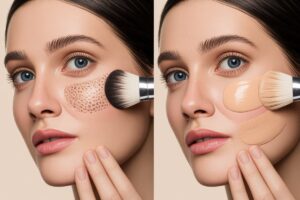
Choosing the ideal foundation isn’t just about shade matching; it’s about finding a formula that provides adequate coverage without looking heavy or cakey, while also being kind to your skin. In this comprehensive guide, we’ll dive deep into everything you need to know about selecting and applying foundation to cover dark spots effectively. We’ll explore key features to look for, the magic of color correction, step-by-step application techniques, and even recommend some top products to help you achieve a truly flawless complexion. Get ready to transform your makeup routine and embrace radiant, even-toned skin!
Understanding Dark Spots and Hyperpigmentation
Before we jump into coverage, it’s helpful to understand what dark spots are and why they appear. Dark spots, medically known as hyperpigmentation, are areas of skin that become darker than the surrounding skin. This occurs when there’s an overproduction of melanin, the pigment that gives skin its color.
Common causes include:
- Sun Exposure: Prolonged exposure to UV rays triggers melanin production, leading to sunspots or age spots.
- Post-Inflammatory Hyperpigmentation (PIH): This occurs after skin inflammation or injury, such as acne breakouts, eczema, or even minor cuts. The skin responds by producing excess melanin.
- Hormonal Changes: Conditions like melasma are often triggered by hormonal fluctuations, common during pregnancy or when using certain medications.
- Medications: Some drugs can cause increased pigmentation as a side effect.
Traditional light-to-medium coverage foundations often struggle with these areas because they lack the pigment density or staying power needed to effectively neutralize and conceal the discoloration. This is why a targeted approach with the right foundation to cover dark spots is essential.
The Science of Coverage: How Foundation Works on Dark Spots
A good foundation for hyperpigmentation doesn’t just sit on top of your skin; it works by creating an even canvas. The effectiveness of a foundation in covering dark spots relies on several factors:
- Pigment Density: High-coverage foundations contain a greater concentration of pigment particles. These particles create an opaque layer that visually blocks the dark spot from showing through.
- Light Reflection: The finish of the foundation also plays a role. Matte or natural matte finishes tend to absorb light, which can help camouflage texture and discoloration more effectively than very dewy finishes that might highlight unevenness.
- Layering Ability: The best foundations for covering dark spots can be built up in thin layers without looking cakey. This allows you to add more coverage precisely where it’s needed without overdoing it on other areas.
When selecting your foundation to cover dark spots, think of it as an artist choosing paint – you need the right consistency and opacity for the desired effect.
Key Features to Look for in a Foundation To Cover Dark Spots
To ensure you get the best results, keep these crucial features in mind when shopping for your ideal full coverage foundation for dark spots:
Coverage Level: Full is Your Friend
For noticeable dark spots, full coverage foundation is non-negotiable. It provides the necessary opacity to neutralize discoloration. Don’t confuse full coverage with heavy or cakey; modern formulas are designed to offer maximum coverage with a lightweight feel.
Finish: Natural Matte or Satin for Seamless Blending
While dewy foundations are beautiful, a natural matte or satin finish often works best for concealing dark spots. These finishes tend to minimize the appearance of texture and prevent dark spots from peeking through due to light reflection. Avoid overly luminous or glittery foundations as they can draw attention to imperfections.
Longevity: Long-Wear is Essential
You want your coverage to last all day. Look for formulas labeled “long-wear,” “24-hour,” or “transfer-proof.” These foundations are formulated to resist fading, smudging, and settling into fine lines, ensuring your dark spots stay covered from morning to night.
Ingredients: Skin-Friendly and Non-Comedogenic
If your dark spots are a result of acne or you have sensitive skin, prioritize foundations that are non-comedogenic (won’t clog pores) and free from common irritants like fragrance and parabens. Some foundations even include beneficial ingredients like SPF, antioxidants, or skin-brightening components, which can be a bonus for preventing future spots.
Shade Matching: The Ultimate Game Changer
This is perhaps the most critical step. A foundation that’s too light or too dark will actually highlight your dark spots rather than conceal them. It’s vital to match the foundation to your skin’s undertone (cool, warm, neutral) and your natural skin tone. If you have significant hyperpigmentation, sometimes matching to your neck or chest can help achieve a more seamless blend.
Color Correcting: The Secret Weapon Before Foundation
For particularly stubborn or deep-toned dark spots, color correcting for dark spots is a game-changer. Color correctors work on the principle of the color wheel, where opposite colors neutralize each other.
Here’s how to choose the right corrector:
- Orange/Peach Correctors: Ideal for medium to dark skin tones to neutralize blue, grey, or purple dark spots (like under-eye circles or deep hyperpigmentation).
- Yellow Correctors: Best for light to medium skin tones to neutralize purple or blue tones.
- Green Correctors: Used to counteract redness (e.g., from acne scars or rosacea). While not directly for dark spots, it’s useful if you have red marks alongside dark spots.
How to Apply: Apply a very thin layer of corrector only to the dark spot using a small brush or your fingertip. Gently tap to blend the edges without rubbing away the product. Let it set for a moment before moving on to foundation.
Step-by-Step Application Guide for Flawless Coverage
Achieving a seamless finish with your makeup for uneven skin tone requires a methodical approach. Follow these steps for expert-level coverage:
- Prepare Your Skin: Start with a clean, moisturized face. Hydrated skin creates a smoother canvas and helps foundation blend better. Follow with a good primer. A gripping or blurring primer can help fill in texture and extend wear.
- Color Correct (If Needed): As discussed, apply your chosen color corrector sparsely on the dark spots. Blend gently.
- Apply Foundation:
- Start with a small amount of your chosen foundation to cover dark spots. You can always add more.
- Apply with a damp beauty sponge, foundation brush, or your fingertips. A sponge often provides a more natural, skin-like finish and can help press the product into the skin.
- Begin applying from the center of your face and blend outwards. For areas with dark spots, gently dab or stipple the foundation rather than rubbing, to build coverage.
- Focus on building coverage over the dark spots in thin layers until they are adequately concealed.
- Conceal (Spot Treatment): For any spots that still peek through, use a full-coverage concealer that matches your foundation shade. Apply a tiny dot directly onto the spot and gently tap with your finger or a small brush to blend the edges.
- Set Your Makeup: Lightly dust a translucent setting powder over your entire face, focusing on the T-zone and any areas where you applied extra coverage. This helps to lock everything in place and prevent creasing. Finish with a setting spray for extra longevity.
Pros and Cons of Using Full Coverage Foundation for Dark Spots
While an excellent solution, it’s good to be aware of both sides of using a full coverage foundation for dark spots.
Pros:
- Immediate Confidence Boost: Instantly evens out skin tone, providing a flawless look.
- Versatile for Various Concerns: Not just for dark spots, it can also cover redness, blemishes, and other imperfections.
- Protective Layer: Some foundations offer SPF, adding an extra layer of sun protection, which is crucial for preventing new dark spots.
- Long-Lasting: Many full-coverage formulas are designed for extended wear, keeping your skin looking uniform throughout the day.
Cons:
- Can Feel Heavy: Some formulas might feel less breathable than lighter coverage options, especially in warm climates.
- Potential for Caking: Improper application or too much product can lead to a heavy, unnatural, or cakey appearance.
- Finding the Right Match is Crucial: A slight mismatch in shade or undertone is more noticeable with full coverage.
- Requires Proper Removal: Thorough cleansing is essential at the end of the day to prevent clogged pores and skin issues.
Tips for Maintaining Healthy Skin While Using Foundation
Using foundation to cover dark spots doesn’t mean neglecting your skin’s health. In fact, it becomes even more important to maintain a diligent skincare routine:
- Always Remove Makeup: Never go to bed with makeup on. Use a double-cleansing method (oil cleanser followed by a water-based cleanser) to ensure all traces of foundation are removed.
- Consistent Skincare Routine: Continue using your serums (especially those with Vitamin C, Niacinamide, or Retinol to target dark spots), moisturizers, and treatments.
- Sun Protection is Paramount: Even if your foundation has SPF, always apply a dedicated broad-spectrum sunscreen with at least SPF 30 every morning. Sun exposure is the leading cause of dark spots, and protecting your skin will prevent existing spots from worsening and new ones from forming.
- Exfoliate Gently: Regular, gentle exfoliation helps to remove dead skin cells and improve skin texture, allowing your foundation to apply more smoothly.
Recommended Products
Finding the right foundation to cover dark spots can be a journey, but these highly-rated products are often praised for their excellent coverage and long-wearing properties. Remember to choose the shade that best matches your skin tone and undertone.
Estée Lauder Double Wear Stay-in-Place Makeup
A cult classic known for its 24-hour wear and flawless, natural matte finish. Offers exceptional full coverage without feeling heavy, making it a favorite for concealing dark spots and hyperpigmentation.
Dermablend Flawless Creator Liquid Foundation Drops
Highly pigmented drops that offer customizable coverage, from medium to full. It’s lightweight, non-comedogenic, and specifically designed for sensitive skin and covering significant imperfections like dark spots and scars.