
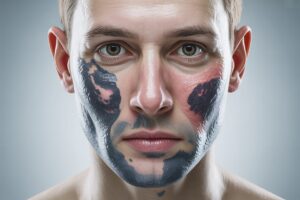
This method involves using extreme cold to treat various skin conditions, including hyperpigmentation. But how exactly does it work? Is it safe? And more importantly, is it the right solution for your specific dark spots? This comprehensive guide will explore everything you need to know about freezing dark spots on your face, from understanding the science behind the treatment to its benefits, potential risks, and what to consider before taking the plunge. Get ready to uncover the facts and make an informed decision on your journey to clearer, more confident skin.
What Are Dark Spots and Why Do They Appear?
Dark spots, scientifically known as hyperpigmentation, are common skin concerns characterized by patches of skin becoming darker than the surrounding areas. This darkening occurs when there’s an overproduction of melanin, the pigment responsible for skin, hair, and eye color. Understanding the different types and causes of these spots is crucial before considering any treatment, including freezing dark spots on face.
Types of Hyperpigmentation
- Sun Spots (Lentigines) or Age Spots: These are flat, oval-shaped areas of increased pigmentation that appear on skin exposed to the sun, such as the face, hands, and décolletage. They are a direct result of cumulative sun exposure over years.
- Post-inflammatory Hyperpigmentation (PIH): This occurs after an injury or inflammation to the skin, such as acne, eczema, or a cut. As the skin heals, it produces too much melanin, leaving behind a dark mark.
- Melasma: Often referred to as the “mask of pregnancy,” melasma appears as symmetrical patches of dark, brownish discoloration, typically on the face. It’s often triggered by hormonal changes (e.g., pregnancy, birth control pills) combined with sun exposure.
Common Causes of Dark Spots
- Sun Exposure: The primary culprit for most dark spots. UV radiation stimulates melanin production as a protective response, leading to sun spots and worsening other forms of hyperpigmentation.
- Inflammation and Injury: Skin trauma, like acne breakouts, bug bites, or harsh cosmetic procedures, can trigger PIH.
- Hormonal Changes: Fluctuations in hormones, especially estrogen and progesterone, are closely linked to melasma.
- Genetics: Some individuals are genetically predisposed to developing dark spots.
- Medications: Certain drugs, such as some antibiotics or anti-malarial medications, can cause hyperpigmentation as a side effect.
Understanding Cryotherapy: The Science Behind Freezing Dark Spots
Cryotherapy, often referred to as cryosurgery, is a dermatological procedure that uses extremely cold temperatures to destroy abnormal tissue. When it comes to freezing dark spots on face, this method specifically targets the melanin-producing cells (melanocytes) and the keratinocytes that contain excess pigment, causing them to break down and eventually shed.
How Cryotherapy Works for Skin Pigmentation
The most common method involves applying liquid nitrogen directly to the dark spot using a spray device or a cotton-tipped applicator. Liquid nitrogen is incredibly cold, typically around -196°C (-321°F). When applied, this extreme cold causes the water inside the targeted skin cells to freeze and form ice crystals. These ice crystals expand, disrupting the cell membranes and ultimately leading to cell death. The treated skin then forms a blister, scabs over, and eventually peels off, revealing new, unpigmented skin underneath.
The key to successful treatment lies in the precise application and duration, ensuring that only the pigmented cells are affected while minimizing damage to surrounding healthy tissue. This is why a skilled dermatologist or trained medical professional is essential for performing the procedure.
What to Expect During a Cryotherapy Session
A typical cryotherapy session for freezing dark spots on face is quick and relatively straightforward:
- Consultation: Before the procedure, your dermatologist will examine your dark spots, discuss your medical history, and determine if cryotherapy is suitable for your specific skin condition and type.
- Preparation: The skin area will be cleaned. Anesthetic is typically not needed for small, superficial spots, though some discomfort may be felt.
- Application: Liquid nitrogen is applied to each dark spot for a few seconds. You might feel a stinging or burning sensation during this time, followed by a cold, numbing feeling.
- Post-Treatment: Immediately after, the treated area will become red and swollen. Over the next few days, a blister will likely form, which may be clear or blood-filled. This blister will then dry out, form a scab, and fall off within one to two weeks, revealing lighter skin beneath.
- Follow-up: Your dermatologist may schedule a follow-up to assess the results and determine if additional sessions are needed.
Pros of Freezing Dark Spots
When considering treatments for hyperpigmentation, understanding the advantages of freezing dark spots on face can help you weigh your options:
- Effective for Certain Spots: Cryotherapy is particularly effective for well-defined, superficial dark spots like sun spots (lentigines) and some forms of age spots.
- Targeted Treatment: The procedure allows for precise application to individual dark spots, minimizing impact on surrounding healthy skin.
- Quick Procedure: Each spot typically requires only a few seconds of treatment, making the overall session relatively fast, especially for a few spots.
- Minimal Downtime (Compared to Some Procedures): While there’s a healing period involving blistering and scabbing, it’s generally manageable and doesn’t require extensive recovery time off work or daily activities.
- Non-Invasive: It doesn’t involve cutting or stitches, making it less invasive than surgical excisions for certain lesions.
- Cost-Effective for Isolated Spots: For a few individual spots, cryotherapy can be more cost-effective than some laser treatments that cover larger areas.
Cons and Potential Risks of Freezing Dark Spots
While effective, freezing dark spots on face also comes with potential drawbacks and risks that you should be aware of:
- Temporary Side Effects: Expect redness, swelling, blistering, and scabbing. These are part of the healing process but can be unsightly for a week or two.
- Hypopigmentation: A significant risk, especially for individuals with darker skin tones, is the permanent lightening of the treated area (hypopigmentation). This occurs if melanocytes are excessively damaged, leading to a lighter patch that may stand out.
- Hyperpigmentation (Paradoxical Darkening): In some cases, particularly with improper application or in individuals prone to PIH, the treated area can paradoxically become darker after healing.
- Not Suitable for All Skin Types/Tones: Cryotherapy is generally less recommended for darker skin types (Fitzpatrick IV-VI) due to the higher risk of hypopigmentation or hyperpigmentation.
- Not Ideal for Melasma: Cryotherapy is typically not recommended for melasma, as it can worsen the condition by causing further inflammation and PIH.
- Multiple Sessions May Be Needed: Stubborn or deeper dark spots may require more than one treatment session to achieve desired results.
- Discomfort: The application of liquid nitrogen can cause a stinging or burning sensation.
- Scarring: While rare with proper technique, there is a slight risk of scarring, especially if the blister is picked or becomes infected.
Is Freezing Dark Spots Right For You? Considerations Before Treatment
Deciding whether freezing dark spots on face is the right course of action requires careful consideration and professional guidance. It’s not a one-size-fits-all solution.
Consultation with a Dermatologist
This is the most crucial step. A board-certified dermatologist will accurately diagnose the type of dark spot you have. They can differentiate between benign dark spots and more serious skin conditions that might look similar. They will also assess your overall skin health, medical history, and suitability for cryotherapy.
Skin Type and Tone
As mentioned, individuals with darker skin tones (Fitzpatrick scale IV-VI) have a higher risk of developing hypopigmentation (lightening) or hyperpigmentation (darkening) after cryotherapy. Your dermatologist will evaluate your skin’s unique characteristics and advise on the safest and most effective treatment options for your specific complexion.
Type of Dark Spot
Cryotherapy is most effective for superficial sun spots and age spots. It’s generally not recommended for melasma or larger, deeper patches of hyperpigmentation, where other treatments like lasers or chemical peels might be more appropriate. Ensuring your dark spot is benign is also critical, as freezing certain cancerous lesions could mask their true nature without proper biopsy.
Preparation and Aftercare
If you proceed with cryotherapy, your dermatologist will provide specific instructions for pre- and post-treatment care. This typically includes:
- Pre-treatment: Avoiding sun exposure, certain topical medications (like retinoids) in the days leading up to the procedure.
- Post-treatment: Keeping the treated area clean and dry, not picking at scabs or blisters, applying a gentle moisturizer, and rigorous sun protection (broad-spectrum SPF 30+). Proper aftercare is vital to minimize risks and ensure optimal healing.
Alternative Treatments for Dark Spots
While freezing dark spots on face is one option, many other effective treatments exist. Your dermatologist might recommend these alternatives, especially if cryotherapy isn’t suitable for your skin type or type of hyperpigmentation.
Topical Creams
Over-the-counter and prescription creams can effectively lighten dark spots over time. Key ingredients include:
- Hydroquinone: A powerful skin-lightening agent that inhibits melanin production. Available by prescription in higher concentrations.
- Retinoids (Tretinoin, Retinol): Promote cell turnover, helping to shed pigmented cells and encourage new, unpigmented skin.
- Vitamin C: An antioxidant that brightens skin and inhibits melanin production.
- Niacinamide (Vitamin B3): Reduces the transfer of melanin to skin cells and has anti-inflammatory properties.
- Azelaic Acid and Kojic Acid: Also help to inhibit melanin production and improve skin tone.
Chemical Peels
Chemical peels involve applying an acidic solution to the skin, which exfoliates the top layers and encourages new skin growth. Different strengths of peels (superficial, medium, deep) are available, with superficial peels often used for hyperpigmentation. They help to remove pigmented cells, revealing fresher, more evenly toned skin.
Laser Therapy
Various types of lasers target melanin in the skin:
- Q-switched Lasers and Picosecond Lasers: Emit very short pulses of light that shatter melanin particles, which are then cleared away by the body. Highly effective for sun spots, age spots, and some forms of melasma.
- IPL (Intense Pulsed Light): A broadband light treatment that targets pigment and can improve overall skin tone.
- Fractional Lasers: Create microscopic treatment zones in the skin, stimulating collagen production and shedding pigmented cells.
Microneedling
This procedure involves using a device with tiny needles to create controlled micro-injuries in the skin. This stimulates the skin’s natural healing process and collagen production. When combined with topical brightening serums, it can help improve the appearance of dark spots and overall skin texture.
Recommended Products
While freezing dark spots on the face is a professional procedure, maintaining clear, healthy skin and preventing new spots requires consistent at-home care. Here are some products that complement professional treatments by protecting your skin, aiding recovery, and enhancing overall skin health. Always consult your dermatologist for personalized recommendations, especially post-procedure.
EltaMD UV Clear Broad-Spectrum SPF 46
A dermatologist-recommended, mineral-based sunscreen perfect for sensitive and acne-prone skin. Essential for preventing new dark spots and protecting treated areas.
CeraVe Moisturizing Cream
A gentle, fragrance-free, and non-comedogenic cream that provides long-lasting hydration, crucial for supporting the skin barrier, especially after treatments.
SkinCeuticals C E Ferulic Serum
A powerful antioxidant serum with Vitamin C, Vitamin E, and ferulic acid. It helps brighten skin, reduce existing hyperpigmentation, and protect against environmental damage.
FAQ Section: Freezing Dark Spots On Face
How many sessions are typically needed for freezing dark spots?
The number of sessions required varies depending on the size, depth, and type of the dark spot, as well as your skin’s response to the treatment. Superficial sun spots might clear in one session, while more stubborn or slightly deeper spots may require two or three treatments, typically spaced a few weeks apart to allow for complete healing.
Is freezing dark spots painful?
During the application of liquid nitrogen, you will likely experience a sensation of intense cold, stinging, or burning, which usually lasts for a few seconds per spot. After the treatment, the area may feel sore or tender for a few hours. Most people find the discomfort tolerable, and anesthetic is rarely needed for this quick procedure.
What is the recovery time after freezing dark spots on the face?
The recovery process typically involves several stages. Immediately after, there’s redness and swelling. A blister usually forms within 24-48 hours, which then dries out and forms a scab over 3-7 days. This scab will naturally fall off within 1 to 2 weeks, revealing new, lighter skin underneath. Full healing and resolution of any residual redness can take several weeks.
Can dark spots return after freezing?
Yes, while cryotherapy can effectively remove existing dark spots, it does not prevent new ones from forming. If the underlying causes, such as sun exposure or hormonal factors, are not addressed, new dark spots can develop in the same or different areas. Consistent sun protection is crucial for preventing recurrence and maintaining results.
Is cryotherapy safe for all skin types?
Cryotherapy is generally considered safe for lighter skin types (Fitzpatrick I-III). However, for individuals with darker skin tones (Fitzpatrick IV-VI), there is a higher risk of complications such as hypopigmentation (permanent lightening) or post-inflammatory hyperpigmentation (darkening) in the treated area. A thorough consultation with a dermatologist is essential to assess suitability for your specific skin type.
Conclusion: Making an Informed Choice for Clearer Skin
Freezing dark spots on face through cryotherapy offers a promising solution for many individuals seeking to diminish visible hyperpigmentation, particularly sun spots and age spots. It’s a quick, targeted procedure that can effectively remove unwanted discoloration, paving the way for a more even and radiant complexion. However, like any medical treatment, it comes with its own set of considerations, including potential side effects like temporary blistering and the risk of hypopigmentation, especially for darker skin tones.
The journey to clear skin is highly personal and multifaceted. Before you decide to pursue this method of dark spot removal, the most important step is to consult with a qualified dermatologist. They can accurately diagnose your specific type of dark spot, assess your skin type, and guide you toward the most appropriate and safest treatment plan, whether that’s cryotherapy or an alternative like topical creams, lasers, or chemical peels. Remember, consistent sun protection and a good skincare routine are your best allies in maintaining your results and preventing future dark spots. With professional guidance and diligent care, you can achieve the clear, confident skin you desire.
“`