
Are you tired of looking in the mirror and seeing stubborn dark spots, hyperpigmentation, or uneven skin tone? You’re not alone. Millions of people struggle with these common skin concerns, which can be caused by everything from sun exposure and acne scars to hormonal changes. While many products promise miraculous results, few deliver the transformative power of medical-grade solutions. This is where Obagi for dark spots steps in, offering a scientifically-backed approach to achieving a brighter, more uniform complexion.
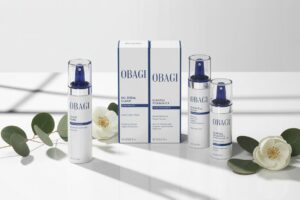
Obagi is a renowned name in the world of professional skincare, celebrated for its innovative formulations and visible results. If you’ve been searching for an effective way to diminish hyperpigmentation and reveal radiant skin, understanding the Obagi philosophy and its specialized systems is crucial. In this comprehensive guide, we’ll delve into the science behind dark spots, explore Obagi’s key systems and ingredients, provide practical advice for incorporating them into your routine, and highlight the pros and cons, ensuring you have all the information needed to make an informed decision on your journey to clearer skin.
Understanding Dark Spots: The Science Behind Hyperpigmentation
Before we dive into how Obagi tackles dark spots, it’s essential to understand what they are and why they form. Dark spots, medically known as hyperpigmentation, are areas of skin that become darker than the surrounding skin. This darkening occurs when there’s an excess production of melanin, the pigment that gives skin its color.
What Causes Dark Spots?
- Sun Exposure: This is the most common culprit. UV radiation triggers melanocytes (melanin-producing cells) to create more pigment as a protective response, leading to sunspots or age spots.
- Post-Inflammatory Hyperpigmentation (PIH): Occurs after skin inflammation or injury, such as acne breakouts, eczema, psoriasis, or even minor cuts and scrapes. As the skin heals, it can leave behind a darker mark.
- Hormonal Changes: Conditions like melasma are often linked to hormonal fluctuations, particularly during pregnancy (often called “the mask of pregnancy”), with birth control pills, or hormone replacement therapy.
- Medications: Certain medications can increase sun sensitivity or directly cause hyperpigmentation as a side effect.
- Genetics: Some individuals are more prone to developing dark spots due to their genetic predisposition.
Why Are Dark Spots So Stubborn?
Dark spots can be notoriously difficult to treat because the excess melanin can reside in various layers of the skin – from the superficial epidermis to the deeper dermis. Topical treatments often work best on epidermal hyperpigmentation, while deeper dermal spots may require more intensive approaches or a combination of treatments. The key to effective treatment lies in understanding the depth and type of hyperpigmentation, which is where a professional consultation becomes invaluable.
Introducing Obagi: A Legacy in Skincare
Obagi Medical has been a pioneer in clinical skincare for over 30 years, creating transformative products designed to address a wide range of skin concerns, including aging, acne, and hyperpigmentation. Their approach is rooted in science, with formulations developed through extensive research and clinical testing.
The Obagi Philosophy
The core of Obagi’s philosophy is the belief that skincare should go beyond surface-level improvements. Instead, it aims to correct issues at a cellular level, promoting healthy skin function and visible, lasting results. This commitment to deep skin transformation is why many dermatologists and skincare professionals recommend Obagi for dark spots.
Why Choose Obagi For Dark Spots?
When it comes to tackling hyperpigmentation, Obagi stands out for several reasons:
- Medical-Grade Formulations: Obagi products contain high concentrations of active ingredients, often requiring a prescription for maximum efficacy.
- Comprehensive Systems: Rather than standalone products, Obagi offers complete skincare systems designed to work synergistically for optimal results.
- Clinically Proven: Their products undergo rigorous clinical trials to demonstrate their effectiveness in reducing dark spots and improving skin tone.
- Professional Guidance: Obagi treatments are typically administered and monitored by skincare professionals, ensuring personalized and safe usage.
Key Obagi Systems & Products For Dark Spots
Obagi offers several systems and individual products specifically formulated to target and reduce dark spots. Understanding the differences can help you and your skincare professional choose the best option for your skin.
Obagi Nu-Derm System
The Obagi Nu-Derm System is perhaps the most well-known and potent system for addressing moderate to severe hyperpigmentation, including melasma and sun damage. It’s a physician-dispensed system that works by accelerating cellular turnover and reducing melanin production.
- Key Ingredients: Often features hydroquinone (a powerful skin lightener), tretinoin (a retinoid that promotes cell turnover), and exfoliants like glycolic acid.
- Pros: Highly effective for significant dark spots, comprehensive approach, visible transformation.
- Cons: Requires a prescription for some components, potential for initial irritation (redness, peeling), commitment to a multi-step routine.
Obagi-C Rx System
The Obagi-C Rx System combines the power of Vitamin C with prescription-strength hydroquinone to address early signs of skin aging and mild to moderate hyperpigmentation. It’s designed to brighten, protect, and rejuvenate the skin.
- Key Ingredients: L-ascorbic acid (Vitamin C) for antioxidant protection and brightening, combined with hydroquinone.
- Pros: Offers antioxidant benefits alongside dark spot correction, suitable for those looking to address both hyperpigmentation and early aging.
- Cons: Some components may require a prescription, milder than Nu-Derm for severe cases.
Obagi Nu-Derm Fx System (Hydroquinone-Free Alternative)
For those who prefer a hydroquinone-free approach or cannot use hydroquinone, the Obagi Nu-Derm Fx System offers a viable alternative. It utilizes natural skin brighteners to improve skin tone and texture.
- Key Ingredients: Arbutin (a natural derivative of hydroquinone), Vitamin C, and exfoliating acids.
- Pros: Effective for mild to moderate dark spots, suitable for long-term maintenance, no prescription required.
- Cons: May take longer to see results compared to hydroquinone-based systems for severe pigmentation.
Obagi Professional-C Serums
While not a full system, Obagi Professional-C Serums are powerful standalone products that complement any dark spot regimen. They provide potent antioxidant protection and help brighten the skin.
- Key Ingredients: High concentrations of L-ascorbic acid (Vitamin C), available in various strengths (10%, 15%, 20%).
- Pros: Excellent for overall skin brightening, antioxidant protection, boosts collagen production, no prescription needed.
- Cons: May not be sufficient as a primary treatment for severe dark spots without other targeted ingredients.
Core Ingredients in Obagi For Dark Spots
Obagi’s efficacy against dark spots stems from its intelligent use of proven active ingredients. Here are some of the stars you’ll find in their formulations:
- Hydroquinone: Considered the gold standard for reducing hyperpigmentation, hydroquinone works by inhibiting tyrosinase, an enzyme essential for melanin production. It effectively lightens existing dark spots and prevents new ones.
- L-Ascorbic Acid (Vitamin C): A powerful antioxidant that neutralizes free radicals, protects skin from environmental damage, and helps brighten the complexion by inhibiting melanin synthesis.
- Tretinoin (Retin-A): A prescription-strength retinoid that accelerates cell turnover, pushing pigmented cells to the surface where they can be exfoliated away. It also helps to improve skin texture and reduce fine lines.
- Arbutin: A natural derivative of hydroquinone, arbutin offers similar melanin-inhibiting properties but is often considered gentler, making it a popular choice in hydroquinone-free formulations.
- Kojic Acid: Derived from fungi, kojic acid is another effective skin-lightening agent that inhibits tyrosinase activity.
- Niacinamide (Vitamin B3): This versatile ingredient helps reduce the transfer of melanin to skin cells, improves skin barrier function, and has anti-inflammatory properties.
- Exfoliants (Glycolic Acid, Lactic Acid): Alpha Hydroxy Acids (AHAs) help to gently exfoliate the top layer of skin, shedding pigmented cells and revealing brighter, newer skin underneath.
How to Incorporate Obagi For Dark Spots into Your Routine
Using Obagi products, especially the systems, requires a structured approach and often professional guidance to ensure safety and maximize results.
Consultation is Key
Before starting any Obagi regimen for dark spots, it is highly recommended to consult with a dermatologist or a trained skincare professional. They can:
- Accurately diagnose the type and depth of your hyperpigmentation.
- Determine if Obagi is the right solution for your skin type and concerns.
- Prescribe necessary products (like hydroquinone or tretinoin) and provide a personalized treatment plan.
- Guide you through the initial “skin transformation” phase, managing potential side effects.
Step-by-Step Application (General Guideline for Systems)
While specific instructions vary by system, a typical Obagi routine involves:
- Cleansing: Start with a gentle cleanser to remove impurities and prepare the skin.
- Toning: A toner helps balance the skin’s pH and optimize product absorption.
- Treatment: Apply your targeted dark spot correctors, such as hydroquinone or arbutin creams, as directed.
- Exfoliation/Retinoid: Products containing tretinoin or exfoliating acids are typically applied at night.
- Moisturizing: Keep your skin hydrated to support its barrier function, especially during the initial adjustment phase.
- Sun Protection: This step is non-negotiable. Use a broad-spectrum sunscreen with SPF 30 or higher every single morning, regardless of the weather. Obagi treatments can make your skin more sensitive to the sun.
Patience and Consistency
Treating dark spots, especially with potent ingredients, takes time. You might start seeing initial improvements in 4-6 weeks, but significant results often require 12-16 weeks of consistent use. Stick to your prescribed regimen, and don’t get discouraged by the initial “purging” or irritation phase, which is a sign the products are working.
Pros and Cons of Using Obagi For Dark Spots
Like any powerful skincare treatment, Obagi comes with its own set of advantages and considerations.
Pros:
- Highly Effective: Obagi systems are clinically proven to significantly reduce hyperpigmentation, including stubborn melasma and sunspots.
- Visible Results: Users often report dramatic improvements in skin tone, texture, and overall radiance.
- Comprehensive Approach: Systems address multiple facets of skin health, not just dark spots.
- Medical-Grade Potency: Contains active ingredients at concentrations that deliver real change.
- Long-Term Maintenance: Once initial results are achieved, there are Obagi products designed for maintaining a clear complexion.
Cons:
- Potential Side Effects: Especially with hydroquinone and tretinoin, common initial side effects include redness, peeling, dryness, and sensitivity. These usually subside as the skin adjusts.
- Cost: Obagi systems can be a significant investment compared to over-the-counter products.
- Prescription Needed: Some of the most potent products require a doctor’s prescription and supervision.
- Sun Sensitivity: Skin undergoing Obagi treatment becomes more sensitive to the sun, making diligent SPF application crucial.
- Commitment: Requires consistent daily application and patience to see full results.
Recommended Products
Obagi Nu-Derm Fx System
A hydroquinone-free system designed to correct hyperpigmentation, improve skin texture, and promote even skin tone with natural brighteners like arbutin.
Obagi Professional-C Serum 20%
A potent antioxidant serum with 20% L-ascorbic acid (Vitamin C) that helps brighten skin, reduce the appearance of dark spots, and protect against environmental damage.
Obagi Sun Shield Matte Broad Spectrum SPF 50
An essential broad-spectrum sunscreen that provides high-level protection against UVA/UVB rays. Its matte finish is ideal for daily use, especially when treating dark spots.
Obagi Hydrate Facial Moisturizer
A non-comedogenic, hypoallergenic moisturizer that provides all-day hydration and helps to calm and soothe the skin, essential when using potent dark spot treatments.
Frequently Asked Questions About Obagi For Dark Spots
Q1: How long does it take to see results with Obagi for dark spots?
While individual results vary, many users start to notice initial improvements in skin tone and texture within 4-6 weeks of consistent use. For significant reduction of dark spots and hyperpigmentation, especially with systems like Nu-Derm, it typically takes 12-16 weeks. Full results can often be seen after several months, with continued maintenance for lasting benefits. Patience and adherence to the regimen are key.
Q2: Are there any side effects when using Obagi for hyperpigmentation?
Yes, especially with the more potent, prescription-strength Obagi systems. Common initial side effects include redness, dryness, flaking, peeling, itching, and increased sensitivity. These are often referred to as the “skin transformation” phase and usually subside as your skin adjusts. It’s crucial to follow your skincare professional’s guidance to manage these effects and ensure a smooth transition.
Q3: Can Obagi products be used on all skin types and tones?
Obagi offers a range of products and systems designed for various skin types and concerns. While many Obagi products are generally suitable for a wide range of skin types, individuals with very sensitive skin or certain skin conditions should always consult a professional before starting. For darker skin tones, hydroquinone must be used carefully under professional supervision to avoid potential complications like post-inflammatory hyperpigmentation or ochronosis, though Obagi’s formulations are generally well-tolerated when used correctly.
Q4: Do I need a prescription for Obagi dark spot treatments?
Some of Obagi’s most powerful dark spot treatments, particularly those containing prescription-strength hydroquinone (e.g., Obagi Nu-Derm Clear and Blender) and tretinoin, do require a prescription from a licensed medical professional. However, Obagi also offers non-prescription options, such as the Nu-Derm Fx System (which uses arbutin instead of hydroquinone) and their Professional-C Serums, which are available without a prescription.
Q5: Is Obagi permanent for dark spots?
Obagi treatments can significantly reduce and often eliminate existing dark spots, providing long-lasting results. However, the effects are not entirely permanent if you do not maintain proper skincare and sun protection. New dark spots can form due to continued sun exposure, hormonal changes, or skin inflammation. Therefore, a maintenance regimen and diligent daily sunscreen use are essential to prevent recurrence and sustain your results.
Q6: Can I use other products with my Obagi dark spot regimen?
It’s generally recommended to stick to the complete Obagi system as prescribed by your professional to avoid potential interactions or diluted effectiveness. Introducing other active ingredients without guidance could lead to increased irritation or compromise your results. Always consult your dermatologist or aesthetician before adding any new products to your Obagi routine, especially during the initial treatment phase.
Conclusion: Embrace a Brighter Future with Obagi
The journey to clear, even-toned skin can feel challenging, but with the right approach, it’s an achievable goal. Obagi for dark spots offers a powerful, scientifically-backed solution for those seeking significant improvement in hyperpigmentation, melasma, and sun damage. By understanding the causes of dark spots and leveraging Obagi’s expertly formulated systems and ingredients, you can embark on a transformative path to a more radiant complexion.
Remember, the key to success with Obagi lies in three pillars: professional consultation, consistent application, and unwavering sun protection. While the initial stages may involve some adjustment, the visible results – a brighter, smoother, and more uniform skin tone – are often well worth the effort. Invest in your skin’s health and beauty; choose a path that is proven to deliver. With Obagi, you’re not just treating dark spots; you’re revealing the luminous skin you deserve.
“`