
Dark spots, scientifically known as hyperpigmentation, are a common skin concern that can affect anyone, regardless of skin type or tone. These pesky marks whether from sun exposure, acne, or hormonal changes can make your complexion appear uneven and dull. In the quest for clearer, brighter skin, many turn to natural remedies, and one ingredient that frequently comes up in discussions is witch hazel.
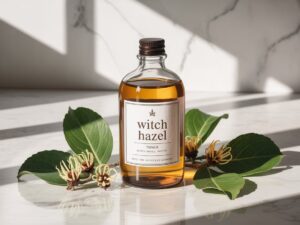
Often lauded for its astringent and anti-inflammatory properties, witch hazel is a staple in many skincare routines. But the million-dollar question remains does witch hazel get rid of dark spots Can this natural botanical truly fade hyperpigmentation and restore an even skin tone, or is its reputation perhaps a bit overblown when it comes to existing dark marks. This comprehensive guide will dive deep into the science behind witch hazel, explore its actual benefits, and clarify its role in treating dark spots. We’ll separate fact from fiction, provide practical advice, and introduce you to proven alternatives for achieving the luminous complexion you desire.
Understanding Dark Spots: What Are They?
Before we delve into whether witch hazel gets rid of dark spots, it’s crucial to understand what dark spots are and why they appear. Dark spots are areas of the skin where excess melanin (the pigment that gives skin its color) has been produced, resulting in a darker patch than the surrounding skin. This overproduction of melanin is triggered by various factors, leading to different types of hyperpigmentation.
Types of Hyperpigmentation
- Post-Inflammatory Hyperpigmentation (PIH): These spots appear after an injury or inflammation to the skin, such as acne, eczema, or a scratch. As the skin heals, it can leave behind a dark mark.
- Sun Spots (Solar Lentigines): Also known as age spots or liver spots, these are typically caused by prolonged sun exposure. They are common on areas frequently exposed to the sun, like the face, hands, and décolletage.
- Melasma: This type of hyperpigmentation appears as larger, blotchy patches, often on the face (forehead, cheeks, upper lip). It’s primarily triggered by hormonal fluctuations (e.g., pregnancy, birth control) combined with sun exposure.
Causes of Dark Spots
The primary culprits behind dark spots include:
- Sun Exposure: UV radiation stimulates melanin production as a protective response, leading to sun spots and worsening melasma.
- Inflammation and Injury: Acne breakouts, cuts, burns, or even aggressive scrubbing can trigger PIH.
- Hormonal Changes: Fluctuations in hormones, especially estrogen and progesterone, are a key factor in melasma.
- Medications: Certain drugs can increase skin’s sensitivity to the sun or cause hyperpigmentation as a side effect.
- Genetics: Some individuals are genetically predisposed to developing dark spots.
What is Witch Hazel? A Skincare Staple
Witch hazel (Hamamelis virginiana) is a plant native to North America, long revered for its medicinal properties. For centuries, Native Americans used witch hazel for a variety of ailments, and it quickly became a popular ingredient in traditional European medicine. Today, it’s widely recognized in the skincare world, often found in toners, cleansers, and astringents.
Key Components and How They Work
The magic of witch hazel lies in its unique composition, particularly its high concentration of tannins. Tannins are natural plant compounds known for their powerful astringent properties. When applied to the skin, they:
- Constrict Blood Vessels: This helps to reduce redness and inflammation.
- Tighten Pores: By shrinking skin proteins, tannins can make pores appear smaller.
- Reduce Oil Production: They can help to dry out excess oil, making them beneficial for oily and acne-prone skin.
Beyond tannins, witch hazel also contains flavonoids and other antioxidants, which contribute to its anti-inflammatory effects. These properties make it effective for soothing minor irritations, reducing swelling, and calming redness.
Traditional Uses in Skincare
Historically, witch hazel has been used to:
- Soothe insect bites and stings.
- Reduce swelling and bruising.
- Treat minor cuts and scrapes.
- Alleviate symptoms of hemorrhoids.
- Act as a natural astringent for oily and acne-prone skin.
- Calm inflammatory skin conditions like eczema and psoriasis.
Does Witch Hazel Get Rid Of Dark Spots? The Scientific Perspective
Now, to the core question: does witch hazel get rid of dark spots? The short answer is: not directly as a fading agent for existing hyperpigmentation. While witch hazel boasts impressive benefits, directly targeting and fading melanin that has already accumulated in dark spots is not one of them. There is currently no scientific evidence to suggest that witch hazel possesses melanocyte-inhibiting properties or ingredients that actively break down existing melanin.
However, that doesn’t mean witch hazel is entirely useless in the context of dark spots. Its benefits are more indirect and preventative, particularly for post-inflammatory hyperpigmentation (PIH).
- Reducing Inflammation: Since PIH is a direct result of inflammation (e.g., from acne), witch hazel’s anti-inflammatory properties can help to calm breakouts and reduce redness. By minimizing the initial inflammatory response, it may potentially lessen the severity or likelihood of dark spots forming in the first place. Think of it as a preventative measure rather than a treatment for existing marks.
- Soothing Irritation: Calming irritated skin can help prevent further damage that might lead to hyperpigmentation.
- Improving Skin Tone (indirectly): By reducing overall redness and inflammation, witch hazel might contribute to a more even-looking complexion, which can give the *impression* of improved dark spots, even if it’s not directly fading them.
So, while you might find claims about witch hazel for hyperpigmentation, it’s crucial to understand the mechanism. It’s not a witch hazel dark spot corrector in the same way that ingredients like hydroquinone or vitamin C are. It won’t actively break down melanin or inhibit its production once a dark spot has fully formed. Its role is more about mitigating the conditions that can lead to dark spots, particularly those stemming from inflammation.
Pros and Cons of Using Witch Hazel for Skin
Understanding the benefits and drawbacks of witch hazel can help you decide if it has a place in your routine, especially if you’re concerned about dark spots.
Pros of Witch Hazel
- Astringent Properties: Helps to tighten pores, reduce oiliness, and create a smoother skin texture.
- Anti-inflammatory: Can soothe redness, irritation, and inflammation, which is beneficial for acne-prone skin and preventing PIH.
- Antioxidant Rich: Contains compounds that help protect the skin from environmental damage.
- Affordable and Accessible: Widely available and generally inexpensive.
- Natural Remedy: Appealing to those seeking plant-derived skincare solutions.
Cons of Witch Hazel
- Not a Direct Dark Spot Fader: As established, it lacks ingredients that actively break down or inhibit melanin production for existing dark spots.
- Potential for Dryness/Irritation: Many commercial witch hazel products contain alcohol (ethanol), which can be highly drying and irritating, especially for sensitive skin. This dryness can actually compromise the skin barrier and potentially worsen certain skin conditions or even trigger more inflammation, ironically leading to PIH.
- Over-drying Can Worsen Acne: While it reduces oil, excessive drying can signal the skin to produce more oil, leading to a vicious cycle and potentially more breakouts.
- Sensitivity: Some individuals may experience allergic reactions or increased sensitivity.
How to Incorporate Witch Hazel into Your Skincare Routine (If You Choose To)
If you still wish to use witch hazel for its other benefits, particularly for managing oiliness or preventing inflammation that could lead to new dark spots, here’s how to do it wisely:
Choosing the Right Product
The most critical advice: always opt for an alcohol-free witch hazel formulation. Alcohol can strip the skin of its natural oils, leading to dryness, irritation, and a compromised skin barrier, which is counterproductive for overall skin health and can exacerbate sensitivity.
Application Tips
- As a Toner: After cleansing, dampen a cotton pad with alcohol-free witch hazel and gently sweep it over your face. This can help remove residual impurities and prepare your skin for subsequent products.
- Spot Treatment: For minor irritations or new blemishes, dab a small amount of witch hazel directly onto the area.
- Follow with Moisturizer: Even alcohol-free witch hazel can be mildly drying for some. Always follow up with a hydrating serum and a good moisturizer to replenish moisture and support your skin barrier.
- Use Sparingly: Start with once a day or every other day to see how your skin reacts, then adjust frequency as needed.
Patch Testing
Before applying any new product to your entire face, always perform a patch test. Apply a small amount to an inconspicuous area (like behind your ear or on your inner arm) and wait 24-48 hours to check for any redness, itching, or irritation.
Effective Alternatives and Complementary Treatments for Dark Spots
Since witch hazel does not directly get rid of dark spots, it’s essential to turn to ingredients and treatments that are scientifically proven to fade hyperpigmentation. Combining these with a gentle, supportive routine (which *could* include alcohol-free witch hazel for other benefits) will yield the best results.
Proven Ingredients for Fading Dark Spots
- Vitamin C (L-Ascorbic Acid): A powerful antioxidant that inhibits melanin production, brightens skin, and protects against sun damage.
- Niacinamide (Vitamin B3): Reduces the transfer of melanin to skin cells, improves skin barrier function, and has anti-inflammatory properties.
- Alpha Hydroxy Acids (AHAs) – Glycolic Acid, Lactic Acid: Exfoliate the top layer of skin, helping to shed pigmented cells and reveal brighter skin underneath.
- Retinoids (Retinol, Tretinoin): Speed up cell turnover, helping to push new, unpigmented cells to the surface and improve overall skin texture and tone.
- Hydroquinone: A potent skin-lightening agent that inhibits melanin production. It’s often prescribed by dermatologists for stubborn dark spots and is usually used for a limited period due to its strength.
- Azelaic Acid: Reduces inflammation, kills acne-causing bacteria, and inhibits melanin production, making it effective for PIH and melasma.
Professional Treatments
For more stubborn or severe dark spots, a dermatologist can offer in-office treatments:
- Chemical Peels: Controlled exfoliation using higher concentrations of acids to remove damaged skin layers.
- Laser Therapy: Various lasers (e.g., Q-switched, picosecond, fractional) target melanin to break down pigment without damaging surrounding tissue.
- Microdermabrasion: A physical exfoliation method that buffs away the outermost layer of skin.
The Importance of Sun Protection
Regardless of what treatments you use, daily, consistent sun protection is non-negotiable. UV exposure is the leading cause and exacerbating factor for dark spots. Use a broad-spectrum sunscreen with an SPF of 30 or higher every single day, rain or shine, and reapply every two hours when outdoors. This will prevent new spots from forming and stop existing ones from darkening.
Recommended Products
While witch hazel isn’t a direct dark spot remover, incorporating proven ingredients and diligent sun protection is key. Here are some products that can help you on your journey to clearer skin, including a gentle witch hazel option if you choose to use it for its other benefits, alongside true dark spot correctors and essential sun protection:
Thayers Alcohol-Free Witch Hazel Toner (Rose Petal)
A popular, gentle, alcohol-free witch hazel toner that soothes and balances skin without harsh drying effects. Great for prepping skin and reducing inflammation.
Mad Hippie Vitamin C Serum
A highly-rated serum featuring Vitamin C, Vitamin E, and Ferulic Acid to brighten skin, fade dark spots, and provide antioxidant protection.
The Ordinary Niacinamide 10% + Zinc 1%
An affordable and effective serum to reduce the appearance of skin blemishes and congestion, and help improve skin tone unevenness.
EltaMD UV Clear Broad-Spectrum SPF 46
A dermatologist-recommended mineral sunscreen, ideal for sensitive and acne-prone skin, that provides broad-spectrum protection essential for preventing and managing dark spots.
Frequently Asked Questions About Witch Hazel and Dark Spots
Let’s address some common queries surrounding witch hazel and its role in treating hyperpigmentation.
Q1: Can witch hazel make dark spots worse?
A: While witch hazel itself won’t directly darken existing spots, using formulations with high alcohol content can lead to excessive dryness and irritation. This irritation can, in turn, trigger further inflammation and potentially worsen post-inflammatory hyperpigmentation (PIH) or compromise your skin barrier, making it more susceptible to damage. Always choose alcohol-free options.
Q2: How long does it take for witch hazel to work on skin issues?
A: For its intended benefits like reducing surface oiliness or soothing minor irritation, you might see subtle changes within a few days to a couple of weeks. However, for fading existing dark spots, witch hazel is not an effective treatment, so you won’t see results for that specific concern regardless of how long you use it. For true dark spot fading, expect several weeks to months with proven ingredients.
Q3: Is witch hazel good for all types of dark spots?
A: No, witch hazel is not generally effective for fading any type of existing dark spot, including sun spots, melasma, or mature PIH. Its primary benefit related to hyperpigmentation is its anti-inflammatory action, which can potentially help prevent *new* post-inflammatory hyperpigmentation from forming after a breakout or injury. It does not contain ingredients that break down melanin for already formed spots.
Q4: What’s the best way to use witch hazel for skin?
A: If you choose to use witch hazel, opt for an alcohol-free toner. Apply it after cleansing and before serums or moisturizers. Dampen a cotton pad and gently sweep it over your face. Always follow up with a hydrating moisturizer to prevent any potential dryness. It’s best used as part of a routine focused on calming skin and managing oil, rather than as a primary dark spot treatment.
Q5: Are there any side effects of using witch hazel?
A: The most common side effects, especially with alcohol-containing formulas, include excessive dryness, tightness, redness, and irritation. Even alcohol-free versions can cause mild dryness or sensitivity in some individuals. Always perform a patch test first, and discontinue use if you experience persistent irritation.
Q6: Can I use witch hazel with other dark spot treatments?
A: You can, but with caution. If using alcohol-free witch hazel as a toner, ensure it’s followed by your dark spot-fading serums (like Vitamin C or Niacinamide) and a moisturizer. Avoid using witch hazel immediately after strong exfoliating acids or retinoids, as this combination could lead to over-exfoliation and irritation. Listen to your skin and introduce new products gradually.
Conclusion
The journey to clear, even-toned skin often involves exploring various remedies, and it’s natural to wonder, does witch hazel get rid of dark spots? As we’ve thoroughly explored, while witch hazel is a valuable natural ingredient with impressive astringent and anti-inflammatory properties, its direct role in fading existing dark spots is largely unsupported by scientific evidence. It excels at soothing irritation, reducing redness, and managing oiliness, which can indirectly help prevent the formation of new post-inflammatory hyperpigmentation, but it’s not a dark spot corrector in the traditional sense.
For those persistent dark marks whether sun spots, melasma, or stubborn PIH—rely on ingredients and treatments with proven efficacy. Incorporate powerhouse ingredients like Vitamin C, Niacinamide, AHAs, and Retinoids into your routine. Most importantly, make daily broad-spectrum sun protection your unwavering ally to prevent new dark spots and keep existing ones from worsening. If you’re struggling with significant hyperpigmentation, don’t hesitate to consult a dermatologist. They can offer personalized advice and prescribe stronger treatments or professional procedures for optimal results. By combining smart skincare choices with consistent sun protection, you can truly achieve a brighter, more radiant complexion.