
Discovering a dark spot on your tooth can send a shiver down your spine. For many, the immediate thought is often, “Oh no, is that a cavity?” It’s a natural reaction, given that cavities commonly manifest as dark areas. However, the truth is more nuanced than you might think. While some dark spots undeniably signal tooth decay, many others are harmless stains or indications of different dental issues.
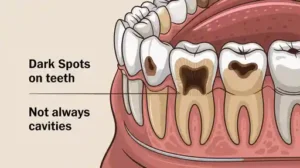
Understanding the various culprits behind tooth discoloration is crucial for maintaining good oral health and avoiding unnecessary panic. This comprehensive guide will delve into the complexities of dark spots on teeth, exploring everything from common extrinsic stains to more serious intrinsic issues and, yes, actual cavities. We’ll equip you with the knowledge to identify potential causes, understand when a dental visit is imperative, and learn how to prevent and treat these common aesthetic and health concerns. Let’s get to the bottom of this widespread dental mystery are dark spots on teeth always cavities.
Are Dark Spots On Teeth Always Cavities? The Short Answer is No.
The Common Misconception
It’s a widespread belief that any dark mark on a tooth automatically equates to a cavity. This misconception is understandable, as tooth decay often begins as a small brown or black spot. The fear of drilling, pain, and dental bills can lead to anxiety, making people jump to conclusions. However, dental professionals frequently encounter patients worried about dark spots that turn out to be something entirely different and far less menacing than a cavity.
When Dark Spots Are Cavities
While not every dark spot is a cavity, many are. When a dark spot signifies tooth decay, it typically presents with certain characteristics:
- Appearance: Cavities often appear as dark brown or black areas that might look pitted, feel rough, or even be soft when probed by a dentist. They can vary in size from tiny specks to large, visible holes.
- Location: They frequently form in the grooves of chewing surfaces (occlusal surfaces), between teeth (interproximal), or near the gum line, especially if plaque accumulation is high.
- Symptoms: As decay progresses, you might experience sensitivity to hot, cold, or sweet foods and drinks. Pain, especially when biting down, is another strong indicator. Food might also start getting stuck in the affected area.
- Progression: Untreated cavities tend to grow larger and deeper over time, eroding more tooth structure and potentially reaching the sensitive inner pulp of the tooth.
Unmasking the Culprits: Other Causes of Dark Spots on Teeth
Beyond cavities, numerous factors can contribute to dark spots or discoloration on your teeth. Understanding these can help you better assess your oral health.
Extrinsic Stains (Surface Stains)
These are the most common type of dark spots that are not cavities. Extrinsic stains occur on the outer surface of the tooth enamel and are usually caused by pigments from foods, drinks, or other substances that get absorbed into the microscopic pores of the enamel.
- Food and Drink:
- Coffee and Tea: Rich in chromogens and tannins, these are notorious for staining teeth.
- Red Wine: Its dark color and acidity contribute significantly to discoloration.
- Dark Berries and Fruits: Blueberries, blackberries, pomegranates, and cherries contain strong pigments.
- Dark Sodas and Juices: High sugar content and acidity can also contribute to enamel erosion, making teeth more susceptible to stains.
- Soy Sauce and Balsamic Vinegar: These dark condiments can also leave their mark.
- Tobacco Products: Smoking or chewing tobacco is a primary cause of stubborn yellow, brown, or black stains.
- Certain Medications: Liquid iron supplements can cause temporary black stains on teeth, particularly in children. Some antiseptic mouthwashes containing chlorhexidine can also lead to staining with prolonged use.
- Chromogenic Bacteria: In some individuals, especially children, certain bacteria in the mouth produce a black pigment that adheres to the tooth surface, forming dark lines or spots. This is harmless but can be aesthetically concerning.
Characteristics: Extrinsic stains are typically brown, yellow, or black. They are usually flat against the tooth surface and do not cause pain or sensitivity. They can often be removed with professional dental cleaning and regular diligent brushing.
Intrinsic Stains (Internal Discoloration)
Intrinsic stains originate from within the tooth structure, affecting the dentin (the layer beneath the enamel). These are harder to remove and are generally not cavities.
- Trauma: A blow to a tooth can damage the blood vessels inside, causing the tooth to darken (often turning gray or black) over time. This can sometimes be a sign of nerve damage or death.
- Aging: As we age, the enamel thins, revealing more of the naturally yellowish dentin beneath. Dentin also darkens slightly with age.
- Tetracycline Antibiotics: If taken during tooth development (in childhood or during pregnancy), these antibiotics can cause permanent gray, blue, or brown intrinsic staining.
- Excessive Fluoride (Fluorosis): While fluoride is beneficial for preventing cavities, excessive intake during tooth formation can lead to dental fluorosis, which manifests as white specks, streaks, or, in severe cases, brown pits and spots.
- Dental Restorations: Old silver amalgam fillings can cast a gray or black shadow through the tooth structure, making the tooth appear darker. The amalgam itself can also corrode over time, staining the surrounding tooth.
Dental Calculus (Tartar)
Plaque that isn’t removed by brushing and flossing can harden into calculus, also known as tartar. Tartar is porous and can easily absorb stains from food and drinks, appearing yellow, brown, or even black. It often forms near the gum line and between teeth. While tartar itself isn’t a cavity, its presence indicates poor oral hygiene and can lead to gum disease and increase the risk of decay.
Non-Carious Lesions (NCLs)
These are losses of tooth structure not caused by decay. While not dark spots initially, the exposed dentin can then stain, appearing dark.
- Attrition: Tooth wear caused by tooth-to-tooth grinding (bruxism).
- Abrasion: Tooth wear caused by aggressive brushing or abrasive toothpastes.
- Erosion: Tooth wear caused by acid exposure (e.g., from acidic foods/drinks, acid reflux, or bulimia).
These lesions can expose the underlying dentin, which is darker than enamel, and is more susceptible to staining, leading to a dark appearance.
How Your Dentist Diagnoses Dark Spots
Given the variety of causes, self-diagnosis of dark spots can be misleading. A dental professional is best equipped to determine the true nature of the discoloration. Here’s how they typically diagnose the issue:
-
Visual Examination
Your dentist will carefully inspect the dark spot, noting its color, size, shape, location, and texture. They’ll look for signs of surface roughness, pitting, or any obvious breaches in the enamel.
-
Dental Probing
Using a small dental instrument (explorer), the dentist will gently probe the dark area. A cavity will often feel soft or “sticky” as the explorer catches in the demineralized tooth structure, whereas a stain will feel hard and smooth.
-
X-rays
Dental X-rays are invaluable for detecting cavities, especially those between teeth or under existing fillings, which are not visible during a visual exam. Dark spots on X-rays indicate areas where the tooth structure has been compromised by decay.
-
Transillumination
A bright fiber-optic light can be shone through the tooth. Cavities often appear as dark shadows because they absorb or scatter the light differently than healthy tooth structure.
-
Patient History
Your dentist will ask about your diet, oral hygiene habits, any symptoms you’re experiencing (like sensitivity or pain), and your medical history (e.g., medications you’re taking) to help pinpoint the cause of the dark spot.
Prevention and Treatment Options
Preventing and treating dark spots depends entirely on their cause. Good oral hygiene is a universal key, but specific interventions might be necessary.
Preventing Dark Spots
- Maintain Excellent Oral Hygiene:
- Brush twice daily for two minutes with a fluoride toothpaste.
- Floss daily to remove plaque and food particles from between teeth.
- Consider an antiseptic mouthwash to reduce bacteria.
- Manage Diet and Habits:
- Limit consumption of highly staining foods and drinks.
- Rinse your mouth with water after consuming staining items.
- Use a straw for dark beverages to minimize contact with teeth.
- Avoid tobacco products entirely.
- Regular Dental Check-ups and Cleanings: Professional cleanings remove plaque, tartar, and extrinsic stains before they become deeply embedded. Your dentist can also identify and address potential issues early.
- Address Grinding/Clenching: If you grind your teeth, discuss a nightguard with your dentist to prevent attrition.
- Manage Acid Reflux: If you suffer from acid reflux, work with your doctor to manage it to protect your enamel from erosion.
Treating Various Dark Spot Causes
- For Cavities:
- Fillings: For smaller cavities, the decayed part of the tooth is removed and filled with a restorative material (e.g., composite resin, amalgam).
- Crowns: For larger cavities or significantly damaged teeth, a crown (cap) may be needed to cover and protect the entire tooth.
- Root Canals: If decay reaches the pulp, a root canal may be necessary to remove the infected tissue, followed by a crown.
- For Extrinsic Stains:
- Professional Dental Cleaning: A dental hygienist can effectively remove most surface stains using specialized tools.
- Whitening Toothpastes: These contain mild abrasives or chemicals to help scrub away surface stains.
- At-Home Whitening Kits: Over-the-counter strips, gels, or trays can provide noticeable whitening for extrinsic stains.
- Professional Teeth Whitening: Performed by your dentist, this offers the most dramatic and effective results for stubborn surface stains.
- For Intrinsic Stains:
- Professional Whitening: While more challenging, certain types of intrinsic stains can be lightened with professional treatments.
- Veneers: Thin, custom-made shells bonded to the front surface of teeth can mask severe intrinsic discoloration.
- Crowns: Similar to veneers, crowns can cover and improve the appearance of severely discolored teeth.
- For Tartar:
- Professional Scaling: Only a dental hygienist or dentist can remove hardened tartar using specialized instruments.
- For Non-Carious Lesions (NCLs):
- Addressing the Cause: Modifying brushing habits, using less abrasive toothpaste, wearing a nightguard, or managing acid reflux.
- Bonding or Fillings: To restore lost tooth structure and cover exposed dentin.
- Fluoride Treatments/Sensitivity Toothpastes: To reduce sensitivity associated with exposed dentin.
Recommended Oral Care Products
Electric Toothbrush
An electric toothbrush can significantly improve plaque removal and help prevent stain buildup compared to manual brushing. Look for models with pressure sensors to protect your gums.
Water Flosser
Ideal for reaching between teeth and below the gumline, a water flosser is an excellent addition to your oral hygiene routine for removing food particles and reducing plaque that can lead to stains and decay.
Stain Removal Toothpaste
Specifically formulated toothpastes can help gently polish away surface stains, leaving your teeth brighter. Choose one with fluoride for added cavity protection.
Fluoride Mouthwash
A fluoride mouthwash can help strengthen enamel and provide an extra layer of protection against cavities, which often appear as dark spots when they first form.
FAQ Section: Answering Your Questions About Dark Spots on Teeth
Q1: Can dark spots on teeth go away on their own?
A: Harmless extrinsic (surface) stains often don’t go away on their own but can be removed with proper brushing, flossing, and professional dental cleanings. Cavities, however, will never go away on their own; they will only grow larger and require dental intervention to treat. Intrinsic stains are also permanent and won’t disappear without cosmetic dental procedures.
Q2: What is the difference between a dark spot and a cavity?
A: A dark spot is a broad term for any discoloration. It could be a surface stain, internal discoloration, or hardened plaque (tartar). A cavity is a specific type of dark spot that indicates tooth decay – an area where the tooth enamel and dentin have been demineralized and damaged by acids produced by bacteria. Cavities are characterized by actual loss of tooth structure, often feeling soft or sticky, and can lead to pain or sensitivity.
Q3: Are all black spots on teeth bad?
A: Not necessarily. While black spots can be cavities, they can also be harmless extrinsic stains from coffee, tea, red wine, or tobacco. In children, black spots can sometimes be caused by chromogenic bacteria. However, because it’s impossible to tell the difference without professional examination, any new or concerning black spot should always be evaluated by a dentist.
Q4: Can aggressive brushing cause dark spots?
A: Aggressive brushing itself doesn’t directly cause dark spots, but it can contribute to their formation indirectly. Over-brushing can lead to gum recession and enamel abrasion (non-carious lesions), exposing the underlying dentin, which is naturally darker and more prone to staining. Once exposed, this dentin can absorb pigments from foods and drinks, making the area appear dark.
Q5: When should I be concerned about a dark spot on my tooth?
A: You should be concerned and schedule a dental appointment if a dark spot is:
- Accompanied by sensitivity to hot, cold, or sweet.
- Causing pain, especially when biting.
- Visibly growing in size or changing in texture (feeling rough or sticky).
- Located in a hard-to-reach area where you can’t clean it yourself.
- New and unexplained.
Q6: Can professional cleaning remove all dark spots?
A: Professional dental cleaning is highly effective at removing most extrinsic (surface) stains and tartar. However, it cannot remove intrinsic (internal) stains, which require different cosmetic treatments like professional whitening, veneers, or crowns. Nor can it treat a cavity; cavities require fillings or other restorative procedures.
Conclusion: Don’t Guess, Get Checked
The journey to understanding dark spots on teeth reveals a complex landscape of causes, from innocent surface stains to serious tooth decay. While the immediate fear often points to cavities, we’ve seen that many factors, including diet, lifestyle, age, trauma, and even certain medications, can contribute to tooth discoloration. The crucial takeaway is this: are dark spots on teeth always cavities? Absolutely not.
However, this doesn’t mean you should ignore them. Self-diagnosis is risky and can lead to missed opportunities for early intervention, especially if the dark spot is indeed a developing cavity. Regular dental check-ups are your best defense, providing an opportunity for professional diagnosis and timely treatment. Your dentist can accurately identify the cause of any dark spot, recommend the most appropriate course of action, and guide you on preventive measures.
So, the next time you notice a dark spot on your tooth, remember not to panic. Instead, make an appointment with your dentist. A healthy, bright smile is within reach, and with professional care, you can ensure your dark spots are nothing more than a temporary concern or a sign of deeper, manageable issues.