
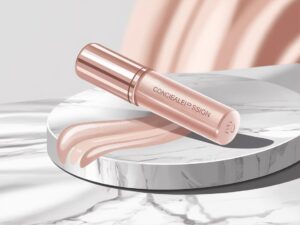
Imagine being able to confidently step out the door with your skin looking visibly smoother and more uniform. The right concealer doesn’t just cover; it can transform your confidence. But with countless options on the market, how do you choose the best concealer for hyperpigmentation? And once you have it, what’s the secret to applying it flawlessly without looking cakey or obvious? This comprehensive guide will walk you through everything you need to know, from understanding different types of dark spots to mastering application techniques and discovering recommended products that truly work. Get ready to unveil your most radiant skin!
Understanding Dark Spots: What Are They?
Before diving into how to cover them, it’s helpful to understand what dark spots are and why they appear. Dark spots are essentially areas of the skin where melanin (the pigment that gives skin its color) has been overproduced and deposited, leading to a darker patch. This process, known as hyperpigmentation, can be triggered by various factors.
Types of Hyperpigmentation
- Post-Inflammatory Hyperpigmentation (PIH): This is perhaps the most common type, occurring after skin inflammation or injury, such as acne breakouts, cuts, or burns. As the skin heals, it can leave behind a dark mark. These spots can range from pink to red, brown, or black, depending on your skin tone.
- Sun Spots (Lentigines): Also known as age spots or liver spots, these flat, oval areas of increased pigmentation appear on skin that has been frequently exposed to the sun. They are most common on the face, hands, and décolletage.
- Melasma: Often referred to as the “mask of pregnancy,” melasma is characterized by larger patches of brown or grayish-brown discoloration, primarily on the face. It’s often triggered by hormonal changes (like pregnancy, birth control pills) combined with sun exposure.
Understanding the type of dark spot you have can sometimes guide your long-term treatment, but for immediate coverage, a good concealer for dark spots on face remains the go-to solution.
Why Concealer is Your Best Ally Against Dark Spots
Concealer serves as an indispensable tool in any makeup kit, especially when dealing with uneven skin tone or hyperpigmentation. Its ability to provide targeted coverage makes it superior to foundation alone for specific concerns like dark spots.
Instant Coverage vs. Treatment
It’s important to distinguish between covering dark spots and treating them. While many skincare ingredients aim to reduce hyperpigmentation over time, concealer offers an immediate, albeit temporary, solution. It allows you to feel confident in your skin right now, without having to wait weeks or months for treatments to show results. This instant gratification is a powerful aspect of using a concealer for dark spots on face.
The Psychology of Flawless Skin
Beyond the physical aspect, the psychological impact of effectively concealing dark spots is significant. Achieving a more uniform complexion can boost self-esteem and reduce anxiety about one’s appearance. It allows individuals to focus on their day without worrying about their skin, fostering a sense of empowerment and readiness to face the world.
Choosing the Right Concealer For Dark Spots On Face
Selecting the perfect concealer for dark spots on face isn’t just about picking a random shade. It involves understanding color theory, formula types, and your specific skin needs. A well-chosen concealer will seamlessly blend into your skin, effectively neutralizing the dark spot without looking obvious.
Color Correcting: The Secret Weapon
For truly stubborn dark spots, especially those with strong undertones, color correction is a game-changer. Color correctors are tinted concealers designed to neutralize specific discolorations before you apply your skin-toned concealer or foundation.
- Orange/Peach Corrector: This is your go-to for blue, purple, or dark brown spots, common with severe hyperpigmentation or dark circles. The warmth of peach/orange cancels out the cool tones of the dark spot.
- Yellow Corrector: Best for mild redness or dullness, and sometimes effective for light purplish spots.
- Green Corrector: Specifically targets redness, such as from active breakouts or rosacea. While not directly for dark spots, it’s good to know for overall complexion correction.
When using a color corrector, remember to apply it sparingly and only on the darkest part of the spot. Blend it out gently before applying your skin-toned concealer for dark spots on face.
Shade Matching: Beyond Your Skin Tone
This is crucial. When choosing a concealer for dark spots on face, you generally want a shade that matches your skin tone exactly or is perhaps half a shade lighter. Avoid going too light, as this can make the spot look gray or chalky. Also, consider your skin’s undertone (warm, cool, neutral) to ensure the concealer blends seamlessly with your foundation.
A good tip is to swatch shades directly onto the area you want to conceal, if possible, or on your jawline, and check it in natural light. The goal is for the concealer to disappear into your skin.
Formula Matters: Cream, Liquid, Stick
The texture of your concealer plays a big role in its finish and longevity, especially when covering dark spots.
- Liquid Concealers: These are versatile, offering light to medium coverage that can be built up. They are generally good for most skin types and can look natural. Look for formulas labeled “full coverage” if your dark spots are prominent.
- Cream Concealers: Typically come in pots or palettes and offer medium to full coverage. They are excellent for covering dark spots due to their concentrated pigment and often thicker consistency. They can be more emollient, making them suitable for drier skin, but may require setting with powder.
- Stick Concealers: Offer convenient, often full coverage. They are portable and great for targeted application. However, some stick formulas can be drier and may emphasize texture if not applied carefully, so ensure it’s a creamy stick for dark spots.
For covering hyperpigmentation, a cream or full-coverage liquid concealer for dark spots on face is often the most effective choice.
Coverage Level: Full vs. Medium
When dealing with dark spots, full coverage concealer is usually preferred. It contains more pigment and can effectively mask discoloration without needing multiple layers, which can lead to a cakey appearance. Medium coverage can work for lighter spots, but you might find yourself needing to build it up, which increases the risk of product buildup.
Ingredients to Look For
Beyond coverage and shade, consider ingredients that benefit your skin:
- Non-comedogenic: Especially if your dark spots are due to acne, this prevents clogging pores.
- Hydrating ingredients: Hyaluronic acid or glycerin can prevent dryness and creasing.
- SPF: Some concealers offer added sun protection, which is crucial for preventing existing dark spots from worsening and new ones from forming.
- Skincare actives: Ingredients like Vitamin C, Niacinamide, or licorice root extract can offer mild treatment benefits over time, though their primary role in a concealer is usually coverage.
Mastering the Art of Application: A Step-by-Step Guide
Even the best concealer for dark spots on face won’t look good without proper application. Technique is key to achieving a seamless, natural-looking finish that lasts all day.
1. Prep Your Skin
Start with a clean, moisturized face. Hydrated skin provides a smooth canvas, preventing concealer from clinging to dry patches or looking patchy. A good primer can also create a barrier, helping the concealer adhere better and last longer, especially on areas prone to oiliness.
2. Color Correction First (If Needed)
If your dark spots are particularly stubborn or have a strong undertone (e.g., very dark brown or purplish), apply a thin layer of the appropriate color corrector (peach/orange) directly onto the spot. Use a small, precise brush or your fingertip to lightly dab and blend only the edges of the corrector. Allow it to set for a moment.
3. Applying Your Concealer
Now, apply your skin-toned concealer for dark spots on face. Less is often more.
- Dotting: Using a small brush or the applicator, dot a tiny amount of concealer directly onto the center of the dark spot. If you used a color corrector, apply the concealer over it.
- Dabbing, Not Rubbing: Gently dab or pat the concealer into the skin with your finger (the warmth helps it melt in), a small, dense concealer brush, or a damp beauty sponge. The key is to pat and press, working outwards from the center of the spot. Avoid rubbing, as this will just move the product around and reduce coverage.
- Blending the Edges: Ensure the edges of the concealed area are seamlessly blended into your surrounding skin and foundation (if you’ve already applied it). You want the concealer to disappear into your complexion.
- Layering (If Necessary): If the spot still shows through, apply another very thin layer using the same dabbing motion. Build up coverage gradually rather than applying a thick layer all at once.
4. Setting for Longevity
To ensure your concealed dark spots stay hidden all day, setting your concealer is crucial. Lightly dust a translucent or skin-toned setting powder over the concealed area using a fluffy brush or a damp sponge. Press the powder gently into the skin to lock the concealer in place, prevent creasing, and reduce shine.
Common Mistakes to Avoid
- Applying Too Much Product: This is the quickest way to achieve a cakey, unnatural look. Start small and build up.
- Using the Wrong Shade: A concealer that’s too light will highlight the spot, while one that’s too dark won’t provide adequate coverage.
- Rubbing Instead of Dabbing: Rubbing removes the product and can irritate the skin.
- Skipping Skin Prep: Dry or unprimed skin can make concealer look patchy and uneven.
Beyond Concealer: Complementary Strategies for Dark Spots
While a good concealer for dark spots on face provides excellent immediate coverage, combining it with a targeted skincare routine can lead to long-term improvement and a reduced reliance on heavy makeup.
Skincare Routine Essentials
- Daily SPF: Non-negotiable! Sun exposure is the primary cause of dark spots and can worsen existing ones. Use a broad-spectrum SPF 30 or higher every single day, rain or shine.
- Vitamin C: A powerful antioxidant that brightens skin, fades dark spots, and protects against environmental damage.
- Retinoids (Retinol/Tretinoin): These derivatives of Vitamin A accelerate cell turnover, helping to shed pigmented skin cells and reveal brighter skin.
- Niacinamide (Vitamin B3): Helps reduce the appearance of dark spots and improve overall skin tone.
- Alpha Hydroxy Acids (AHAs): Glycolic acid and lactic acid gently exfoliate the skin, helping to fade superficial dark spots over time.
Consistency is key with skincare. Incorporating these ingredients can significantly improve the appearance of hyperpigmentation, making your job easier when you reach for your concealer for dark spots on face.
Professional Treatments (Brief Mention)
For persistent or severe dark spots, consulting a dermatologist can open doors to professional treatments like chemical peels, laser therapy, or microneedling, which can offer more dramatic results than topical products alone.
Recommended Products
Finding the perfect concealer for dark spots on face can be a personal journey, but here are some highly-rated options known for their excellent coverage and performance on hyperpigmentation. Remember to choose shades that match your skin tone or opt for color correctors if needed.
NARS Radiant Creamy Concealer
A cult favorite known for its buildable medium-to-full coverage, luminous finish, and long-wearing formula. Excellent for covering dark spots without looking heavy.
Maybelline Instant Age Rewind Concealer
An affordable drugstore gem offering fantastic medium-to-full coverage. While popular for under-eyes, its creamy texture and sponge applicator make it effective for dark spots too.
L.A. Girl Pro Conceal HD Concealer
Incredibly budget-friendly and available in a wide range of shades, including excellent color correctors (peach, orange). Perfect for targeted application on dark spots and hyperpigmentation.
Dermablend Cover Crème Full Coverage
Known for its extreme coverage, this foundation can be used as a heavy-duty spot concealer for very prominent dark spots or tattoos. It’s smudge-resistant and long-wearing.
IT Cosmetics Bye Bye Under Eye Concealer
A highly pigmented, waterproof concealer that provides full coverage for dark spots and other imperfections. A little goes a long way, and it’s formulated with anti-aging ingredients.
Frequently Asked Questions About Concealer For Dark Spots On Face
Q1: Can concealer really make dark spots disappear?
No, concealer cannot make dark spots disappear permanently. It is a cosmetic product designed to temporarily cover and visually diminish the appearance of hyperpigmentation, making your skin look more even-toned. For actual fading and treatment of dark spots, you’ll need to use specific skincare ingredients like Vitamin C, retinoids, or consult a dermatologist for professional treatments.
Q2: Should I apply concealer before or after foundation?
Generally, if you’re using a color corrector, apply that first. Then, most makeup artists recommend applying foundation first to even out your overall skin tone. After foundation, you can then pinpoint any remaining dark spots and apply your concealer for dark spots on face precisely where needed. This approach prevents you from using too much concealer and ensures a more natural finish. However, if you’re not using foundation, apply concealer directly after primer/moisturizer.
Q3: How do I prevent concealer from creasing on dark spots?
Preventing creasing involves a few key steps: always prep your skin with moisturizer and primer, apply very thin layers of concealer for dark spots on face, blend thoroughly by dabbing rather than rubbing, and most importantly, set it with a light dusting of translucent or finely milled setting powder immediately after application. Avoid applying too much product initially.
Q4: What’s the difference between a regular concealer and a color corrector?
A regular concealer is typically skin-toned and designed to blend with your complexion to cover blemishes, dark circles, or dark spots. A color corrector, on the other hand, uses specific complementary colors (like peach/orange for dark spots, green for redness) to neutralize strong discolorations before you apply your regular skin-toned concealer or foundation. Color correctors are used underneath and in much smaller amounts.
Q5: How do I find my perfect shade match for a dark spot?
When selecting a concealer for dark spots on face, aim for a shade that precisely matches your skin tone or is just half a shade lighter. Test shades on your jawline or the back of your hand, and ideally, on the actual dark spot if possible. Check the color in natural light. The goal is for the concealer to seamlessly disappear into your surrounding skin without leaving a noticeable difference in color or undertone.
Q6: Can men use concealer for dark spots?
Absolutely! Concealer is a beauty tool for everyone. Many men use concealer to cover dark spots, redness, or undereye circles for a more even and polished appearance. The principles of choosing the right shade and applying it subtly apply equally to men. The key is to blend it seamlessly for a natural, undetectable finish.
Conclusion
Dark spots on the face can be a persistent challenge, but with the right knowledge and tools, achieving a smooth, even-toned complexion is well within reach. This guide has armed you with everything you need to know about choosing and applying the perfect concealer for dark spots on face. Remember, it’s not just about covering imperfections; it’s about boosting your confidence and allowing your natural beauty to shine through.
From understanding the nuances of different hyperpigmentation types to mastering the art of color correction and precise application, you now have a comprehensive roadmap. Don’t forget the power of pairing your makeup routine with a consistent, protective skincare regimen – especially daily SPF – to not only conceal but also to actively work towards reducing dark spots over time. Experiment with different formulas and techniques, practice patience, and soon you’ll be a pro at flawlessly covering dark spots, revealing the radiant, confident you.
“`