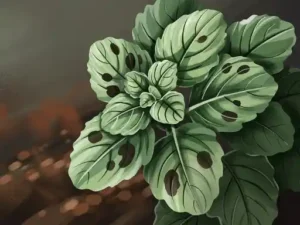
These mysterious dark patches can range from tiny specks to larger blotches, sometimes appearing black, brown, or purplish. They might be accompanied by other symptoms like wilting, yellowing, or even a fuzzy growth. Understanding the root cause of these dark spots on oregano leaves is the first step toward effective treatment and prevention. Is it a common pest, a tricky fungal infection, or simply an environmental hiccup? This comprehensive guide will delve into the various reasons behind these discolorations, equip you with the knowledge to diagnose the problem, and provide practical, actionable solutions to restore your oregano to its former glory. Let’s get to the bottom of those dark spots and ensure your oregano thrives!
Understanding Dark Spots On Oregano Leaves
When you spot dark spots on oregano leaves, it’s natural to feel a pang of worry. These discolorations can manifest in various ways, from small, pinpoint blemishes to larger, irregular blotches that seem to spread. The color itself can vary, appearing black, dark brown, purplish, or even a deep reddish hue. Sometimes, these spots might have a distinct border, while other times they blend into the leaf tissue, making diagnosis tricky.
The presence of these spots often indicates that your oregano plant is under some form of stress or attack. It’s the plant’s way of telling you that something isn’t quite right in its environment or that it’s battling an invader. While some spots might be purely cosmetic and harmless, others can signal a serious issue that could compromise the plant’s health, vigor, and even its survival if left untreated. Understanding the visual characteristics of these spots is crucial for pinpointing the underlying problem.
Common Causes of Dark Spots on Oregano Leaves
Diagnosing the cause of dark spots on oregano leaves requires a bit of detective work. Several factors, ranging from biological pathogens to environmental stressors, can contribute to these unsightly marks. Here’s a breakdown of the most common culprits:
Fungal Diseases
Fungal infections are among the most frequent causes of leaf spots in many herbs, including oregano. They thrive in damp, humid conditions and often spread rapidly.
- Leaf Spot Diseases: Various fungi can cause distinct spots. These typically start as small, circular, water-soaked lesions that turn brown or black as they mature. They might have a yellow halo around them. Common fungi include those from the genera Alternaria or Cercospora.
- Powdery Mildew: While primarily known for its white, powdery growth, severe cases of powdery mildew can cause leaf tissue to yellow, brown, and eventually develop dark, necrotic spots as the affected areas die off.
- Rust: Less common on oregano, but some rust fungi can cause raised, blister-like spots that eventually rupture to release powdery spores, often reddish-brown or orange. In later stages, these areas can become dark and necrotic.
Bacterial Diseases
Bacterial infections can also lead to dark spots, often distinguishable from fungal issues by their appearance.
- Bacterial Leaf Spot: These spots often appear water-soaked initially, then turn dark brown or black. They tend to be angular, confined by leaf veins, and may have a greasy or translucent appearance when held up to light. The spots can merge, causing large areas of the leaf to die.
Pest Infestations
While pests don’t directly cause dark spots, their feeding damage can weaken the plant, making it susceptible to secondary infections, or the damage itself can appear as discoloration.
- Aphids and Spider Mites: These tiny insects suck sap from leaves, leading to stippling (tiny yellow or white dots). Over time, severe infestations can stress the plant, causing leaves to yellow, curl, and eventually develop dark necrotic spots where tissue has died. Spider mites, in particular, can leave tiny dark spots of their waste, and their webbing can trap moisture, encouraging fungal growth.
- Thrips: These slender insects also feed on plant sap, causing silvery streaks and distorted growth. Affected areas can later turn brown or black.
Environmental Stressors
Sometimes, the problem isn’t a pathogen or pest, but rather an imbalance in the plant’s growing conditions.
- Overwatering/Underwatering:
- Overwatering: Leads to root rot, which starves the plant of oxygen and nutrients. Symptoms include yellowing leaves, wilting, and eventually dark, mushy spots or entire leaves turning black as they die.
- Underwatering: Causes leaves to dry out, curl, and turn crispy. Severe underwatering can lead to brown or black patches where tissue has desiccated.
- Nutrient Deficiencies/Excesses:
- Potassium Deficiency: Can cause yellowing along leaf margins, followed by browning or blackening of the edges and tips.
- Magnesium Deficiency: Leads to interveinal chlorosis (yellowing between veins), which can progress to dark, necrotic spots.
- Boron Toxicity: While rare, excessive boron can cause dark spots on leaf margins and tips.
- Temperature Extremes:
- Cold Damage: Exposure to freezing temperatures can cause plant cells to rupture, leading to dark, water-soaked spots that turn black.
- Heat Stress/Sunburn: Intense, direct sunlight, especially after a period of shade or insufficient watering, can scorch leaves, causing brown or black spots.
- Poor Air Circulation: High humidity combined with poor airflow creates an ideal environment for fungal diseases to flourish, leading to various types of leaf spots.
Physical Damage
Sometimes the cause is simply mechanical injury.
- Handling or Wind Damage: Rough handling, strong winds, or even hail can bruise leaves, creating dark, necrotic spots where cells have been crushed.
Diagnosing the Problem: Your Oregano Detective Kit
To effectively treat the dark spots on your oregano leaves, you need to play plant detective. A thorough inspection is crucial:
- Examine Closely: Look at the size, shape, color, and texture of the spots. Are they round, angular, raised, sunken, fuzzy, or greasy?
- Check Both Sides of Leaves: Pests often hide on the undersides. Look for webbing (spider mites), sticky residue (aphids), or tiny insects.
- Inspect Stems and Soil: Look for any discoloration, rot, or unusual growth on stems. Check the soil for mold, signs of overwatering (soggy, foul smell), or underwatering (dry, cracked).
- Recall Recent Conditions: Have you changed watering habits? Been hit by a cold snap or heatwave? Applied new fertilizers? These details can provide vital clues.
- Assess Airflow: Is your oregano too crowded with other plants? Is it in a humid, stagnant corner?
Prevention Strategies for Healthy Oregano Leaves
Prevention is always better than cure when it comes to keeping your oregano free from dark spots on oregano leaves. Implementing good gardening practices can significantly reduce the risk of problems:
- Proper Watering: Water deeply but infrequently, allowing the top inch or two of soil to dry out between waterings. Avoid overhead watering, which can leave leaves wet and encourage fungal growth. Water at the base of the plant in the morning.
- Adequate Air Circulation: Space plants appropriately to allow for good airflow. If growing indoors, ensure good ventilation. Prune dense growth to improve air circulation within the plant canopy.
- Sufficient Sunlight: Oregano thrives in full sun (at least 6 hours per day). Ensure it gets enough light to stay vigorous and resist disease.
- Well-Draining Soil: Use a high-quality potting mix for containers or ensure garden soil is sandy and well-draining. Oregano hates wet feet.
- Balanced Nutrition: Provide a balanced, slow-release organic fertilizer if needed, but oregano generally doesn’t require heavy feeding. Avoid over-fertilizing, which can burn roots or encourage soft, susceptible growth.
- Pest Monitoring: Regularly inspect your plants for early signs of pests. Catching an infestation early makes it much easier to manage.
- Sanitation: Remove any fallen leaves or plant debris from around the base of the plant. Sterilize pruning tools between uses to prevent the spread of disease.
Treatment and Management of Dark Spots
Once you’ve identified the likely cause of the dark spots on oregano leaves, you can take targeted action:
For Fungal or Bacterial Diseases:
- Pruning: Immediately remove and destroy all affected leaves and severely infected stems. Do not compost diseased plant material.
- Improve Conditions: Increase air circulation and reduce humidity. Ensure proper watering techniques.
- Fungicides/Bactericides:
- Organic Options: Neem oil, copper-based fungicides, or sulfur-based sprays can be effective against many fungal issues. Always follow product instructions carefully.
- Chemical Options: For severe cases, specific fungicides or bactericides may be necessary, but try organic methods first, especially for edible herbs.
For Pest Infestations:
- Manual Removal: For light infestations, physically remove pests by hand, or spray them off with a strong stream of water (especially for aphids).
- Insecticidal Soap: An effective organic option for soft-bodied insects like aphids, spider mites, and thrips. Ensure thorough coverage, especially on leaf undersides.
- Neem Oil: A broad-spectrum organic pesticide that acts as an anti-feedant and growth disruptor. Use according to product directions.
- Beneficial Insects: Introduce natural predators like ladybugs or lacewings to control pest populations.
For Environmental Stress:
- Watering Adjustment: If overwatering, allow soil to dry out more. If underwatering, provide consistent moisture. Consider a moisture meter.
- Nutrient Correction: If a deficiency is suspected, use a balanced liquid feed or soil amendment. A soil test can confirm specific nutrient imbalances.
- Relocation/Protection: Move potted plants to a more suitable location with appropriate light and temperature. Provide shade during intense heat or cover during unexpected cold snaps.
- Soil Amendment: If drainage is poor, amend garden soil with compost and sand, or repot container plants into fresh, well-draining mix.
When to Worry (and When Not To)
It’s important to distinguish between minor cosmetic blemishes and serious threats to your oregano. A few small, isolated dark spots on oregano leaves, especially on older leaves, might not be a cause for alarm. If the plant is otherwise healthy, growing vigorously, and producing new, clean foliage, it might just be a natural aging process or a minor environmental fluctuation.
However, you should worry if:
- The spots are spreading rapidly to new leaves or across the entire plant.
- The spots are accompanied by other severe symptoms like wilting, yellowing, stunted growth, or significant leaf drop.
- You observe visible signs of pests (webs, insects, sticky residue) or fungal growth (fuzzy mold).
- The plant’s overall vigor is declining, and it stops producing new growth.
In these cases, prompt action is necessary to save your oregano plant.
Recommended Products
To help you keep your oregano healthy and vibrant, here are some products that can assist in preventing and treating common issues leading to dark spots:
Organic Neem Oil Spray
An excellent natural pesticide and fungicide, effective against a wide range of pests and some fungal diseases that cause dark spots on oregano leaves.
Plant Moisture Meter
Helps prevent overwatering and underwatering, two common environmental stressors that can lead to dark spots and root issues in oregano.
Organic Copper Fungicide
A proven organic solution for managing various fungal and bacterial leaf spot diseases. Always follow label instructions for application.
Insecticidal Soap for Plants
A gentle yet effective treatment for soft-bodied pests like aphids and spider mites, which can cause damage that leads to dark spots.
Frequently Asked Questions About Dark Spots On Oregano Leaves
Q1: Are dark spots on oregano leaves always harmful?
Not always. A few isolated dark spots, especially on older leaves, might be harmless cosmetic damage from minor environmental stress or the natural aging process of the leaf. However, if the spots are spreading rapidly, accompanied by wilting, yellowing, or overall plant decline, then it’s likely a more serious issue requiring attention.
Q2: Can I still eat oregano with dark spots?
It depends on the cause. If the spots are due to a minor pest issue (like a few aphids) or purely cosmetic damage, and the rest of the plant appears healthy, you can usually still consume the unaffected parts of the leaves after washing them thoroughly. However, if the spots are widespread, caused by a known pathogen (like a severe fungal or bacterial infection), or if you’ve applied chemical treatments, it’s best to err on the side of caution and discard the affected leaves or the entire plant.
Q3: How do I prevent dark spots on my oregano?
Prevention is key! Ensure your oregano receives adequate sunlight (6+ hours), has good air circulation, and is planted in well-draining soil. Practice proper watering techniques by allowing the soil to dry out between waterings and avoiding overhead irrigation. Regularly inspect your plant for early signs of pests or disease, and remove any affected leaves promptly.
Q4: What’s the best organic treatment for fungal spots on oregano?
For organic treatment of fungal spots, start by pruning and destroying all affected leaves to prevent further spread. Improve air circulation and reduce humidity around the plant. You can then apply an organic fungicide such as Neem oil, which has fungicidal properties, or a copper-based fungicide (ensure it’s labeled for organic use and edible plants). Always follow the product’s instructions carefully.
Q5: Why are my oregano leaves turning black?
Oregano leaves turning black usually indicates a more severe issue than simple dark spots. Common causes include severe overwatering leading to root rot, which causes leaves to blacken and become mushy. It can also be a sign of cold damage or frostbite, where cells rupture and turn black. Advanced fungal or bacterial infections can also cause entire leaves or large sections to turn black and die. Assess your watering habits and recent environmental conditions immediately.
Conclusion
Finding dark spots on oregano leaves can be a source of frustration, but with a keen eye and a bit of knowledge, you can often diagnose and remedy the problem effectively. Remember that these spots are your plant’s way of communicating distress, whether it’s battling a fungal foe, fending off pests, or simply reacting to less-than-ideal growing conditions. By carefully observing the characteristics of the spots and the overall health of your oregano, you can pinpoint the cause.
The key to a thriving oregano plant lies in proactive care: providing ample sunlight, ensuring good air circulation, practicing mindful watering, and maintaining well-draining soil. Regular inspection for early signs of trouble will empower you to act quickly, often preventing minor issues from escalating into major plant health crises. With the right approach, you can banish those dark spots, restore your oregano’s vitality, and continue to enjoy its fresh, fragrant leaves in all your culinary creations. Happy gardening!
“`