
Are you bothered by dark spots on the legs that just won’t seem to fade? You’re not alone. Many people experience various forms of skin discoloration, making them feel self-conscious, especially when wearing shorts or skirts. These stubborn marks, often referred to as hyperpigmentation, can range from small, scattered dots to larger, more prominent patches, affecting skin texture and tone. Understanding what causes these dark areas is the first step toward finding effective solutions.
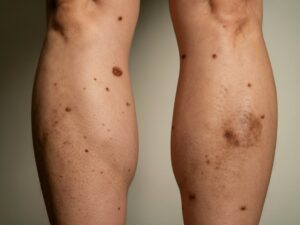
This comprehensive guide will delve deep into the world of dark spots on the legs, exploring their common culprits, effective prevention strategies, and a range of treatment options—from at-home remedies to professional interventions. We’ll cover everything you need to know to achieve smoother, more even-toned skin on your legs, helping you regain confidence and comfort. Get ready to uncover the secrets to tackling those persistent dark spots!
Understanding Dark Spots On The Legs
Dark spots on the legs, medically known as post-inflammatory hyperpigmentation (PIH) or simply hyperpigmentation, occur when the skin produces an excess of melanin in response to injury, inflammation, or other triggers. Melanin is the pigment responsible for skin color, and an overproduction leads to darker patches. While typically harmless, these spots can be aesthetically bothersome and slow to fade without proper care.
What Causes Dark Spots On The Legs?
Several factors can contribute to the development of dark spots on the legs. Identifying the root cause is crucial for effective treatment and prevention.
- Sun Exposure: One of the most common culprits. Prolonged or unprotected exposure to UV rays can stimulate melanin production, leading to sunspots (lentigines) or exacerbating existing hyperpigmentation. This is why many people notice brown spots on legs after summer.
- Post-Inflammatory Hyperpigmentation (PIH): This is arguably the most frequent cause of discoloration on legs. Any form of skin trauma or inflammation can trigger PIH. This includes:
- Insect Bites: Mosquito bites, spider bites, or other insect stings often leave behind red, itchy bumps that can turn into persistent dark marks once healed.
- Scratches and Abrasions: Minor injuries, cuts, or scrapes on the legs can result in PIH as the skin heals.
- Acne on Legs: While less common than on the face or back, breakouts on the legs can leave behind dark spots, especially if picked or squeezed.
- Folliculitis and Ingrown Hairs: Inflamed hair follicles or ingrown hairs, common after shaving or waxing, can cause irritation and subsequent dark spots. The “chicken skin” appearance often comes with these.
- Friction: Constant rubbing from tight clothing, footwear, or even skin-on-skin contact can lead to hyperpigmentation, particularly in areas like the inner thighs or knees.
- Certain Medical Conditions:
- Venous Insufficiency/Varicose Veins: Poor circulation can lead to blood pooling in the lower legs, causing a reddish-brown discoloration known as stasis dermatitis.
- Diabetes: Some diabetic skin conditions, like acanthosis nigricans, can cause dark, velvety patches, often in skin folds, but can also appear on legs.
- Addison’s Disease: A rare adrenal disorder that can cause generalized skin darkening.
- Medications: Certain drugs, such as some antibiotics, anti-inflammatory drugs, or chemotherapy agents, can cause drug-induced hyperpigmentation.
- Aging: As we age, our skin’s ability to regulate melanin production can decrease, leading to an increase in age spots (lentigines) on sun-exposed areas like the legs.
Types of Dark Spots You Might See
While the term “dark spots on the legs” is broad, they can manifest in different forms:
- Brown Spots: Often sunspots or age spots, these are typically flat and uniform in color.
- Black Spots: Can be very dark PIH from severe inflammation, or sometimes confused with moles or even small blood clots. Any new or changing black spot should be checked by a doctor.
- Reddish-Brown Spots: Commonly seen with PIH, especially after acne, insect bites, or ingrown hairs.
- Purplish Spots: Can indicate older bruising, or sometimes related to vascular issues like stasis dermatitis.
Preventing Dark Spots On Your Legs
Prevention is always better than cure when it comes to hyperpigmentation on legs. Adopting a few simple habits can significantly reduce your risk of developing new spots and help existing ones fade faster.
Sun Protection is Key
Since sun exposure is a major trigger, protecting your legs from harmful UV rays is paramount.
- Daily Sunscreen Application: Apply a broad-spectrum sunscreen with an SPF of 30 or higher to your legs every day, even on cloudy days. Reapply every two hours if you’re outdoors or swimming.
- Protective Clothing: Wear long pants or skirts, especially when spending extended periods in the sun. Look for clothing with UPF (Ultraviolet Protection Factor) for added defense.
- Seek Shade: Limit your time in direct sunlight, particularly during peak hours (10 AM to 4 PM).
Skincare Habits That Help
Good skincare practices can prevent inflammation and promote healthy skin cell turnover.
- Gentle Exfoliation: Regular, gentle exfoliation (1-2 times a week) helps remove dead skin cells and prevents ingrown hairs, which can lead to dark spots. Use chemical exfoliants like AHAs (glycolic acid, lactic acid) or BHAs (salicylic acid) for best results.
- Moisturize Daily: Keeping your skin hydrated with a good moisturizer strengthens its barrier function, making it less prone to irritation and inflammation.
- Avoid Picking and Scratching: Resist the urge to pick at insect bites, acne, or scabs on your legs, as this almost always leads to PIH.
- Shaving and Hair Removal Techniques:
- Use a sharp, clean razor and shave in the direction of hair growth to minimize irritation and ingrown hairs.
- Always use a shaving cream or gel.
- Consider alternatives like epilating, waxing (if done properly), or laser hair removal to reduce inflammation.
Addressing Underlying Issues
If your dark spots are linked to specific conditions, managing those conditions is vital.
- Manage Varicose Veins: If you have venous insufficiency, consult a doctor for treatment options to improve circulation and reduce discoloration.
- Control Diabetes: For individuals with diabetes, maintaining stable blood sugar levels can help prevent associated skin conditions.
- Identify Allergens: If you suspect an allergic reaction is causing inflammation, try to identify and avoid the allergen.
Effective Treatments for Dark Spots On The Legs
Once dark spots on the legs have appeared, a variety of treatments can help lighten them and improve overall skin tone. The best approach often combines several methods.
Over-the-Counter Solutions
Many topical ingredients can be highly effective for treating hyperpigmentation. Look for products containing these active ingredients:
- Niacinamide (Vitamin B3): Reduces inflammation and inhibits melanin transfer to skin cells.
- Vitamin C (Ascorbic Acid): A powerful antioxidant that brightens skin and inhibits melanin production.
- Alpha Arbutin/Kojic Acid: Natural skin lighteners that block melanin synthesis.
- Alpha Hydroxy Acids (AHAs) & Beta Hydroxy Acids (BHAs): Such as glycolic acid, lactic acid, and salicylic acid. These exfoliate the skin, promoting cell turnover and helping to shed pigmented cells.
- Retinoids (Retinol, Adapalene): Speed up cell turnover, pushing new, unpigmented cells to the surface. Start with a lower concentration to avoid irritation on the legs.
- Hydroquinone: A strong skin-lightening agent available OTC in lower concentrations (2%) or by prescription. Use with caution and only for limited periods due to potential side effects.
Tip: Consistency is key. It can take weeks to months to see significant improvement with OTC products.
Professional Treatments
For more stubborn or widespread discoloration on legs, professional treatments offered by dermatologists can provide faster and more dramatic results.
- Chemical Peels: A dermatologist applies a chemical solution to exfoliate the top layers of skin, revealing brighter, more even-toned skin underneath. Different strengths are available.
- Laser Therapy:
- IPL (Intense Pulsed Light): Targets pigment, breaking it down.
- PicoSure/Nd:YAG Lasers: Specifically target melanin with rapid pulses, effective for various types of hyperpigmentation.
- Microdermabrasion: A minimally invasive procedure that uses a specialized applicator to gently sand away the thick outer layer of the skin.
- Prescription Creams: Your dermatologist may prescribe stronger formulations of retinoids, hydroquinone, or other depigmenting agents.
Always consult with a board-certified dermatologist to determine the most appropriate treatment plan for your specific skin type and the nature of your dark spots on the legs.
Natural Remedies (Use with Caution)
While often less potent than clinical treatments, some natural ingredients are believed to help lighten dark spots. Always patch test before applying to a large area.
- Aloe Vera: Contains aloin, a natural depigmenting compound. Apply fresh aloe vera gel to the affected areas.
- Lemon Juice: A natural bleaching agent due to its citric acid content. However, it can be highly irritating and makes skin very photosensitive. Use with extreme caution, dilute it, and avoid sun exposure.
- Potato Slices: Contains catecholase, an enzyme that some believe can help lighten skin. Rub thin slices on the spots.
When to See a Doctor About Dark Spots
While most dark spots on the legs are benign, it’s always wise to consult a healthcare professional, especially a dermatologist, if you notice any of the following:
- Changes in size, shape, or color: Any spot that grows, becomes irregular, or changes hue should be checked for melanoma or other skin cancers.
- Itching, bleeding, or pain: These symptoms are red flags and warrant medical attention.
- Sudden appearance of many new spots: This could indicate an underlying systemic issue.
- Concern about underlying health issues: If you suspect your dark spots are related to conditions like diabetes or circulatory problems, seek medical advice.
- Home remedies or OTC treatments are ineffective: If you’ve been trying to treat your dark spots for several months without success, a dermatologist can offer more advanced solutions.
Recommended Products
To help you on your journey to clearer skin, here are some product suggestions that incorporate the active ingredients discussed above. Remember to always patch test new products and follow usage instructions carefully, especially with potent ingredients.
Neutrogena Hydro Boost Body Gel Cream
A lightweight, hyaluronic acid-rich moisturizer perfect for daily hydration without feeling greasy, strengthening the skin barrier.
CeraVe SA Lotion for Rough & Bumpy Skin
Contains salicylic acid (BHA) to gently exfoliate and smooth rough skin, helping to prevent ingrown hairs and promote cell turnover for dark spots.
Paula’s Choice 2% BHA Liquid Exfoliant
A highly-rated salicylic acid exfoliant that effectively penetrates pores to clear congestion and reduce inflammation, ideal for treating and preventing PIH.
The Ordinary Niacinamide 10% + Zinc 1%
A potent serum that helps reduce the appearance of skin blemishes and congestion, and is excellent for improving skin tone and reducing dark spots.
Supergoop! PLAY Everyday Lotion SPF 50
A broad-spectrum, water-resistant sunscreen that offers excellent protection for your body, crucial for preventing new dark spots and protecting existing ones.
Frequently Asked Questions About Dark Spots On The Legs
Q1: How long does it take for dark spots on the legs to fade?
A: The fading time for dark spots on the legs varies widely depending on their cause, depth, and your skin type. Mild spots from superficial inflammation might fade in a few weeks to a couple of months with consistent treatment. Deeper or older spots, especially those from sun damage or significant trauma, can take several months to a year, or even longer, to significantly lighten. Professional treatments can often accelerate this process.
Q2: Can shaving cause dark spots on my legs?
A: Yes, shaving can definitely contribute to dark spots on the legs. Improper shaving techniques can lead to razor burn, nicks, cuts, and ingrown hairs. These are all forms of skin trauma and inflammation, which can trigger post-inflammatory hyperpigmentation (PIH) as the skin heals, resulting in dark marks. Using a sharp razor, shaving gel, and moisturizing afterwards can help minimize this risk.
Q3: Are dark spots on legs always harmless?
A: Most dark spots on the legs (like PIH or sunspots) are benign and pose no health risk. However, it’s crucial to be vigilant. Any new dark spot that changes in size, shape, or color, or that itches, bleeds, or is painful, should be examined by a dermatologist to rule out more serious conditions like melanoma or other skin cancers.
Q4: Can diet affect dark spots on the legs?
A: While diet doesn’t directly cause or cure dark spots on the legs, a healthy diet rich in antioxidants (found in fruits and vegetables) can support overall skin health and its ability to heal and protect itself from damage. Staying hydrated is also important for skin elasticity and regeneration. However, dietary changes alone are unlikely to be a primary solution for existing hyperpigmentation.
Q5: Is it possible to completely remove dark spots?
A: While it’s challenging to achieve “100% removal” for all dark spots on the legs, significant improvement and near-complete fading are often possible with a consistent and targeted treatment plan. A combination of diligent sun protection, topical treatments, and potentially professional procedures can dramatically reduce their appearance, making them much less noticeable or even invisible.
Conclusion
Dark spots on the legs are a common skin concern, but they don’t have to be a permanent fixture. By understanding the diverse causes—from sun exposure and insect bites to ingrown hairs and underlying medical conditions—you can take proactive steps toward prevention and effective treatment. Remember, consistent sun protection is your first line of defense against new spots and vital for preventing existing ones from worsening.
Whether you opt for over-the-counter solutions packed with potent ingredients like niacinamide and retinoids, or seek professional interventions such as chemical peels and laser therapy, patience and consistency are your greatest allies. Don’t hesitate to consult a dermatologist if you’re unsure about the cause of your discoloration on legs or if any spots exhibit concerning changes. With the right approach, you can achieve clearer, more even-toned skin on your legs, allowing you to confidently embrace every season.
“`