These distinctive plants can add incredible visual interest and a touch of sophistication to any indoor or outdoor space. From the whimsical speckles of a Polka Dot Plant to the elegant stripes of a Calathea, the variations are endless. However, not all white spots are created equal; some are a sign of healthy, vibrant growth, while others might signal a pest infestation or environmental stress. This comprehensive guide will explore the most popular species featuring dark green leaves with white spots, delve into the potential causes of such markings, and provide you with essential care tips to keep your spotted beauties thriving. Get ready to uncover the secrets behind these captivating botanical wonders!
Unveiling the Beauty: What is a Plant With Dark Green Leaves And White Spots?
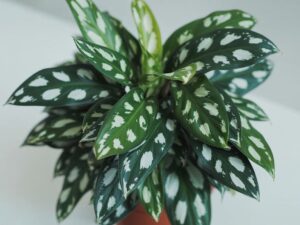
The phrase “plant with dark green leaves and white spots” can refer to a fascinating array of botanical specimens. Most commonly, it describes plants that exhibit natural variegation – a genetic mutation that causes areas of the leaf tissue to lack chlorophyll, resulting in white, cream, or yellow patterns against the dominant green. These patterns can range from delicate speckles and bold splashes to intricate marbling and defined stripes, making each leaf a miniature work of art.
However, the term can also encompass plants that develop white spots due to external factors, such as environmental stress, pest infestations, or fungal diseases. Distinguishing between natural variegation and problematic spots is crucial for the health and longevity of your plant. Understanding the difference will empower you to provide appropriate care, celebrate natural beauty, or intervene effectively when trouble arises.
Naturally Variegated Wonders: Stunning Plants with Dark Green Leaves and White Spots
Many popular houseplants and garden specimens naturally display stunning white patterns on their dark green foliage. These plants are prized for their unique aesthetics and ability to add visual drama to any collection. Here are some of the most beloved varieties:
- Polka Dot Plant (Hypoestes phyllostachya): True to its name, this charming plant features vibrant green leaves liberally speckled with white (or pink/red) dots. It’s a fantastic choice for adding a playful touch.
- Begonia Maculata (Wightii): Often called the “Polka Dot Begonia” or “Angel Wing Begonia,” this plant is instantly recognizable by its long, dark green leaves adorned with prominent silver-white spots on the upper surface and a rich red underside. It’s a showstopper!
- Calathea ‘White Fusion’: A truly exquisite and somewhat challenging plant, ‘White Fusion’ boasts intricate patterns of white and light green streaks against a dark green background, with purple undersides. Each leaf is a masterpiece.
- Aglaonema ‘White Stem’ (Chinese Evergreen): Many Aglaonema varieties feature beautiful variegation. ‘White Stem’ stands out with its prominent white or silver patterns often running along the veins or splashed across the dark green leaves.
- Dieffenbachia (Dumb Cane): Various Dieffenbachia cultivars display dark green leaves with splashes, speckles, or entire sections of white or cream. They are robust and can grow quite large, making a bold statement.
- Syngonium Podophyllum ‘White Butterfly’ (Arrowhead Plant): This versatile vine features arrow-shaped dark green leaves with a prominent white or creamy center, often resembling a butterfly’s wings.
- Fittonia Albivenis (Nerve Plant): While often known for pink or red veins, Fittonia also comes in varieties with striking white veins contrasting sharply against deep green leaves, creating a delicate, intricate pattern.
- Dracaena Surculosa ‘Florida Beauty’ (Spotted Dracaena): This unique Dracaena has oval, dark green leaves heavily speckled with bright yellow or white spots, giving it a confetti-like appearance.
When White Spots Signal Trouble: Identifying and Addressing Issues
Sometimes, white spots appearing on your dark green foliage with white spots aren’t a natural feature but a sign of a problem. Being able to differentiate between healthy variegation and distress signals is vital for timely intervention.
Common Causes of Problematic White Spots:
- Pest Infestations:
- Mealybugs: These soft-bodied insects create fuzzy, cotton-like white masses, often in leaf axils or on undersides. They suck plant sap, leading to weakened growth.
- Spider Mites: Tiny arachnids that cause fine white stippling on leaves, often accompanied by delicate webbing. The spots are actually chlorophyll damage.
- Scale Insects: While often brown or black, some scale species appear as small, oval, raised white bumps on stems and leaves.
- Fungal/Bacterial Diseases:
- Powdery Mildew: This is a classic example, appearing as a powdery white coating on leaves and stems. It can inhibit photosynthesis and weaken the plant if left untreated.
- Downy Mildew: Less common indoors, but can cause fuzzy white growth on the underside of leaves, with yellow spots on the upper surface.
- Environmental Stress & Other Factors:
- Mineral Deposits (Hard Water Stains): If you mist your plants with hard water or water from above, white, chalky residue can accumulate on the leaves as the water evaporates. This is often easily wiped away.
- Edema: Caused by inconsistent watering (overwatering followed by drying), where cells absorb too much water and burst, creating blister-like spots that can sometimes appear whitish.
- Sunburn/Light Stress: Too much direct, intense sunlight can bleach or scorch parts of the leaves, creating pale or white patches, especially on plants not accustomed to it.
- Chemical Residue: Sprays (pesticides, foliar feeds) can leave a white residue if not applied correctly or if the product itself leaves a mark.
Essential Care Tips for Your Spotted Beauties
Whether your plant boasts natural variegation or is recovering from an issue, proper care is paramount. Here’s how to ensure your plant with dark green leaves and white spots thrives:
- Light: Variegated plants often need brighter, indirect light than their all-green counterparts. The white parts of the leaves lack chlorophyll and cannot photosynthesize, so the green parts need more light to compensate. Avoid direct harsh sun, which can scorch delicate white areas.
- Watering: Consistency is key. Allow the top inch or two of soil to dry out before watering again. Overwatering can lead to root rot, while underwatering can cause stress. Use a moisture meter or the “finger test” to gauge soil dampness.
- Humidity: Many plants with intricate foliage patterns, especially tropical ones, prefer higher humidity. Consider using a humidifier, pebble tray, or grouping plants together.
- Soil: A well-draining potting mix is essential. Look for mixes that contain perlite, coco coir, or bark to ensure good aeration and prevent waterlogging.
- Fertilization: During the growing season (spring and summer), feed your plant with a balanced liquid fertilizer diluted to half strength every 2-4 weeks. Reduce or stop fertilizing in fall and winter.
- Pruning: Trim away any yellowing, damaged, or entirely green (reverted) leaves to maintain the plant’s aesthetic and encourage bushier growth. For plants with pest or disease issues, prompt removal of affected leaves can prevent spread.
- Pest Prevention & Treatment: Regularly inspect your plants for signs of pests. If detected, treat immediately with insecticidal soap, neem oil, or appropriate organic pesticides. Isolate affected plants to prevent spread.
- Cleaning Leaves: Gently wipe down leaves with a soft, damp cloth to remove dust and hard water stains. This also allows the plant to photosynthesize more efficiently.
Choosing the Right Plant for You
When selecting a plant with dark green leaves and white spots, consider your living conditions and preferences:
- Light Availability: Do you have bright, indirect light or more moderate conditions? This will narrow down your choices significantly.
- Humidity Levels: If your home is dry, opt for more forgiving plants like Aglaonema or Dieffenbachia, or be prepared to supplement humidity for plants like Calatheas.
- Pet Safety: Many beautiful variegated plants are toxic if ingested. If you have pets, prioritize non-toxic options such as the Polka Dot Plant (mildly toxic, but usually not severely harmful), Fittonia, or certain Peperomia varieties. Always research specific plant toxicity before bringing it home.
- Maintenance Level: Some variegated plants, especially those with high white content, can be more finicky. Start with easier varieties if you’re a beginner.
Recommended Products
Indoor Hygrometer Thermometer
Essential for monitoring humidity levels, especially for tropical plants prone to white spots from low humidity.
Organic Neem Oil Spray
A natural and effective solution for treating and preventing common pests like mealybugs and spider mites that cause white spots.
Plant Moisture Meter
Take the guesswork out of watering. A moisture meter helps prevent both over and underwatering, reducing stress-related white spots.
Premium Well-Draining Potting Mix
The foundation of a healthy plant. A good mix prevents waterlogging, which can lead to root rot and other issues.
FAQ Section: Your Questions About Plants with Dark Green Leaves and White Spots Answered
Here are some frequently asked questions to further assist you in understanding and caring for a plant with dark green leaves and white spots.
Q1: Is my plant with white spots healthy?
It depends. If the white spots are uniform, consistent, and part of the plant’s natural pattern (like on a Begonia Maculata or Polka Dot Plant), then yes, it’s likely healthy variegation. However, if the spots appear suddenly, look fuzzy, powdery, or are accompanied by other symptoms like stickiness, wilting, or distorted growth, it’s a sign of a pest infestation, fungal disease, or environmental stress, and your plant may not be healthy.
Q2: What causes white spots on dark green leaves?
White spots on dark green leaves can be caused by several factors. The most desirable cause is natural variegation, a genetic trait that results in areas without chlorophyll. Other causes include common pests like mealybugs (fuzzy white masses) or spider mites (fine white stippling), fungal diseases such as powdery mildew (powdery white coating), or environmental issues like mineral deposits from hard water, sunburn, or chemical residues.
Q3: How do I get rid of white spots on my plant leaves?
The treatment depends on the cause. For mineral deposits, wipe leaves with a damp cloth and switch to filtered water. For pests like mealybugs or spider mites, isolate the plant and treat with insecticidal soap or neem oil. For powdery mildew, improve air circulation, reduce humidity, and use a fungicide. Always identify the specific problem first to apply the correct solution. If it’s natural variegation, there’s nothing to “get rid of” – it’s part of the plant’s beauty!
Q4: Are plants with dark green leaves and white spots rare?
While some specific cultivars of plants with dark green leaves and white spots, like the Calathea ‘White Fusion’, can be considered somewhat rare or harder to find, many popular varieties are quite common and readily available. Plants like the Polka Dot Plant, Begonia Maculata, and various Aglaonemas are widely cultivated and easy to find in most garden centers and nurseries, offering beautiful variegation for every plant enthusiast.
Q5: Can white spots spread to other plants?
If the white spots are due to a pest infestation (like mealybugs or spider mites) or a fungal disease (like powdery mildew), then yes, they can absolutely spread to other nearby plants. It is crucial to immediately isolate any affected plant and treat the issue to prevent it from spreading throughout your plant collection. Regular inspection of all your plants is the best defense against widespread outbreaks.
Conclusion: Embracing the Unique Charm of Spotted Foliage
The world of a plant with dark green leaves and white spots is rich with diversity, offering everything from whimsical polka dots to sophisticated patterns and elegant streaks. These plants are undeniably captivating, bringing a unique visual appeal and a touch of drama to any space. We’ve explored the stunning array of naturally variegated species that are cherished for their inherent beauty, as well as delved into the common culprits behind problematic white spots, such as pests, diseases, and environmental stressors.
Equipped with the knowledge of how to identify the cause of white spots and the essential care tips for these distinctive plants, you’re now ready to cultivate your own spotted beauties with confidence. Remember to observe your plants closely, understand their specific needs, and act promptly if you suspect any issues. Whether you’re a seasoned plant parent or just starting your green journey, embracing a plant with dark green leaves and white spots is an invitation to appreciate the intricate artistry of nature. Happy planting!