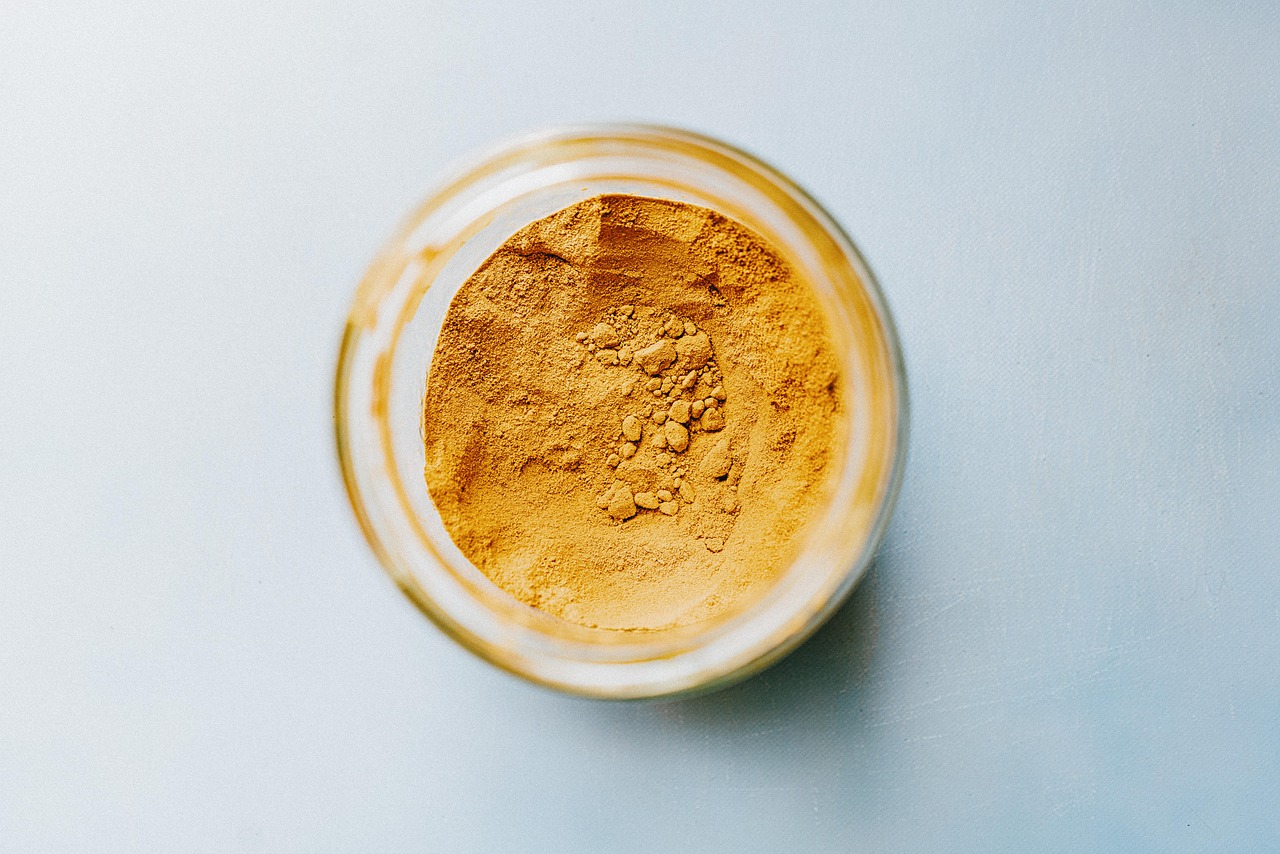
Dark spots, hyperpigmentation, age spots – whatever you call them, they’re a common skin concern that can leave us feeling less confident about our complexion. From sun exposure to post-inflammatory marks, achieving an even skin tone often feels like an uphill battle. But what if a natural, time-tested ingredient from your spice cabinet held the key to brighter, clearer skin? Enter turmeric, the golden spice revered for centuries in Ayurvedic medicine for its incredible healing properties, both internal and external.
In recent years, the scientific community has begun to validate what ancient traditions have long known: turmeric is a powerhouse for skin health, particularly when it comes to tackling those stubborn dark spots. Its active compound, curcumin, boasts potent antioxidant and anti-inflammatory benefits that can significantly improve skin radiance and reduce discoloration. If you’re looking for a natural, gentle, yet effective approach to diminish hyperpigmentation, you’ve come to the right place. This comprehensive guide will delve into how turmeric can remove dark spots, provide practical DIY recipes, share important precautions, and help you unlock the secret to a more luminous complexion. Get ready to embrace the golden glow.
Understanding Dark Spots and Hyperpigmentation
Before we dive into how turmeric can help remove dark spots, it’s essential to understand what causes them. Dark spots, medically known as hyperpigmentation, occur when certain areas of the skin produce excess melanin – the pigment responsible for skin, hair, and eye color. This overproduction leads to patches of skin that are darker than the surrounding areas.
What Causes Dark Spots?
Several factors can trigger hyperpigmentation, making it a widespread concern:
- Sun Exposure: This is the most common culprit. UV radiation stimulates melanocytes (melanin-producing cells) to create more pigment as a protective mechanism, leading to sun spots or age spots.
- Post-Inflammatory Hyperpigmentation (PIH): This occurs after skin inflammation or injury, such as acne breakouts, eczema, cuts, or burns. As the skin heals, it can leave behind a dark spot.
- Hormonal Changes: Conditions like melasma are often triggered by hormonal fluctuations, particularly during pregnancy (often called “the mask of pregnancy”), or due to certain medications like birth control pills.
- Medications: Some drugs can cause hyperpigmentation as a side effect.
- Genetics: Some individuals are more predisposed to developing dark spots.
Why Consider Natural Remedies for Hyperpigmentation?
While there are many conventional treatments for dark spots, including chemical peels, laser therapy, and topical creams containing ingredients like hydroquinone, many people seek natural alternatives. Natural remedies, like those involving turmeric for dark spots, are often preferred because they:
- Are generally gentler on the skin, reducing the risk of irritation.
- Can be more affordable and accessible.
- Offer a holistic approach, often providing additional skin benefits beyond just dark spot reduction.
- Are free from harsh chemicals that some people prefer to avoid.
The Power of Turmeric for Skin
Turmeric (Curcuma longa) is much more than just a culinary spice. It’s a cornerstone of traditional medicine, lauded for its potent medicinal properties. When it comes to skin, its benefits are truly remarkable, making it an excellent natural choice to remove dark spots and improve overall skin health.
Curcumin: The Active Ingredient
The magic behind turmeric’s skin-brightening abilities lies primarily in its active compounds called curcuminoids, with curcumin being the most prominent. Curcumin is a powerful antioxidant and anti-inflammatory agent, which are crucial properties for combating various skin issues, including hyperpigmentation.
- Antioxidant Power: Curcumin neutralizes free radicals, which are unstable molecules that can damage skin cells and contribute to premature aging and the formation of dark spots. By protecting skin cells, turmeric helps maintain a healthier, more even complexion.
- Anti-inflammatory Effects: Inflammation is a key trigger for post-inflammatory hyperpigmentation (PIH). Turmeric’s anti-inflammatory properties can help calm irritated skin, reduce redness, and prevent the formation of dark spots after breakouts or injuries.
How Turmeric Works to Combat Dark Spots
Beyond its general antioxidant and anti-inflammatory benefits, turmeric directly targets the mechanisms that cause dark spots:
- Melanin Inhibition: Studies suggest that curcumin can inhibit the activity of tyrosinase, an enzyme crucial for melanin production. By slowing down this enzyme, turmeric helps to reduce the overproduction of pigment, thus lightening existing dark spots and preventing new ones from forming.
- Skin Brightening: Regular use of turmeric for skin brightening can lead to an overall more radiant and even skin tone. It helps to diminish the appearance of dullness and gives the skin a healthy glow.
- Improved Cell Turnover: While not its primary mechanism for dark spots, improved cellular health and turnover can help shed pigmented skin cells faster, revealing fresher, less pigmented skin beneath.
Practical Ways to Use Turmeric for Dark Spots
Now that you understand the science, let’s explore practical and safe ways to incorporate turmeric to remove dark spots into your skincare routine.
DIY Turmeric Face Masks for Hyperpigmentation
Face masks are an excellent way to deliver concentrated turmeric benefits to your skin. Always use high-quality, organic turmeric powder.
1. Turmeric and Honey Mask (for brightening and hydration)
- Ingredients: 1 teaspoon turmeric powder, 1 tablespoon raw honey.
- Instructions: Mix ingredients to form a smooth paste. Apply evenly to a clean face, focusing on dark spot areas. Leave on for 15-20 minutes, then rinse thoroughly with lukewarm water. Honey adds moisturizing and antibacterial properties.
- Frequency: 2-3 times a week.
2. Turmeric and Yogurt/Milk Mask (for exfoliation and lightening)
- Ingredients: 1 teaspoon turmeric powder, 2 tablespoons plain yogurt or milk.
- Instructions: Combine to make a paste. Apply to your face and let it sit for 20 minutes. The lactic acid in yogurt/milk provides gentle exfoliation, enhancing turmeric’s lightening effects. Rinse well.
- Frequency: 2-3 times a week.
3. Turmeric and Lemon Juice Mask (for powerful spot treatment – use with caution!)
- Ingredients: 1/2 teaspoon turmeric powder, 1 teaspoon fresh lemon juice (or less), 1 teaspoon honey (to buffer).
- Instructions: Mix thoroughly. Apply ONLY to the dark spots themselves, not the entire face. Leave on for no more than 10 minutes. Rinse thoroughly. Lemon juice can increase sun sensitivity, so use this mask only at night and always follow with sunscreen the next day. A patch test is crucial.
- Frequency: Once or twice a week, maximum.
Turmeric Spot Treatments
For targeted treatment, a simple turmeric paste can be applied directly to individual dark spots. Mix a small amount of turmeric powder with a few drops of water, rosewater, or milk to form a thick paste. Apply it with a cotton swab to the dark spot and leave it on for 10-15 minutes before rinsing. This concentrated application can be very effective for stubborn marks.
Incorporating Turmeric into Your Diet
While topical application directly addresses skin concerns, consuming turmeric can offer internal benefits that contribute to overall skin health and radiance.
- Turmeric Milk (Golden Milk): A warm, soothing drink made with milk (dairy or plant-based), turmeric, black pepper (to enhance absorption), and often ginger and cinnamon.
- Add to Meals: Sprinkle turmeric into curries, soups, stews, roasted vegetables, or even smoothies.
- Supplements: Turmeric or curcumin supplements are available, but always consult a healthcare professional before starting any new supplement regimen, especially if you have underlying health conditions or are taking medications.
Important Considerations and Precautions
While turmeric is a natural way to remove dark spots, it’s crucial to use it safely and correctly.
- Staining: Turmeric has a strong yellow pigment that can temporarily stain your skin, especially if you have fair skin. To minimize staining, use a smaller amount, don’t leave it on for too long, and consider adding milk or yogurt to your masks. A quick rub with a cotton pad soaked in milk or oil can help remove residual yellow tint.
- Patch Test: Always perform a patch test on a small, inconspicuous area of your skin (like behind your ear or on your inner arm) 24 hours before applying turmeric to your face. This helps check for any allergic reactions or sensitivity.
- Sun Sensitivity: Some ingredients commonly mixed with turmeric, like lemon juice, can increase your skin’s sensitivity to the sun. If using such combinations, apply them only at night and always use a broad-spectrum sunscreen (SPF 30 or higher) daily, especially the next morning.
- Consistency is Key: Natural remedies take time. Don’t expect immediate results. Consistent and patient application over several weeks or months is necessary to see significant improvement in dark spots.
- Avoid Eyes and Lips: Be careful to avoid applying turmeric masks too close to your eyes and lips, as these areas are more sensitive.
Turmeric vs. Other Dark Spot Remedies
While turmeric is a fantastic natural option, it’s helpful to understand its place among other remedies for hyperpigmentation.
Natural Alternatives to Turmeric for Dark Spots
Many other natural ingredients are also known for their skin-lightening properties:
- Aloe Vera: Soothing and can help with PIH.
- Lemon Juice: Contains Vitamin C and citric acid, known for lightening. Use with extreme caution due to photosensitivity.
- Potato Slices: Contain an enzyme called catecholase that may help lighten skin.
- Apple Cider Vinegar: Can help exfoliate and balance skin pH, but dilute heavily.
When to Seek Professional Help
While turmeric can remove dark spots effectively for many, some forms of hyperpigmentation are more stubborn and may require professional intervention. If your dark spots are:
- Very deep-seated or widespread (e.g., severe melasma).
- Not responding to natural remedies after consistent use for several months.
- Changing in size, shape, or color, or accompanied by other symptoms (always consult a dermatologist to rule out serious conditions).
A dermatologist can offer stronger topical treatments (like retinoids, hydroquinone, azelaic acid, or Vitamin C serums), chemical peels, microdermabrasion, or laser therapy, depending on the type and severity of your hyperpigmentation.
Recommended Products
While DIY turmeric masks are fantastic, sometimes convenience or a more refined formulation is preferred. Here are a few product suggestions that can complement your journey to reduce dark spots and achieve radiant skin, including ready-to-use turmeric options and essential skincare companions.
Organic Turmeric Powder for Skin
High-quality, organic turmeric powder is essential for effective DIY masks and treatments, ensuring purity and potency.
Pre-made Turmeric Face Mask for Dark Spots
For those who prefer convenience, a ready-to-use turmeric face mask formulated with other skin-brightening ingredients can save time and deliver consistent results.
Vitamin C Serum for Dark Spots
While turmeric works wonders, a Vitamin C serum can be an excellent complementary product, boosting collagen and further brightening the skin to reduce hyperpigmentation.
Broad-Spectrum Sunscreen SPF 30+
Daily sun protection is non-negotiable when treating dark spots. A good broad-spectrum sunscreen prevents new spots and stops existing ones from getting darker.
Frequently Asked Questions (FAQ)
Q1: How long does it take for turmeric to remove dark spots?
Patience is key! Natural remedies like turmeric for dark spots typically show gradual results. You might start noticing subtle improvements in skin brightness within 4-6 weeks of consistent use, but significant reduction in stubborn dark spots can take 2-3 months or even longer. Factors like the depth and age of the dark spot, as well as your skin’s response, play a role. Consistency and daily sun protection are crucial for seeing the best results.
Q2: Can turmeric stain my skin? How can I prevent it?
Yes, turmeric’s strong yellow pigment (curcumin) can temporarily stain the skin, especially if you have fair skin or leave it on for too long. To minimize staining:
- Use a smaller amount of turmeric.
- Don’t leave masks on for more than 15-20 minutes.
- Mix turmeric with ingredients like yogurt, milk, or honey, which can help buffer the staining.
- After rinsing, if there’s a slight yellow tint, gently wipe your face with a cotton pad soaked in milk, olive oil, or a mild toner.
Q3: Is turmeric safe for all skin types?
Generally, turmeric is well-tolerated by most skin types. However, as with any new ingredient, individual reactions can vary. People with very sensitive skin might experience mild irritation or redness. It’s essential to perform a patch test on a small, discreet area of skin (e.g., behind the ear or on the inner arm) 24 hours before applying it to your entire face to check for any adverse reactions. If you experience significant irritation, discontinue use.
Q4: Can I use turmeric daily on my face?
For most people, using turmeric masks or spot treatments 2-3 times a week is sufficient and effective. Daily application might increase the risk of temporary staining or, for very sensitive skin, potential irritation. Listen to your skin and adjust the frequency based on how it responds. For internal consumption, daily intake in food or as a supplement (following dosage guidelines) is common.
Q5: What kind of turmeric should I use for skin?
For topical application, it’s best to use high-quality, organic turmeric powder, preferably food-grade. Avoid using culinary turmeric that might contain added dyes or preservatives, which could irritate the skin. Some people specifically seek out “Kasturi Turmeric” (Wild Turmeric), which is known to be less likely to stain and is prized for cosmetic use, though it can be harder to find. Ensure it’s pure turmeric and not mixed with other spices.
Conclusion
Embracing turmeric to remove dark spots offers a natural, ancient, and increasingly scientifically-backed path to a clearer, more radiant complexion. Its potent curcumin content, with its antioxidant and anti-inflammatory prowess, directly targets the root causes of hyperpigmentation, helping to fade existing marks and prevent new ones. From simple DIY face masks blended with honey or yogurt to targeted spot treatments, incorporating this golden spice into your skincare routine can be a transformative experience.
Remember, the journey to even skin tone is a marathon, not a sprint. Consistency, patience, and adherence to safety precautions—especially patch testing and diligent sun protection—are paramount. While turmeric is a powerful ally, a holistic approach that includes a healthy diet, hydration, and when necessary, professional advice, will yield the best results. So, go ahead, unlock the golden secret of turmeric, and reveal the naturally luminous skin you deserve. Your skin will thank you for this touch of ancient wisdom!
“`