
The quest for flawless, even-toned skin is a journey many of us embark on. Among the most common skin concerns that stand in the way are those stubborn dark spots – whether they’re remnants of acne, prolonged sun exposure, or hormonal shifts. These patches of hyperpigmentation can be frustrating, making skin appear dull and uneven. You’ve likely heard whispers about chemical peels as a powerful solution, but a pressing question remains: will a chemical peel remove dark spots, and if so, how effectively.
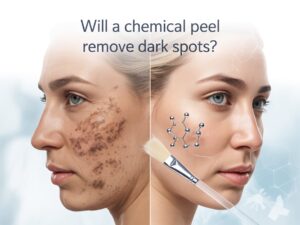
Dark spots, scientifically known as hyperpigmentation, occur when there’s an overproduction of melanin, the pigment responsible for skin color. This can manifest in various forms, from freckles and sun spots to melasma and post-inflammatory hyperpigmentation (PIH). The good news is that advancements in dermatological treatments offer promising solutions. Chemical peels, in particular, have emerged as a front-runner for their ability to revitalize the skin and target these pigmented areas.
In this comprehensive guide, we’ll dive deep into the world of chemical peels, exploring precisely what they are, how they work to diminish dark spots, and the different types available. We’ll discuss their proven efficacy, what to expect during and after the process, and crucial aftercare steps. By the end, you’ll have a clear understanding of whether a chemical peel is the right path for your journey to a brighter, more uniform complexion, and how it can indeed help to remove dark spots.
Understanding Dark Spots and Hyperpigmentation
Before we delve into treatments, it’s essential to understand the enemy. Dark spots are essentially areas of the skin where melanin production has gone into overdrive. This excess melanin clumps together, creating visible patches of discoloration.
There are several common culprits behind these unwelcome spots:
- Sun Spots (Solar Lentigines): Often appearing on sun-exposed areas like the face, hands, and chest, these are a direct result of chronic UV exposure.
- Post-Inflammatory Hyperpigmentation (PIH): These spots develop after skin inflammation or injury, such as acne breakouts, eczema, or even minor cuts. As the skin heals, it produces too much melanin, leaving a dark mark.
- Melasma: Characterized by larger, often symmetrical patches of pigmentation, typically on the face (cheeks, forehead, upper lip). Melasma is strongly linked to hormonal fluctuations (pregnancy, birth control) combined with sun exposure.
- Freckles: While often charming, freckles are also a form of hyperpigmentation, genetically determined and darkened by sun exposure.
Regardless of their origin, the desire to even out skin tone and diminish these visible reminders of past sun damage or inflammation is a primary driver for seeking treatments like chemical peels.
What Exactly Is a Chemical Peel?
At its core, a chemical peel is a cosmetic procedure that involves applying a chemical solution to the skin. This solution causes the top layers of skin to exfoliate and eventually peel off. The new skin that regenerates underneath is typically smoother, less wrinkled, and often has a more even tone.
So, how does this process help to remove dark spots? The magic lies in accelerated cell turnover. Dark spots are essentially collections of pigmented skin cells. By encouraging the shedding of these outer, damaged layers, a chemical peel brings healthier, less pigmented skin cells to the surface. It also stimulates the production of new skin cells, effectively fading existing spots and revealing a brighter complexion. The specific chemicals used, their concentration, and the duration of application determine the peel’s depth and intensity, directly impacting its ability to tackle different types and depths of dark spots.
Will A Chemical Peel Remove Dark Spots? The Efficacy
To directly answer the burning question: Yes, a chemical peel can be highly effective in helping to remove dark spots. However, the degree of effectiveness largely depends on several factors:
- Type and Depth of Dark Spot: Superficial dark spots like mild sun spots or light PIH respond very well to lighter peels. Deeper pigmentation, such as severe melasma or entrenched sun damage, may require medium or even deep peels, or a series of treatments.
- Severity of Pigmentation: A few faint spots will fade faster than widespread, dense discoloration.
- Type of Peel Used: As we’ll discuss, different peels penetrate to different depths and utilize various acids, each with specific strengths against pigmentation.
- Number of Sessions: For light to medium peels, a series of treatments (typically 3-6) spaced several weeks apart often yields the best results. Deep peels are usually a one-time procedure.
- Individual Skin Type and Response: Everyone’s skin reacts differently. Factors like skin tone (Fitzpatrick scale), overall skin health, and how well you adhere to aftercare instructions play a significant role.
While chemical peels can significantly fade and often eliminate dark spots, it’s important to manage expectations. “Permanent removal” is a strong term, as new dark spots can form with continued sun exposure or inflammatory triggers. However, a well-executed peel can provide dramatic improvement, leaving skin noticeably clearer and more even-toned.
Types of Chemical Peels for Dark Spots
Chemical peels are categorized by their depth of penetration, which dictates their strength and the severity of the skin conditions they can treat.
Light (Superficial) Peels
These are the gentlest peels, targeting only the outermost layer of the skin (epidermis). They are excellent for refreshing the skin and treating very mild pigmentation.
- Acids Used: Alpha Hydroxy Acids (AHAs) like glycolic acid and lactic acid, and Beta Hydroxy Acids (BHAs) like salicylic acid.
- Best For: Mild sun damage, superficial dark spots, improving skin texture, and giving a radiant glow.
- Downtime: Minimal to none. You might experience slight redness or flaking for a day or two.
- Sessions: Typically require a series of 3-6 treatments for optimal results to remove dark spots, spaced 2-4 weeks apart.
Medium Peels
Medium peels penetrate deeper, reaching the epidermis and the upper part of the dermis. They are more effective for moderate sun damage and deeper dark spots.
- Acids Used: Trichloroacetic Acid (TCA) in concentrations ranging from 15-35% is the most common. Jessner’s solution is another popular medium-depth peel.
- Best For: Moderate sun spots, more stubborn PIH, some forms of melasma, fine lines, and improving overall skin clarity.
- Downtime: Several days to a week. Expect redness, swelling, and significant peeling (like a sunburn).
- Sessions: Often performed as a series of 2-4 treatments, spaced 4-6 weeks apart, or as a single deeper treatment depending on the skin’s needs.
Deep Peels
Deep peels are the most intensive, penetrating deep into the dermis. They are reserved for severe skin issues and are typically only performed once.
- Acids Used: Phenol peel.
- Best For: Severe sun damage, deep wrinkles, significant scarring, and very stubborn, deep-seated dark spots (though less commonly used for *just* dark spots due to the intensity).
- Downtime: Significant, often weeks. Requires careful monitoring and involves intense redness, swelling, and crusting.
- Considerations: Due to the risks involved, deep peels are performed by highly experienced dermatologists or plastic surgeons, often under sedation. They are not suitable for all skin types, particularly darker skin tones, due to a higher risk of permanent hypopigmentation (lightening of the skin) or hyperpigmentation.
The Chemical Peel Process: What to Expect
Undergoing a chemical peel involves distinct stages, each crucial for safety and optimal results when aiming to remove dark spots.
Before the Peel
A thorough consultation with a qualified dermatologist or aesthetician is paramount. They will:
- Assess your skin type, concerns, and medical history.
- Discuss your goals and manage expectations.
- Recommend the most suitable peel type for your dark spots.
You may be advised on pre-treatment preparation, which could include:
- Avoiding sun exposure and using broad-spectrum sunscreen.
- Stopping retinoids, harsh exfoliants, or waxing for a week or two before the peel.
- Using specific topical products (e.g., hydroquinone, Vitamin C) for a few weeks to “prime” the skin, which can enhance results and reduce the risk of post-inflammatory hyperpigmentation, especially for darker skin tones.
During the Peel
The procedure itself is relatively quick:
- Your skin will be thoroughly cleansed to remove oils and makeup.
- The chemical solution is carefully applied to your skin.
- You may feel a tingling, stinging, or burning sensation, which varies based on the peel’s depth. A fan may be used to provide comfort.
- The solution remains on the skin for a specified time before being neutralized or rinsed off.
After the Peel: Crucial for Results
The post-peel phase is as important as the peel itself for healing and achieving the desired outcome. This is where your commitment truly impacts your ability to effectively remove dark spots and prevent new ones.
Downtime and Recovery
Expect redness, swelling, and varying degrees of peeling, depending on the peel’s depth:
- Light Peels: Mild redness, minimal flaking for 1-3 days.
- Medium Peels: Significant redness, swelling, and noticeable peeling for 5-7 days. The skin will feel tight and may look like a severe sunburn.
- Deep Peels: Extended downtime (weeks) with intense redness, swelling, blistering, and crusting.
Post-Care Essentials
Adhering to these guidelines is critical:
- Gentle Cleansing and Moisturizing: Use only mild, non-comedogenic cleansers and rich, fragrance-free moisturizers to soothe and protect the healing skin.
- Strict Sun Protection: This is non-negotiable! Use a broad-spectrum SPF 30+ (or higher) daily, reapply every two hours, and wear wide-brimmed hats. Sun exposure post-peel can lead to new, worse dark spots.
- Avoid Picking or Peeling: Let the skin shed naturally. Picking can cause scarring, infection, or new hyperpigmentation.
- Avoid Harsh Products: Steer clear of retinoids, AHAs, BHAs, physical exfoliants, and fragranced products until your skin has fully healed and your provider gives the OK.
- Limit Strenuous Activities: Avoid heavy exercise, saunas, and steam rooms for a few days to a week, as sweat can irritate healing skin.
Pros and Cons of Chemical Peels for Dark Spots
Like any cosmetic procedure, chemical peels come with their own set of advantages and potential drawbacks.
Advantages (Pros)
- Effective Pigmentation Reduction: Can significantly fade or eliminate various types of dark spots, including sun spots, PIH, and melasma.
- Improved Skin Texture and Tone: Beyond dark spots, peels smooth rough skin, minimize pores, and create a more uniform complexion.
- Reduction of Fine Lines: Especially medium and deep peels can soften the appearance of fine lines and wrinkles.
- Collagen Stimulation: Many peels promote collagen production, leading to firmer, more youthful-looking skin over time.
- Relatively Quick Procedure: The actual application time is usually short, making it a convenient in-office treatment.
Disadvantages (Cons)
- Downtime: Requires time off for recovery, especially for medium and deep peels.
- Potential Side Effects:
- Redness and Swelling: Common and temporary.
- Hyperpigmentation: A significant risk, particularly for darker skin tones or if aftercare (especially sun protection) is not followed. This can manifest as new dark spots.
- Hypopigmentation: Permanent lightening of the skin, more common with deep peels.
- Scarring: Rare but possible, especially if skin is picked during healing.
- Infection: If not properly cared for.
- Allergic Reaction: To the chemical solution.
- Cost: Can be a significant investment, especially for a series of treatments.
- Requires Multiple Sessions: For light and medium peels, achieving optimal results to remove dark spots often requires a commitment to several appointments.
- Not Suitable for Everyone: Individuals with certain medical conditions (e.g., active herpes simplex, recent Accutane use, keloidal tendencies), active infections, or during pregnancy/breastfeeding should avoid peels.
Who Is a Good Candidate for a Chemical Peel?
A good candidate for a chemical peel, particularly for addressing dark spots, is someone who:
- Has superficial to moderate dark spots (sun spots, PIH, some melasma).
- Maintains realistic expectations about the results.
- Is committed to diligent aftercare, especially strict sun protection.
- Does not have active skin infections, open wounds, or severe acne.
- Is not pregnant or breastfeeding.
- Has consulted with a qualified professional to determine the best peel type for their skin tone and concerns. For individuals with darker skin tones, light to medium peels performed by an experienced practitioner with careful pre-treatment and post-care are generally safer and effective for treating hyperpigmentation, minimizing the risk of adverse reactions.
Maintaining Your Results and Preventing New Dark Spots
Successfully using a chemical peel to remove dark spots is a fantastic achievement, but it’s not a one-and-done solution. Maintenance is key to preserving your results and preventing new pigmentation from forming:
- Consistent Sun Protection: This is the absolute most crucial step. Daily use of a broad-spectrum SPF 30+ sunscreen, even on cloudy days, is essential. Reapply every two hours when outdoors.
- Antioxidant Serums: Incorporate Vitamin C serums into your morning routine. Vitamin C helps protect against free radical damage, brightens skin, and can inhibit melanin production.
- Topical Retinoids: Once your skin has fully healed, your dermatologist may recommend a prescription retinoid or over-the-counter retinol. These ingredients accelerate cell turnover and help keep dark spots at bay.
- Avoid Excessive Sun Exposure: Seek shade, wear hats, and avoid peak sun hours.
- Gentle Skincare Routine: Continue to use mild cleansers and moisturizers to support your skin barrier.
- Follow-Up Treatments: Regular maintenance peels (e.g., light peels every few months) can help sustain your results and keep your skin fresh and clear.
Recommended Products
To support your skin before, during, and especially after a chemical peel, a gentle and protective skincare routine is essential. Here are some highly recommended products that can aid in healing, protect your skin, and help maintain your results against dark spots:
CeraVe Hydrating Facial Cleanser
A non-foaming, hydrating cleanser that gently removes impurities without stripping the skin’s natural moisture barrier, perfect for post-peel sensitivity.
Vanicream Moisturizing Cream
A dermatologist-recommended, fragrance-free, and non-comedogenic cream that provides intense hydration and helps repair the skin barrier, crucial after a peel.
EltaMD UV Clear Broad-Spectrum SPF 46
A lightweight, oil-free sunscreen with zinc oxide and niacinamide, ideal for sensitive and acne-prone skin, providing essential broad-spectrum protection post-peel.
Timeless 20% Vitamin C + E Ferulic Acid Serum
An antioxidant powerhouse to use once skin has healed, helping to brighten complexion, protect against environmental damage, and further diminish dark spots.
FAQ Section
Q1: How many chemical peels will I need to remove dark spots?
The number of peels required to remove dark spots depends on the type and depth of the peel, the severity of your pigmentation, and your skin’s response. For light peels, a series of 3-6 treatments, spaced 2-4 weeks apart, is common. Medium peels might require 2-4 sessions, spaced further apart (4-6 weeks). Deep peels are typically a one-time procedure. Your dermatologist will create a personalized treatment plan during your consultation.
Q2: Are chemical peels safe for all skin tones, especially darker skin?
Chemical peels can be safe for all skin tones, but it’s crucial to choose the right type of peel and an experienced practitioner, especially for darker skin. Deeper peels carry a higher risk of post-inflammatory hyperpigmentation (PIH) or hypopigmentation (lightening) in darker skin. Light to medium peels, often with careful pre-treatment (e.g., hydroquinone) and meticulous aftercare, are generally safe and effective for treating dark spots in individuals with melanin-rich skin.
Q3: Is there any pain involved with a chemical peel?
The sensation during a chemical peel varies. Light peels usually cause a mild tingling or itching. Medium peels can induce a stinging or burning sensation that subsides after a few minutes, often described as intense heat. Deep peels can be painful and are typically performed with local anesthesia or sedation. Your practitioner can discuss pain management options.
Q4: How long do the results of a chemical peel last for dark spots?
The longevity of results from a chemical peel in fading or removing dark spots depends heavily on your post-treatment care, particularly sun protection. With diligent sunscreen use and a proper skincare routine, results can last for months to years. However, new dark spots can form if skin is re-exposed to triggers like sun or inflammation, so ongoing maintenance is key.
Q5: Can I do a chemical peel at home to remove dark spots?
While there are many over-the-counter “peel” products available, they are typically much milder formulations (often gentle exfoliants) than professional-grade chemical peels. Attempting to use strong chemical peel solutions at home without professional guidance can be dangerous, leading to burns, scarring, severe hyperpigmentation, or infection. For safe and effective treatment of dark spots, always seek a board-certified dermatologist or licensed aesthetician.
Q6: What’s the difference between a chemical peel and laser treatment for dark spots?
Both chemical peels and laser treatments can effectively target dark spots, but they use different mechanisms. Chemical peels use acidic solutions to exfoliate and shed outer skin layers. Laser treatments use focused light energy to target and break down melanin within the skin, which the body then clears away. The choice between a peel and laser depends on the type, depth, and color of the dark spots, as well as skin type and individual preference. Often, a combination of both may be recommended for optimal results.
Conclusion
The journey to clearer, more radiant skin is often paved with questions, and “will a chemical peel remove dark spots?” is undoubtedly one of the most common. As we’ve explored, the answer is a resounding yes – chemical peels can be a highly effective treatment for diminishing and often eliminating various forms of hyperpigmentation, including sun spots, post-inflammatory hyperpigmentation, and melasma.
However, success hinges on understanding the nuances: the right type of peel for your specific concerns, the expertise of your practitioner, and your unwavering commitment to pre- and post-treatment care. From light refreshing peels to more intensive medium options, there’s a solution tailored to different needs and skin types. The process not only targets unwanted pigmentation but also improves overall skin texture, tone, and stimulates collagen production, offering a comprehensive rejuvenation.
Ultimately, a chemical peel offers a powerful pathway to reveal the smoother, more even-toned complexion you desire. Your final tip for success? Always prioritize a thorough consultation with a qualified skincare professional. They can accurately assess your skin, recommend the most appropriate peel, and guide you through every step of the process, ensuring both safety and optimal results. Combined with diligent sun protection, a chemical peel can indeed be your ally in saying goodbye to stubborn dark spots and embracing a brighter, more confident you.
“`