
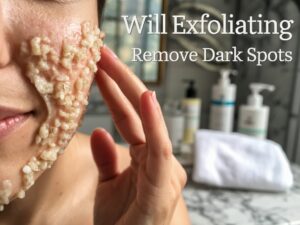
In this comprehensive guide, we’ll dive deep into the world of exfoliation and its impact on hyperpigmentation. We’ll explore what causes dark spots, how different types of exfoliation work, and whether this popular skincare practice can truly help you achieve a more even skin tone. Get ready to uncover the facts, learn best practices, and discover effective strategies to fade those unwelcome spots and reveal brighter, healthier-looking skin.
Understanding Dark Spots: What Are They?
Before we discuss whether exfoliating dark spots is effective, it’s crucial to understand what these spots are and why they appear. Dark spots are areas of the skin that become darker than the surrounding skin due to an overproduction of melanin, the pigment that gives skin its color. This overproduction is often triggered by various factors.
Types of Hyperpigmentation
- Post-Inflammatory Hyperpigmentation (PIH): This is perhaps the most common type, appearing after skin inflammation or injury, such as acne breakouts, cuts, burns, or even aggressive skin treatments. As the skin heals, it can leave behind a dark mark.
- Melasma: Often referred to as the “mask of pregnancy,” melasma is characterized by patchy areas of discoloration, typically on the face (cheeks, forehead, upper lip, chin). It’s primarily triggered by hormonal changes (pregnancy, birth control pills) combined with sun exposure.
- Sun Spots (Lentigines) or Age Spots: These flat, brown, or black spots usually appear on sun-exposed areas like the face, hands, shoulders, and arms. They are a direct result of chronic sun exposure over time.
Understanding the type of dark spot you have can help in determining the most effective treatment, including whether exfoliating for skin discoloration is the right approach.
How Exfoliation Works to Tackle Dark Spots
Exfoliation is the process of removing dead skin cells from the surface of your skin. This action can be incredibly beneficial for targeting dark spots because it encourages cellular turnover, bringing new, unpigmented skin cells to the surface.
The Science Behind Exfoliation and Cell Turnover
Your skin naturally sheds dead cells every 28-30 days, a process known as cell turnover. However, as we age, or due to factors like sun damage and acne, this process can slow down. When dead skin cells accumulate, they can make your skin look dull and exaggerate the appearance of dark spots.
By actively removing these dead, pigmented cells, exfoliation helps to:
- Speed up Cell Turnover: It signals your skin to produce new cells more rapidly.
- Fade Pigmentation: As new, less pigmented cells rise to the surface, the appearance of dark spots gradually lightens.
- Improve Product Absorption: Removing the barrier of dead skin cells allows other active ingredients designed to fade spots to penetrate more effectively.
Types of Exfoliation
There are two primary categories of exfoliation, each with its own mechanism for fading dark spots with exfoliation:
1. Physical Exfoliation
This method involves using a physical abrasive to manually scrub away dead skin cells. Examples include:
- Scrubs: Products containing fine grains (sugar, salt, jojoba beads) or micro-beads.
- Brushes: Manual or electric facial brushes.
- Microdermabrasion: A professional treatment that uses a device to gently sand away the outer layer of skin.
Pros: Immediate feeling of smoother skin.
Cons: Can be abrasive, leading to micro-tears, irritation, and potentially worsening hyperpigmentation if used too aggressively, especially on sensitive or acne-prone skin. It’s generally less recommended for significant dark spots.
2. Chemical Exfoliation
Chemical exfoliants use acids to dissolve the bonds between dead skin cells, allowing them to slough off naturally. They are often considered more effective and safer for targeting dark spots when used correctly.
- Alpha Hydroxy Acids (AHAs): Water-soluble acids that work on the skin’s surface.
- Glycolic Acid: Derived from sugar cane, it has the smallest molecular size, allowing for deeper penetration. Excellent for sun spots and general brightening.
- Lactic Acid: Derived from milk, it’s larger and gentler than glycolic acid, making it suitable for sensitive skin. It also has hydrating properties.
- Mandelic Acid: Derived from bitter almonds, it’s even larger and gentler, often recommended for sensitive skin and darker skin tones prone to PIH.
- Beta Hydroxy Acids (BHAs): Oil-soluble acids that can penetrate into pores.
- Salicylic Acid: Ideal for acne-prone skin with dark spots (PIH) as it exfoliates both the skin surface and inside the pores, helping to clear breakouts and fade marks simultaneously.
- Polyhydroxy Acids (PHAs): Similar to AHAs but with larger molecular structures, making them even gentler and suitable for very sensitive skin. They also offer antioxidant benefits.
Pros: More even exfoliation, can penetrate deeper (BHAs), less risk of micro-tears, and generally more effective for removing hyperpigmentation with exfoliation.
Cons: Can cause initial purging, redness, or sensitivity if not introduced slowly or used incorrectly.
Will Exfoliating *Truly* Remove Dark Spots? The Verdict.
So, to answer the burning question: Will exfoliating remove dark spots? The answer is complex, but generally, yes, it can significantly fade dark spots and improve their appearance, especially superficial ones. However, it’s rarely a magic bullet for complete “removal,” particularly for deep or stubborn pigmentation like melasma or very old sun spots.
- Fading vs. Removing: Exfoliation works by shedding the pigmented top layers of skin. Over time, consistent and appropriate exfoliation can make dark spots much lighter, blending them more seamlessly with your natural skin tone. Think of it as gradually sanding down a dark stain rather than erasing it instantly.
- Consistency is Key: You won’t see results overnight. It takes weeks to months of regular, proper exfoliation to notice a significant difference.
- Superficial vs. Deep Spots: Exfoliation is most effective on superficial dark spots (like fresh PIH or recent sun spots) that are primarily in the epidermis (the top layer of skin). Deeper pigmentation, such as some forms of melasma, might require a multi-faceted approach involving stronger active ingredients or professional treatments.
- Prevention is Paramount: While exfoliation helps treat existing spots, it won’t prevent new ones. Sun protection is critical to stop new dark spots from forming and existing ones from worsening.
Best Practices for Exfoliating Dark Spots Safely and Effectively
To maximize the benefits of exfoliation for dark spots and minimize potential irritation, follow these best practices:
1. Choose the Right Exfoliant
- For most dark spots (sun spots, PIH, dullness), an AHA (Glycolic or Lactic Acid) is a great starting point.
- If you have acne-prone skin along with dark spots, Salicylic Acid (BHA) is a dual-action hero.
- For very sensitive skin or beginners, start with PHAs or lower concentrations of Lactic or Mandelic Acid.
- Avoid harsh physical scrubs, especially if you have active acne or very sensitive skin, as they can exacerbate inflammation and worsen PIH.
2. Start Slowly and Gently
Introduce chemical exfoliants gradually. Begin by using the product 2-3 times a week, preferably in the evening. Observe how your skin reacts. If well-tolerated, you might increase frequency, but daily use is often not necessary and can lead to over-exfoliation.
3. Don’t Over-Exfoliate!
This is crucial. Over-exfoliation can actually make dark spots worse by causing irritation and inflammation, which triggers new hyperpigmentation. Signs of over-exfoliation include:
- Redness, stinging, or burning
- Tightness or dryness
- Increased sensitivity to other products
- Breakouts or flaky patches
If you experience these symptoms, reduce the frequency or strength of your exfoliant.
4. Always Follow with Sun Protection
This cannot be stressed enough. Exfoliation makes your skin more sensitive to the sun. Using chemical exfoliants without diligent sun protection (SPF 30 or higher, broad-spectrum) will not only negate any progress but can also lead to new or darker spots. Apply sunscreen every morning, rain or shine, and reapply as needed.
5. Moisturize Regularly
After exfoliating, always follow up with a gentle, hydrating moisturizer. This helps to soothe the skin, repair the skin barrier, and prevent dryness or irritation.
When Exfoliation Isn’t Enough: Other Treatments for Dark Spots
While exfoliation is a powerful tool, some dark spots might require additional or alternative treatments. Integrating other active ingredients or considering professional procedures can accelerate results.
Topical Ingredients to Pair with Exfoliation:
- Vitamin C: A potent antioxidant that brightens skin, inhibits melanin production, and protects against sun damage.
- Niacinamide (Vitamin B3): Reduces inflammation, improves skin barrier function, and can help prevent melanin transfer to skin cells.
- Retinoids (Retinol, Tretinoin): Speed up cell turnover even more effectively than AHAs, helping to shed pigmented cells and stimulate collagen production.
- Hydroquinone: A strong skin-lightening agent that inhibits melanin production. Available over-the-counter in lower concentrations and by prescription in higher strengths. Use under dermatologist guidance.
- Kojic Acid, Alpha Arbutin, Azelaic Acid: Other effective ingredients that help inhibit melanin production.
Professional Treatments:
- Chemical Peels: Stronger versions of chemical exfoliants applied in a controlled environment by a dermatologist. They penetrate deeper and yield faster results.
- Laser Therapy: Targeted light energy breaks down melanin pigments. Effective for sun spots, age spots, and some types of melasma.
- IPL (Intense Pulsed Light): Similar to laser but uses broad-spectrum light to target pigment.
- Microdermabrasion: A more intensive physical exfoliation performed professionally, which can be effective for superficial dark spots.
For stubborn or widespread dark spots, consulting a dermatologist is always recommended to create a tailored treatment plan.
Recommended Products
The Ordinary Glycolic Acid 7% Toning Solution
An affordable and effective AHA toner for gentle exfoliation and overall skin brightening.
Paula’s Choice 2% BHA Liquid Exfoliant
A cult-favorite salicylic acid exfoliant, excellent for acne-prone skin, blackheads, and post-inflammatory hyperpigmentation.
EltaMD UV Clear Broad-Spectrum SPF 46
A dermatologist-recommended mineral sunscreen, ideal for sensitive and acne-prone skin, crucial for preventing and treating dark spots.
CeraVe PM Facial Moisturizing Lotion
A lightweight, non-comedogenic moisturizer with niacinamide and ceramides, perfect for use after exfoliation to support the skin barrier.
FAQ: Your Questions About Exfoliating Dark Spots Answered
1. Can exfoliating make dark spots worse?
Yes, absolutely. If done incorrectly, exfoliation can worsen dark spots. Over-exfoliation, using harsh physical scrubs, or neglecting sun protection after exfoliating can trigger inflammation and damage the skin barrier, leading to new or darker post-inflammatory hyperpigmentation. Always be gentle, use appropriate products, and be diligent with SPF.
2. How long does it take to see results from exfoliating dark spots?
Patience is key. You can expect to see initial improvements in skin texture and brightness within a few weeks. However, significant fading of dark spots typically takes several weeks to a few months (8-12 weeks or more) of consistent and correct exfoliation, alongside proper sun protection. Deeper spots may take even longer or require stronger treatments.
3. What’s the best type of exfoliant for dark spots?
For most types of dark spots (sun spots, PIH), Alpha Hydroxy Acids (AHAs) like Glycolic Acid or Lactic Acid are generally considered the most effective chemical exfoliants. Glycolic acid is particularly potent due to its small molecular size. For acne-prone skin with dark spots, Salicylic Acid (BHA) is excellent as it treats both concerns. PHAs are a great gentle option for sensitive skin.
4. Can I exfoliate every day for dark spots?
For most people, daily exfoliation is not recommended, especially with chemical exfoliants. Starting 2-3 times a week is a safe approach. Some very gentle exfoliants or low-concentration products might be tolerated daily by some skin types, but it’s crucial to listen to your skin and avoid any signs of irritation or over-exfoliation. Less is often more.
5. Is physical or chemical exfoliation better for dark spots?
For treating dark spots, chemical exfoliation is generally preferred over physical exfoliation. Chemical exfoliants provide a more even and controlled exfoliation, penetrate more precisely, and are less likely to cause micro-tears or irritation that could worsen hyperpigmentation. Physical scrubs, especially harsh ones, carry a higher risk of inflammation and thus, worsening dark spots.
6. Do I need a dermatologist for dark spots if I’m exfoliating?
While exfoliation can be effective for many, it’s a good idea to consult a dermatologist if your dark spots are widespread, very dark, persistent despite consistent treatment, or if you suspect melasma. A dermatologist can accurately diagnose the type of hyperpigmentation and recommend stronger prescription treatments or in-office procedures that might be more effective than over-the-counter exfoliants.
Conclusion: The Path to Brighter, Even-Toned Skin
So, will exfoliating remove dark spots? The clear answer is that while exfoliation alone may not completely “erase” every dark spot, it is an incredibly powerful and effective tool for significantly fading them, improving skin texture, and promoting a brighter, more even-toned complexion. By shedding dead, pigmented skin cells and accelerating cell turnover, exfoliation helps to reveal the fresh, unblemished skin beneath.
The key to success lies in understanding your skin, choosing the right type of exfoliant (chemical exfoliants like AHAs and BHAs are generally superior for dark spots), and adhering to best practices. Remember to start slowly, avoid over-exfoliation, and always, always follow up with diligent sun protection. Consistent effort and patience are your best allies in this journey. For stubborn or deeper pigmentation, don’t hesitate to explore other active ingredients or consult a dermatologist for personalized advice and advanced treatments. Embrace the power of smart exfoliation, and you’ll be well on your way to revealing your most radiant skin yet!