From our grandmothers’ vanities to modern-day drugstores, cocoa butter has long been hailed as a skincare savior. Its rich, comforting scent and luxurious feel make it a staple for moisturizing dry skin and preventing stretch marks. This has led many to wonder about its other potential benefits. If it can heal scars, surely it can help with discoloration, right This brings us to a very common question in skincare forums and beauty blogs across the USA Will cocoa butter fade dark spots.
Dark spots, also known as hyperpigmentation, can be frustratingly stubborn. Whether they’re remnants of past acne breakouts, sun damage, or hormonal changes, finding a safe and effective solution is a top priority for many. While cocoa butter is often marketed as a cure-all, it’s crucial to separate anecdotal claims from scientific reality. In this guide, we’ll dive deep into the properties of cocoa butter, examine the evidence, and give you a clear, honest answer on its effectiveness for fading dark spots, so you can build a skincare routine that truly delivers results.
What Exactly Is Cocoa Butter?
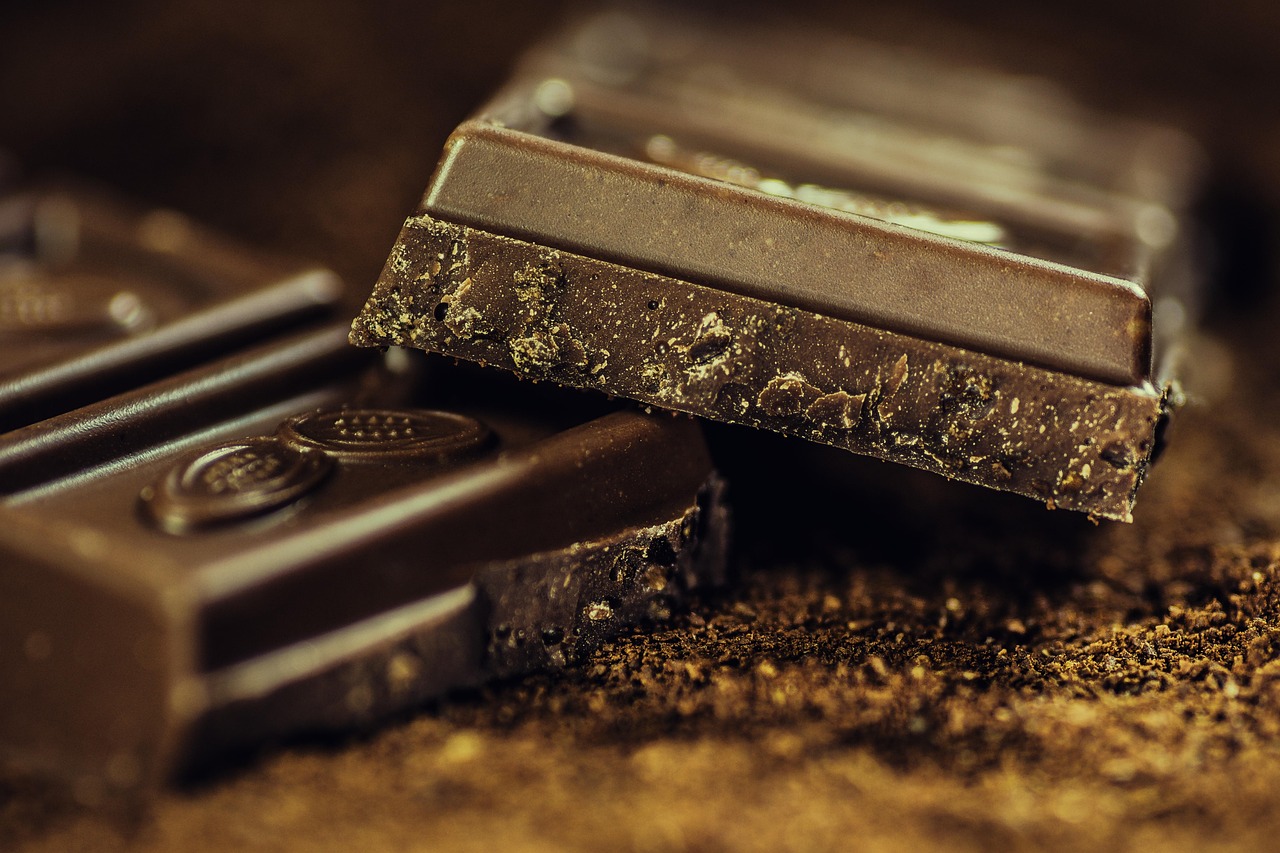
Before we can assess its spot-fading abilities, let’s understand what cocoa butter is. Simply put, cocoa butter is a natural, edible fat extracted from the cocoa bean—the same bean that gives us chocolate. It has a pale-yellow hue and a solid, brittle texture at room temperature, but it melts beautifully into the skin upon contact.
Its skincare popularity stems from its impressive composition:
- Rich in Fatty Acids: It’s packed with fatty acids like oleic acid, stearic acid, and palmitic acid. These are incredible emollients that form a protective barrier on the skin, locking in moisture and preventing water loss. This is why it’s a go-to for healing dry, chapped skin.
- Source of Antioxidants: Cocoa butter contains compounds called polyphenols. These antioxidants help neutralize free radicals—unstable molecules that can damage skin cells, accelerate aging, and contribute to inflammation and discoloration.
For centuries, it has been used to soften, soothe, and moisturize the skin, making it a beloved ingredient in lotions, creams, and balms.
The Big Question: Will Cocoa Butter Fade Dark Spots?
Now for the main event. When you ask, “does cocoa butter remove dark spots?” the answer is more complex than a simple yes or no. It’s about managing expectations and understanding its role in a skincare routine.
The Argument *For* Using Cocoa Butter on Dark Spots
There are a few reasons why cocoa butter is associated with improving skin tone and texture, which can indirectly help the appearance of dark spots.
- Superior Moisturization: Healthy, hydrated skin functions better. When your skin barrier is strong and moisturized, its natural cell turnover and healing processes are more efficient. By keeping the skin supple, cocoa butter can support the gradual fading of post-inflammatory marks over a long period.
- Antioxidant Protection: The polyphenols in cocoa butter can help protect the skin from environmental stressors and free radical damage. Since sun exposure is a primary driver of hyperpigmentation, this antioxidant activity offers a mild defensive benefit against the worsening of existing spots.
- Improved Skin Texture: Cocoa butter is an excellent emollient, meaning it smooths and softens the skin’s surface. This can make uneven skin, including areas with dark spots, appear more uniform and less noticeable.
The Reality Check: What Cocoa Butter *Can’t* Do
While the benefits above are real, they don’t make cocoa butter an active treatment for hyperpigmentation. Here’s where it falls short.
The process of fading dark spots requires ingredients that do one of two things: inhibit melanin (pigment) production or increase skin cell turnover to shed the discolored cells. Cocoa butter does not contain any powerful ingredients that do either of these things effectively.
Proven dark spot fighters like Vitamin C, retinoids, azelaic acid, and alpha-hydroxy acids (AHAs) work on a cellular level to break up pigment and accelerate renewal. Cocoa butter primarily works on the surface as a protective moisturizer.
Furthermore, there’s a major downside to consider, especially for the face:
- It Can Be Highly Comedogenic: Raw, unrefined cocoa butter has a high comedogenic rating (around 4 out of 5), which means it has a strong potential to clog pores. For anyone with oily or acne-prone skin, applying pure cocoa butter to the face could easily lead to new breakouts. These new pimples can then leave behind more dark spots, creating a frustrating cycle of post-inflammatory hyperpigmentation (PIH).
The verdict: Cocoa butter is best viewed as a supportive moisturizer, not a primary treatment. It can help maintain overall skin health, which is the foundation for a clear complexion, but it will not actively fade stubborn dark spots on its own.
How to Safely Use Cocoa Butter in Your Routine
If you love the feel of cocoa butter and still want to incorporate it, here’s how to do it smartly:
- Focus on the Body: The skin on your body is generally thicker and less prone to breakouts. Cocoa butter is fantastic for fading marks from scars, bug bites, or scratches on your arms, legs, and torso.
- Choose a Formulated Lotion: Instead of using 100% raw cocoa butter on your face, opt for a well-formulated, non-comedogenic lotion or cream that contains cocoa butter as one of its ingredients. These products are designed to be lighter and safer for facial skin.
- Always Patch Test: Before applying any new product to your face, test it on a small, discreet area (like behind your ear or on your jawline) for a few days to see how your skin reacts.
- Pair It with Actives: Use your cocoa butter product as the moisturizing step in a routine that also includes a dedicated dark spot treatment, like a Vitamin C serum in the morning or a retinol at night.
Proven Alternatives for Fading Dark Spots
To truly target hyperpigmentation, you need to incorporate ingredients scientifically proven to do the job. Look for products containing:
- Vitamin C: A potent antioxidant that brightens the skin and inhibits an enzyme involved in melanin production.
- Retinoids (Retinol, Tretinoin): The gold standard for skin renewal. They speed up cell turnover, helping to push pigmented cells to the surface and shed them away.
- Niacinamide: A form of Vitamin B3 that helps reduce the transfer of pigment within the skin, leading to a more even skin tone.
- Alpha-Hydroxy Acids (AHAs): Ingredients like glycolic acid and lactic acid exfoliate the top layer of skin, visibly reducing the appearance of surface-level dark spots.
- Sunscreen: This is non-negotiable. No treatment will work if you don’t protect your skin from the sun. UV exposure creates dark spots and darkens existing ones. Use a broad-spectrum sunscreen with SPF 30 or higher every single day.
Recommended Products to Target Dark Spots
If you’re looking for effective solutions, here are some products that can supplement or replace cocoa butter in your quest for an even skin tone.
Palmer’s Cocoa Butter Formula Daily Skin Therapy
A classic, non-greasy lotion that provides deep hydration. Best for body use to lock in moisture and improve skin texture.
CeraVe Skin Renewing Vitamin C Serum
An excellent starting point for a proven dark spot fighter. This serum contains 10% pure Vitamin C to visibly brighten and even skin tone.
The Inkey List Retinol Serum
A great beginner-friendly retinol that helps accelerate cell turnover to fade post-acne marks and improve overall skin clarity.
EltaMD UV Clear Broad-Spectrum SPF 46
A dermatologist-recommended sunscreen that protects against UV rays and contains niacinamide to help calm skin and reduce redness.
Frequently Asked Questions (FAQ)
How long does it take for cocoa butter to fade dark spots?
On its own, cocoa butter is unlikely to actively fade dark spots. As a moisturizer, it supports skin health, but you won’t see the kind of targeted results you would from an active ingredient. With proven treatments like retinoids or Vitamin C, it typically takes 8-12 weeks of consistent use to see a noticeable improvement in hyperpigmentation.
Can cocoa butter make dark spots worse?
Yes, it’s possible. If you have acne-prone or oily skin, using pure cocoa butter on your face can clog pores, leading to breakouts. Each new pimple carries the risk of leaving behind a new dark spot (post-inflammatory hyperpigmentation), potentially worsening the overall problem.
Is shea butter better than cocoa butter for dark spots?
Shea butter faces a similar situation. It is an exceptional moisturizer rich in vitamins and fatty acids, but like cocoa butter, it lacks the powerful active ingredients needed to directly target melanin production. However, shea butter is generally considered less comedogenic than cocoa butter, making it a safer moisturizing option for the face for many people.
What is the fastest way to get rid of dark spots?
The fastest and most effective approach is a combination of proven topical ingredients and sun protection. A routine including a Vitamin C serum in the morning, a retinol product at night, and a broad-spectrum SPF 30+ every day is a powerful strategy. For even faster results, consult a board-certified dermatologist about professional treatments like chemical peels, microneedling, or laser therapy.
Can I use pure cocoa butter on my face?
It’s generally not recommended for most people, especially those with combination, oily, or acne-prone skin types, due to its high potential for clogging pores. If you have very dry, non-reactive skin, you might tolerate it, but a formulated facial cream is almost always a safer and more effective choice.
Conclusion: A Final Thought
So, will cocoa butter fade dark spots? The honest answer is no, not directly. While it’s a phenomenal emollient that can deeply moisturize skin, improve texture, and provide some antioxidant benefits, it lacks the machinery to actively break down pigment or inhibit its production. Think of it as a valuable supporting character in your skincare play, but not the star of the show when it comes to fighting hyperpigmentation.
For true results, focus your efforts and budget on products with scientifically-backed ingredients like Vitamin C, retinoids, and niacinamide. And above all, commit to daily sunscreen application. By combining these active treatments with the excellent moisturizing properties of a well-formulated cream (which may even contain cocoa butter!), you create a comprehensive routine that not only targets existing dark spots but also promotes healthy, resilient, and glowing skin for the long term.