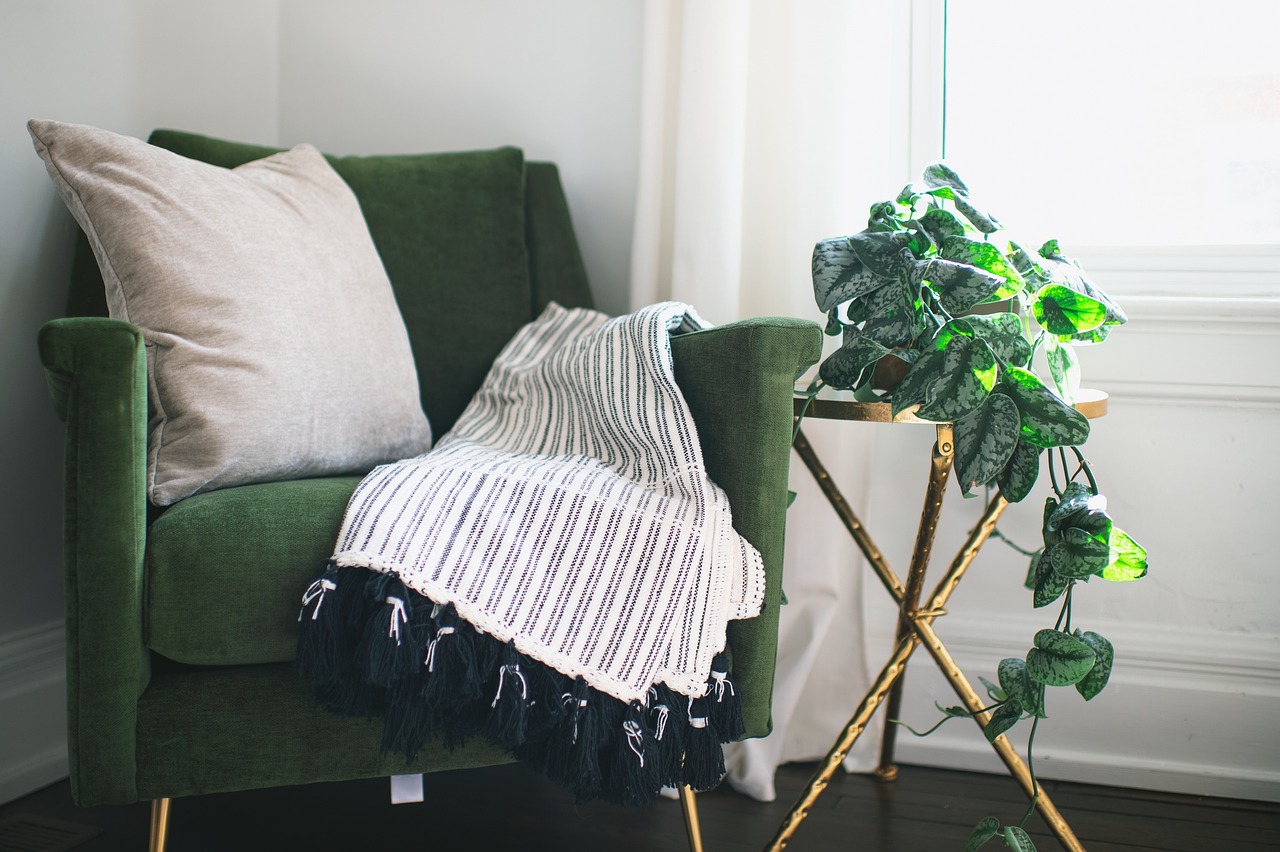
There’s nothing quite like the lush, cascading greenery of a healthy ivy plant. Whether it’s climbing a trellis outdoors or trailing from a hanging basket in your living room, ivy adds a touch of timeless elegance. So, it’s understandably alarming when you notice unsightly brown or dark spots on ivy leaves, marring their perfect foliage. You might wonder, “What did I do wrong?” or “Is my plant dying?”
Take a deep breath! These spots are a common issue for ivy owners, and they’re often a cry for help from your plant. These blemishes are more than just a cosmetic problem; they are symptoms of an underlying issue that could range from a simple watering mistake to a more serious fungal infection. Ignoring them can lead to further decline in your plant’s health.
In this comprehensive guide, we will decode the messages your ivy is sending. We’ll explore the primary culprits behind those dark spots, provide a step-by-step treatment plan to restore your plant’s health, and share essential prevention strategies to keep its leaves vibrant and green for years to come.
What Causes Dark Spots on Ivy Leaves?
Identifying the cause is the first and most critical step in saving your ivy. The spots themselves can offer clues. Are they small and black? Large and brown with a yellow halo? Water-soaked? Let’s investigate the most common reasons for these discolorations.
Fungal Diseases: The Most Common Culprit
More often than not, fungal pathogens are the reason you’re seeing spots. Ivy plants, especially when grown in humid conditions with poor air circulation, create a perfect breeding ground for fungi. Two are particularly common:
- Anthracnose: This disease often starts as light brown, water-soaked spots that gradually enlarge and darken, sometimes developing a black, sunken center. You might see pinkish spore masses in the center of the spots in humid conditions.
- Fungal Leaf Spot (multiple types): This is a general term for various fungal infections that cause spots. These typically appear as round, brown, or black spots, which may have a distinct border or a yellow halo around them. As the disease progresses, the spots can merge, causing large sections of the leaf to die.
Fungal diseases thrive in damp conditions. Overwatering, misting the leaves too often, and crowding plants together all contribute to the problem by preventing leaves from drying out properly.
Bacterial Infections: A Slimy Situation
While less common than fungal issues, bacterial leaf spot can also cause black spots on your ivy plant. The primary culprit is often a pathogen from the Xanthomonas genus.
Bacterial spots often look different from fungal spots. They typically start as small, water-soaked areas on the leaf that appear dark green or almost greasy. These spots quickly turn black and often have an angular shape, as their spread is limited by the leaf veins. A key giveaway for a bacterial infection is a slimy feel or a “bacterial ooze” under very humid conditions. This infection spreads rapidly via splashing water from one leaf to another.
Pesky Pests Leaving Their Mark
Sometimes, the spots aren’t a disease at all but evidence of an insect infestation. Tiny pests can cause damage that results in discoloration.
- Spider Mites: These minuscule arachnids suck the sap from leaves, creating tiny yellow or brown stippling spots. In a heavy infestation, you’ll also notice fine, delicate webbing on the undersides of leaves and between stems.
- Aphids & Scale: These insects also feed on plant sap. Their feeding can cause yellowing and distorted growth. More importantly, they excrete a sticky substance called “honeydew,” which can lead to the growth of sooty mold. This black, powdery fungus grows on the honeydew, not the leaf itself, but it blocks sunlight and can hinder photosynthesis.
Environmental Stressors and Care Issues
Not all spots are caused by a pathogen or pest. Sometimes, the problem lies in the plant’s environment or your care routine.
- Overwatering & Root Rot: This is one of the biggest killers of indoor ivy. When soil stays waterlogged, roots can’t get oxygen and begin to die and rot. A plant with root rot can’t absorb water and nutrients properly, leading to yellowing leaves that develop soft, brown or black spots. The soil will likely smell sour or musty.
- Sunburn: While ivy needs bright light, direct, intense sunlight can scorch its leaves. Sunburn appears as crispy, dry brown or bleached-looking patches on the parts of the plant most exposed to the sun.
- Nutrient Deficiency: Though less common, a lack of certain nutrients can cause leaf discoloration. However, this usually presents as general yellowing (chlorosis) rather than distinct dark spots.
A Step-by-Step Guide to Treating Dark Spots on Your Ivy
Once you’ve diagnosed the likely cause, it’s time for action. Follow these steps to treat the issue and nurse your ivy back to health.
- Isolate the Infected Plant: The moment you notice spots, move the plant away from your other houseplants. This prevents the potential spread of fungal spores, bacteria, or pests.
- Prune and Remove Affected Leaves: Using a clean, sharp pair of pruning shears or scissors, carefully snip off all leaves and stems showing spots. For severe infections, you may need to cut back the plant significantly. Always sterilize your shears with rubbing alcohol between cuts to avoid spreading pathogens. Dispose of the removed foliage in the trash—do not compost it.
- Improve Air Circulation: If your ivy is in a crowded spot, move it somewhere with better airflow. This helps leaves dry faster, making the environment less hospitable for fungi and bacteria. You can also thin out some of the plant’s growth to promote circulation within the foliage.
- Adjust Your Watering Habits: This is non-negotiable. Stop watering on a rigid schedule. Instead, check the soil with your finger. Water only when the top 1-2 inches of soil feel dry. When you do water, water the soil directly at the base of the plant. Avoid getting the leaves wet.
- Apply an Appropriate Treatment: Depending on the cause, you may need to apply a treatment.
- For fungal infections, a copper-based fungicide or a neem oil spray can be very effective. Follow the product instructions carefully, ensuring you coat the tops and undersides of all leaves.
- For bacterial infections, treatment is more difficult. Copper fungicides can help suppress the spread, but prevention is the best cure. Focus on pruning and keeping leaves dry.
- For pests, spray the plant thoroughly with insecticidal soap or neem oil. You may need to repeat the application every 7-10 days to eliminate newly hatched pests.
Recommended Products for Healthy Ivy
Having the right tools can make treating and preventing dark spots on ivy leaves much easier. Here are a few products that can help you tackle the most common issues.
Organic Neem Oil
A 3-in-1 organic solution that works as a fungicide, insecticide, and miticide. It’s an excellent first line of defense against most fungal diseases and common pests like spider mites and aphids.
Copper Fungicide
A reliable treatment for more stubborn fungal and bacterial leaf spots. It helps to control the spread of existing disease and prevent new infections.
Precision Pruning Shears
Essential for making clean cuts when removing diseased leaves. Clean cuts heal faster and are less susceptible to further infection. Remember to sterilize them!
How to Prevent Dark Spots on Ivy Leaves from Returning
Treatment is only half the battle. The best approach is prevention. By providing your ivy with the right care, you can create an environment where these problems are unlikely to occur in the first place.
- Water Correctly: Master the art of proper watering. Let the soil dry out partially between waterings and always ensure excess water can drain away. Never let your ivy sit in a saucer full of water.
- Provide Good Drainage: Use a high-quality potting mix and a pot with at least one drainage hole. Good drainage is the foundation of preventing root rot.
- Give it the Right Light: Most ivy varieties thrive in bright, indirect light. A spot near an east-facing window is often perfect. Too little light can weaken the plant, while too much direct sun can burn it.
- Inspect Regularly: Make it a habit to check your plants for any early signs of trouble at least once a week. Look under the leaves and near the stems. Catching a problem early makes it much easier to solve.
Frequently Asked Questions (FAQ)
Can ivy recover from black spot?
Absolutely. If you catch the problem early, remove the affected leaves, and correct the underlying environmental conditions (like overwatering or poor air circulation), your ivy has an excellent chance of recovery. New, healthy growth is a great sign that your efforts are working.
Are the black spots on my ivy harmful to humans or pets?
The fungal or bacterial spots themselves are not harmful. However, it’s important to remember that all parts of the English Ivy plant (Hedera helix) are toxic to humans, dogs, and cats if ingested, which can cause symptoms like vomiting, drooling, and diarrhea. Always handle the plant with care and keep it out of reach of children and pets.
Should I repot my ivy if it has dark spots?
You should only repot if you strongly suspect the cause is root rot due to overwatering and poor drainage. In this case, gently remove the plant, trim away any black, mushy roots with sterilized shears, and repot it in fresh, well-draining soil and a clean pot.
Why are my English ivy leaves turning brown and crispy?
Brown, crispy leaves are typically a sign of underwatering or sunburn. Unlike the soft, dark spots from fungal disease or root rot, crispy leaves mean the tissue has lost too much moisture. Check if the soil is bone dry or if the plant is receiving too much direct sunlight.
Can I use a homemade spray for dark spots on ivy?
For minor fungal issues or pests, a simple homemade spray of one teaspoon of baking soda and a few drops of mild dish soap in a liter of water can sometimes help. However, be sure to test it on a small part of the plant first, as some plants can be sensitive. For more established infections, a commercial product like neem oil is often more reliable.
Conclusion: Stay Vigilant for Healthy Ivy
Discovering dark spots on ivy leaves can be disheartening, but it’s rarely a death sentence for your plant. By playing detective to identify the cause—whether it’s a fungal foe, a sneaky pest, or a simple care mistake—you are already on the path to recovery. Remember the core principles of treatment and prevention: prune away the damage, correct the environment, and provide consistent, appropriate care.
The key to a thriving ivy plant is observation. Pay attention to its needs for light, water, and air. A little vigilance goes a long way in preventing problems before they start. With the right knowledge and a bit of patience, you can successfully treat those dark spots and enjoy the lush, beautiful foliage of your ivy for many years.