Understanding the Science Behind Purple Shampoo
To understand what is purple shampoo used for, we need to delve into the world of color theory. Think back to art class: purple and yellow are opposite each other on the color wheel. This means they neutralize each other. When blonde, gray, or highlighted hair loses its cool tones and develops unwanted yellow or brassy hues, purple shampoo steps in to correct the color.
How Brassiness Occurs
Brassiness occurs for several reasons:
- Oxidation: Exposure to air and sunlight can cause blonde and gray hair to oxidize, leading to yellow tones.
- Hard Water: Minerals in hard water, like iron and copper, can deposit on the hair shaft and cause discoloration.
- Product Buildup: Certain hair products can leave behind residues that contribute to brassiness.
- Heat Styling: Frequent use of heat styling tools (blow dryers, straighteners, curling irons) can damage the hair and accelerate the oxidation process.
The Color-Correcting Magic
Purple shampoo contains violet pigments that deposit onto the hair shaft. These pigments counteract the yellow and brassy tones, restoring a cooler, brighter, and more vibrant color. Think of it as a toner in shampoo form.
Who Should Use Purple Shampoo?
Knowing what is purple shampoo used for is only half the battle. It’s crucial to determine if it’s the right product for *your* hair. Here’s a breakdown of who benefits most:
- Blondes (Natural or Bleached): Purple shampoo is a staple for blondes, helping to maintain a bright, cool tone and prevent brassiness.
- Gray or Silver Hair: Gray and silver hair are prone to yellowing. Purple shampoo keeps these shades looking crisp and vibrant.
- Highlighted Hair: If you have highlights, especially blonde highlights, purple shampoo will help keep them looking fresh and prevent them from turning brassy.
- Balayage or Ombre: Similar to highlights, balayage and ombre styles with blonde or lightened sections can benefit from the toning effects of purple shampoo.
Important Note: Purple shampoo is *not* intended for dark hair colors. It won’t have a noticeable effect on brown or black hair and could even leave a slight purple tint on very light brown shades.
How to Use Purple Shampoo Effectively
Now that you know what is purple shampoo used for and if it’s right for you, let’s talk about how to use it correctly:
- Wet Your Hair: Thoroughly wet your hair with lukewarm water.
- Apply Purple Shampoo: Apply a generous amount of purple shampoo to your hair, focusing on the areas that are most prone to brassiness (usually the roots and mid-lengths).
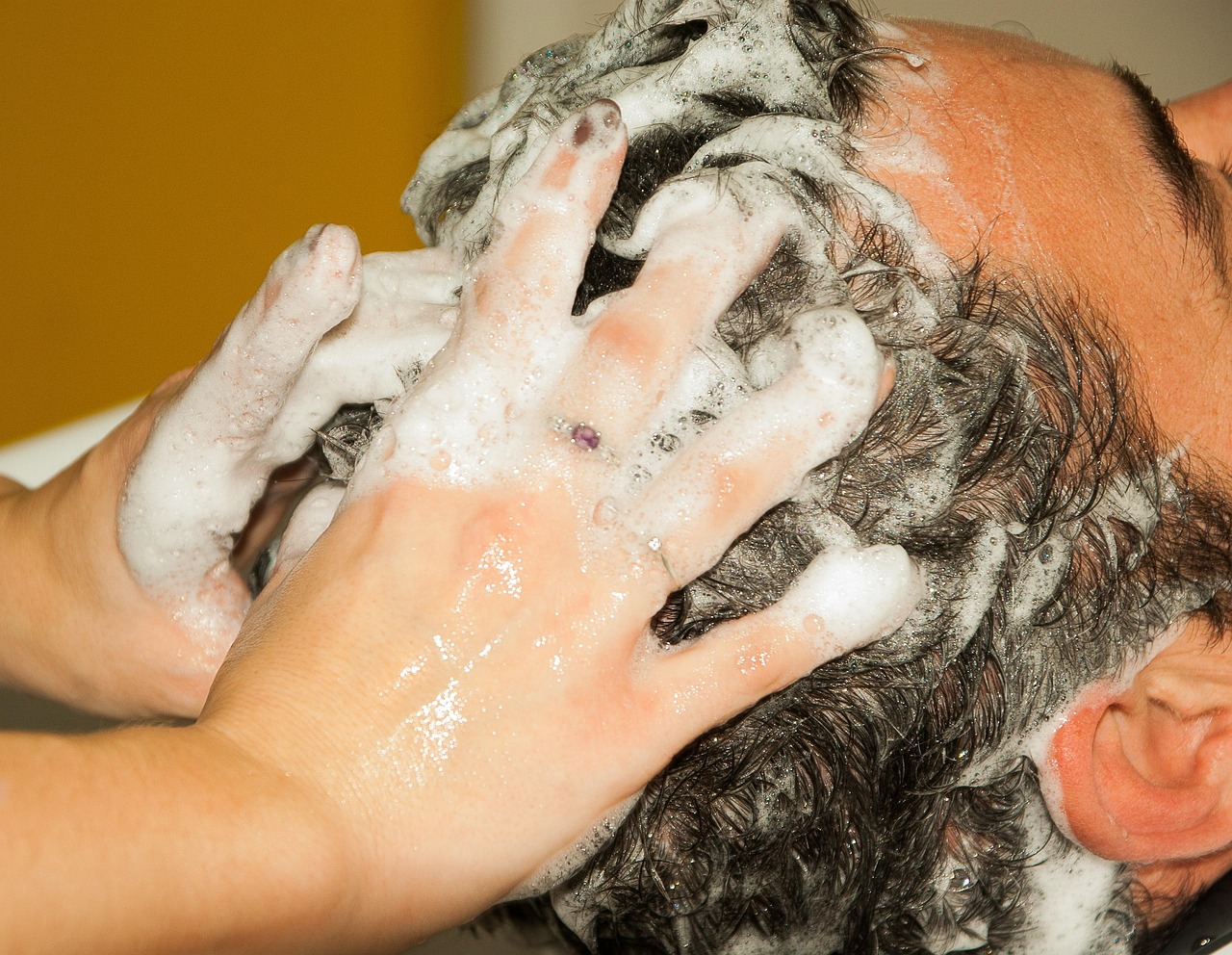
- Massage and Lather: Gently massage the shampoo into your hair and scalp, creating a rich lather.
- Leave-In Time: This is crucial! The leave-in time depends on the intensity of the shampoo and your desired results. Start with 2-3 minutes for your first use. You can gradually increase the time up to 5-10 minutes if needed. *Always follow the product’s instructions.*
- Rinse Thoroughly: Rinse your hair thoroughly with cool water until all traces of the shampoo are gone.
- Condition: Purple shampoo can be drying, so it’s essential to follow with a moisturizing conditioner.
- Dry and Style: Dry and style your hair as usual.
How Often Should You Use Purple Shampoo?
The frequency of use depends on your hair color, the intensity of the shampoo, and how quickly your hair becomes brassy. A good starting point is once or twice a week. You can adjust the frequency based on your results. Overusing purple shampoo can lead to a purple tint, so pay close attention to your hair and adjust accordingly.
Pros and Cons of Using Purple Shampoo
Like any hair product, purple shampoo has its pros and cons. Understanding these can help you make an informed decision.
Pros:
- Neutralizes Brassiness: The primary benefit is its ability to counteract yellow and brassy tones.
- Brightens Hair: It can enhance the overall brightness and vibrancy of blonde, gray, and silver hair.
- Extends Time Between Salon Visits: Using purple shampoo can help maintain your hair color between salon appointments, saving you time and money.
- Easy to Use: It’s a simple and convenient way to tone your hair at home.
Cons:
- Can Be Drying: Purple shampoo can be drying, especially if used too frequently.
- Potential for Purple Tint: Overuse can lead to a temporary purple tint, particularly on very light or porous hair.
- Not Effective on Dark Hair: It won’t have a noticeable effect on brown or black hair.
- Can Be Expensive: Some high-quality purple shampoos can be relatively expensive.
Recommended Products
Now that you understand what is purple shampoo used for, here are some recommended products to help you achieve your desired results:
Fanola No Yellow Shampoo
A powerful purple shampoo known for its intense toning effect, perfect for combating stubborn brassiness.
Redken Blondage Shampoo
A popular choice for blondes, this shampoo gently cleanses while neutralizing brassiness and strengthening hair.
Matrix Total Results So Silver Shampoo
Ideal for silver and gray hair, this shampoo neutralizes yellow tones and enhances shine.
Frequently Asked Questions (FAQ)
Still have questions about what is purple shampoo used for? Here are some frequently asked questions:
- Can I use purple shampoo on dry hair? No, purple shampoo is designed to be used on wet hair. Applying it to dry hair can lead to uneven distribution and a higher risk of a purple tint.
- What happens if I leave purple shampoo in too long? Leaving purple shampoo in too long can result in a purple or lavender tint to your hair. If this happens, wash your hair with a clarifying shampoo to help remove the excess pigment.
- Does purple shampoo lighten hair? No, purple shampoo does not lighten hair. It only neutralizes brassy and yellow tones, making your hair appear brighter and cooler.
- Can I use purple shampoo every day? It’s generally not recommended to use purple shampoo every day, as it can be drying and lead to a purple tint. Aim for once or twice a week, or as needed.
- Is purple shampoo safe for color-treated hair? Yes, purple shampoo is safe for color-treated hair, as long as it’s used correctly and not overused. Look for formulas specifically designed for color-treated hair to help protect your color.
- What’s the difference between purple shampoo and blue shampoo? While both are color-correcting shampoos, purple shampoo targets yellow tones, while blue shampoo targets orange tones. Blue shampoo is often used for brunettes with brassy undertones.
Conclusion
So, what is purple shampoo used for? It’s a powerful tool for maintaining the vibrancy and coolness of blonde, gray, and highlighted hair by neutralizing unwanted yellow and brassy tones. By understanding how it works and using it correctly, you can keep your hair looking salon-fresh between appointments. Remember to start with a shorter leave-in time and adjust the frequency based on your hair’s needs. And don’t forget to follow up with a moisturizing conditioner to keep your hair healthy and hydrated. With the right approach, purple shampoo can be your secret weapon for achieving and maintaining gorgeous, brass-free hair!
“`