Ever wondered who invented shampoo. It’s a simple question with a surprisingly complex and fascinating answer. We lather up our hair with shampoo almost daily, barely giving a second thought to its origins. But shampoo hasn’t always been the readily available, chemically engineered product we know today. Its story spans centuries, continents, and a surprising blend of tradition and innovation. Join us as we dive deep into the history of this hair care staple and uncover the identity of the person – or rather, the people – responsible for bringing shampoo into our lives.
This article will explore the evolution of hair cleansing practices, from ancient methods to the modern shampoo industry. We’ll trace the steps that led to the creation of the first commercial shampoo, discuss the key figures involved, and examine how shampoo has transformed over time. Whether you’re a history buff, a hair care enthusiast, or simply curious about the origins of everyday items, this journey through the history of shampoo is sure to be enlightening. Prepare to be amazed by the surprisingly rich and sometimes unexpected story of shampoo’s invention.
The Ancient Roots of Hair Cleansing
Before the invention of what we now know as shampoo, people around the world used various natural substances to cleanse their hair. These methods varied greatly depending on the available resources and cultural practices. These early hair cleaning rituals laid the groundwork for the development of modern shampoo.
Traditional Cleansing Methods
Throughout history, different cultures have developed unique ways to keep their hair clean. Some common methods included:
- Herbal Rinses: Using infusions of herbs like rosemary, nettle, and lavender to cleanse and condition hair.
- Clay and Mud: Applying clay or mud to absorb excess oil and dirt from the scalp.
- Soapwort Plants: Utilizing plants like soapwort, which contain natural saponins that create a soapy lather.
- Ash and Water: Mixing wood ash with water to create a mild alkaline solution for cleansing.
These natural cleansers were often tailored to specific hair types and regional environments. They were simple, sustainable, and deeply connected to the local ecosystem. The effectiveness of these methods depended on the quality of the ingredients and the skill of the user.
The Introduction of Shampoo in India
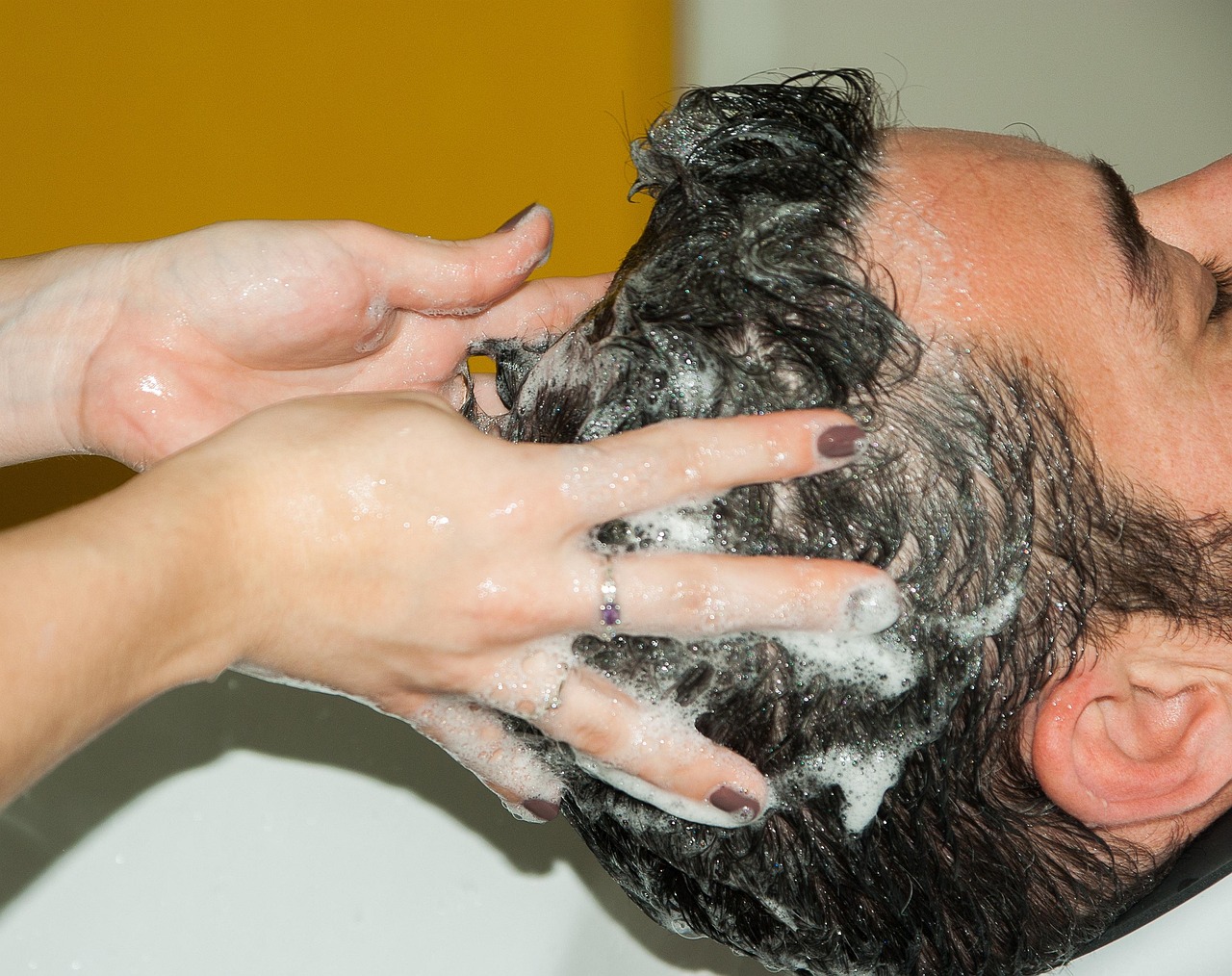
The word “shampoo” itself originates from the Hindi word “champo,” which means “to press” or “massage.” This highlights the importance of massage in traditional Indian hair care practices. It was in India that the concept of shampoo as a specific hair cleansing product began to take shape.
The “Champoo” Experience
In India, the traditional “champo” involved massaging the scalp with a blend of natural oils, herbs, and other ingredients. This process not only cleansed the hair but also promoted relaxation and improved circulation. These ingredients often included:
- Amla (Indian Gooseberry): Known for its rich vitamin C content and hair-strengthening properties.
- Shikakai: A natural cleanser that gently removes dirt and oil without stripping the hair of its natural oils.
- Reetha (Soapnuts): Another source of natural saponins, creating a gentle lather for cleansing.
This “champo” was more than just a cleansing ritual; it was a holistic practice that nourished the hair and scalp, promoting overall well-being. It was a far cry from the harsh chemical shampoos of today.
The Birth of Modern Shampoo: A Bengali Entrepreneur
While the concept of hair cleansing existed for centuries, the creation of the first commercial shampoo is often attributed to a Bengali entrepreneur named Sake Dean Mahomed. He is widely considered the pioneer of modern shampoo. His story is a testament to innovation and cultural exchange.
Sake Dean Mahomed: The Shampooing Surgeon
Sake Dean Mahomed, born in Patna, India, in 1759, was a fascinating figure. He served in the British East India Company army before moving to Ireland in 1784. In 1814, he opened a “shampooing” bath in Brighton, England, where he offered a combination of steam baths and medicated oil massages. This establishment is considered the first commercial shampoo bath in Britain.
Mahomed’s “shampooing” treatment was not just about cleansing the hair; it was a holistic experience that aimed to improve overall health and well-being. He blended his knowledge of Indian herbal remedies with European bathing practices to create a unique and luxurious service. His clients included royalty and other prominent figures, solidifying his reputation as a skilled and innovative entrepreneur.
Key Contributions of Sake Dean Mahomed:
- Opened the first commercial shampoo bath in Britain.
- Popularized the term “shampoo” in the English language.
- Combined Indian herbal remedies with European bathing practices.
The Evolution of Shampoo Formulas
After Sake Dean Mahomed introduced his shampooing baths, the concept of shampoo gradually evolved. Early shampoos were often soap-based and could be harsh on the hair. Over time, manufacturers began to experiment with different ingredients and formulations to create gentler and more effective shampoos.
From Soap to Synthetic Surfactants
The first shampoos were essentially just bars of soap dissolved in hot water. While they effectively removed dirt and oil, they also left a residue that could make hair dull and sticky. The development of synthetic surfactants in the early 20th century revolutionized the shampoo industry.
Key Developments in Shampoo Formulas:
- Early Soap-Based Shampoos: Effective but harsh, leaving a residue.
- Liquid Shampoos: Introduced in the early 20th century, offering a more convenient alternative to soap bars.
- Synthetic Surfactants: Developed in the 1930s, providing gentler and more effective cleansing.
- Specialized Shampoos: Formulated for different hair types and concerns, such as dry hair, oily hair, and dandruff.
The introduction of synthetic surfactants allowed for the creation of shampoos that were gentler on the hair and scalp, while still effectively removing dirt and oil. This marked a significant turning point in the history of shampoo.
Modern Shampoo: A Multi-Billion Dollar Industry
Today, the shampoo industry is a multi-billion dollar global market. There are countless brands and formulations available, catering to a wide range of hair types, concerns, and preferences. From volumizing shampoos to color-safe shampoos, the options are endless.
The Rise of Specialized Shampoos
Modern shampoo is no longer just about cleansing the hair; it’s about addressing specific hair concerns and enhancing its natural beauty. Some popular types of specialized shampoos include:
- Volumizing Shampoos: Designed to add body and lift to fine or thin hair.
- Moisturizing Shampoos: Formulated to hydrate dry and damaged hair.
- Color-Safe Shampoos: Gentle enough to use on color-treated hair without stripping the color.
- Anti-Dandruff Shampoos: Contain ingredients to control dandruff and scalp flakiness.
- Sulfate-Free Shampoos: Avoid harsh sulfates, making them gentler on the hair and scalp.
The development of these specialized shampoos reflects a growing awareness of the importance of personalized hair care. Consumers are increasingly looking for products that are tailored to their specific needs and preferences.
Recommended Products
Living Proof Perfect Hair Day Shampoo
A highly-rated shampoo that helps you achieve a perfect hair day, every day.
Tea Tree Special Shampoo
Invigorating shampoo with tea tree oil for a clean and refreshed scalp.
Biolage Colorlast Shampoo
A color-safe shampoo that helps maintain the vibrancy of color-treated hair.
FAQ: Frequently Asked Questions About Shampoo
Here are some frequently asked questions about the history and use of shampoo:
- Who is credited with inventing shampoo? While hair cleansing practices existed for centuries, Sake Dean Mahomed is credited with opening the first commercial “shampooing” bath in Britain, popularizing the term and concept.
- What did people use to clean their hair before shampoo was invented? People used a variety of natural substances, including herbal rinses, clay, mud, soapwort plants, and ash mixed with water.
- What does the word “shampoo” mean? The word “shampoo” comes from the Hindi word “champo,” which means “to press” or “massage.”
- When did liquid shampoo become popular? Liquid shampoos were introduced in the early 20th century, offering a more convenient alternative to soap bars.
- What are the benefits of using specialized shampoos? Specialized shampoos are formulated to address specific hair concerns, such as dryness, oiliness, dandruff, and color protection.
- Are sulfate-free shampoos better for my hair? Sulfate-free shampoos can be gentler on the hair and scalp, especially for those with sensitive skin or color-treated hair. However, they may not cleanse as effectively as shampoos containing sulfates.
Conclusion: The Enduring Legacy of Shampoo
The story of who invented shampoo is a testament to the power of innovation and cultural exchange. From ancient herbal remedies to modern synthetic formulations, shampoo has undergone a remarkable transformation over the centuries. Sake Dean Mahomed’s contribution as the pioneer of commercial shampoo in the West cannot be overstated. He laid the foundation for the multi-billion dollar industry that we know today.
The next time you reach for your favorite shampoo, take a moment to appreciate its rich history and the countless individuals who have contributed to its development. Remember, shampoo is more than just a hair cleansing product; it’s a reflection of our evolving understanding of hair care and our desire to look and feel our best. One final tip: always choose a shampoo that suits your specific hair type and needs for optimal results. Happy washing!