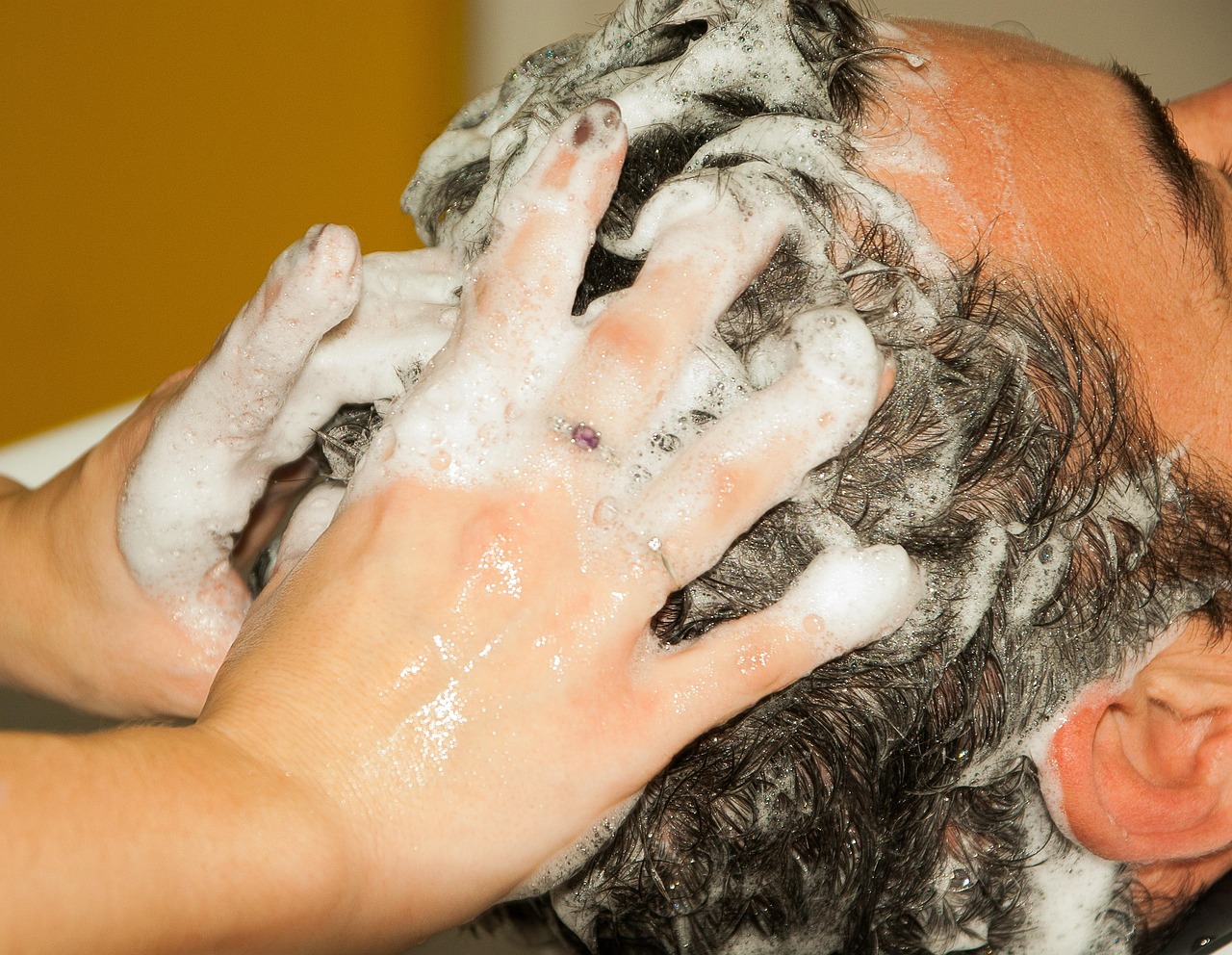
This isn’t just about blindly following instructions; it’s about understanding the science behind how shampoo and conditioner interact with your hair. In this comprehensive guide, we’ll delve deep into the purpose of each product, explore the potential benefits of unconventional techniques like reverse washing, and provide practical advice tailored to different hair types. Get ready to unlock the secrets to a hair care routine that truly works for you!
Understanding Shampoo and Conditioner: The Basics
Before we dive into the order of application, let’s clarify the role of shampoo and conditioner. Understanding their individual functions is crucial for optimizing your hair care routine. Think of them as partners working together to cleanse and nourish your hair.
The Purpose of Shampoo
Shampoo’s primary function is to cleanse the scalp and hair. It contains detergents (surfactants) that lift away dirt, oil, product buildup, and dead skin cells. This cleansing action is essential for maintaining a healthy scalp and preventing issues like dandruff and clogged hair follicles. However, this cleansing process can also strip away natural oils, leaving the hair feeling dry and potentially damaged.
- Removes dirt and oil: Essential for a clean scalp and healthy hair growth.
- Opens the hair cuticle: Allows for deep cleaning but can also lead to dryness if not followed by conditioning.
- Various formulations: Different shampoos cater to different hair types (e.g., oily, dry, color-treated).
The Purpose of Conditioner
Conditioner, on the other hand, is designed to replenish moisture and smooth the hair cuticle. It contains ingredients like silicones, oils, and proteins that help to detangle hair, reduce frizz, add shine, and protect against damage. By sealing the cuticle, conditioner helps to lock in moisture and prevent further damage from environmental factors and styling tools.
- Hydrates and moisturizes: Restores moisture lost during shampooing.
- Closes the hair cuticle: Creates a smooth, shiny surface and prevents breakage.
- Detangles and smooths: Makes hair more manageable and easier to style.
The Traditional Order: Shampoo First, Then Conditioner
The most common and generally recommended order is to shampoo first, followed by conditioner. This approach allows the shampoo to effectively cleanse the hair and scalp, removing buildup and opening the hair cuticle. The conditioner then seals the cuticle, replenishing moisture and leaving the hair smooth and manageable.
Why This Order Works
- Optimal cleansing: Shampoo effectively removes dirt and oil when applied first.
- Effective conditioning: Open hair cuticles from shampooing allow the conditioner to penetrate and provide maximum hydration.
- Balanced results: This order typically results in clean, moisturized, and manageable hair.
Exploring Reverse Washing: Conditioner First, Then Shampoo
Reverse washing, also known as pre-pooing, is a technique that involves applying conditioner before shampoo. This method has gained popularity in recent years, particularly among individuals with fine, oily, or easily weighed-down hair.
Benefits of Reverse Washing
- Prevents over-drying: Applying conditioner first creates a protective barrier, preventing the shampoo from stripping away too much moisture.
- Adds volume: By conditioning before shampooing, you can avoid the feeling of heavy, weighed-down hair that can sometimes occur with traditional conditioning.
- Reduced frizz: The conditioner helps to smooth the cuticle before shampooing, resulting in less frizz.
Who Should Try Reverse Washing?
Reverse washing can be particularly beneficial for:
- Fine hair: Prevents conditioner from weighing down the hair.
- Oily hair: Helps to balance oil production and prevent greasy roots.
- Damaged or dry hair: Provides an extra layer of protection against dryness.
How to Reverse Wash
- Apply conditioner: Apply conditioner to the lengths and ends of your hair, avoiding the scalp if you have oily roots.
- Let it sit: Allow the conditioner to sit for 5-10 minutes.
- Shampoo: Rinse lightly and then shampoo your hair as usual, focusing on the scalp.
- Condition (optional): If needed, you can apply a small amount of conditioner after shampooing, focusing on the ends.
Hair Type Considerations: Choosing the Right Order
The best order for shampoo and conditioner depends on your hair type and individual needs. Here’s a breakdown of recommendations based on different hair types:
Oily Hair
For oily hair, reverse washing can be a game-changer. It helps to prevent the conditioner from weighing down the hair and making it look greasy. Focus the conditioner on the ends and avoid applying it to the scalp.
Dry Hair
For dry hair, the traditional order of shampooing followed by conditioning is generally recommended. This allows the conditioner to deeply penetrate and replenish moisture. Consider using a deep conditioner or hair mask once a week for extra hydration.
Fine Hair
Fine hair can easily be weighed down by conditioner. Reverse washing or using a lightweight, volumizing conditioner after shampooing can help to add body and prevent limpness.
Thick Hair
Thick hair often requires extra moisture. The traditional order works well, but consider using a richer, more moisturizing conditioner. You may also benefit from leaving the conditioner on for a longer period.
Color-Treated Hair
Color-treated hair is often more prone to dryness and damage. Use a sulfate-free shampoo and a conditioner specifically designed for color-treated hair. Either the traditional order or reverse washing can work, depending on your hair’s specific needs.
Common Mistakes to Avoid
Even with the right order, certain mistakes can hinder your hair care efforts. Here are some common pitfalls to avoid:
- Using too much shampoo: Over-shampooing can strip the hair of its natural oils, leading to dryness and damage.
- Not rinsing thoroughly: Leaving shampoo or conditioner residue in your hair can make it look dull and greasy.
- Applying conditioner to the scalp (if oily): This can clog pores and lead to oily roots.
- Using the wrong products: Choose shampoo and conditioner formulated for your specific hair type.
Recommended Products
Olaplex No. 4 Bond Maintenance Shampoo
A reparative shampoo that strengthens and protects damaged hair.
Olaplex No. 5 Bond Maintenance Conditioner
A deeply hydrating conditioner that repairs and strengthens damaged hair.
Living Proof Perfect hair Day Dry Shampoo
A popular dry shampoo that cleanses and adds volume without water.
Moroccanoil Hydrating Conditioner
An argan oil infused conditioner that hydrates and detangles dry hair.
FAQ: Frequently Asked Questions
Here are some frequently asked questions about shampooing and conditioning:
1. Can I skip shampooing and just use conditioner?
While some people successfully “co-wash” (conditioner-only washing), it’s not recommended for everyone. Conditioner alone may not effectively remove dirt, oil, and buildup, especially if you use styling products. However, if you have very dry hair or don’t use many products, co-washing might be worth a try.
2. How often should I shampoo my hair?
The frequency of shampooing depends on your hair type and lifestyle. Oily hair may need to be shampooed daily or every other day, while dry hair can often go several days between washes. Experiment to find what works best for you.
3. Can I use a 2-in-1 shampoo and conditioner?
2-in-1 products can be convenient, but they may not be as effective as using separate shampoo and conditioner. They often don’t cleanse or condition as thoroughly. However, they can be a good option for travel or for individuals with very low-maintenance hair.
4. What is sulfate-free shampoo?
Sulfate-free shampoos don’t contain sulfates, which are harsh detergents that can strip the hair of its natural oils. They are often recommended for individuals with dry, damaged, or color-treated hair.
5. How long should I leave conditioner in my hair?
The recommended time varies depending on the product. Follow the instructions on the bottle. Generally, leaving conditioner in for 2-5 minutes is sufficient for most conditioners, while deep conditioners may require 10-20 minutes.
6. Does the temperature of the water matter?
Yes! Hot water can strip your hair of moisture, so it’s best to wash your hair with lukewarm water. A cool rinse at the end can help to seal the cuticle and add shine.
Conclusion
Ultimately, the question of what comes first, shampoo or conditioner, doesn’t have a one-size-fits-all answer. The best approach depends on your hair type, personal preferences, and the specific products you’re using. Experiment with both the traditional order and reverse washing to see which method yields the best results for your hair. Pay attention to how your hair feels and looks after each wash, and adjust your routine accordingly.
Remember that healthy hair starts with a healthy scalp. Choose products that are formulated for your hair type, avoid harsh chemicals, and be gentle when washing and styling your hair. With a little experimentation and attention to detail, you can achieve the healthy, beautiful hair you’ve always dreamed of. One final tip: don’t be afraid to consult with a hairstylist for personalized recommendations!