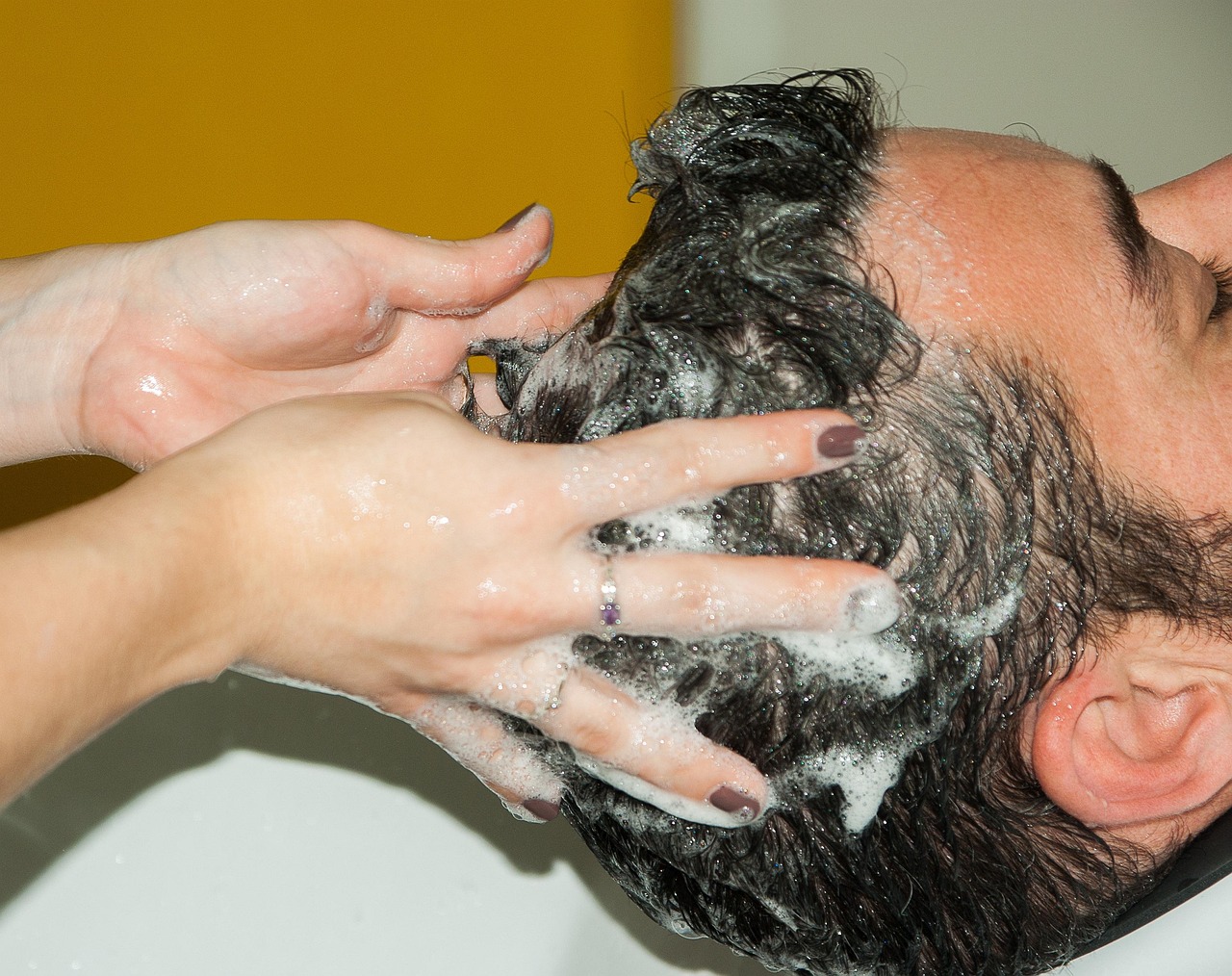
Are you carefully examining the ingredient list of your shampoo? You’re not alone! In recent years, there’s been growing awareness about the ingredients we put on our bodies, and parabens are often at the center of the conversation. Concerns about potential health risks have led many to seek out paraben-free alternatives. But what are parabens in shampoo, really? And should you be worried about them.
This comprehensive guide will delve into the world of parabens, specifically their presence in shampoo. We’ll explore their purpose, potential downsides, and offer practical advice on identifying and avoiding them. By the end of this article, you’ll have a clear understanding of parabens in shampoo and be empowered to make informed choices for your hair care routine.
We’ll cover everything from the scientific definition of parabens to the specific types you might find in your shampoo bottle. We’ll also discuss the ongoing research surrounding their safety and provide tips on how to spot paraben-free shampoos. Let’s dive in and unravel the mystery surrounding parabens in your hair care products!
Understanding Parabens: The Basics
To understand what are parabens in shampoo, it’s essential to first define what parabens are in general. Parabens are a group of synthetic preservatives commonly used in cosmetics, pharmaceuticals, and food products.
What Exactly Are Parabens?
Parabens are esters of para-hydroxybenzoic acid. In simpler terms, they are chemical compounds that prevent the growth of bacteria, mold, and yeast. This preservative action extends the shelf life of products, preventing spoilage and maintaining their effectiveness.
Common types of parabens include:
- Methylparaben
- Ethylparaben
- Propylparaben
- Butylparaben
- Isobutylparaben
- Benzylparaben
You’ll often find these listed on the ingredient labels of various products, including shampoo.
Why Are Parabens Used in Shampoo?
Shampoo, due to its water-based nature, is susceptible to microbial contamination. Parabens are added to prevent this contamination, ensuring the product remains safe and effective for use over an extended period. Without preservatives like parabens, shampoos could quickly become breeding grounds for harmful bacteria and fungi.
The benefits of using parabens in shampoo include:
- Extended Shelf Life: Prevents spoilage and ensures the product remains usable for longer.
- Prevention of Microbial Growth: Inhibits the growth of bacteria, mold, and yeast.
- Cost-Effectiveness: Parabens are relatively inexpensive compared to some natural preservatives.
Potential Concerns and Health Effects
The concern surrounding parabens stems from research suggesting they may have potential endocrine-disrupting properties. This means they could interfere with the body’s hormone system.
Endocrine Disruption
Some studies have shown that parabens can mimic estrogen, a primary female hormone. This estrogenic activity, while weak compared to natural estrogen, has raised concerns about potential effects on reproductive health, particularly with long-term exposure. However, the extent of these effects and the relevance to human health are still under investigation.
Other Potential Health Effects
Besides endocrine disruption, there are other potential concerns associated with parabens:
- Skin Irritation and Allergies: Some individuals may experience skin irritation, redness, or allergic reactions after using products containing parabens.
- Potential Link to Cancer: Some studies have explored a possible link between parabens and certain types of cancer, particularly breast cancer. However, the evidence is still inconclusive, and more research is needed to establish a definitive connection.
It’s important to note that regulatory agencies like the FDA and the European Commission have evaluated the safety of parabens and have set limits on their concentrations in cosmetic products. The FDA states that at the levels currently used in cosmetics, parabens are generally considered safe. However, ongoing research continues to inform these assessments.
Identifying Parabens in Shampoo: How to Read Labels
Knowing what are parabens in shampoo is only half the battle. You also need to be able to identify them on ingredient labels. Here’s how:
Decoding Ingredient Lists
Ingredient lists are typically arranged in descending order of concentration. This means the ingredients listed first are present in the highest amounts. Look for ingredients that end in “-paraben,” such as:
- Methylparaben
- Ethylparaben
- Propylparaben
- Butylparaben
- Isobutylparaben
If you see any of these listed, the shampoo contains parabens.
“Paraben-Free” Labels: What to Look For
Many shampoos now advertise themselves as “paraben-free.” This means that the product does not contain any of the commonly used parabens listed above. However, it’s still a good idea to double-check the ingredient list to ensure that no other potentially harmful ingredients are present.
Beware of “Greenwashing”
“Greenwashing” is a marketing tactic where companies try to portray their products as environmentally friendly or natural, even if they aren’t. Be wary of shampoos that heavily emphasize natural ingredients but still contain parabens or other synthetic preservatives. Always read the full ingredient list to make an informed decision.
Paraben-Free Shampoo Alternatives
If you’re concerned about the potential health effects of parabens, there are plenty of paraben-free shampoo options available. These shampoos use alternative preservatives to prevent microbial growth and maintain product stability.
Natural Preservatives
Many paraben-free shampoos utilize natural preservatives, such as:
- Essential Oils: Some essential oils, like tea tree oil and rosemary oil, have antimicrobial properties.
- Plant Extracts: Extracts from plants like grapefruit seed and neem can act as natural preservatives.
- Organic Acids: Citric acid and benzoic acid are organic acids that can inhibit microbial growth.
Synthetic Alternatives
Some paraben-free shampoos use synthetic preservatives that are considered safer alternatives to parabens, such as:
- Phenoxyethanol: A widely used preservative that is generally considered safe in low concentrations.
- Sodium Benzoate: A salt of benzoic acid that inhibits the growth of bacteria and fungi.
- Potassium Sorbate: Another salt that acts as a preservative.
Choosing the Right Paraben-Free Shampoo
When choosing a paraben-free shampoo, consider your hair type and specific needs. Look for shampoos that are formulated for your hair type (e.g., dry, oily, color-treated) and that address any specific concerns you may have (e.g., dandruff, hair loss). Read reviews and compare ingredients to find the best option for you.
Recommended Products
Puracy Natural Shampoo
A plant-based shampoo with coconut and citrus, free of parabens, sulfates, and other harsh chemicals.
Avalon Organics Shampoo
Certified organic shampoo with various formulas for different hair types, all paraben-free.
Shea Moisture Shampoo
Offers a wide range of paraben-free shampoos formulated with natural and organic ingredients to address various hair concerns.
FAQ: Parabens in Shampoo
Here are some frequently asked questions about what are parabens in shampoo and their potential effects:
- Are parabens really harmful?
The safety of parabens is a subject of ongoing debate. While some studies have raised concerns about their potential endocrine-disrupting properties, regulatory agencies generally consider them safe at the levels currently used in cosmetics. However, if you’re concerned, you can choose paraben-free alternatives. - What happens if I accidentally use a shampoo with parabens?
Accidental use of a shampoo containing parabens is unlikely to cause any immediate harm. The potential risks associated with parabens are generally linked to long-term, repeated exposure. - Are paraben-free shampoos less effective?
Not necessarily. Many paraben-free shampoos are just as effective as those containing parabens. They simply use alternative preservatives to prevent microbial growth and maintain product stability. - Can parabens affect my hair?
Parabens primarily function as preservatives and don’t directly affect the condition of your hair. However, some people may experience skin irritation or allergic reactions to parabens, which could indirectly affect the scalp and hair health. - Are all parabens equally harmful?
Some studies suggest that longer-chain parabens, such as butylparaben and propylparaben, may have stronger estrogenic activity than shorter-chain parabens, such as methylparaben and ethylparaben. However, more research is needed to fully understand the differences in their potential effects. - How can I find reliable information about parabens?
Consult reputable sources such as the FDA, the European Commission, and scientific journals. Be wary of sensationalized or biased information from unreliable sources.
Conclusion
Understanding what are parabens in shampoo is crucial for making informed choices about your hair care routine. Parabens are preservatives that extend the shelf life of shampoo, but concerns about their potential health effects have led many to seek out paraben-free alternatives.
By learning how to identify parabens on ingredient labels and exploring the various paraben-free options available, you can choose shampoos that align with your personal preferences and health concerns. Remember to read ingredient lists carefully and be aware of “greenwashing” tactics.
Ultimately, the decision of whether or not to use shampoos containing parabens is a personal one. Weigh the potential benefits and risks, consider your individual sensitivities, and choose products that you feel comfortable using. A final tip: if you’re unsure, consult a dermatologist or other healthcare professional for personalized advice.