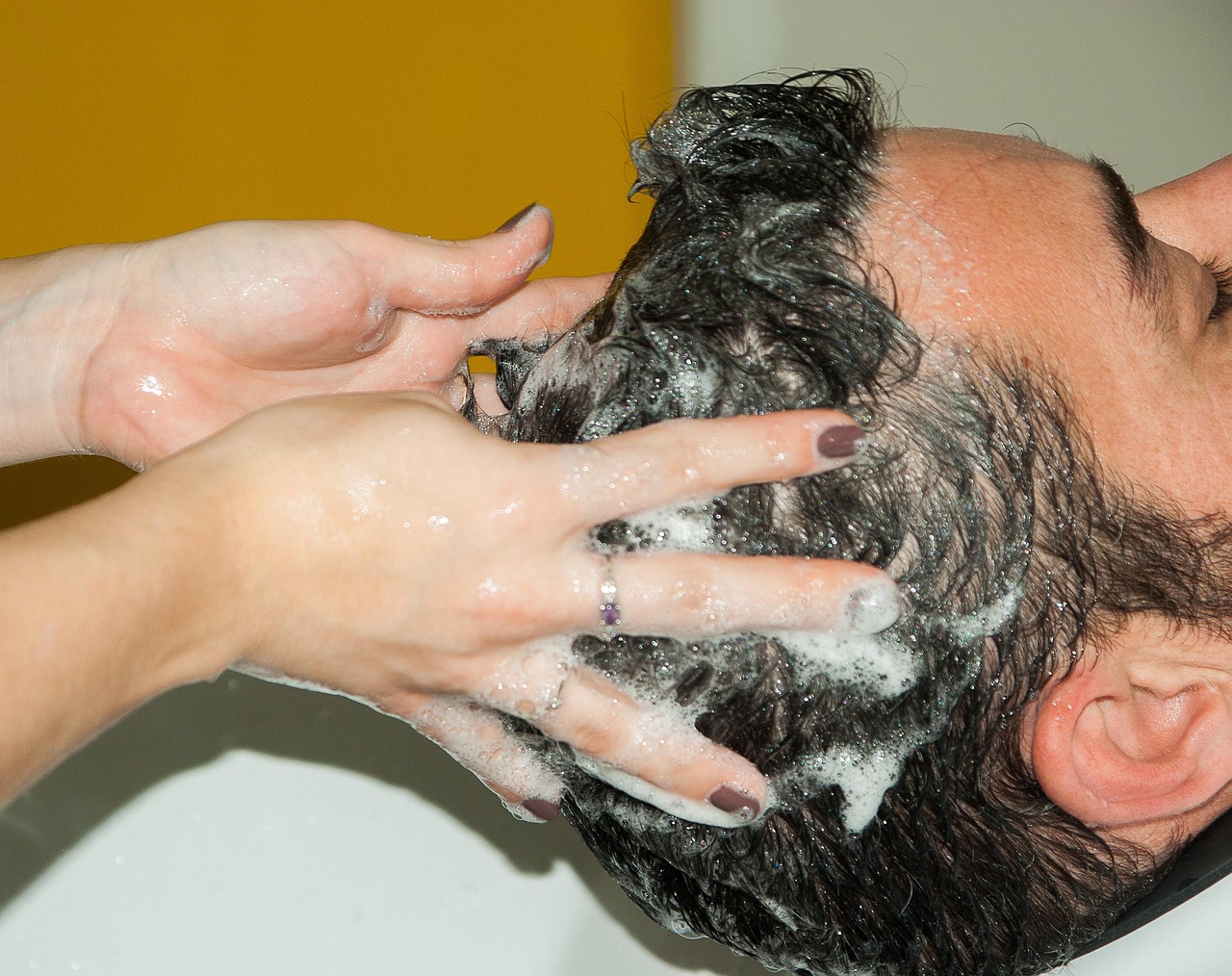
Have you ever wondered about that seemingly simple bottle of white shampoo sitting on the store shelf? It might look unassuming, but “white shampoo” actually encompasses a fascinating world of formulations and purposes. From gentle cleansers to specialized treatments, the term can refer to a wide range of products. In this article, we’ll dive deep into the question What Is White Shampoo We’ll explore its composition, benefits, potential drawbacks, and how it stacks up against other shampoo types. Understanding the nuances of white shampoo can help you make informed choices for your hair care routine. So, let’s unravel the mystery and discover what makes white shampoo unique and whether it’s the right choice for you.
Understanding What “White Shampoo” Really Means
The term “white shampoo” isn’t a precise scientific classification. It’s more of a descriptive term based on the shampoo’s appearance. Generally, it refers to shampoos that are opaque white or off-white in color. This color usually comes from the ingredients used and how they interact. Unlike clear shampoos, white shampoos often contain ingredients that create an opaque, creamy texture.
Why is White Shampoo White?
The white color in these shampoos typically comes from:
- Emulsifiers: Ingredients that help oil and water mix, creating a stable emulsion.
- Opacifiers: Ingredients specifically added to make the shampoo opaque. These might include titanium dioxide or zinc oxide.
- Conditioning Agents: Many conditioning agents, like silicones or certain oils, are white or off-white and contribute to the overall color.
The specific combination of these ingredients determines the final shade and opacity of the shampoo.
Common Ingredients in White Shampoos
While the color is a defining characteristic, the ingredients determine the actual function and benefits. Common ingredients include:
- Surfactants: Cleansing agents that remove dirt and oil from the hair (e.g., Sodium Laureth Sulfate, Cocamidopropyl Betaine).
- Conditioning Agents: Ingredients that add moisture and smoothness to the hair (e.g., silicones, oils, shea butter).
- Humectants: Ingredients that attract moisture to the hair (e.g., glycerin, honey).
- Emollients: Ingredients that soften and smooth the hair (e.g., oils, fatty alcohols).
- pH Adjusters: Ingredients that balance the pH of the shampoo to be gentle on the scalp and hair (e.g., citric acid).
- Preservatives: Ingredients that prevent the growth of bacteria and mold (e.g., parabens, phenoxyethanol).
- Fragrances: Ingredients that add scent to the shampoo.
Benefits of Using White Shampoo
White shampoos can offer several benefits, depending on their specific formulation:
- Gentle Cleansing: Many white shampoos are formulated to be gentle on the scalp and hair, making them suitable for sensitive skin or color-treated hair.
- Moisturizing Properties: The inclusion of conditioning agents and emollients can help hydrate and nourish the hair, leaving it soft and manageable.
- Scalp Soothing: Some white shampoos contain ingredients like aloe vera or chamomile that can soothe an irritated scalp.
- Improved Hair Texture: Regular use of a suitable white shampoo can improve hair texture, making it smoother and less prone to frizz.
- Reduced Dandruff: Some white shampoos are formulated with anti-dandruff ingredients like zinc pyrithione or selenium sulfide.
Potential Drawbacks of White Shampoo
While white shampoos offer many benefits, there are also some potential drawbacks to consider:
- Build-up: Some white shampoos, particularly those containing silicones, can cause build-up on the hair over time, making it look dull and heavy.
- Ingredient Sensitivities: Individuals with sensitive skin may react to certain ingredients commonly found in white shampoos, such as fragrances or preservatives.
- Not Suitable for All Hair Types: Some white shampoos may be too heavy for fine or oily hair, leading to a greasy appearance.
- Potential for Harsh Cleansers: While many are gentle, some white shampoos might still contain harsh surfactants that can strip the hair of its natural oils.
Choosing the Right White Shampoo for Your Hair Type
Selecting the right white shampoo depends on your specific hair type and needs. Here’s a guide:
- Dry Hair: Look for white shampoos that contain moisturizing ingredients like shea butter, coconut oil, or argan oil.
- Oily Hair: Opt for a white shampoo that is labeled as “clarifying” or “balancing.” Avoid shampoos with heavy oils or silicones.
- Fine Hair: Choose a lightweight white shampoo that won’t weigh your hair down. Look for volumizing formulas.
- Thick Hair: Select a white shampoo that provides sufficient moisture and detangling properties.
- Color-Treated Hair: Look for a white shampoo specifically formulated for color-treated hair. These shampoos are typically sulfate-free and gentle on the hair.
- Sensitive Scalp: Choose a white shampoo that is fragrance-free, hypoallergenic, and contains soothing ingredients like aloe vera or chamomile.
How to Use White Shampoo Effectively
To get the most out of your white shampoo, follow these steps:
- Wet your hair thoroughly with warm water.
- Apply a small amount of shampoo to your scalp.
- Massage the shampoo into your scalp for 1-2 minutes, using your fingertips.
- Rinse your hair thoroughly with warm water.
- Repeat if necessary.
- Follow with a conditioner suitable for your hair type.
White Shampoo vs. Clear Shampoo: What’s the Difference?
The primary difference between white and clear shampoos lies in their formulation and ingredients. Clear shampoos typically lack the opacifying agents found in white shampoos. This difference in composition often leads to different benefits and drawbacks.
- White Shampoo: Generally more moisturizing and conditioning, often containing ingredients that can cause build-up.
- Clear Shampoo: Typically more clarifying and cleansing, less likely to cause build-up, but can be drying for some hair types.
Ultimately, the best choice depends on your individual hair needs and preferences.
Recommended Products
Vanicream Shampoo
A gentle, fragrance-free shampoo perfect for sensitive skin and scalps.
Dove Nutritive Solutions Daily Moisture Shampoo
A moisturizing shampoo that helps to nourish and protect hair from daily wear and tear.
Head and Shoulders Dandruff Shampoo
A classic dandruff shampoo that helps to control flakes and relieve scalp itchiness.
FAQ: Frequently Asked Questions About White Shampoo
Here are some common questions about white shampoo:
- Is white shampoo better than clear shampoo? The best choice depends on your hair type and needs. White shampoos are generally more moisturizing, while clear shampoos are more clarifying.
- Can white shampoo cause build-up? Yes, some white shampoos, particularly those containing silicones, can cause build-up over time. Look for silicone-free options if you’re concerned about build-up.
- Is white shampoo safe for color-treated hair? Some white shampoos are specifically formulated for color-treated hair. These shampoos are typically sulfate-free and gentle on the hair.
- Can I use white shampoo every day? It depends on your hair type and the specific shampoo. If you have oily hair, you may need to wash more frequently than if you have dry hair. Always follow the instructions on the product label.
- What ingredients should I avoid in white shampoo? If you have sensitive skin, avoid shampoos with fragrances, dyes, and harsh preservatives. Sulfates can also be drying for some hair types.
- How do I know if a white shampoo is right for me? Pay attention to how your hair feels after washing. If your hair feels dry or brittle, the shampoo may be too harsh. If your hair feels greasy or heavy, the shampoo may be too moisturizing.
Conclusion
So, what is white shampoo? It’s a broad category of shampoos characterized by their opaque white or off-white appearance. These shampoos often contain moisturizing and conditioning agents, making them a good choice for individuals with dry or damaged hair. However, it’s crucial to choose a white shampoo that is specifically formulated for your hair type and needs. Consider the ingredients carefully and avoid shampoos that contain harsh chemicals or potential irritants. Experiment with different brands and formulations to find the perfect white shampoo that leaves your hair feeling clean, healthy, and beautiful. As a final tip, always read the product labels and reviews before making a purchase to ensure you’re choosing the right shampoo for your individual needs. Happy shampooing!