For centuries, aloe vera has been revered for its remarkable healing properties, used for everything from soothing sunburns to aiding digestion. But can this succulent plant truly be the secret weapon against those unwelcome patches of discoloration? In this comprehensive guide, we’ll delve deep into the science behind aloe vera’s potential benefits for hyperpigmentation, explore how to effectively incorporate aloe vera gel on dark spots into your skincare routine, and provide practical advice to help you achieve a brighter, more radiant complexion. Get ready to uncover the truth and learn how to harness the power of nature for clearer skin.
Understanding Dark Spots: What Are They?
Before we dive into how aloe vera gel on dark spots might help, it’s crucial to understand what dark spots are and why they appear. Dark spots, medically known as hyperpigmentation, occur when your skin produces an excess of melanin, the pigment that gives skin its color. This overproduction can be triggered by various factors, leading to uneven patches of skin that are darker than the surrounding areas.
Common Causes of Dark Spots:
- Sun Exposure: The most common cause. UV radiation stimulates melanin production as a protective mechanism, leading to sun spots, age spots, and freckles.
- Post-Inflammatory Hyperpigmentation (PIH): This occurs after an inflammatory skin condition, such as acne, eczema, or a wound, has healed. The skin produces excess melanin in response to the inflammation.
- Melasma: Often referred to as the “mask of pregnancy,” melasma is characterized by patchy areas of discoloration, usually on the face. It’s primarily triggered by hormonal changes (pregnancy, birth control pills) combined with sun exposure.
- Medications: Certain drugs can cause hyperpigmentation as a side effect.
- Friction: Repeated rubbing or irritation can also lead to darkening of the skin in certain areas.
Regardless of the cause, the goal for many is to reduce the appearance of these spots and achieve a more uniform skin tone. This is where the natural healing properties of aloe vera come into play.
The Power of Aloe Vera: How Does It Work?
Aloe vera is a powerhouse of beneficial compounds, making it a popular ingredient in skincare. When it comes to tackling dark spots and hyperpigmentation, several key components within the plant contribute to its potential efficacy.
Key Components in Aloe Vera
- Aloesin and Aloin: These active compounds are potent tyrosinase inhibitors. Tyrosinase is an enzyme crucial for melanin production. By inhibiting this enzyme, aloesin and aloin can help reduce the overproduction of melanin, thereby lightening existing dark spots and preventing new ones.
- Antioxidants: Aloe vera is rich in vitamins A, C, and E, as well as other antioxidants. These compounds combat free radicals, which are unstable molecules that can damage skin cells and contribute to premature aging and hyperpigmentation.
- Anti-inflammatory Properties: The plant contains compounds like bradykinase and C-glucosyl chromone, which have strong anti-inflammatory effects. This is particularly beneficial for post-inflammatory hyperpigmentation, as reducing inflammation can prevent further melanin production in irritated areas.
- Salicylic Acid: A natural exfoliant, salicylic acid helps to shed dead skin cells and promote cell turnover, which can gradually fade dark spots by bringing newer, lighter skin cells to the surface.
- Polysaccharides: These complex sugars help hydrate the skin and promote cell regeneration, supporting the healing process and improving overall skin texture.
Mechanisms Against Dark Spots
When you apply aloe vera gel on dark spots, these components work synergistically:
- Melanin Inhibition: Aloesin and aloin directly target the tyrosinase enzyme, reducing the amount of melanin produced in the affected areas.
- Cell Turnover: The mild exfoliating action helps to slough off pigmented surface cells, gradually revealing lighter skin underneath.
- Inflammation Reduction: By calming inflammation, aloe vera can mitigate the triggers for post-inflammatory hyperpigmentation.
- Skin Repair and Regeneration: It aids in the natural healing process, helping to repair damaged skin and promote the growth of healthier, evenly pigmented cells.
- Hydration: Well-hydrated skin functions better and appears healthier, which can indirectly improve the appearance of an uneven skin tone.
It’s this multi-faceted approach that makes aloe vera gel for hyperpigmentation a promising natural remedy for many individuals.
Using Aloe Vera Gel On Dark Spots: A Practical Guide
To maximize the benefits of aloe vera gel on dark spots, proper selection and consistent application are key. Here’s how to incorporate it into your routine effectively.
Choosing the Right Aloe Vera Gel
The purity of your aloe vera gel significantly impacts its effectiveness. Look for:
- 100% Pure Aloe Vera Gel: Ensure the product lists aloe vera as the primary (and preferably only) ingredient.
- Organic and Cold-Pressed: These methods help preserve the plant’s beneficial compounds.
- No Added Colors, Fragrances, or Alcohol: These additives can irritate the skin and negate the gel’s natural benefits. Check the ingredient list carefully.
- Reputable Brands: Purchase from trusted sources to ensure quality and authenticity.
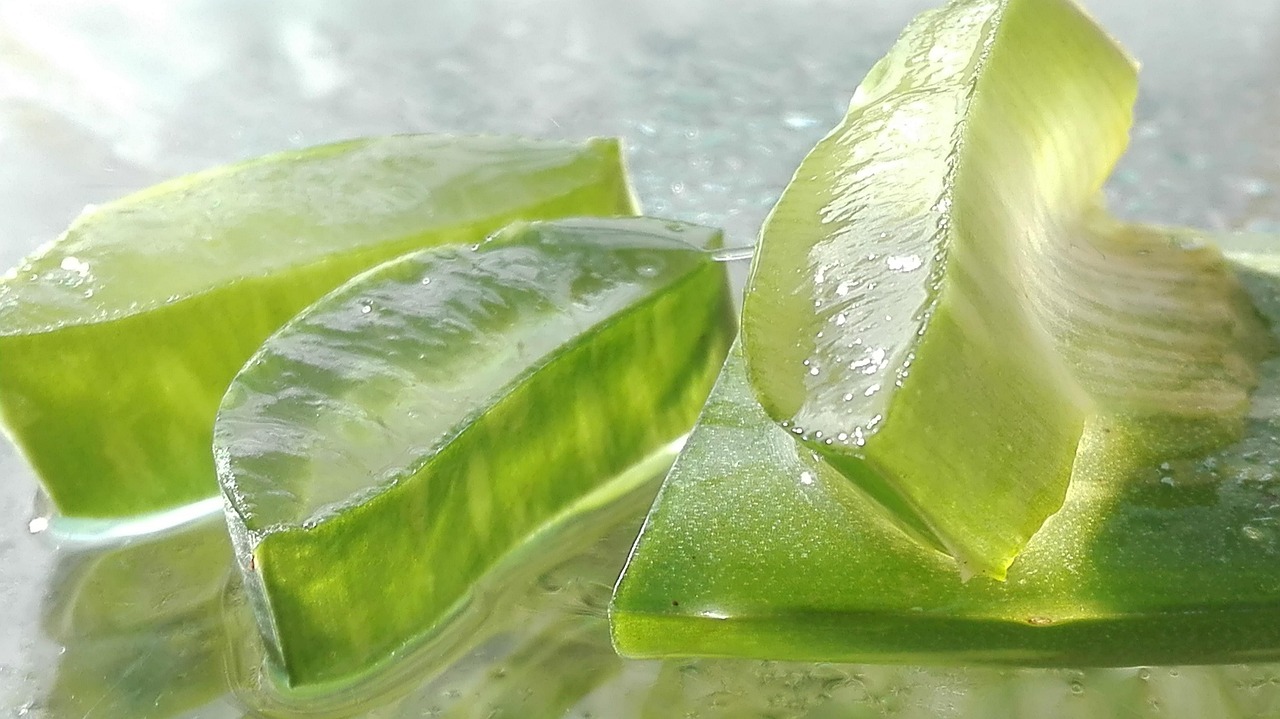
Alternatively, if you have an aloe vera plant at home, you can extract fresh gel directly. Simply cut a leaf, let the yellow latex drain (it can be irritating), then scoop out the clear gel. Store any unused fresh gel in the refrigerator for up to a week.
Preparation and Patch Testing
Before applying aloe vera gel on dark spots all over your face, always perform a patch test. Apply a small amount of gel to an inconspicuous area of your skin (like behind your ear or on your inner arm) and wait 24 hours to check for any adverse reactions like redness, itching, or irritation.
Application Methods for Fading Dark Spots with Aloe Vera
Once you’ve confirmed no sensitivity, here are several ways to use aloe vera gel:
- Direct Application:
- Cleanse your face thoroughly.
- Apply a thin layer of pure aloe vera gel directly to your dark spots.
- Gently massage it in until absorbed.
- Leave it on for 20-30 minutes, then rinse with cool water.
- Repeat once or twice daily.
- Overnight Treatment:
- After cleansing, apply a slightly thicker layer of aloe vera gel to your dark spots or your entire face.
- Leave it on overnight.
- Rinse your face in the morning.
- This allows the active ingredients more time to work.
- Aloe Vera Masks (with caution):
- Aloe Vera & Honey Mask: Mix 1 tablespoon of aloe vera gel with 1 teaspoon of raw honey (known for its antibacterial and healing properties). Apply to dark spots for 15-20 minutes, then rinse.
- Aloe Vera & Turmeric Mask (for brightening): Mix 1 tablespoon of aloe vera gel with a pinch of organic turmeric powder. Apply to spots for 10-15 minutes, then rinse thoroughly. Be mindful that turmeric can temporarily stain skin or clothes.
- *Caution with Lemon Juice:* While lemon juice is often suggested for dark spots due to its vitamin C content, it’s highly acidic and can cause photosensitivity and irritation, especially for sensitive skin. If you choose to use it, use it sparingly, diluted, and *never* before sun exposure. It’s generally safer to avoid it or consult a dermatologist.
Consistency and Patience
Natural remedies like aloe vera gel on dark spots typically take time to show results. Don’t expect immediate overnight changes. Consistent daily application for several weeks to months is usually required to notice a significant improvement in hyperpigmentation. Track your progress with photos to stay motivated.
Important Precautions and Tips
- Sun Protection is Paramount: While using aloe vera for hyperpigmentation, rigorous sun protection is non-negotiable. UV exposure can worsen existing dark spots and trigger new ones, undoing any progress. Always apply a broad-spectrum sunscreen with SPF 30 or higher daily, even on cloudy days.
- Avoid Irritation: If you experience any redness, burning, or increased irritation, discontinue use.
- Combine with Other Brightening Ingredients: For faster or more pronounced results, consider combining aloe vera with other proven brightening ingredients like Vitamin C serum, niacinamide, or alpha hydroxy acids (AHAs), but introduce them gradually and monitor your skin’s reaction.
- Consult a Dermatologist: If your dark spots are stubborn, widespread, or if you’re unsure about their cause, consult a dermatologist. They can offer professional treatments and advice tailored to your specific skin concerns.
Pros and Cons of Using Aloe Vera Gel for Dark Spots
Like any skincare treatment, using aloe vera gel on dark spots comes with its own set of advantages and disadvantages.
Pros:
- Natural & Gentle: Aloe vera is a plant-derived ingredient, generally well-tolerated by most skin types, including sensitive skin, making it a gentle alternative to harsher chemical treatments.
- Hydrating: It provides excellent hydration without feeling heavy or greasy, which can improve overall skin health and appearance.
- Anti-inflammatory: Its soothing properties help reduce redness and inflammation, which is particularly beneficial for post-inflammatory hyperpigmentation.
- Antioxidant Benefits: Rich in antioxidants, it helps protect the skin from environmental damage and premature aging.
- Cost-Effective & Accessible: Pure aloe vera gel is relatively inexpensive and widely available, making it an accessible option for many.
- Multi-Purpose: Beyond dark spots, it offers various other skin benefits like soothing sunburns, moisturizing, and aiding in wound healing.
Cons:
- Slower Results: Natural remedies often take longer to show significant results compared to prescription treatments or professional procedures. Patience and consistency are essential.
- Not Effective for All Types/Severity: While helpful for mild to moderate hyperpigmentation, severe or deeply rooted dark spots (like stubborn melasma or very old sun spots) might require stronger interventions.
- Potential for Allergic Reactions: Although rare, some individuals may be allergic to aloe vera, leading to redness, itching, or hives. This underscores the importance of a patch test.
- Purity Concerns: Not all commercially available aloe vera gels are pure. Many contain additives, fragrances, and alcohol that can irritate the skin or diminish the gel’s efficacy.
- Photosensitivity (Indirectly): While aloe vera itself isn’t directly photosensitizing, using it to exfoliate or lighten skin makes your skin more vulnerable to sun damage, emphasizing the critical need for sun protection.
Comparing Aloe Vera with Other Natural Remedies
The quest for natural solutions to dark spots often leads to exploring various ingredients. How does aloe vera gel on dark spots stack up against other popular natural remedies?
- Lemon Juice: Known for its high vitamin C content, lemon juice is a common recommendation. However, its high acidity can be very irritating, cause severe photosensitivity, and potentially worsen hyperpigmentation if not used correctly and with extreme sun protection. Aloe vera is significantly gentler and safer for daily use.
- Potato Slices: Potatoes contain catecholase, an enzyme believed to help lighten dark spots. While gentle, scientific evidence supporting its efficacy for hyperpigmentation is limited, and results, if any, are often subtle.
- Apple Cider Vinegar (ACV): ACV contains alpha hydroxy acids (AHAs) that can help exfoliate the skin. Like lemon juice, it’s highly acidic and must be diluted properly to avoid burns or irritation. Aloe vera provides similar exfoliating benefits (through salicylic acid) in a much milder form.
- Turmeric: Curcumin, the active compound in turmeric, has antioxidant and anti-inflammatory properties, and some studies suggest it can inhibit melanin production. It can be effective, but its strong yellow pigment can temporarily stain the skin. Combining it with aloe vera can enhance its benefits while mitigating some of its drawbacks.
- Honey: While primarily known for its moisturizing and antibacterial properties, honey doesn’t directly target melanin production. However, its healing and soothing effects can support overall skin health and aid in recovery from inflammatory conditions that lead to PIH.
In summary, while many natural remedies exist, aloe vera gel on dark spots stands out for its balanced profile: it’s gentle, hydrating, anti-inflammatory, and contains specific compounds that directly inhibit melanin production, making it one of the more comprehensive and safer natural options for addressing hyperpigmentation.
When to See a Dermatologist
While aloe vera gel on dark spots can be a beneficial part of a natural skincare routine, it’s important to recognize its limitations. There are several instances when consulting a dermatologist is highly recommended:
- Stubborn or Worsening Spots: If your dark spots don’t show improvement after several months of consistent aloe vera use, or if they appear to be getting darker or more widespread.
- New or Rapidly Changing Spots: Any new, rapidly growing, or irregularly shaped dark spots should be evaluated by a professional to rule out more serious conditions, such as skin cancer.
- Uncertainty of Cause: If you’re unsure what’s causing your hyperpigmentation (e.g., is it melasma, sun spots, or something else?), a dermatologist can provide an accurate diagnosis.
- Deep or Severe Hyperpigmentation: For very deep-seated or severe dark spots, stronger treatments like prescription retinoids, hydroquinone, chemical peels, microdermabrasion, or laser therapy might be necessary.
- Associated Symptoms: If your dark spots are accompanied by pain, itching, bleeding, or other concerning symptoms.
A dermatologist can offer personalized advice, advanced treatment options, and help you develop an effective strategy to achieve your skin goals safely.
Recommended Products
Seven Minerals Organic Aloe Vera Gel
A popular choice for its purity (99% organic aloe vera) and absence of harmful chemicals, perfect for sensitive skin and direct application on dark spots.
Lily of the Desert Aloe Vera Gel
Known for its commitment to organic farming and high-quality aloe vera, this gel is great for soothing and moisturizing while addressing skin discoloration.
Amara Organics Aloe Vera Gel
Another highly-rated organic option, this gel is versatile for both skin and hair, providing hydration and aiding in the reduction of hyperpigmentation.
Frequently Asked Questions About Aloe Vera Gel On Dark Spots
How long does it take for aloe vera gel to work on dark spots?
Results vary significantly from person to person and depend on the type and depth of the dark spots. Generally, you should expect to use aloe vera gel on dark spots consistently for at least 2-3 months to see noticeable improvements. Patience is crucial, as natural remedies work gradually by inhibiting melanin production and promoting cell turnover.
Can aloe vera make dark spots worse?
In most cases, pure aloe vera gel is unlikely to make dark spots worse. However, if you experience an allergic reaction (redness, itching, irritation), this inflammation could potentially lead to new hyperpigmentation (post-inflammatory hyperpigmentation). Always perform a patch test before widespread use, and ensure you’re using pure gel without irritating additives. Also, neglecting sun protection while trying to fade spots will definitely make them worse, regardless of treatment.
Is fresh aloe vera better than bottled gel for dark spots?
Fresh aloe vera gel directly from the plant is often considered superior because it retains all its natural enzymes, vitamins, and active compounds without any preservatives or additives. Bottled gels, even pure ones, may undergo some processing which could slightly diminish certain benefits. However, high-quality, 100% pure bottled aloe vera gel from reputable brands can still be very effective and more convenient.
Can I use aloe vera gel on all skin types?
Yes, aloe vera gel is generally safe and well-tolerated by most skin types, including sensitive, oily, dry, and acne-prone skin. Its gentle, anti-inflammatory, and hydrating properties make it suitable for a wide range of individuals. Nevertheless, a patch test is always recommended to rule out individual sensitivities or allergies.
What should I combine with aloe vera for better results on dark spots?
For enhanced results, you can combine aloe vera gel on dark spots with other skin-brightening ingredients. Consider layering it with a Vitamin C serum (a powerful antioxidant and melanin inhibitor), Niacinamide (Vitamin B3, which helps prevent melanin transfer), or a gentle AHA (Alpha Hydroxy Acid) exfoliant a few times a week. Always introduce new products slowly and ensure they don’t cause irritation when used with aloe vera.
Does aloe vera help with acne scars and dark spots?
Aloe vera can certainly help with the dark spots that often follow acne, which are known as post-inflammatory hyperpigmentation (PIH). Its anti-inflammatory and melanin-inhibiting properties can fade these red or brown marks. For true indented acne scars (atrophic scars), aloe vera can aid in skin regeneration and improve overall texture, but it’s unlikely to fully fill in deep scars. It’s more effective for discoloration than for textural changes.
Conclusion
The journey to clearer, more even-toned skin can be long and challenging, but incorporating natural remedies like aloe vera gel on dark spots offers a gentle and promising path. With its rich blend of aloesin, antioxidants, and anti-inflammatory compounds, aloe vera actively works to inhibit melanin production, soothe inflammation, and promote healthy cell regeneration, making it a valuable ally in your fight against hyperpigmentation.
Remember that consistency is your greatest tool. While aloe vera may not offer overnight miracles, dedicated application over several weeks to months can yield noticeable improvements. Always prioritize using pure, high-quality gel and, crucially, combine its use with diligent sun protection to safeguard your skin from further damage. If you’re dealing with persistent or severe dark spots, don’t hesitate to consult a dermatologist for professional guidance and advanced treatment options. Embrace the power of nature and embark on your journey towards a radiant, blemish-free complexion with the humble yet mighty aloe vera.
“`