This comprehensive guide dives deep into the science and practical application of using Aloe Vera for dark spots. We’ll explore what causes dark spots, the specific compounds in Aloe Vera that may offer a solution, how to properly harvest and apply fresh gel from your plant, and what realistic expectations to set. Get ready to uncover the truth and learn how to potentially unlock a brighter, more uniform skin tone with the power of nature.
Understanding Dark Spots: What Are They?
Before we delve into how an Aloe Vera plant can help, it’s essential to understand what dark spots are and why they appear. Dark spots, medically known as hyperpigmentation, occur when certain areas of the skin produce excess melanin. Melanin is the pigment responsible for our skin, hair, and eye color. When it’s overproduced or unevenly distributed, it results in patches that are darker than the surrounding skin.
Common Causes of Hyperpigmentation:
- Sun Exposure: The most frequent culprit. UV radiation triggers melanin production as a protective mechanism, leading to sun spots (lentigines) and freckles.
- Post-Inflammatory Hyperpigmentation (PIH): Dark marks left behind after skin inflammation or injury, such as acne breakouts, eczema, or cuts.
- Melasma: Often referred to as the “mask of pregnancy,” melasma is characterized by brown or grayish-brown patches, primarily on the face. It’s triggered by hormonal changes (pregnancy, birth control) combined with sun exposure.
- Medications: Certain drugs can cause hyperpigmentation as a side effect.
- Aging: As we age, our skin’s ability to regulate melanin production can decline, leading to age spots.
Understanding the root cause of your dark spots is crucial for effective treatment, and it helps set realistic expectations for any remedy, including those derived from an Aloe Vera plant.
The Power of Aloe Vera: A Natural Skin Healer
The Aloe Vera plant (Aloe barbadensis miller) is a succulent that has been used for centuries in traditional medicine and skincare. Its gel, found inside the leaves, is packed with over 75 potentially active constituents, including vitamins, enzymes, minerals, sugars, lignins, saponins, salicylic acids, and amino acids. These components contribute to its well-known soothing, healing, and moisturizing properties.
For skincare, Aloe Vera is celebrated for its ability to:
- Soothe irritated skin and reduce inflammation.
- Provide deep hydration without a greasy feel.
- Promote wound healing and cell regeneration.
- Offer antioxidant benefits, protecting skin from environmental damage.
But how do these general benefits translate into a solution for those stubborn Aloe Vera plant dark spots?
How Aloe Vera Plant Addresses Dark Spots
The potential of Aloe Vera to lighten dark spots primarily comes from specific compounds within its gel and the overall synergistic effect of its constituents.
The Science Behind Aloe Vera’s Depigmenting Effects
Two key compounds are often highlighted when discussing Aloe Vera’s role in hyperpigmentation:
- Aloesin (or Aloin): Found in the yellow latex just under the skin of the Aloe Vera leaf, aloesin is a natural compound that has been extensively studied for its ability to inhibit tyrosinase activity. Tyrosinase is a crucial enzyme involved in the production of melanin. By inhibiting this enzyme, aloesin can help reduce the overproduction of melanin, thus diminishing the appearance of dark spots. Studies suggest that aloesin can be effective even at low concentrations. It’s important to note that while aloesin is potent, the yellow latex can also be irritating to some skin types, so proper preparation of the fresh gel is key.
- Antioxidants and Anti-inflammatory Properties: Aloe Vera contains various antioxidants (like Vitamins A, C, and E) and anti-inflammatory compounds (such as salicylic acid, bradykinase, and fatty acids). These elements are crucial for addressing post-inflammatory hyperpigmentation (PIH). By reducing inflammation, Aloe Vera can help prevent the initial cascade that leads to melanin overproduction after an injury or breakout, and it can also aid in the healing process of existing marks.
- Exfoliating Enzymes: The gel also contains enzymes that can gently exfoliate the skin, promoting cell turnover. This helps shed pigmented skin cells more quickly, revealing fresher, less pigmented skin underneath.
Benefits of Using Aloe Vera for Dark Spots
Opting for an Aloe Vera plant dark spots remedy offers several compelling advantages:
- Natural and Gentle: It’s a plant-derived solution, often well-tolerated by sensitive skin types when used correctly.
- Cost-Effective: If you grow your own Aloe Vera plant, the gel is virtually free and readily available.
- Multi-Benefit: Beyond dark spots, Aloe Vera hydrates, soothes, and provides overall skin health benefits. You’re treating the dark spots while nourishing your skin.
- Reduced Redness: Its anti-inflammatory properties can help calm redness often associated with active breakouts or irritation, which can exacerbate PIH.
Potential Drawbacks and Considerations
While promising, it’s important to have realistic expectations and be aware of potential downsides:
- Slow Results: Natural remedies like Aloe Vera typically work slower than pharmaceutical treatments. Consistency and patience are paramount.
- Not a Magic Bullet: Aloe Vera may not be effective for very deep or long-standing hyperpigmentation, or for severe melasma.
- Allergic Reactions: Though rare, some individuals can be allergic to Aloe Vera. Always perform a patch test on a small, inconspicuous area of skin before widespread application.
- Purity Concerns: Store-bought Aloe Vera gels can vary widely in purity and concentration. Many contain additives, fragrances, or alcohol, which can irritate the skin or dilute the efficacy of the active compounds. Fresh gel from your Aloe Vera plant is often preferred.
- Sun Sensitivity: While Aloe Vera itself isn’t typically photosensitizing, any treatment for dark spots aims to reveal new skin cells, which are more vulnerable to UV damage. Diligent sun protection is absolutely critical when treating hyperpigmentation.
Harnessing Your Aloe Vera Plant for Dark Spots: A Practical Guide
To maximize the benefits of your Aloe Vera plant dark spots treatment, proper preparation and application are key.
Choosing and Preparing Your Aloe Vera Plant
For the best results, use gel from a mature Aloe Vera plant (at least 2-3 years old), as younger plants may have lower concentrations of active compounds.
- Select a Leaf: Choose a thick, outer leaf from the base of the plant. These are typically the most mature and contain the most gel.
- Harvest Carefully: Use a clean, sharp knife to cut the leaf as close to the stem as possible.
- Drain the Latex: Immediately after cutting, place the cut end of the leaf downwards in a glass or bowl for 10-15 minutes. This allows the yellow-ish latex (which contains aloesin but can also be irritating) to drain out. Discard the latex.
- Clean the Leaf: Rinse the leaf thoroughly under cool water.
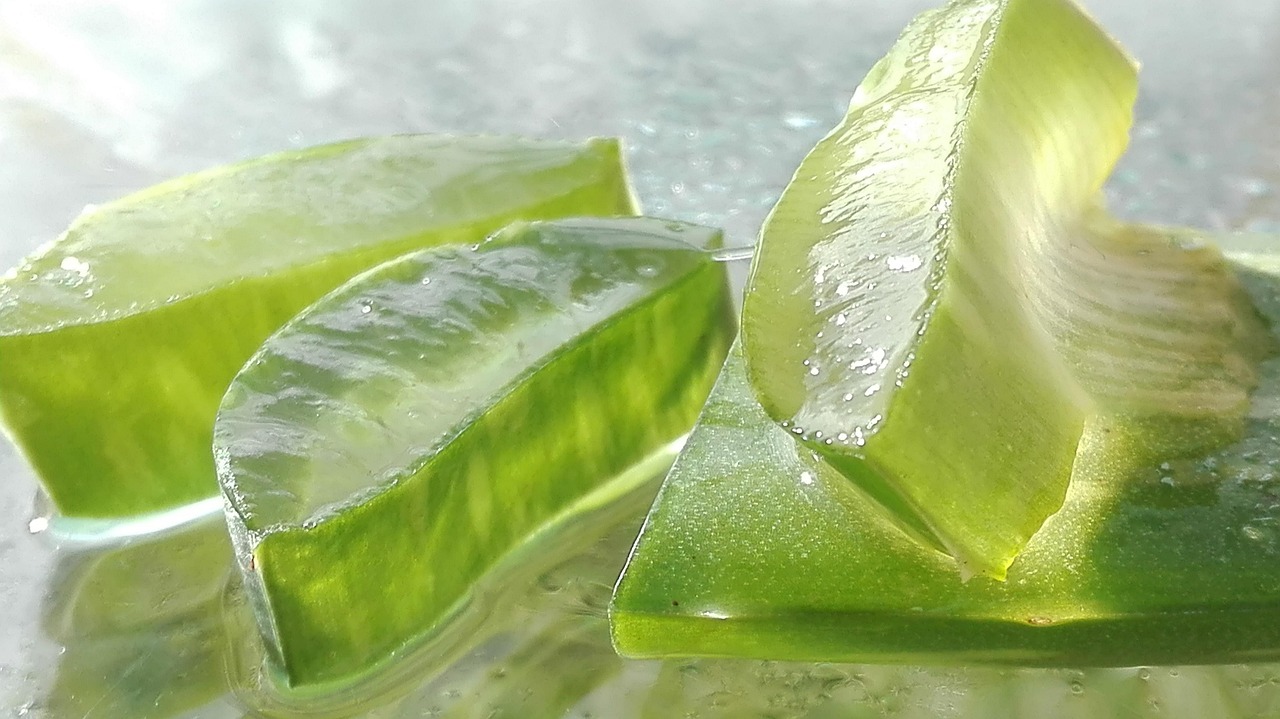
- Extract the Gel: Lay the leaf flat and carefully trim off the thorny edges. Then, slice the leaf lengthwise to expose the clear gel. Use a spoon to gently scoop out the inner gel,