
Dark spots, hyperpigmentation, age spots, sun spots – whatever you call them, these unwelcome visitors on our skin can be frustrating. They can make our complexion look uneven, dull, and older than we feel. For years, professional laser treatments were the gold standard for tackling these issues, but they often came with a hefty price tag and required multiple clinic visits. Thankfully, advancements in technology have brought effective solutions much closer to home. The rise of the at home laser for dark spots has revolutionized how we approach skin correction, offering a convenient and often more affordable alternative.
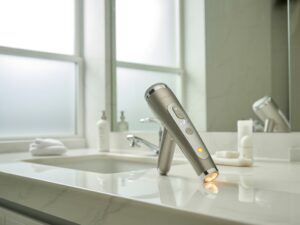
If you’ve been dreaming of a clearer, more radiant complexion without the hassle of appointments, you’re in the right place. This comprehensive guide will delve deep into the world of at home laser for dark spots. We’ll explore how these devices work, their benefits, potential risks, and crucial tips for choosing and using them safely and effectively. Get ready to uncover the secrets to achieving brighter, more even-toned skin right from the comfort of your own home!
Understanding Dark Spots and Hyperpigmentation
Before diving into treatment options, it’s essential to understand what dark spots are and why they appear. Dark spots, or hyperpigmentation, are areas of skin that become darker than the surrounding skin. This occurs when there’s an overproduction of melanin, the pigment that gives skin its color.
What Causes Dark Spots?
- Sun Exposure: This is by far the most common culprit. UV radiation triggers melanin production as a protective mechanism, leading to sunspots, age spots, and freckles.
- Post-Inflammatory Hyperpigmentation (PIH): This type of dark spot appears after skin inflammation or injury, such as acne breakouts, eczema, cuts, or burns. As the skin heals, it can leave behind a dark mark.
- Melasma: Often referred to as the “mask of pregnancy,” melasma is characterized by brown or gray-brown patches, usually on the face. It’s often triggered by hormonal changes (pregnancy, birth control pills) combined with sun exposure.
- Medications: Certain medications can increase sun sensitivity or directly cause hyperpigmentation.
Types of Dark Spots
While often grouped together, different types of dark spots respond differently to treatments:
- Sun Spots (Solar Lentigines): Flat, brown, or black spots that appear on sun-exposed areas like the face, hands, shoulders, and arms.
- Freckles (Ephelides): Small, flat brown spots that often appear in childhood and are genetic, darkening with sun exposure.
- Post-Inflammatory Hyperpigmentation (PIH): Flat patches of discolored skin ranging from pink to red, brown, or black, left behind after inflammation.
- Melasma: Larger, symmetrical patches of hyperpigmentation, particularly on the forehead, cheeks, upper lip, and chin.
The Science Behind At Home Laser For Dark Spots
The term “laser” is often used broadly, but it’s important to differentiate between true lasers and other light-based therapies like IPL (Intense Pulsed Light) when discussing at home laser for dark spots. Both can be effective, but they work slightly differently.
How Lasers Target Pigment
True lasers emit a single, focused wavelength of light. Devices designed for dark spots typically use wavelengths that are highly absorbed by melanin. This process is called selective photothermolysis. When the laser light hits the melanin in the dark spot, it converts into heat, which shatters the pigment into tiny particles. These particles are then naturally cleared away by the body’s immune system, leading to a fading of the dark spot over time.
Types of At-Home Devices
- At-Home Lasers: These are less common for dark spots than IPL devices due to their specific wavelength requirements and potential for higher energy. When available, they often use fractional laser technology, creating microscopic treatment zones to stimulate skin renewal and pigment reduction. Examples include some devices originally designed for anti-aging that also improve tone.
- At-Home IPL Devices (Intense Pulsed Light): While not technically lasers (they use a broad spectrum of light), IPL devices are very popular for at-home use for dark spots. They emit multiple wavelengths of light, targeting melanin. The light energy is absorbed by the pigment, causing it to heat up and break down, similar to lasers. Many devices marketed as “at-home laser” for hair removal also include skin rejuvenation modes that are effective for dark spots due to their IPL technology.
Regardless of whether it’s a true laser or an IPL device, the principle remains the same: controlled light energy targets and breaks down excess pigment, allowing your body to naturally clear it away.
Benefits of Using An At Home Laser For Dark Spots
The appeal of an at home laser for dark spots extends beyond just convenience. Here are some of the key advantages:
- Convenience and Privacy: Treat your skin on your own schedule, in the comfort and privacy of your home. No appointments, no travel time.
- Cost-Effectiveness: While the initial investment in a device can be significant, it’s often much lower than the cumulative cost of multiple professional laser sessions. Over time, it can be a more economical solution.
- Gradual, Controlled Results: At-home devices typically operate at lower energy levels than professional machines, leading to more gradual results. This can mean less downtime and a lower risk of adverse effects if used correctly.
- Accessibility: For those in remote areas or with mobility issues, at-home devices make advanced skin treatments accessible.
- Maintenance: Once you’ve achieved your desired results from professional treatments, an at-home device can be an excellent tool for maintaining your clear complexion and preventing new spots from forming.
Potential Risks and Considerations
While an at home laser for dark spots offers many benefits, it’s crucial to be aware of the potential risks and how to mitigate them:
- Skin Irritation: Redness, swelling, or mild discomfort are common temporary side effects.
- Hyperpigmentation or Hypopigmentation: Incorrect use, using the device on too high a setting, or treating inappropriate skin tones can potentially lead to new dark spots (hyperpigmentation) or lightening of the skin (hypopigmentation). This risk is higher for individuals with darker skin tones.
- Burns: Though rare with properly used at-home devices, thermal injury can occur if instructions are not followed, especially if the device is used on tanned skin or over tattoos.
- Eye Safety: Light-based devices can be harmful to the eyes. Always use the protective eyewear provided with your device.
- Ineffectiveness: Not all dark spots respond equally. Deep-seated pigment or certain types of melasma might require professional intervention.
- Exacerbation of Conditions: Using a laser on certain skin conditions (e.g., active cold sores, suspicious moles) can worsen them.
Always perform a patch test on an inconspicuous area of your skin before full treatment to assess your skin’s reaction. Reading the user manual thoroughly is non-negotiable.
Choosing the Right At Home Laser Device
With a growing market, selecting the best at home laser for dark spots can feel overwhelming. Here’s what to look for:
Key Features to Look For
- FDA Clearance: Look for devices that are FDA-cleared for safety and efficacy. This indicates they meet specific regulatory standards.
- Specific Indication: Ensure the device explicitly states it targets dark spots, hyperpigmentation, or skin rejuvenation, not just hair removal.
- Adjustable Energy Levels: This allows you to customize the intensity based on your skin’s sensitivity and the severity of the dark spots.
- Skin Tone Sensor: Many IPL devices include a sensor that automatically adjusts settings or prevents treatment on darker skin tones where the risk of adverse effects is higher.
- Safety Features: Look for features like contact sensors (device only fires when in full contact with the skin) and protective eyewear included.
- User Reviews: Reputable devices will have a good track record and positive user reviews, especially regarding dark spot reduction.
Factors to Consider
- Your Skin Type: Individuals with darker skin tones (Fitzpatrick scale IV-VI) have a higher risk of hyperpigmentation or hypopigmentation with light-based treatments. Some devices are not suitable for darker skin. Always check the device’s compatibility with your skin tone.
- Type of Dark Spots: While many devices help with sun spots and PIH, melasma can be trickier and sometimes worsened by light treatments. Consult a dermatologist if you have melasma.
- Budget: Prices vary widely. Determine what you’re willing to invest, keeping in mind the long-term savings compared to professional treatments.
- Brand Reputation: Stick to well-known brands with a history in beauty and skincare devices.
Step-by-Step Guide: Using Your At Home Laser Safely
Using an at home laser for dark spots requires adherence to instructions for optimal results and safety. Here’s a general guide:
Pre-Treatment Preparation
- Read the Manual: This is paramount. Every device has specific instructions, contraindications, and usage guidelines.
- Cleanse Your Skin: Ensure the treatment area is clean, dry, and free of makeup, lotions, or self-tanner.
- Avoid Sun Exposure: Do not use the device on tanned skin. Avoid direct sun exposure for at least 2-4 weeks before and after treatment.
- Perform a Patch Test: Always test a small, inconspicuous area of your skin 24-48 hours before treating a larger area. Observe for any adverse reactions.
- Shave (if necessary): Some devices require the area to be shaved for optimal light penetration, even if it’s not a hair removal device. Check your manual.
During Treatment
- Wear Protective Eyewear: This is crucial. Always wear the safety glasses provided with your device.
- Select Appropriate Settings: Start with the lowest recommended setting and gradually increase if your skin tolerates it well.
- Place Device Firmly on Skin: Ensure the device makes full contact with the skin, as indicated by the device’s sensors.
- Follow Recommended Pattern: Move the device slowly and systematically across the treatment area, avoiding overlapping flashes excessively.
- Treat Dark Spots Individually (if applicable): Some devices are designed for spot treatment; others treat larger areas.
Post-Treatment Care
- Soothe Your Skin: Immediately after treatment, apply a soothing, fragrance-free moisturizer or aloe vera gel.
- Sun Protection is Key: Protect the treated area from the sun with a broad-spectrum SPF 30+ sunscreen daily. This is vital to prevent new dark spots and protect healing skin.
- Avoid Irritants: For a few days, avoid harsh exfoliants, retinoids, or other potentially irritating skincare ingredients on the treated area.
- Be Patient: Dark spots will typically darken slightly before flaking off or fading over several days to weeks. Consistency over several weeks or months is usually required to see significant results.
What to Expect: Results and Timeline
When using an at home laser for dark spots, it’s important to set realistic expectations. Unlike professional treatments which might show quicker, more dramatic changes, at-home devices typically offer a more gradual improvement.
- Initial Reaction: Immediately after treatment, you might experience mild redness or warmth. Dark spots may appear slightly darker as the pigment rises to the surface.
- Fading Process: Over the next few days to a couple of weeks, the treated dark spots will typically scab over, flake off, or simply fade. This process varies depending on the individual and the device used.
- Consistency is Key: Significant results usually require consistent use over several weeks or months, following the manufacturer’s recommended treatment schedule (e.g., 1-2 times per week for 8-12 weeks).
- Not a Magic Wand: While effective, an at-home laser won’t erase all dark spots instantly. Some stubborn spots might require more time or professional intervention.
- Maintenance: Once you achieve your desired results, periodic maintenance treatments may be necessary to keep your skin clear and prevent new hyperpigmentation.
Recommended Products
Choosing the right device is crucial for effective and safe treatment. While product availability and features constantly evolve, here are examples of popular and well-regarded at-home IPL/light therapy devices that often include features for skin rejuvenation and dark spot reduction. Always research the latest models and read reviews before purchasing.
Braun Silk-expert Pro 5 IPL
A highly-rated IPL device known for its smart skin tone sensor that automatically adapts to your skin. Many users report improvements in skin tone and reduction of dark spots in addition to hair removal.
KetchBeauty IPL Hair Removal & Skin Rejuvenation
This device explicitly includes a skin rejuvenation mode designed to target pigmentation, sun spots, and improve overall skin texture, alongside its hair removal capabilities.
Lumiere Skincare IPL Device
Often featuring multiple treatment heads or modes, devices like Lumiere are designed to address various concerns, including reducing the appearance of dark spots and promoting a more even complexion.
Disclaimer: Product recommendations are examples based on current market trends. Always verify product specifications, read recent reviews, and ensure the device is suitable for your specific skin type and concerns before making a purchase.
FAQ Section
Q1: Are at-home lasers for dark spots truly safe?
A: When used correctly and according to manufacturer instructions, at home laser for dark spots devices are generally considered safe for most users. They operate at lower energy levels than professional machines, reducing the risk of severe side effects. However, it’s crucial to perform a patch test, use protective eyewear, and ensure the device is suitable for your skin tone to minimize risks like irritation, burns, or changes in pigmentation.
Q2: How long does it take to see results from an at-home laser?
A: Results vary by individual and device, but typically, you can expect to see noticeable improvements after 4-8 weeks of consistent use. Dark spots may initially darken before gradually fading. Full results often require 12 weeks or more of regular treatments. Patience and adherence to the recommended treatment schedule are key to achieving the best outcomes.
Q3: Can all skin types use at-home lasers for dark spots?
A: Not all skin types are suitable for all at-home light-based devices. Devices that target melanin (like most IPLs and some lasers) carry a higher risk for individuals with darker skin tones (Fitzpatrick scale IV-VI) as they can cause hyperpigmentation (darkening) or hypopigmentation (lightening). Always check the device’s specific compatibility chart for skin tones, and if in doubt, consult a dermatologist.
Q4: What’s the difference between IPL and a true laser for dark spots?
A: A true laser emits a single, focused wavelength of light, making it very precise. IPL (Intense Pulsed Light) emits a broad spectrum of light. While both target melanin to break down dark spots, true lasers are often more powerful and precise, while IPL devices are typically gentler and can treat a wider range of concerns with less downtime. Many at-home “laser” devices for dark spots are actually IPL technology.
Q5: Can I use an at-home laser on melasma?
A: Treating melasma with light-based devices, including at home laser for dark spots, can be complex. Melasma is often hormonally driven and can sometimes be worsened by heat or light. While some professional lasers are used for melasma, it’s generally recommended to consult a dermatologist before attempting to treat melasma with an at-home device, as improper use could exacerbate the condition.
Q6: Are there any side effects I should watch out for?
A: Common temporary side effects include mild redness, swelling, or a sensation similar to a mild sunburn. Dark spots may temporarily darken before fading. Less common but more serious side effects can include blistering, scabbing, burns, or persistent changes in skin pigmentation (either darker or lighter patches). If you experience severe or persistent side effects, discontinue use and consult a healthcare professional.
Conclusion
The journey to clearer, more even-toned skin can be a long one, but the emergence of the at home laser for dark spots has opened up exciting new possibilities for managing hyperpigmentation from the convenience of your own home. These devices offer a promising blend of accessibility, privacy, and long-term cost-effectiveness, empowering you to take control of your skin’s appearance.
Remember, while the allure of a brighter complexion is strong, safety and informed usage are paramount. Always prioritize reading instructions, performing patch tests, and understanding your skin’s unique needs and limitations. With diligent care, realistic expectations, and consistent application, an at-home laser can be a powerful ally in fading dark spots and revealing the radiant skin you deserve. If you have persistent concerns or complex skin conditions, a consultation with a dermatologist remains the best course of action to ensure the most appropriate and safest treatment plan for you.