
In this comprehensive guide, we’ll delve deep into the world of chemical peels, exploring how they work, the types best suited for different forms of dark spots, and what you can realistically expect from the treatment process. We’ll uncover the science behind hyperpigmentation, discuss the pros and cons of opting for a peel, and provide practical advice for maximizing your results and maintaining a beautifully even complexion. If you’re ready to understand whether a chemical peel is the right path to fading those dark spots and revealing brighter skin, keep reading!
Understanding Dark Spots: The Root of Hyperpigmentation
Before we explore how a chemical peel can help, it’s crucial to understand what dark spots are and why they appear. Dark spots, medically known as hyperpigmentation, occur when there’s an overproduction of melanin – the pigment that gives skin its color – in certain areas. This excess melanin then deposits in the skin, leading to patches that are darker than the surrounding skin.
What Causes Dark Spots?
- Sun Exposure: This is the most common culprit. UV light triggers melanin production as a protective mechanism, leading to sun spots, age spots, or liver spots.
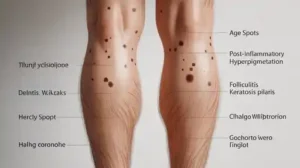
- Post-Inflammatory Hyperpigmentation (PIH): Occurs after skin inflammation or injury, such as acne breakouts, eczema, cuts, or aggressive skin treatments. The skin responds by producing excess melanin.
- Melasma: Often called the “mask of pregnancy,” melasma is triggered by hormonal fluctuations (pregnancy, birth control pills) combined with sun exposure. It typically appears as symmetrical patches on the face.
- Medications: Certain drugs, like some antibiotics or anti-malarial medications, can cause hyperpigmentation as a side effect.
Identifying the type of dark spot you have is essential, as it helps determine the most effective treatment approach, including which type of chemical peel for dark spots might be most beneficial.
Can A Chemical Peel Remove Dark Spots? The Definitive Answer
Yes, absolutely! Chemical peels can be highly effective at removing or significantly fading dark spots. The mechanism behind their success lies in their ability to exfoliate the top layers of the skin, where much of the excess melanin resides. By removing these pigmented cells, a fresh, less pigmented layer of skin is revealed, leading to a more even and brighter complexion.
Here’s how chemical peels work to remove hyperpigmentation:
- Exfoliation: The chemical solution applied to the skin causes controlled damage, leading to the shedding of old, damaged skin cells, including those saturated with melanin.
- Increased Cell Turnover: This exfoliation process stimulates the skin’s natural regeneration cycle, encouraging new, healthier skin cells to surface more quickly.
- Collagen Production: Deeper peels can also stimulate collagen and elastin production, improving overall skin texture and firmness, which indirectly contributes to a more youthful and even appearance.
The extent to which a chemical peel can remove dark spots depends on several factors, including the type and depth of the peel, the severity and depth of the pigmentation, and your skin’s response to the treatment. Superficial peels are excellent for mild, epidermal pigmentation, while medium-depth peels can target deeper dermal pigmentation more aggressively.
Types of Chemical Peels for Dark Spots
The world of chemical peels offers a spectrum of options, each tailored to different skin concerns and desired intensity. When aiming to fade dark spots, certain types are more commonly recommended.
Superficial (Light) Peels
These are the mildest peels, ideal for treating superficial dark spots, improving skin texture, and giving a refreshed glow. They typically use Alpha Hydroxy Acids (AHAs) or Beta Hydroxy Acids (BHAs).
- Glycolic Acid Peels: Derived from sugar cane, glycolic acid is a popular AHA that effectively exfoliates the outermost layer of skin, helping to lift superficial pigmentation and brighten the complexion.
- Lactic Acid Peels: A gentler AHA derived from milk, lactic acid also exfoliates while providing hydration, making it suitable for sensitive skin or those with milder dark spots.
- Salicylic Acid Peels: A BHA, salicylic acid is oil-soluble, allowing it to penetrate into pores. It’s excellent for treating acne-related dark spots (PIH) and improving skin clarity.
- Mandelic Acid Peels: A larger AHA molecule, mandelic acid penetrates slower, making it very gentle and often recommended for sensitive skin types, including darker skin tones prone to PIH.
Pros: Minimal downtime, low risk of side effects, suitable for a wide range of skin types.
Cons: Require multiple sessions (typically 3-6) for significant results, primarily targets epidermal dark spots.
Medium Peels
These peels penetrate deeper than superficial peels, targeting both the epidermis and the upper part of the dermis. They are more effective for moderate to severe dark spots, sun damage, and fine lines.
- Trichloroacetic Acid (TCA) Peels: TCA peels are highly versatile and can be used in varying concentrations to achieve different depths. They are particularly effective for sun spots, deeper post-inflammatory hyperpigmentation, and some forms of melasma.
Pros: More dramatic results in fewer sessions compared to superficial peels, excellent for stubborn dark spots.
Cons: Longer downtime (5-7 days of significant peeling), increased risk of redness, swelling, and temporary skin discoloration. Requires careful aftercare.
Deep Peels
Deep peels, primarily using Phenol, penetrate to the deeper layers of the dermis. While extremely effective for severe sun damage, deep wrinkles, and extensive scarring, they are generally not the first choice specifically for dark spots due to their intensity, significant risks, and very long recovery time. They are performed less frequently and require meticulous pre- and post-care, often under sedation.
The Chemical Peel Process: What to Expect
Understanding the journey from consultation to recovery will help you prepare for your dark spot removal chemical peel.
Before Your Peel: Preparation is Key
A thorough consultation with a board-certified dermatologist or licensed aesthetician is paramount. They will assess your skin type, concerns, and medical history to recommend the most appropriate peel. You may be advised to:
- Stop using certain topical products (retinoids, exfoliants) for 1-2 weeks prior.
- Apply a pre-treatment cream (e.g., hydroquinone) for several weeks to prepare the skin and minimize the risk of post-inflammatory hyperpigmentation, especially for darker skin tones.
- Avoid sun exposure and tanning beds.
During the Treatment
The skin is thoroughly cleansed, and the chemical solution is applied. You might experience a tingling, stinging, or warm sensation, which varies with the peel’s depth. The professional will monitor your skin’s reaction closely. For superficial peels, the solution is often neutralized after a few minutes; medium peels may remain on the skin for longer.
Aftercare and Recovery
This phase is critical for achieving optimal results and preventing complications.
Immediately after: Skin will be red, tight, and potentially swollen.
Days 1-7 (or longer for medium peels): Peeling will begin. Do NOT pick or pull at the peeling skin, as this can lead to scarring or new dark spots.
Essential Aftercare:
- Sun Protection: This is non-negotiable! Use a broad-spectrum sunscreen with SPF 30+ daily and reapply frequently. Wear hats and seek shade. Sun exposure on newly peeled skin can cause severe hyperpigmentation.
- Gentle Cleansing and Moisturizing: Use mild, non-comedogenic cleansers and rich, hydrating moisturizers recommended by your specialist.
- Avoid Irritants: Steer clear of harsh exfoliants, retinoids, and fragranced products until your skin has fully healed.
Pros and Cons of Using Chemical Peels for Dark Spots
Like any cosmetic procedure, chemical peels come with their own set of advantages and considerations.
Pros:
- Effective Dark Spot Reduction: Can significantly reduce the appearance of sun spots, PIH, and melasma.
- Improved Skin Tone and Texture: Beyond dark spots, peels refine pores, smooth fine lines, and enhance overall skin radiance.
- Stimulates Collagen: Promotes skin rejuvenation and firmness.
- Customizable: Various peel types and strengths allow for tailored treatments.
- Relatively Quick Procedure: Most peels take under an hour to perform.
Cons:
- Downtime: Ranges from a few days of mild flaking to over a week of significant peeling and redness.
- Potential Side Effects: Temporary redness, swelling, itching, stinging. More serious risks include infection, scarring, and, ironically, post-inflammatory hyperpigmentation (especially if proper aftercare isn’t followed or if the peel is too aggressive for certain skin types).
- Multiple Sessions: Often required for optimal results, especially with superficial peels.
- Cost: Can be an investment, especially considering multiple sessions.
- Not Suitable for Everyone: Individuals with certain medical conditions, active infections, or very sensitive skin may not be good candidates.
Maximizing Your Results and Maintaining Clear Skin
To ensure your investment in a chemical peel yields the best possible outcome and keeps those dark spots at bay, consider these tips:
- Consistent Aftercare: Follow your specialist’s instructions religiously, especially regarding sun protection and moisturizing.
- Complementary Topicals: Incorporate physician-recommended skincare products into your routine, such as Vitamin C serums (antioxidant, brightener), retinoids (cell turnover), or hydroquinone (tyrosinase inhibitor) to maintain results and prevent new spots.
- Healthy Lifestyle: A balanced diet, adequate hydration, and stress management contribute to overall skin health and resilience.
- Maintenance Peels: Depending on your skin concerns and type, occasional maintenance peels may be recommended to sustain your results.
Remember, preventing new dark spots is just as important as treating existing ones. Diligent sun protection is your best defense.
Recommended Products
While chemical peels are performed by professionals, proper at-home care before and after your treatment is crucial for enhancing results and minimizing side effects. Here are some product types that can be incredibly beneficial:
EltaMD UV Clear Broad-Spectrum SPF 46
A lightweight, oil-free sunscreen that protects sensitive skin from UVA/UVB rays. Essential for post-peel healing and preventing new dark spots.
CeraVe Moisturizing Cream
A gentle, fragrance-free, non-comedogenic cream with ceramides and hyaluronic acid to restore and maintain the skin’s protective barrier, crucial after a peel.
SkinCeuticals C E Ferulic
A powerful antioxidant serum that helps protect against environmental damage, brightens skin, and improves fine lines. Can be introduced post-healing to enhance results.
FAQ: Your Questions About Chemical Peels & Dark Spots Answered
How many chemical peel sessions does it take to remove dark spots?
The number of sessions varies significantly based on the type of peel, the severity and depth of your dark spots, and your individual skin response. For superficial peels, a series of 3-6 treatments spaced 2-4 weeks apart is common. Medium peels may require 1-3 sessions, often spaced further apart. Your dermatologist will create a personalized treatment plan.
Are chemical peels safe for all skin tones, especially darker skin?
While chemical peels can be safe for all skin tones, individuals with darker skin tones (Fitzpatrick types IV-VI) have a higher risk of post-inflammatory hyperpigmentation (PIH) if the wrong peel type or strength is used. It is absolutely crucial to seek a board-certified dermatologist experienced with diverse skin types. They can recommend gentler peels like mandelic acid or lower concentration TCA and prescribe pre-treatment protocols to mitigate risks.
What’s the downtime after a chemical peel for dark spots?
Downtime depends on the peel’s depth:
Superficial peels: Minimal downtime, perhaps 1-3 days of mild redness and flaking, easily covered with makeup.
Medium peels: Typically 5-7 days of noticeable redness, swelling, and significant peeling. Social downtime is common during this period.
Can dark spots come back after a chemical peel?
Yes, dark spots can return, especially if proper aftercare, particularly diligent sun protection, is not maintained. Sun exposure is a primary trigger for hyperpigmentation. Hormonal factors (melasma) can also cause recurrence. Consistent use of broad-spectrum SPF, protective clothing, and potentially maintenance skincare products or follow-up peels are vital for long-term results.
What is the average cost of a chemical peel for dark spots?
The cost of a chemical peel varies widely based on geographic location, the type and depth of the peel, and the practitioner’s expertise. Superficial peels can range from $100-$300 per session, while medium-depth peels might cost $300-$800 or more per session. Since multiple sessions are often needed, consider the total treatment plan cost.
Are there any alternatives to chemical peels for dark spots?
Yes, several alternatives can help treat dark spots. These include topical skincare ingredients like retinoids, hydroquinone, Vitamin C, niacinamide, and alpha arbutin. Other professional treatments like laser therapy (e.g., IPL, PicoSure), microneedling, and microdermabrasion can also be effective. Often, a combination of treatments yields the best results, which your dermatologist can advise on.
Conclusion: Your Path to Clearer, Brighter Skin
The question of “can a chemical peel remove dark spots” is met with a resounding yes, provided the right approach is taken. Chemical peels offer a scientifically proven and effective method to diminish hyperpigmentation, revealing a fresher, more even-toned complexion. From superficial peels that gently exfoliate to medium-depth treatments that tackle more stubborn discoloration, there’s a solution tailored to various types and severities of dark spots.
However, the journey to clearer skin is not a one-size-fits-all path. It necessitates a thorough understanding of your skin, the nature of your dark spots, and a commitment to meticulous pre- and post-treatment care. The most critical step is to consult with a qualified dermatologist or licensed skincare professional. They can accurately assess your skin, recommend the most suitable chemical peel, and guide you through the process, ensuring both safety and optimal results. With professional guidance and consistent sun protection, you can confidently embark on your path to significantly reduce dark spots and enjoy the revitalizing effects of a chemical peel.
“`