In this comprehensive guide, we’ll delve deep into the world of castor oil, exploring its properties, potential benefits, and whether it truly holds the key to fading those unwelcome dark spots. We’ll examine the science (or lack thereof), discuss how to properly incorporate it into your routine if you choose to try it, and offer a balanced perspective on what you can realistically expect. Get ready to uncover the truth about using castor oil for hyperpigmentation and arm yourself with the knowledge to make informed decisions for your skin.
Understanding Dark Spots and Hyperpigmentation
Before we explore the role of castor oil, it’s crucial to understand what dark spots are and why they appear. Dark spots are essentially areas of the skin where excess melanin—the pigment that gives skin its color—has been produced. This overproduction leads to a darker appearance compared to the surrounding skin.
Common Types and Causes of Hyperpigmentation:
- Post-Inflammatory Hyperpigmentation (PIH): Often occurs after skin injury or inflammation, such as acne, eczema, or cuts. The skin responds by producing more melanin in the affected area, leaving a dark spot once the initial injury heals.
- Sunspots (Solar Lentigines): These are flat, brown, or black spots that develop on sun-exposed areas like the face, hands, and décolletage. They are a direct result of prolonged exposure to ultraviolet (UV) radiation, which stimulates melanin production.
- Melasma: Characterized by larger patches of hyperpigmentation, often brownish or grayish, appearing on the face (forehead, cheeks, upper lip, chin). Melasma is primarily triggered by hormonal changes (e.g., pregnancy, birth control pills) combined with sun exposure.
- Freckles: While often considered charming, freckles are also a form of hyperpigmentation, primarily caused by genetics and sun exposure.
Regardless of the cause, managing dark spots often involves a multi-faceted approach, focusing on prevention (sunscreen!), gentle exfoliation, and ingredients that help inhibit melanin production or speed up cell turnover.
What is Castor Oil? Exploring Its Properties
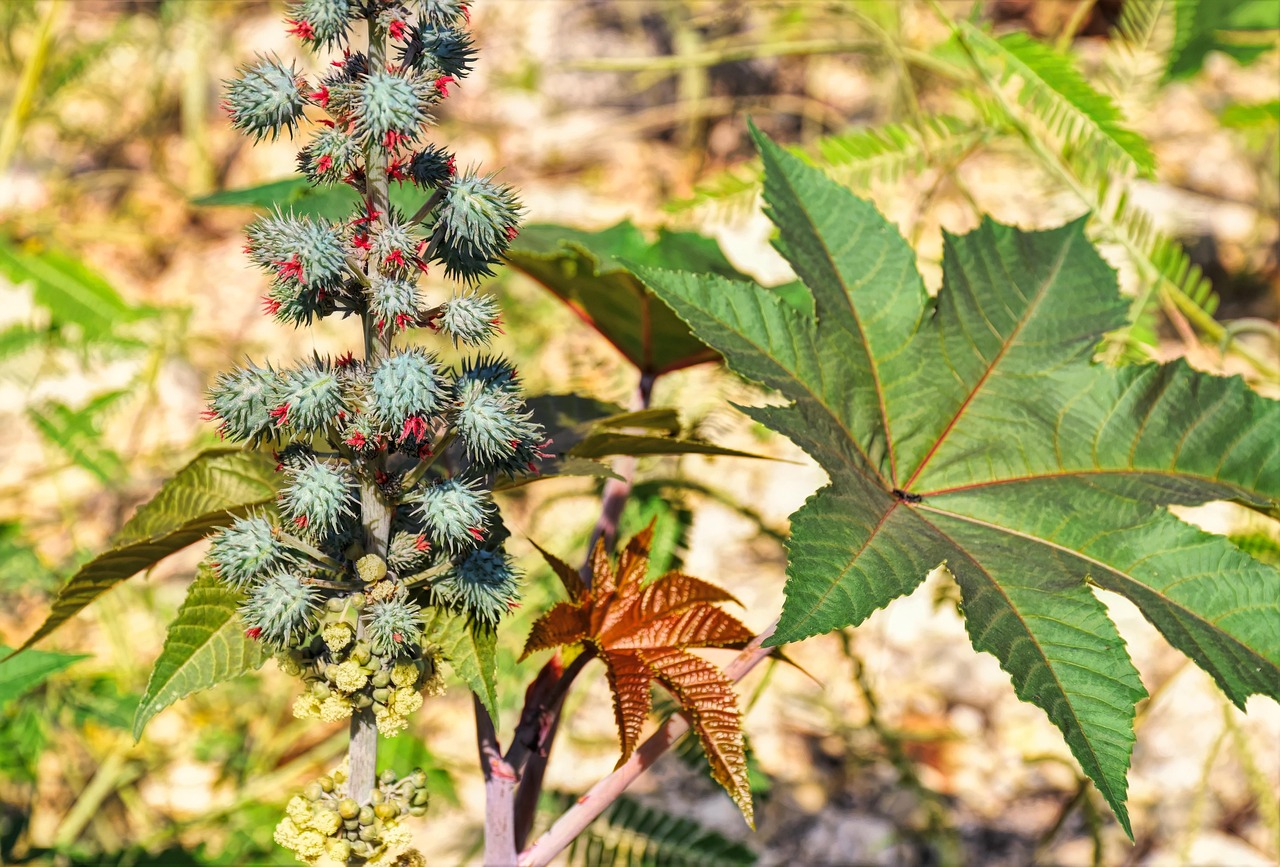
Castor oil is a vegetable oil derived from the seeds of the Ricinus communis plant. It’s known for its thick consistency and distinctive odor. Historically, it has been used for various medicinal and cosmetic purposes, ranging from laxatives to hair growth treatments. But what makes it a contender for skin concerns like dark spots?
Key Components and Benefits of Castor Oil:
- Ricinoleic Acid: This is the primary fatty acid in castor oil, making up about 90% of its composition. Ricinoleic acid is known for its strong anti-inflammatory and antibacterial properties. These qualities can be beneficial for skin health in general, potentially reducing inflammation that might contribute to PIH.
- Moisturizing Power: Castor oil is an excellent emollient and humectant, meaning it helps to hydrate the skin by drawing moisture from the air and sealing it in. Well-hydrated skin often looks healthier and can support its natural healing processes.
- Antioxidants: While not as rich in antioxidants as some other oils, castor oil does contain some, which can help protect the skin from free radical damage caused by environmental stressors.
- Fatty Acids: Beyond ricinoleic acid, it also contains other beneficial fatty acids like oleic and linoleic acids, which contribute to skin nourishment.
These properties highlight castor oil’s potential as a general skin health booster, but do they directly translate into the ability to remove dark spots?
Can Castor Oil Remove Dark Spots? The Verdict
When it comes to the direct removal of dark spots or hyperpigmentation, the scientific evidence specifically supporting castor oil is limited or nonexistent. Unlike ingredients such as hydroquinone, retinoids, vitamin C, or alpha hydroxy acids (AHAs), castor oil does not contain compounds scientifically proven to inhibit melanin production or significantly speed up the turnover of pigmented skin cells.
What the Science Says (and Doesn’t Say):
- No Direct Melanin Inhibition: There are no studies showing that castor oil directly reduces melanin synthesis, which is the primary mechanism by which most effective dark spot treatments work.
- Indirect Benefits? The argument for castor oil’s effectiveness often hinges on its indirect benefits:
- Anti-inflammatory Action: By reducing inflammation, particularly in cases of post-inflammatory hyperpigmentation (PIH) caused by acne or irritation, castor oil *might* help prevent new dark spots from forming or reduce the severity of existing ones by calming the skin. However, it’s unlikely to erase deeply set spots.
- Hydration and Skin Barrier Support: Healthy, hydrated skin can often heal better and appear more radiant, potentially making existing dark spots less noticeable over time. It can also support the skin’s natural regeneration process.
- Antioxidant Properties: Protecting the skin from oxidative stress *can* help prevent new dark spots, especially sun-induced ones, but again, this is a preventive measure, not a treatment for existing damage.
Therefore, while castor oil is a wonderful emollient with anti-inflammatory benefits, calling it a “dark spot remover” might be an overstatement based on current scientific understanding. Its potential benefits are more aligned with supporting overall skin health and potentially mitigating *new* inflammation-induced spots, rather than directly lightening or erasing established hyperpigmentation.
Pros and Cons of Using Castor Oil for Dark Spots
If you’re still considering trying castor oil, it’s helpful to weigh the potential advantages against the drawbacks.
Pros:
- Natural and Affordable: Castor oil is a natural product, widely available, and generally inexpensive compared to specialized dark spot treatments.
- Moisturizing: It’s highly effective at hydrating the skin, which can improve skin texture and overall appearance.
- Anti-inflammatory: Its ricinoleic acid content can help soothe irritated skin, potentially beneficial for PIH.
- Antimicrobial: Can help keep pores clean and reduce bacteria, which might indirectly help prevent acne that leads to dark spots.
- Gentle for Some: For many, it’s a non-irritating oil when used correctly.
Cons:
- Lack of Scientific Proof for Direct Removal: As discussed, there’s no strong scientific evidence that castor oil can remove dark spots directly or significantly lighten established hyperpigmentation.
- Slow or No Visible Results: If it does help, results are likely to be very gradual and subtle, primarily due to its supportive rather than active lightening properties. Many users report no change.
- Potential for Clogging Pores: Its thick consistency can be occlusive. While generally considered non-comedogenic, some individuals might find it too heavy or pore-clogging, especially if prone to acne.
- Allergic Reactions/Irritation: Although rare, some people may experience skin irritation, redness, or allergic reactions. A patch test is always essential.
- Messy Application: Due to its thickness, it can be a bit messy to apply.
How to Use Castor Oil for Dark Spots (If You Choose To Try)
If you’ve weighed the pros and cons and still wish to experiment with castor oil for your dark spots, here’s a guide on how to incorporate it into your routine safely and effectively.
Step-by-Step Application:
- Patch Test First: This is crucial. Apply a small amount of castor oil to an inconspicuous area of your skin (e.g., behind the ear or on your inner arm) and wait 24-48 hours. Check for any signs of redness, itching, burning, or irritation. If none occur, it’s likely safe for you to use on your face.
- Cleanse Your Skin: Start with a clean face. Wash with a gentle cleanser and pat dry.
- Dilute (Optional but Recommended): For facial application, especially if you have sensitive or acne-prone skin, consider diluting castor oil with a lighter carrier oil like jojoba, argan, or rosehip oil. A 1:1 ratio is a good starting point. This can make it less occlusive and easier to spread.
- Targeted Application: Using a clean cotton swab or your fingertip, apply a small amount of the oil directly onto your dark spots. You can also apply a thin layer over areas prone to hyperpigmentation.
- Massage Gently: Lightly massage the oil into your skin for a minute or two to ensure absorption.
- Leave On: For best results (if any are to be seen), leave the oil on overnight. If you’re concerned about residue, you can apply it 30 minutes before bed and gently blot any excess with a tissue.
- Consistency is Key: Apply once daily, typically in the evening. Remember, if you do see results, they will be very slow, so consistency over several weeks or months is necessary.
Important Considerations:
- Sun Protection: This cannot be stressed enough. Castor oil does not offer sun protection. Sun exposure is the primary trigger for most dark spots. Always apply a broad-spectrum sunscreen with SPF 30 or higher every morning, especially when trying to fade dark spots.
- Patience: Do not expect overnight miracles. Any subtle improvements from castor oil will take time.
- Listen to Your Skin: If you experience any irritation, discontinue use immediately.
- Professional Advice: For persistent or severe hyperpigmentation, consult a dermatologist. They can offer more effective, evidence-based treatments.
Other Proven Methods for Fading Dark Spots
While exploring natural remedies like castor oil can be appealing, it’s important to be aware of the ingredients and treatments that have strong scientific backing for treating hyperpigmentation:
- Topical Treatments:
- Vitamin C: A powerful antioxidant that inhibits melanin production and brightens skin.
- Retinoids (Retinol, Tretinoin): Speed up cell turnover, helping to shed pigmented cells and stimulate new, unpigmented skin.
- Alpha Hydroxy Acids (AHAs) & Beta Hydroxy Acids (BHAs): Exfoliate the skin, removing surface dark spots. Glycolic acid (AHA) and salicylic acid (BHA) are common choices.
- Niacinamide (Vitamin B3): Helps prevent the transfer of melanin to skin cells.
- Hydroquinone: A potent skin-lightening agent, often prescribed by dermatologists for severe hyperpigmentation.
- Professional Treatments:
- Chemical Peels: Deeper exfoliation to remove layers of pigmented skin.
- Laser Therapy: Targets melanin in the skin to break up dark spots.
- Microdermabrasion: Physically exfoliates the outermost layer of skin.
Combining a good skincare routine with these proven ingredients and treatments, often under the guidance of a dermatologist, will yield the most significant and reliable results for fading dark spots.
Recommended Products
While castor oil’s direct effect on dark spots is unproven, incorporating it into a holistic skincare routine that prioritizes hydration and sun protection can support overall skin health. Here are some complementary products to consider:
Pure Organic Cold-Pressed Castor Oil
High-quality, hexane-free castor oil for those who wish to try it for its moisturizing and anti-inflammatory benefits.
Broad-Spectrum SPF 50 Facial Sunscreen
Crucial for preventing new dark spots and worsening existing ones. A daily non-negotiable for hyperpigmentation management.
Gentle Hydrating Facial Cleanser
A mild cleanser prepares your skin without stripping it, ideal before applying any treatment or moisturizer.
Vitamin C Serum for Face
A powerful antioxidant that can actively help brighten skin and reduce the appearance of dark spots when used consistently.
Frequently Asked Questions About Castor Oil and Dark Spots
1. Is castor oil safe for all skin types?
While generally considered safe, castor oil can be quite thick and potentially occlusive. People with very oily or acne-prone skin might find it too heavy, potentially leading to clogged pores. Those with sensitive skin should always perform a patch test first, as allergic reactions, though rare, can occur. For most skin types, it’s generally well-tolerated, especially when diluted with a lighter carrier oil.
2. How long does it take to see results when using castor oil for dark spots?
Since there’s no strong scientific evidence that castor oil directly removes dark spots, any perceived results are likely to be very subtle and gradual, attributed more to its hydrating and anti-inflammatory properties rather than direct melanin reduction. If you do notice any improvement, it would likely take several weeks to months of consistent daily use. For more definitive results, consider proven ingredients and treatments.
3. Can castor oil worsen dark spots?
It’s unlikely that castor oil itself would directly worsen existing dark spots. However, if it causes an allergic reaction or irritation, the subsequent inflammation could potentially lead to new post-inflammatory hyperpigmentation (PIH). Also, if you rely solely on castor oil and neglect proper sun protection, your dark spots will almost certainly worsen due to UV exposure. Always pair any dark spot treatment with a broad-spectrum SPF.
4. Should I use pure castor oil or a blend for dark spots?
For targeted application on dark spots, pure, cold-pressed, organic castor oil is often recommended to ensure you’re getting the most potent form of the oil. However, its thick consistency can be challenging for facial application. Many people prefer to dilute it with a lighter carrier oil like jojoba, argan, or rosehip oil, especially if applying it to a larger area or if they have oily/sensitive skin. Dilution can make it more palatable and reduce the risk of pore clogging.
5. What’s the best time of day to apply castor oil for dark spots?
The best time to apply castor oil for dark spots is typically in the evening or before bed. This allows the oil to remain on the skin for an extended period without being disturbed by makeup or environmental factors. Since castor oil can be quite thick and leave a sheen, overnight application is often preferred. Always apply it after cleansing and toning, and before any heavier creams or moisturizers.
Conclusion: A Balanced Perspective on Castor Oil and Dark Spots
The quest for clear, even-toned skin often leads us to explore a myriad of remedies, both traditional and modern. When it comes to the question, “Can castor oil remove dark spots?” the answer, based on current scientific understanding, leans towards “unlikely” for direct removal. While castor oil boasts impressive moisturizing, anti-inflammatory, and antimicrobial properties that can contribute to overall skin health and potentially help prevent new inflammation-induced dark spots, it lacks the proven active ingredients necessary to significantly lighten or erase existing hyperpigmentation.
If you choose to incorporate castor oil into your routine, approach it with realistic expectations, focusing on its hydrating and soothing benefits rather than expecting a drastic lightening effect. Always prioritize a diligent skincare routine that includes consistent sun protection (SPF is non-negotiable!), gentle cleansing, and proven active ingredients like vitamin C, retinoids, or AHAs if you’re serious about fading dark spots. For persistent or severe hyperpigmentation, consulting a dermatologist remains the most effective path to achieving your skincare goals. Embrace castor oil as a supportive, natural emollient, but pair it with evidence-based strategies for the best results in your journey towards brighter, more radiant skin.
“`