
Are you staring at those stubborn dark spots in the mirror, wishing for a magic eraser? You’re not alone. Hyperpigmentation, whether from sun exposure, acne, or hormonal changes, is a common skin concern that can make your complexion appear uneven and dull. In your quest for clear, radiant skin, you’ve likely encountered various treatments, and one popular option that often comes up is the chemical peel.
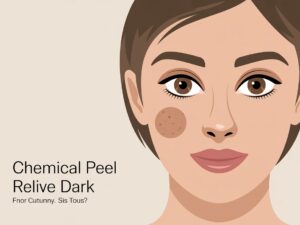
But the big question remains: Can chemical peel remove dark spots effectively? The answer, for many, is a resounding yes! Chemical peels have been a cornerstone of dermatological and aesthetic treatments for decades, renowned for their ability to resurface the skin and address a myriad of concerns, including those pesky dark spots. This comprehensive guide will delve deep into how chemical peels work, the types best suited for hyperpigmentation, what to expect, and how to maximize your results for a brighter, more even complexion. Let’s uncover the science behind this powerful treatment and determine if it’s the right solution for you.
Understanding Dark Spots: What Are They?
Before we explore how chemical peels tackle them, it’s crucial to understand what dark spots are and why they appear. Dark spots, medically known as hyperpigmentation, occur when there’s an overproduction of melanin, the pigment that gives skin its color. This excess melanin can deposit in specific areas, leading to patches that are darker than the surrounding skin.
Types of Hyperpigmentation
- Sun Spots (Lentigines): Often called “age spots” or “liver spots,” these are common on areas frequently exposed to the sun, like the face, hands, and décolletage. They are a direct result of chronic UV exposure.
- Post-Inflammatory Hyperpigmentation (PIH): These dark marks appear after an inflammatory skin condition, such as acne, eczema, or a cut. As the skin heals, it can produce excess melanin, leaving behind a brown, black, or sometimes reddish-purple spot.
- Melasma: This type of hyperpigmentation presents as larger, irregular patches, often on the face (cheeks, forehead, upper lip). It’s frequently triggered by hormonal changes (e.g., pregnancy, birth control) combined with sun exposure.
Understanding the type of dark spot you have can help determine the most effective treatment approach, though chemical peels are generally versatile enough to address most forms of hyperpigmentation.
Can Chemical Peel Remove Dark Spots? The Science Behind It
So, can chemical peel remove dark spots? Absolutely. Chemical peels work by applying a chemical solution to the skin, which exfoliates the top layers. This process encourages the skin to shed damaged cells, including those containing excess melanin, and promotes the growth of new, healthier skin cells. The result is a smoother, more even-toned complexion.
How Chemical Peels Work on Pigmentation
When applied to the skin, the acidic solution in a chemical peel creates a controlled injury. This controlled damage triggers the skin’s natural healing process. During this process:
- Exfoliation: The peel breaks down the bonds between dead skin cells, allowing them to slough off. This removes the surface layers where much of the accumulated melanin resides.
- Cell Turnover: The shedding of old skin cells stimulates the production of new, unpigmented skin cells, leading to a fresher, brighter appearance.
- Collagen Production: Deeper peels can also stimulate collagen and elastin production, improving skin texture and firmness in addition to reducing pigmentation.
Different Types of Chemical Peels for Dark Spots
Chemical peels are categorized by their depth of penetration, which dictates their strength and the extent of results and downtime.
1. Light (Superficial) Peels
- Ingredients: Typically use Alpha Hydroxy Acids (AHAs) like glycolic acid, lactic acid, or Beta Hydroxy Acids (BHAs) like salicylic acid, or very low concentrations of TCA.
- How they work: Exfoliate only the outermost layer of skin (epidermis).
- Best for: Mild sun spots, post-inflammatory hyperpigmentation, and overall skin brightening. They require multiple sessions for significant results but have minimal downtime.
- Downtime: Little to none, mild redness, and subtle flaking for a few days.
2. Medium Peels
- Ingredients: Often use Trichloroacetic Acid (TCA) in concentrations ranging from 10-35%, or a combination of acids.
- How they work: Penetrate deeper into the epidermis and upper dermis.
- Best for: More stubborn sun spots, deeper PIH, and melasma. They offer more dramatic results than light peels.
- Downtime: Significant, with redness, swelling, and peeling lasting 5-7 days or more.
3. Deep Peels
- Ingredients: Typically use phenol or high concentrations of TCA (50% or more).
- How they work: Penetrate deeply into the dermis.
- Best for: Severe sun damage, deep wrinkles, and extensive hyperpigmentation. These are very powerful treatments, often performed under sedation.
- Downtime: Extensive, weeks of healing, and can only be performed once.
For most dark spot concerns, light to medium peels are the most common and effective choices. The specific type and strength of the peel will be determined by your skin type, the nature of your dark spots, and your desired outcome, always in consultation with a qualified professional.
The Benefits of Chemical Peels for Dark Spot Removal
Beyond simply addressing pigmentation, chemical peels offer a wealth of benefits for overall skin health and appearance:
- Effective Dark Spot Reduction: Directly target and lighten various forms of hyperpigmentation, including sun spots, PIH, and melasma.
- Improved Skin Tone and Texture: Promote a more even complexion and smoother skin surface by removing dead skin cells and stimulating new cell growth.
- Reduced Fine Lines and Wrinkles: Especially medium and deep peels, can significantly diminish the appearance of fine lines and some wrinkles.
- Stimulated Collagen Production: The controlled injury prompts the skin to produce more collagen, leading to firmer, more youthful-looking skin.
- Acne Improvement: Certain peels (like salicylic acid peels) can help clear clogged pores, reduce inflammation, and minimize future breakouts, thus preventing new PIH.
- Enhanced Product Absorption: By removing the barrier of dead skin cells, your skincare products can penetrate more effectively.
Potential Risks and Side Effects
While chemical peels are generally safe when performed by a qualified professional, it’s important to be aware of potential risks and side effects:
- Redness and Swelling: Common after all peels, lasting from a few hours (light peels) to several days or weeks (medium/deep peels).
- Peeling and Flaking: Expected as the old skin sheds, varying in intensity and duration based on peel depth.
- Increased Sensitivity: Skin will be more sensitive to sun and products temporarily.
- Temporary Hyperpigmentation: Especially in individuals with darker skin tones, there’s a risk of temporary darkening if proper aftercare (especially sun protection) isn’t followed, or if the peel is too aggressive.
- Hypopigmentation (Lightening): Rare, but deeper peels can sometimes cause permanent lightening of the skin.
- Infection: A rare risk, but possible if the skin barrier is compromised and not cared for properly.
- Scarring: Extremely rare with light to medium peels, but a potential risk with deep peels or improper application.
Choosing an experienced practitioner is paramount to minimizing these risks and ensuring a safe, effective treatment.
Preparing for Your Chemical Peel
Proper preparation is key to achieving optimal results and reducing potential side effects.
Consultation is Key
Your journey should always begin with a thorough consultation with a board-certified dermatologist or a licensed aesthetician. They will:
- Assess your skin type, tone, and concerns (e.g., specific dark spots).
- Discuss your medical history, including any allergies or previous skin conditions.
- Determine the most appropriate type and strength of chemical peel for you.
- Explain the procedure, expected results, and downtime.
- Provide specific pre-peel instructions.
Pre-Peel Skincare Regimen
Your practitioner might recommend a pre-peel regimen to prepare your skin, which could include:
- Avoiding certain products: Typically, you’ll be advised to stop using retinoids (Retin-A, tretinoin), alpha hydroxy acids, beta hydroxy acids, and other strong exfoliants for at least a week prior to your peel.
- Using gentle cleansers and moisturizers: To ensure your skin barrier is healthy.
- Sun protection: Strict sun avoidance and daily use of broad-spectrum sunscreen are crucial in the weeks leading up to the peel to prevent further pigmentation and sensitivity.
- Pre-treatment creams: For darker skin tones, a melanin-inhibiting cream (like hydroquinone) might be prescribed for 2-4 weeks before the peel to reduce the risk of post-inflammatory hyperpigmentation.
Post-Peel Care: Maximizing Results and Minimizing Risks
The success of your chemical peel, especially for dark spot removal, heavily depends on diligent aftercare.
Immediate Aftercare
- Gentle Cleansing: Use a mild, non-foaming cleanser with lukewarm water. Avoid scrubbing or rubbing.
- Moisturize Generously: Apply a thick, bland moisturizer multiple times a day to keep the skin hydrated and support the healing process.
- Strict Sun Protection: This is arguably the most critical step. Your new skin is extremely vulnerable to UV damage. Use a broad-spectrum sunscreen with SPF 30+ daily, reapply every two hours, wear a wide-brimmed hat, and seek shade. Sun exposure can lead to new dark spots or worsen existing ones, negating the peel’s benefits.
- Avoid Picking or Peeling: Let your skin shed naturally. Picking at flakes can lead to scarring or new hyperpigmentation.
- Avoid Active Ingredients: Steer clear of retinoids, AHAs, BHAs, vitamin C, and other active ingredients until your skin has fully healed and your practitioner gives the go-ahead.
- Stay Hydrated: Drink plenty of water to support skin healing from within.
Long-Term Maintenance
Once your skin has healed, maintaining your results requires a consistent skincare routine and continued sun protection. Your practitioner might recommend:
- Targeted serums with ingredients like vitamin C, niacinamide, or mild retinoids to prevent new dark spots.
- Regular use of broad-spectrum sunscreen every single day, rain or shine.
- Occasional maintenance peels or other treatments as advised.
Who is a Good Candidate for Chemical Peels?
Chemical peels can be beneficial for many, but they are not for everyone. Good candidates typically:
- Have sun spots, post-inflammatory hyperpigmentation, or mild-to-moderate melasma.
- Desire an improvement in skin tone, texture, and overall radiance.
- Are in good general health and have no active skin infections or open wounds.
- Have realistic expectations about the results and understand the commitment to aftercare.
Those who should generally avoid chemical peels include pregnant or breastfeeding individuals, those with active herpes simplex outbreaks, individuals with certain autoimmune diseases, or those who have recently used isotretinoin (Accutane).
Recommended Products
Proper pre and post-peel care is crucial for optimal results and minimizing side effects. Here are some product types that are generally recommended for soothing, protecting, and hydrating your skin during the healing process, and for maintaining results long-term:
Vanicream Gentle Facial Cleanser
A fragrance-free, soap-free, and non-comedogenic cleanser perfect for sensitive, post-peel skin.
La Roche-Posay Cicaplast Baume B5
An intensely soothing and restorative balm, ideal for comforting irritated or compromised skin after a peel.
EltaMD UV Clear Broad-Spectrum SPF 46
A highly recommended, broad-spectrum mineral sunscreen that is gentle, non-comedogenic, and suitable for sensitive and post-procedure skin.
CeraVe Moisturizing Cream
A rich, non-greasy cream with ceramides and hyaluronic acid to restore the skin’s barrier function and provide lasting hydration.
Frequently Asked Questions (FAQ)
Here are answers to common questions about using chemical peels for dark spot removal:
Q1: How many chemical peel sessions are needed to remove dark spots?
A: The number of sessions required varies greatly depending on the type and depth of the dark spots, the strength of the peel, and individual skin response. For light peels, a series of 3-6 treatments spaced 2-4 weeks apart is common. Medium peels might require 1-3 sessions spaced several months apart. Your practitioner will create a personalized treatment plan during your consultation.
Q2: Is a chemical peel painful?
A: The sensation during a chemical peel can range from a mild tingling or itching (light peels) to a more intense stinging or burning sensation (medium peels). This discomfort is usually temporary and lasts only for a few minutes while the solution is on the skin. Your practitioner may use a fan or cool compresses to help alleviate the sensation. Deep peels are typically performed under sedation.
Q3: Can I do a chemical peel for dark spots at home?
A: While there are mild “at-home” chemical peel products available, for effective and safe dark spot removal, especially for moderate to severe pigmentation, it is strongly recommended to have a professional chemical peel performed by a licensed dermatologist or aesthetician. Professional peels use stronger concentrations and require expert application to avoid complications like burns, scarring, or hyperpigmentation.
Q4: How long do the results of a chemical peel for dark spots last?
A: The longevity of results depends heavily on your post-peel care, particularly diligent sun protection. With proper sun avoidance and a consistent maintenance skincare routine, the improvement in dark spots can last for many months to years. However, new dark spots can form if the skin is exposed to triggers like UV radiation or inflammation without protection.
Q5: Are chemical peels safe for darker skin tones to treat dark spots?
A: Yes, chemical peels can be safe and effective for darker skin tones, but they must be approached with caution and expertise. Individuals with Fitzpatrick skin types IV-VI are at a higher risk of post-inflammatory hyperpigmentation (PIH) or hypopigmentation if the wrong type or strength of peel is used, or if pre/post-care isn’t followed meticulously. Lighter peels (e.g., glycolic, lactic, salicylic, or very superficial TCA) are generally preferred, often combined with melanin-inhibiting pre-treatment. Always seek a practitioner experienced in treating diverse skin tones.
Q6: What is the downtime after a chemical peel for dark spots?
A: Downtime varies significantly with the peel’s depth. Light peels typically have minimal downtime, with mild redness and flaking for 2-5 days. Medium peels involve more noticeable redness, swelling, and shedding, lasting 5-7 days or even up to 10 days, where your skin will look and feel significantly compromised. Deep peels have extensive downtime, often several weeks, requiring significant healing time.
Conclusion
In conclusion, the answer to “can chemical peel remove dark spots?” is a definitive yes, making them a highly effective solution for achieving a more uniform and radiant complexion. From sun spots and post-inflammatory hyperpigmentation to melasma, chemical peels offer a powerful way to resurface the skin, encourage new cell growth, and fade unwanted pigmentation.
However, it’s crucial to approach this treatment with knowledge and caution. The success and safety of your chemical peel hinge on several factors: selecting the right type and strength of peel for your specific skin concerns, having it performed by a qualified and experienced professional, and committing to diligent pre and post-peel care. Strict sun protection, in particular, is non-negotiable for maximizing results and preventing the recurrence of dark spots.
By understanding the process, embracing proper aftercare, and maintaining realistic expectations, a chemical peel can be a transformative step in your journey toward clearer, healthier, and more confident skin. Always consult with a skincare expert to determine if a chemical peel is the best treatment path for your individual needs.