This article dives deep into the science and anecdotal evidence surrounding the use of coconut oil for hyperpigmentation. We’ll explore what causes dark spots, examine the properties of coconut oil, assess its potential benefits and limitations, and provide practical advice on how to approach your skincare routine. By the end, you’ll have a clear understanding of whether adding coconut oil to your regimen is a viable strategy for fading those pesky dark spots or if other proven methods are more effective.
Understanding Dark Spots: What Causes Them?
Before we explore if coconut oil can help dark spots, it’s essential to understand what these spots are and why they appear. Dark spots are areas of the skin where excess melanin (the pigment that gives skin its color) has been produced, leading to a darker patch. This overproduction of melanin can be triggered by several factors:
- Sun Exposure: The most common cause. UV radiation stimulates melanocytes (melanin-producing cells) to create more pigment as a protective mechanism, leading to sunspots or age spots.
- Post-Inflammatory Hyperpigmentation (PIH): Occurs after an injury or inflammation to the skin, such as acne, eczema, cuts, or burns. As the skin heals, it can leave behind a dark mark.
- Hormonal Changes: Conditions like melasma, often triggered by pregnancy or oral contraceptives, cause brown or gray-brown patches, typically on the face.
- Medications: Certain drugs can cause hyperpigmentation as a side effect.
These spots can range from light brown to black and can be flat or slightly raised. Understanding the cause is the first step toward effective treatment, as different types of hyperpigmentation may respond differently to various remedies.
The Appeal of Coconut Oil for Skin Care
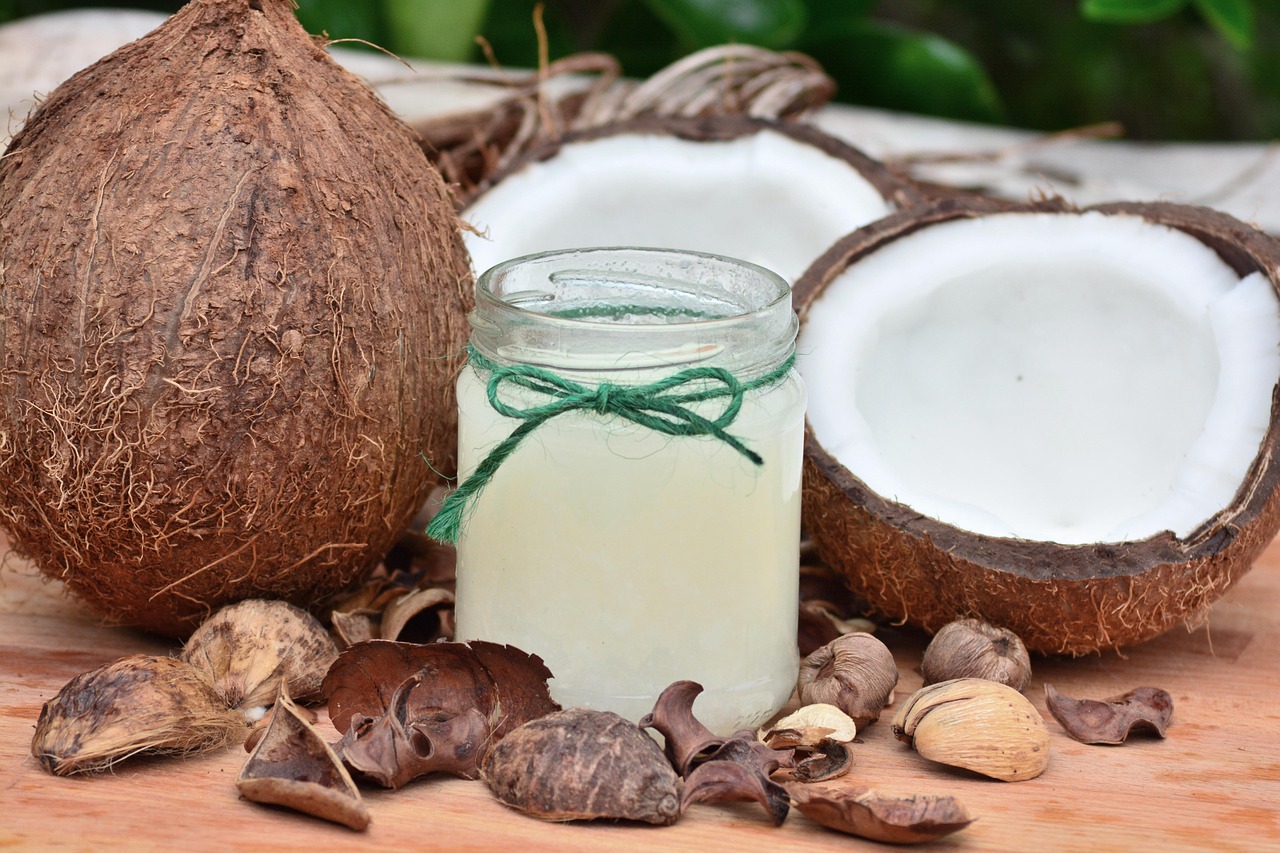
Coconut oil has long been lauded as a natural panacea for various health and beauty concerns. Rich in saturated fats, particularly medium-chain triglycerides (MCTs), it’s a popular choice for moisturizing, cooking, and even hair care. Its widespread availability, affordability, and natural origin make it an attractive option for those seeking holistic solutions for skin issues, including the desire to fade dark spots.
Many users report improved skin texture, hydration, and a general glow after consistent use. These anecdotal benefits often fuel the hope that if coconut oil is good for overall skin health, it must also be effective against specific concerns like hyperpigmentation. But does this natural wonder live up to the hype when it comes to tackling dark spots?
Can Coconut Oil Help Dark Spots? The Science Explained
The core question remains: can coconut oil help dark spots effectively? To answer this, we need to look at the scientific evidence and the properties of coconut oil.
Coconut Oil’s Key Components and Their Potential Role
Coconut oil contains several components that are beneficial for skin health in general, but their direct impact on melanin production and dark spot reduction is less clear:
- Lauric Acid: This medium-chain fatty acid makes up about 50% of coconut oil. Lauric acid has known antimicrobial and anti-inflammatory properties. For post-inflammatory hyperpigmentation (PIH), reducing inflammation can indirectly aid the healing process and potentially lessen the severity or duration of dark spots caused by acne or irritation. However, it does not directly inhibit melanin production.
- Antioxidants (Vitamin E, Polyphenols): Coconut oil contains a small amount of Vitamin E and other antioxidants. Antioxidants help protect the skin from free radical damage, which can contribute to premature aging and potentially worsen hyperpigmentation by inducing oxidative stress. While protective, this isn’t a direct fading mechanism for existing dark spots.
- Moisturizing Properties: Coconut oil is an excellent emollient, meaning it forms a protective barrier on the skin, preventing moisture loss. Well-hydrated skin tends to heal better and faster. For PIH, maintaining a healthy skin barrier can support the natural fading process.
What the Research Says (or Doesn’t Say)
Despite its popularity, there is a significant lack of direct scientific research specifically demonstrating that coconut oil can help dark spots by reducing melanin or fading established hyperpigmentation. Most studies on coconut oil for skin focus on its moisturizing, anti-inflammatory, and antimicrobial effects.
While its anti-inflammatory properties might indirectly assist in the healing of post-inflammatory hyperpigmentation (PIH) by calming the skin, there’s no evidence to suggest it directly targets the melanin responsible for sunspots, melasma, or age spots. It does not contain ingredients like hydroquinone, retinoids, or vitamin C, which are scientifically proven to inhibit melanin synthesis or accelerate cell turnover to fade dark spots.
Therefore, while coconut oil offers general skin benefits, relying on it as a primary treatment for hyperpigmentation may lead to disappointment.
Pros and Cons of Using Coconut Oil for Dark Spots
Considering its properties and the lack of direct evidence, here’s a balanced view of the pros and cons of using coconut oil for dark spots:
Pros of Using Coconut Oil
- Natural and Accessible: It’s a natural product, widely available, and relatively inexpensive.
- Moisturizing: Excellent for dry skin, helping to keep the skin barrier healthy and hydrated, which can indirectly aid healing.
- Anti-inflammatory: May help soothe irritated skin, potentially reducing the redness associated with fresh PIH, leading to less pronounced dark spots over time.
- Antimicrobial: Lauric acid can help combat certain bacteria, which might be beneficial for acne-prone skin (though caution is advised, as discussed below).
Cons of Using Coconut Oil
- Not a Direct Treatment for Hyperpigmentation: The most significant drawback is the absence of scientific evidence proving its efficacy in directly fading dark spots caused by sun, hormones, or age.
- Comedogenic Potential: Coconut oil is highly comedogenic, meaning it can clog pores. For individuals with acne-prone or oily skin, applying coconut oil can lead to new breakouts, which in turn can cause new post-inflammatory hyperpigmentation. This means it could potentially make your dark spot problem worse.
- Slow or Non-Existent Results: If it provides any benefit for dark spots, it would be indirect and extremely slow, especially compared to targeted treatments.
- No Sun Protection: Coconut oil offers minimal to no SPF. Relying on it without adequate sun protection can actually worsen existing dark spots and cause new ones.
- Allergic Reactions: While rare, some individuals may experience allergic reactions or irritation.
How to Incorporate Coconut Oil into Your Skincare Routine (With Caution)
If you’re still keen to use coconut oil for its general skin benefits and hope for any indirect help with dark spots, here’s how to do so cautiously:
Choosing the Right Type of Coconut Oil
Always opt for virgin, unrefined coconut oil. This type retains more of its beneficial compounds and is less processed than refined versions.
Patch Test First
Before applying coconut oil to your face or a large area, perform a patch test on a small, inconspicuous area of your skin (e.g., behind the ear or on the jawline) for a few days to check for any adverse reactions like redness, itching, or breakouts.
Application Methods
- As a Moisturizer (for dry, non-acne-prone skin): After cleansing and toning, take a small amount of coconut oil (a pea-sized amount is usually sufficient) and warm it between your fingers. Gently massage it onto your face, focusing on dry areas. Avoid if you have oily or acne-prone skin.
- Targeted Application (for healed PIH on non-acne-prone skin): If you have dark spots from healed inflammation and your skin isn’t prone to breakouts, you might gently massage a tiny amount onto the specific dark spot. This is more for moisturizing the area, not for direct fading.
- As a Makeup Remover: Coconut oil can effectively remove makeup. Apply to a cotton pad, gently wipe your face, then follow with a thorough water-based cleanser to remove any residue and prevent clogged pores. This method avoids leaving a heavy layer on the skin.
Important Considerations
- Use Sparingly: A little goes a long way. Over-application can lead to greasiness and clogged pores.
- Always Follow with SPF: This is crucial. Coconut oil does not protect from the sun. Daily use of a broad-spectrum SPF 30+ sunscreen is non-negotiable for preventing and managing dark spots.
- Monitor Your Skin: Pay close attention to how your skin reacts. If you notice any increase in breakouts, discontinue use immediately.
- Combine with Proven Treatments: If you use coconut oil, consider it as a complementary moisturizer, not a primary dark spot treatment. Pair it with ingredients known to fade hyperpigmentation.
When to Seek Professional Help and Proven Alternatives
For persistent, widespread, or severe dark spots, relying solely on natural remedies like coconut oil is unlikely to yield significant results. It’s often best to consult a dermatologist, who can diagnose the type of hyperpigmentation and recommend effective, evidence-based treatments.
Effective Ingredients & Treatments for Dark Spots:
- Topical Ingredients:
- Retinoids (Retinol, Tretinoin): Increase cell turnover, helping to shed pigmented skin cells.
- Vitamin C: A powerful antioxidant that inhibits melanin production and brightens skin.
- Niacinamide (Vitamin B3): Reduces melanin transfer to skin cells and has anti-inflammatory properties.
- Alpha Hydroxy Acids (AHAs) (e.g., Glycolic Acid, Lactic Acid): Exfoliate the skin, helping to remove pigmented cells.
- Kojic Acid & Arbutin: Inhibit melanin production.
- Hydroquinone: A strong skin-lightening agent, often prescribed for severe hyperpigmentation.
- Professional Treatments:
- Chemical Peels: Use stronger acids to exfoliate layers of skin, promoting new, less pigmented skin.
- Laser Therapy: Targets and breaks down melanin pigments, effective for various types of dark spots.
- Microdermabrasion: Physically exfoliates the outermost layer of skin.
A combination of these approaches, guided by a skincare professional, usually offers the most promising results for fading dark spots.
Recommended Products
While coconut oil has its place in general skincare, for targeted treatment of dark spots, other ingredients are more effective. Here are some products containing proven ingredients to help address hyperpigmentation and protect your skin:
EltaMD UV Clear Facial Sunscreen Broad-Spectrum SPF 46
A dermatologist-recommended, oil-free sunscreen that protects against UVA/UVB rays, essential for preventing and managing dark spots.
Paula’s Choice 10% Niacinamide Booster
This concentrated serum visibly improves skin tone, minimizes pores, and reduces the appearance of post-acne marks and dark spots.
TruSkin Vitamin C Serum for Face
A popular serum with Vitamin C, Hyaluronic Acid, and Vitamin E to brighten skin, reduce dark spots, and provide antioxidant protection.
Frequently Asked Questions About Coconut Oil and Dark Spots
Q1: Is coconut oil good for all types of dark spots?
A: No, coconut oil is generally not effective for all types of dark spots. It has no proven ability to directly fade sunspots, age spots, or melasma. Its mild anti-inflammatory properties might offer some indirect, minor benefit for very recent post-inflammatory hyperpigmentation (PIH) by helping to calm skin, but it is not a primary treatment.
Q2: How long does it take for coconut oil to lighten dark spots?
A: There is no scientific evidence to suggest that coconut oil effectively lightens dark spots, so a timeframe for results cannot be provided. If any perceived lightening occurs, it would likely be due to the natural fading process of the skin or other elements in your routine, not the coconut oil itself.
Q3: Can coconut oil make dark spots worse?
A: Yes, potentially. Coconut oil is highly comedogenic, meaning it can clog pores. For individuals prone to acne, this can lead to new breakouts. These new blemishes can then result in new post-inflammatory hyperpigmentation (PIH), effectively making your dark spot problem worse.
Q4: What are the best natural alternatives to coconut oil for dark spots?
A: If you prefer natural remedies, ingredients with some scientific backing for brightening skin include Vitamin C (e.g., from citrus extracts, though direct application can be irritating), Licorice Root Extract, and Turmeric (use with caution as it can stain). However, even these are often best used in formulated products for stability and efficacy, and still may not be as potent as dermatologist-recommended treatments.
Q5: Should I use virgin or refined coconut oil for skin?
A: If you choose to use coconut oil on your skin, opt for virgin, unrefined coconut oil. This type is less processed and retains more of its natural beneficial compounds, such as antioxidants. Refined coconut oil often undergoes harsher processing, which can strip away some of these beneficial components.
Q6: Can I mix coconut oil with other ingredients for dark spots?
A: While you can mix coconut oil with other ingredients, it’s generally not recommended for treating dark spots due to its comedogenic nature and lack of direct efficacy. Mixing it with active ingredients like Vitamin C or retinoids might interfere with their absorption or stability. For effective treatment, use well-formulated products that combine proven ingredients, rather than DIY mixing.
Conclusion
In the quest for an even skin tone, many natural remedies catch our attention, and coconut oil is certainly one of them. While coconut oil offers various benefits for general skin health—acting as a superb moisturizer, exhibiting anti-inflammatory properties, and providing some antioxidant support—the evidence regarding its ability to directly fade dark spots remains largely anecdotal and unsupported by scientific research. So, when asking can coconut oil help dark spots, the most honest answer is: not significantly, and certainly not as a primary treatment.
For those struggling with hyperpigmentation, the most effective approach involves a combination of consistent sun protection (non-negotiable!), targeted skincare ingredients like retinoids, vitamin C, and niacinamide, and, for stubborn cases, professional treatments. While you can incorporate virgin coconut oil into your routine as a moisturizer or makeup remover, especially if you have dry, non-acne-prone skin, it’s crucial to manage expectations and not rely on it as a magic bullet for dark spots. Always prioritize dermatologist-recommended strategies for clearer, more even-toned skin.