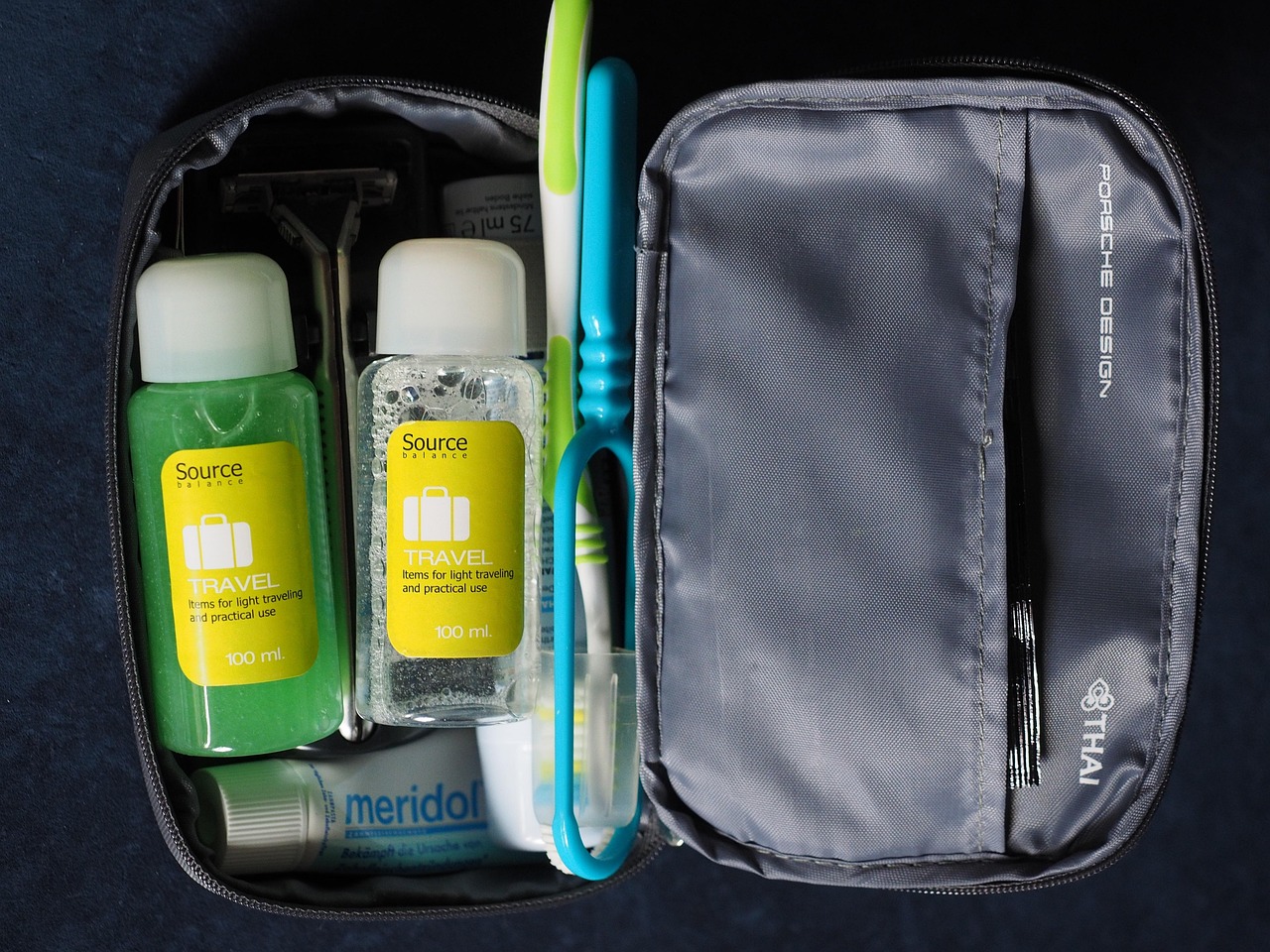
Ever found yourself in the shower, reaching for the shower gel, only to realize it’s empty? Your eyes land on that bottle of shampoo. The question pops into your head Can you use shampoo as shower gel? It’s a common scenario, and one that many people have pondered. While it might seem like a simple solution, there’s more to consider than just convenience. This article will delve into the nitty-gritty of using shampoo as a body wash, exploring the potential benefits, drawbacks, and what you need to know before lathering up.
We’ll break down the differences between shampoo and shower gel, focusing on their ingredients and intended purposes. We’ll also discuss the potential effects on your skin, especially if you have sensitive skin or specific skin conditions. By the end of this guide, you’ll have a clear understanding of whether using shampoo as shower gel is a good idea for you, and perhaps even some alternative solutions to consider. So, let’s dive in and explore the world of hair and body cleansing!
Understanding the Differences: Shampoo vs. Shower Gel
To answer the question, “Can I use shampoo as shower gel?”, it’s crucial to first understand the fundamental differences between these two cleansing products. While they both aim to remove dirt and grime, their formulations are tailored to different parts of the body: hair and skin.
Shampoo: Designed for Hair and Scalp
Shampoo is specifically formulated to clean the hair and scalp. Its primary functions include:
- Removing excess oil and sebum: The scalp produces natural oils that can build up, making hair look greasy. Shampoo contains detergents that break down these oils.
- Removing dirt and product buildup: Hairspray, gel, and other styling products can leave residue on the hair. Shampoo helps to remove this buildup.
- Addressing scalp concerns: Some shampoos are designed to treat specific scalp conditions like dandruff or dryness.
Shampoos often contain ingredients like sulfates (for cleansing), silicones (for smoothness), and specific additives to address various hair types and needs. The pH balance is typically formulated to be slightly acidic to help close the hair cuticle.
Shower Gel: Designed for Body Skin
Shower gel, on the other hand, is designed to cleanse the skin on your body. Its primary functions include:
- Removing dirt, sweat, and dead skin cells: Daily activities can leave your skin feeling dirty and grimy. Shower gel cleanses away these impurities.
- Hydrating and moisturizing the skin: Many shower gels contain moisturizing ingredients to prevent the skin from drying out.
- Providing a pleasant scent: Shower gels often have added fragrances to leave your skin smelling fresh and clean.
Shower gels typically contain milder detergents than shampoos. They also often include emollients and humectants to help keep the skin hydrated. The pH balance is usually closer to neutral to be gentle on the skin’s acid mantle.
Can You Really Use Shampoo as Shower Gel? The Pros and Cons
Now, let’s get to the core question: Can you use shampoo as shower gel? The short answer is: yes, you can. But the better question is: should you? Here’s a breakdown of the pros and cons to help you decide.
Pros of Using Shampoo as Shower Gel
- Convenience: In a pinch, it’s readily available. If you’re out of shower gel, shampoo is a convenient alternative.
- Cleansing power: Shampoo is effective at removing dirt and oil, so it will definitely cleanse your skin.
- Travel-friendly: If you’re trying to pack light, using one product for both hair and body can save space.
Cons of Using Shampoo as Shower Gel
- Potential for dryness: Shampoos are designed to strip oil from the hair, which can be too harsh for the skin, leading to dryness, irritation, and itching.
- Irritation and allergic reactions: Some shampoo ingredients, like sulfates and fragrances, can irritate sensitive skin.
- pH imbalance: The pH of shampoo may not be ideal for the skin, potentially disrupting the skin’s natural barrier.
- Not as moisturizing: Shampoo typically lacks the moisturizing ingredients found in shower gel, leaving your skin feeling tight and uncomfortable.
- Specific Concerns: Shampoos formulated for specific hair types (e.g., oily hair) will likely be even more drying on the skin.
The Potential Effects on Your Skin
The effects of using shampoo as shower gel can vary depending on your skin type and the type of shampoo you use. Here’s a closer look at some potential consequences:
Dry Skin
If you have dry skin, using shampoo as shower gel can exacerbate the problem. The harsh detergents in shampoo can strip away the natural oils that keep your skin hydrated, leading to increased dryness, flakiness, and discomfort. It can also lead to increased itchiness and a greater likelihood of developing eczema.
Sensitive Skin
People with sensitive skin are more prone to irritation and allergic reactions from shampoo ingredients. Sulfates, fragrances, and dyes can trigger redness, itching, and rashes. It’s best to avoid using shampoo as shower gel if you have sensitive skin.
Oily Skin
While those with oily skin may find that shampoo effectively removes excess oil, it can still be too harsh. Stripping away too much oil can lead to the skin overproducing oil to compensate, resulting in a vicious cycle. It’s generally better to use a shower gel specifically formulated for oily skin.
Normal Skin
Even if you have normal skin, using shampoo as shower gel regularly isn’t ideal. While it may not cause immediate problems, the lack of moisturizing ingredients can gradually lead to dryness and irritation over time. Occasional use in a pinch is likely fine, but it shouldn’t become a habit.
Alternatives to Using Shampoo as Shower Gel
If you’re out of shower gel and hesitant to use shampoo, here are some alternatives you can consider:
- Bar Soap: A classic and often readily available option. Choose a moisturizing bar soap for best results.
- Hand Soap: While not ideal for the entire body, hand soap can work in a pinch, especially for smaller areas.
- Face Wash: A gentle face wash is a better alternative than shampoo, as it’s formulated for delicate skin.
- Plain Water: Sometimes, a simple rinse with water is enough to remove surface dirt and sweat, especially if you’re not heavily soiled.
Recommended Products
While using shampoo as a shower gel isn’t ideal, there are great alternatives and products designed specifically for skin health. Here are a few recommendations:
CeraVe Body Wash for Dry Skin
A hydrating body wash with ceramides to help restore the skin’s natural barrier.
Dove Sensitive Skin Body Wash
A gentle, hypoallergenic body wash formulated for sensitive skin.
Cetaphil Body Wash Gentle Skin Cleanser
A non-irritating body wash that’s perfect for all skin types.
FAQ: Can You Use Shampoo As Shower Gel?
Here are some frequently asked questions about using shampoo as shower gel:
- Is it okay to use shampoo as shower gel once in a while?
Yes, occasional use in a pinch is unlikely to cause significant harm, especially if you have normal skin. However, it’s not recommended as a regular practice. - What type of shampoo is least harmful to use as shower gel?
If you must use shampoo, opt for a gentle, sulfate-free shampoo with moisturizing ingredients. Avoid shampoos formulated for oily hair or specific scalp conditions. - Will using shampoo as shower gel cause acne?
It could, especially if you’re prone to body acne. The harsh detergents in shampoo can disrupt the skin’s natural barrier, potentially leading to breakouts. - Can I use baby shampoo as shower gel?
Baby shampoo is generally milder than adult shampoo, so it’s a slightly better option. However, it still lacks the moisturizing ingredients found in shower gel. - What should I do if my skin feels dry after using shampoo as shower gel?
Apply a generous amount of moisturizer immediately after showering to help replenish lost moisture. Look for moisturizers containing ingredients like hyaluronic acid, glycerin, or ceramides. - Is it better to use conditioner as shower gel?
No, conditioner is not a substitute for shower gel. It’s designed to coat and moisturize hair, not to cleanse the skin. Using conditioner as shower gel could leave a residue on your skin.
Conclusion
So, can you use shampoo as shower gel? The answer is a qualified yes. While it’s possible in a pinch, it’s not the best practice for maintaining healthy, hydrated skin. The harsh detergents in shampoo can strip away natural oils, leading to dryness, irritation, and potential allergic reactions, especially if you have sensitive skin. Shower gels are specifically formulated for the skin’s needs, containing milder cleansers and moisturizing ingredients.
Whenever possible, opt for a dedicated shower gel or consider one of the alternatives mentioned above. Your skin will thank you for it! Remember, taking care of your skin is an investment in your overall health and well-being. Making informed choices about the products you use is a crucial step in that process. As a final tip, always listen to your skin! If you notice any signs of irritation or dryness after using shampoo as shower gel, discontinue use immediately and switch to a more suitable product.