
Do you find yourself constantly battling stubborn dark spots, hyperpigmentation, or sun damage that just won’t fade? You’re not alone. Many individuals seek effective solutions to achieve a more even and radiant complexion. While countless creams and serums promise results, one treatment stands out for its proven efficacy. a chemical peel to remove dark spots. This professional skin resurfacing technique has long been a go-to for dermatologists and skincare enthusiasts alike, offering a transformative path to clearer skin.
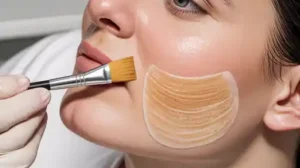
In this comprehensive guide, we’ll delve deep into the world of chemical peels, specifically focusing on their power to diminish and eradicate unwanted dark spots. We’ll explore what these peels are, how they work their magic, the different types available, and what you can expect before, during, and after the treatment. Get ready to uncover the secrets to a brighter, more uniform skin tone as we unveil everything you need to know about using a chemical peel to remove dark spots effectively and safely.
Understanding Dark Spots and Hyperpigmentation
Before diving into solutions, it’s crucial to understand what causes dark spots. These common skin concerns, medically known as hyperpigmentation, result from an overproduction of melanin, the pigment responsible for skin, hair, and eye color. When melanin is produced excessively in certain areas, it leads to darker patches on the skin.
Common Causes of Dark Spots:
- Sun Exposure: The most prevalent cause. UV radiation stimulates melanocytes (melanin-producing cells) to create more pigment, leading to sun spots, age spots, and freckles.
- Post-Inflammatory Hyperpigmentation (PIH): Occurs after skin inflammation or injury, such as acne breakouts, eczema, cuts, or burns. As the skin heals, it may leave behind a dark mark.
- Hormonal Changes: Conditions like melasma, often triggered by hormonal fluctuations during pregnancy (mask of pregnancy), birth control use, or hormone replacement therapy, cause symmetrical patches of dark skin, usually on the face.
- Medications: Certain drugs, including some antibiotics, anti-malarials, and anti-inflammatory medications, can cause hyperpigmentation as a side effect.
These dark spots can be frustratingly persistent, often resisting superficial topical treatments. This is where the targeted action of a chemical peel to remove dark spots becomes particularly valuable, as it addresses the issue at a deeper cellular level.
What is a Chemical Peel?
A chemical peel is a cosmetic procedure that involves applying a chemical solution to the skin to remove the top layers. This controlled exfoliation process aims to improve the skin’s appearance by revealing new, healthier skin cells underneath. The solutions typically contain various acids, which work by breaking down the bonds between dead skin cells, allowing them to slough off.
The primary goal of a chemical peel is to trigger a healing response in the skin, which in turn stimulates cell turnover and collagen production. The result is skin that is smoother, clearer, more even-toned, and often more youthful-looking. While chemical peels can address a range of concerns, their effectiveness in treating dark spots and uneven pigmentation is particularly noteworthy.
How a Chemical Peel Works to Remove Dark Spots
The mechanism by which a chemical peel to remove dark spots operates is quite straightforward yet highly effective. By carefully applying an acidic solution, the peel exfoliates the outermost layers of skin that contain excess melanin. This process not only sheds the pigmented cells but also encourages the skin to regenerate, producing fresh, unblemished cells.
Key Mechanisms:
- Exfoliation of Pigmented Cells: The acids in the peel penetrate the skin, causing the top layer (epidermis) and sometimes deeper layers to peel away. This physically removes the melanin-rich cells that form dark spots.
- Accelerated Cell Turnover: Peels stimulate the skin’s natural cell renewal process, bringing new, unpigmented cells to the surface faster than they would naturally.
- Stimulation of Collagen Production: Many peels also promote collagen and elastin synthesis, improving overall skin texture, firmness, and reducing the appearance of fine lines and wrinkles alongside dark spots.
Different types of acids are used depending on the depth of the dark spots and the patient’s skin type. Common acids include Glycolic Acid, Lactic Acid, Salicylic Acid, Trichloroacetic Acid (TCA), and Jessner’s solution, each offering unique benefits in targeting hyperpigmentation.
Different Types of Chemical Peels for Dark Spots
Chemical peels are categorized by their depth of penetration, which dictates their strength, the conditions they treat, and the recovery time required. When considering a chemical peel to remove dark spots, understanding these distinctions is crucial.
Light/Superficial Peels
- Acids Used: Alpha Hydroxy Acids (AHAs) like glycolic acid and lactic acid, and Beta Hydroxy Acids (BHAs) such as salicylic acid.
- Depth: Penetrate only the outermost layer of the epidermis.
- Downtime: Minimal to no downtime, often referred to as “lunchtime peels.” You might experience slight redness, dryness, or mild flaking for a few days.
- Best for: Mild dark spots, superficial discoloration, dullness, rough texture, and overall skin brightening. They are excellent for maintaining results and can be done frequently (e.g., monthly).
Medium Peels
- Acids Used: Trichloroacetic Acid (TCA) in various concentrations, stronger AHA solutions, or Jessner’s solution.
- Depth: Penetrate through the epidermis and into the upper layers of the dermis.
- Downtime: Moderate. Expect significant redness, swelling, and peeling for 5-7 days. The skin will feel tight and may form a brownish crust before peeling.
- Best for: More stubborn and prominent dark spots, sun damage, melasma, fine lines, wrinkles, and some types of acne scars. Medium peels offer more dramatic results and are typically performed every 3-6 months.
Deep Peels
- Acids Used: Phenol.
- Depth: Penetrate deeply into the lower dermal layers.
- Downtime: Significant and prolonged (weeks to months). Requires sedation and careful monitoring.
- Best for: Severe sun damage, deep wrinkles, and extensive scarring. Deep peels are rarely used solely for dark spots due to their intensity and potential risks, and are generally not recommended for darker skin tones.
For most individuals looking to use a chemical peel to remove dark spots, light to medium peels are the most common and effective choices, offering a balance between results and recovery.
The Benefits of Using a Chemical Peel to Remove Dark Spots
Opting for a chemical peel offers a multitude of benefits beyond just fading dark spots, making it a popular choice for comprehensive skin rejuvenation.
Pros of Chemical Peels for Dark Spots:
- Significant Reduction in Hyperpigmentation: Peels effectively target and reduce the appearance of sun spots, age spots, post-inflammatory hyperpigmentation, and melasma.
- Improved Skin Tone and Texture: By removing damaged outer layers, peels reveal smoother, softer skin with a more uniform complexion.
- Stimulates Collagen Production: This leads to firmer, more elastic skin, reducing the appearance of fine lines and wrinkles over time.
- Addresses Multiple Concerns: In addition to dark spots, peels can help with acne, clogged pores, dullness, and rough skin.
- Faster Results: Compared to topical creams, chemical peels often deliver more noticeable and quicker improvements in skin clarity and tone.
- Customizable Treatment: Professionals can tailor the type and strength of the peel to your specific skin concerns and desired outcomes.
Cons & Considerations:
- Downtime: Depending on the peel’s depth, you may experience redness, peeling, and sensitivity for several days to a week.
- Potential Side Effects: Temporary redness, itching, stinging, and swelling are common. More severe but rare side effects include infection, scarring, or prolonged changes in skin color (hypo- or hyperpigmentation), especially if not performed by a qualified professional or if aftercare is neglected.
- Multiple Sessions Required: Optimal results, particularly for stubborn dark spots, often require a series of treatments rather than a single session.
- Increased Sun Sensitivity: Post-peel skin is highly vulnerable to sun damage. Strict sun protection is absolutely essential to prevent new dark spots and protect the healing skin.
- Not Suitable for Everyone: Individuals with certain medical conditions (e.g., active cold sores, eczema), pregnant or breastfeeding women, or those on specific medications (e.g., isotretinoin) may not be candidates.
- Cost: Professional chemical peels can be an investment, with costs varying based on the type of peel and the number of sessions.
Preparing for Your Chemical Peel and Aftercare Essentials
The success and safety of a chemical peel to remove dark spots heavily depend on proper preparation and diligent aftercare. Following your practitioner’s instructions precisely is paramount.
Before the Peel:
- Consultation: Always start with a thorough consultation with a board-certified dermatologist or licensed aesthetician. They will assess your skin type, concerns, and medical history to determine the most suitable peel.
- Pre-Treatment Regimen: Your professional might recommend a pre-peel skincare regimen, often involving products with retinoids or hydroquinone, for 2-4 weeks prior to the peel. This helps prepare the skin, ensures even penetration of the peel, and minimizes potential side effects.
- Avoid Certain Products/Activities:
- Stop using retinoids, exfoliating acids (AHAs/BHAs), and abrasive scrubs at least 1 week before.
- Avoid waxing, electrolysis, depilatory creams, and intense sun exposure for at least 1-2 weeks prior.
- Inform your practitioner about any medications you’re taking, especially those that increase sun sensitivity.
During the Peel:
You may experience a mild to moderate stinging, tingling, or burning sensation during the application of the solution, which typically subsides quickly. Your practitioner will monitor your skin’s reaction closely.
Aftercare (Crucial for Results and Preventing Complications):
The post-peel period is as important as the peel itself. Follow these guidelines for optimal healing and results:
- Gentle Cleansing: Use a mild, non-foaming cleanser and lukewarm water. Avoid scrubbing or harsh towels.
- Intense Moisturizing: Apply a thick, soothing, fragrance-free moisturizer frequently to keep the skin hydrated and reduce discomfort.
- Strict Sun Protection: This is non-negotiable. Use a broad-spectrum SPF 30 or higher daily, reapply every two hours, wear wide-brimmed hats, and seek shade. Sun exposure post-peel can lead to new or worsened hyperpigmentation.
- Do NOT Pick or Peel: Allow the skin to shed naturally. Picking can lead to scarring, infection, or new dark spots.
- Avoid Strenuous Activities: For 24-48 hours, avoid exercise, hot showers, saunas, and steam rooms, as perspiration can irritate the healing skin.
- Avoid Makeup: For at least 24-48 hours or until the skin has settled, avoid applying makeup.
- Listen to Your Body: If you experience excessive pain, swelling, or signs of infection, contact your practitioner immediately.
Who is a Good Candidate for a Chemical Peel to Remove Dark Spots?
A chemical peel to remove dark spots can be a highly effective treatment for many, but it’s not universally suitable. Ideal candidates typically include individuals with:
- Persistent dark spots, sun damage, freckles, or uneven skin tone.
- Realistic expectations about the results.
- A commitment to adhering to strict pre- and post-peel care instructions, especially sun protection.
- Generally healthy skin without active infections, open sores, or severe inflammatory conditions (like active rosacea or eczema flares).
- No history of abnormal scarring (keloids) or conditions that impair healing.
Important Considerations for Different Skin Tones
Skin tone plays a significant role in determining the suitability and type of chemical peel. Individuals with darker skin tones (Fitzpatrick types IV-VI) are at a higher risk of developing post-inflammatory hyperpigmentation (PIH) or even hypopigmentation (lightening of the skin) if the wrong peel type or strength is used, or if the peel is not performed correctly.
- Professional Expertise is Paramount: For darker skin tones, it is crucial to seek a practitioner with extensive experience in treating diverse skin types. They will carefully select gentler peels (e.g., lactic acid, mandelic acid, or lower concentration TCA peels) and may implement a pre-treatment regimen to prepare the skin and reduce the risk of PIH.
- Gradual Approach: Often, a series of superficial peels is preferred over a single medium peel for individuals with darker skin to minimize risks.
Recommended Products for Post-Chemical Peel Care
While a professional chemical peel is highly effective, the right aftercare products are essential for healing and maintaining your results. These suggestions focus on gentle hydration and sun protection, crucial for skin recovering from a chemical peel.
Vanicream Moisturizing Cream
A dermatologist-recommended, fragrance-free, non-comedogenic cream that provides intense hydration without irritation, perfect for sensitive post-peel skin.
EltaMD UV Clear Broad-Spectrum SPF 46
A lightweight, oil-free sunscreen that protects against UVA/UVB rays. Formulated with niacinamide, it’s gentle enough for sensitive skin and helps calm irritation.
CeraVe Hydrating Facial Cleanser
A gentle, non-foaming cleanser that effectively removes dirt and oil without stripping the skin’s natural moisture barrier, ideal for delicate post-peel skin.
Frequently Asked Questions About Chemical Peels for Dark Spots
Q1: How many chemical peel sessions does it take to remove dark spots?
The number of sessions varies depending on the severity of your dark spots, the type of peel used, and your skin’s response. For light to medium peels, a series of 3 to 6 treatments, spaced 2-4 weeks apart, is typically recommended for optimal results. Your practitioner will create a personalized treatment plan during your consultation.
Q2: Is a chemical peel painful?
Most individuals experience a mild to moderate stinging, tingling, or warm sensation during the application of the chemical solution, which usually subsides within a few minutes. Light peels are generally well-tolerated, while medium peels might cause more intense sensations. Your practitioner can use a fan or cool compresses to help minimize discomfort.
Q3: Can chemical peels make dark spots worse?
While rare when performed by an experienced professional, there is a risk of post-inflammatory hyperpigmentation (PIH) or, less commonly, hypopigmentation (lightening of the skin), especially in individuals with darker skin tones or if proper aftercare (especially sun protection) is neglected. This highlights the importance of choosing a qualified practitioner and strictly following all pre- and post-treatment instructions.
Q4: How long does the recovery process take after a chemical peel for dark spots?
Recovery time depends on the peel’s depth:
- Light Peels: You might experience mild redness and flaking for 2-3 days, with minimal social downtime.
- Medium Peels: Expect redness, swelling, and significant peeling for 5-7 days. Your skin may feel tight and appear brownish before peeling. Social downtime is typically 5-7 days.
Full healing and reduction of redness can take longer, but the initial peeling phase is usually within a week.
Q5: Are at-home chemical peels effective for dark spots?
At-home chemical peels are much milder than professional versions and contain lower concentrations of acids. While they can offer some exfoliation and brightening benefits, they are generally not as effective for significantly reducing stubborn dark spots or melasma. They can be good for maintaining results between professional treatments or for very superficial concerns, but caution is advised, and professional guidance is always recommended for significant issues.
Q6: What is the best type of chemical peel for melasma?
Treating melasma often requires a nuanced approach. Superficial to medium peels, such as those containing lactic acid, glycolic acid, salicylic acid, or low-concentration TCA, are often used. These are typically performed in a series to gradually reduce the pigmentation. Sometimes, a combination of peels with other treatments like topical agents (e.g., hydroquinone, retinoids) and strict sun protection yields the best results for stubborn melasma.
Conclusion
The journey to achieving a clear, even-toned complexion can often feel challenging, especially when dealing with persistent dark spots. However, a chemical peel to remove dark spots stands out as a highly effective and transformative solution. By carefully exfoliating damaged skin layers and stimulating cellular renewal, these peels offer a powerful way to diminish hyperpigmentation, sun damage, and uneven skin tone, revealing the brighter, healthier skin beneath.
Remember, the key to successful treatment lies in a thorough understanding of the process, selecting the right type of peel for your skin concerns, and entrusting your skin to a qualified professional. Diligent pre-treatment preparation and, most importantly, rigorous post-peel aftercare—especially strict sun protection—are non-negotiable for achieving the best results and maintaining your newfound radiance. Embrace the potential of a chemical peel, and take a confident step towards unveiling the luminous complexion you deserve.