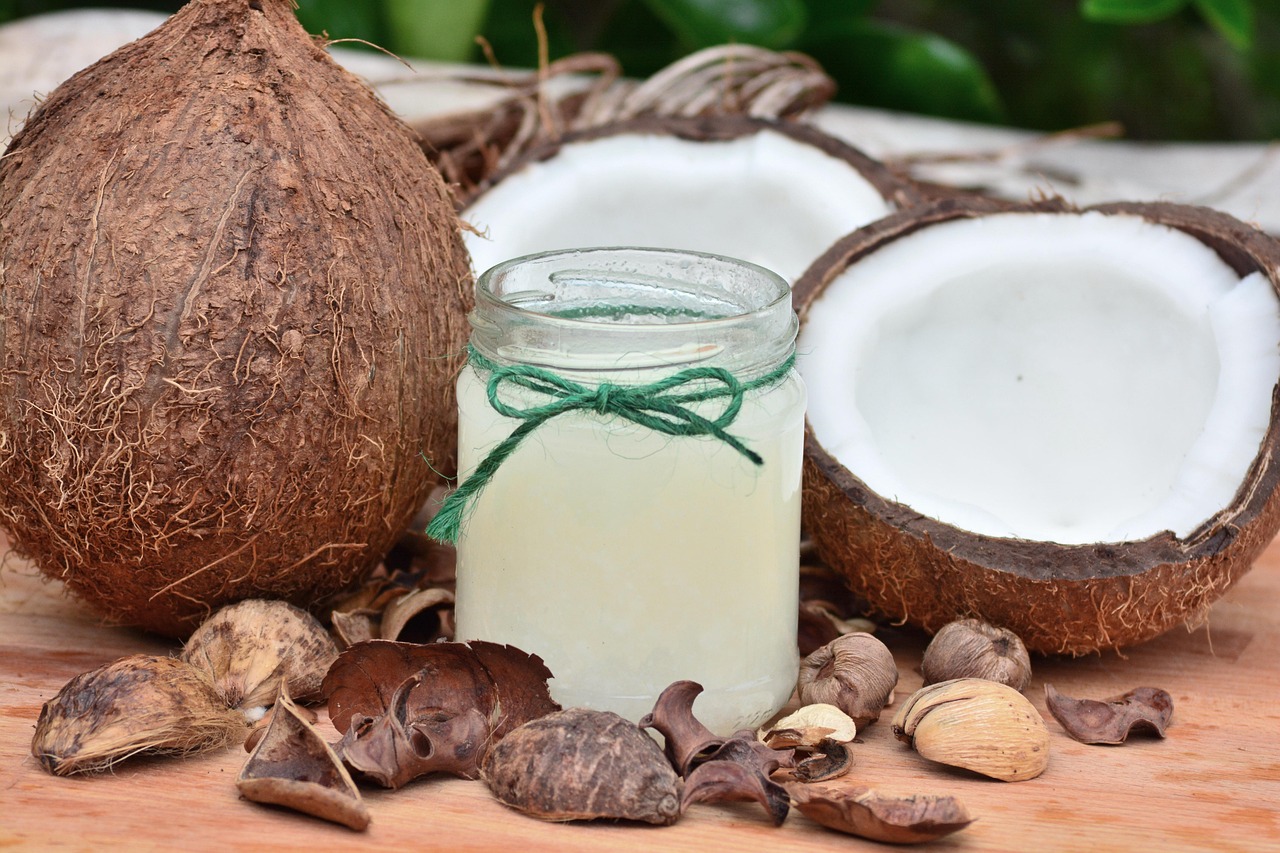
Achieving clear, even-toned skin is a common goal for many, but persistent dark spots can often stand in the way. These pesky patches of hyperpigmentation can be frustrating and difficult to diminish. In the quest for natural solutions, one ingredient frequently pops up in discussions: coconut oil. Hailed for its myriad of health and beauty benefits, it’s no wonder people are curious if this tropical oil can also be the answer to fading dark spots.
From moisturizing dry skin to conditioning hair, coconut oil has earned its spot as a versatile household staple. But when it comes to tackling specific skin concerns like dark spots, does it truly live up to the hype? Can a simple, natural oil effectively reduce the appearance of sun spots, acne scars, or melasma? This comprehensive guide dives deep into the science, anecdotal evidence, and practical advice surrounding the use of coconut oil and dark spots. We’ll explore what dark spots are, the properties of coconut oil, what the research (or lack thereof) says, and provide realistic expectations for those considering this natural approach. By the end, you’ll have a clearer understanding of whether coconut oil deserves a place in your dark spot treatment regimen.
Understanding Dark Spots: What Are They and Why Do They Appear?
Before we delve into whether coconut oil can help with dark spots, it’s crucial to understand what these spots are and their underlying causes. Dark spots, medically known as hyperpigmentation, are areas of skin that become darker than the surrounding skin. This occurs due to an overproduction of melanin, the pigment responsible for skin, hair, and eye color.
Types of Dark Spots
- Post-Inflammatory Hyperpigmentation (PIH): These spots appear after an injury or inflammation to the skin, such as acne breakouts, eczema, psoriasis, or even a cut. As the skin heals, it can produce excess melanin, leaving behind a dark mark.
- Sun Spots (Solar Lentigines/Age Spots): Caused by prolonged exposure to ultraviolet (UV) radiation from the sun. These flat, brown, or black spots commonly appear on sun-exposed areas like the face, hands, shoulders, and arms.
- Melasma: A more extensive form of hyperpigmentation characterized by brown or gray-brown patches, primarily on the face. Melasma is often triggered by hormonal changes (e.g., pregnancy, birth control pills) combined with sun exposure.
Common Causes of Dark Spots
The primary culprits behind dark spots include:
- Sun Exposure: The most significant factor. UV rays stimulate melanin production as a protective mechanism, leading to sun spots and worsening other types of hyperpigmentation.
- Inflammation and Injury: As seen with PIH, any trauma or inflammation to the skin can result in dark marks.
- Hormonal Fluctuations: Changes in hormone levels (e.g., estrogen and progesterone) can trigger melasma, particularly in women.
- Medications: Certain drugs, like some antibiotics, anti-inflammatory drugs, and hormonal medications, can increase photosensitivity or directly cause hyperpigmentation.
- Genetics: Some individuals are genetically predisposed to developing dark spots.
The Properties of Coconut Oil: A Natural Skincare Staple
Coconut oil is renowned for its rich composition of fatty acids, vitamins, and antioxidants. These properties contribute to its widespread use in skincare. But how do these characteristics relate to coconut oil and dark spots?
Key Properties of Coconut Oil
- Moisturizing: Coconut oil is an excellent emollient, meaning it helps to hydrate and soften the skin. Its high content of fatty acids, especially lauric acid, helps to strengthen the skin’s barrier, reducing moisture loss.
- Anti-inflammatory: Lauric acid, a major component of coconut oil, has demonstrated anti-inflammatory properties. This could potentially help reduce redness and inflammation associated with skin conditions that might lead to post-inflammatory hyperpigmentation.
- Antioxidant: Coconut oil contains vitamin E, a potent antioxidant. Antioxidants help protect the skin from free radical damage caused by environmental factors like UV radiation and pollution, which can contribute to premature aging and the formation of dark spots.
- Antimicrobial: The lauric acid in coconut oil also possesses antimicrobial properties, making it effective against certain bacteria and fungi. This might be beneficial for acne-prone skin, potentially reducing the inflammation that can lead to PIH.
Coconut Oil And Dark Spots: What Does the Science Say?
Given its impressive list of benefits, it’s easy to see why many hope coconut oil can fade dark spots. However, it’s important to differentiate between general skin health benefits and direct efficacy in treating specific concerns like hyperpigmentation.
The Pros: Indirect Benefits and Anecdotal Evidence
- Reducing Post-Inflammatory Hyperpigmentation (PIH): While there’s no direct evidence showing coconut oil *fades* existing PIH, its anti-inflammatory properties could theoretically help prevent new dark spots from forming after an inflammatory event (like an acne breakout) by calming the skin. By keeping the skin moisturized and healthy, it might also support the natural healing process, which can indirectly help the appearance of PIH over time.
- Antioxidant Protection: The vitamin E in coconut oil can offer some protection against oxidative stress, which contributes to skin aging and sun spot formation. However, this is not a substitute for dedicated sun protection.
- General Skin Health: Regular use can lead to softer, more hydrated skin, which can improve the overall appearance and texture, making existing dark spots less noticeable simply because the surrounding skin looks healthier.
The Cons: Limitations and Lack of Direct Evidence
- No Direct Fading Action: The most significant limitation is the lack of scientific studies demonstrating that coconut oil directly reduces or removes existing dark spots, especially sun spots or melasma. It does not contain ingredients known to inhibit melanin production or break down melanin clusters, unlike proven ingredients like hydroquinone, Vitamin C, retinoids, or AHAs.
- Comedogenic Potential: For many, especially those with oily or acne-prone skin, coconut oil can be comedogenic, meaning it can clog pores and lead to breakouts. New breakouts can, in turn, lead to new post-inflammatory hyperpigmentation, counteracting any potential benefits.
- Not a Substitute for Sunscreen: While it has some antioxidant properties, coconut oil offers minimal to no SPF protection. Relying on it for sun protection will leave your skin vulnerable to UV damage, which is the primary cause and aggravator of dark spots.
In summary, while coconut oil offers excellent moisturizing and some anti-inflammatory benefits that can contribute to overall skin health, there is no strong scientific evidence to support its direct efficacy in fading or removing existing dark spots. Its role is more supportive and preventative (for PIH) rather than corrective.
How to Use Coconut Oil for Dark Spots (and General Skin Health)
If you’re still interested in trying coconut oil for dark spots or its general skin benefits, it’s essential to use it correctly and with realistic expectations. Always opt for virgin or extra virgin coconut oil, as it retains more of its beneficial compounds.
Steps for Application:
- Patch Test: Before applying coconut oil to your face or a large area, perform a patch test on a small, inconspicuous area of skin (e.g., behind your ear or on your inner arm). Wait 24-48 hours to check for any redness, itching, or breakouts. This is crucial, especially if you have sensitive or acne-prone skin.
- Cleanse Your Skin: Start with a clean face. Gently wash your skin with a mild cleanser and pat it dry.
- Apply a Small Amount: Take a pea-sized amount of solid coconut oil and warm it between your fingertips until it melts into a liquid.
- Massage Gently: Apply the melted oil directly to the dark spots or spread a thin layer over your entire face if using as a moisturizer. Gently massage it into your skin for a minute or two.
- Leave On or Rinse: You can leave it on overnight as a moisturizer or, if you’re concerned about clogged pores, rinse it off after 30 minutes with warm water and a clean cloth.
- Consistency is Key (for general benefits): For any potential indirect benefits related to skin health, consistent daily use is important.
Important Considerations:
- Sun Protection is Paramount: No matter what you use for dark spots, daily broad-spectrum sunscreen with SPF 30 or higher is non-negotiable. Coconut oil offers no significant sun protection.
- Be Patient: If you do notice any subtle improvements in overall skin tone or texture, it will take weeks to months of consistent use.
- Listen to Your Skin: If you experience any irritation, breakouts, or worsening of your skin condition, discontinue use immediately.
Effective Alternatives and Complementary Treatments for Dark Spots
While coconut oil and dark spots might not be the most effective pairing for direct treatment, there are many proven ingredients and methods that can significantly reduce hyperpigmentation. Consider incorporating these into your routine, either instead of or alongside coconut oil (if your skin tolerates it for general moisturizing).
Top Ingredients for Fading Dark Spots:
- Vitamin C: A powerful antioxidant that inhibits melanin production and brightens the skin. Look for serums with L-ascorbic acid.
- Niacinamide (Vitamin B3): Helps reduce the transfer of melanin to skin cells, improving overall skin tone and reducing inflammation.
- Alpha Hydroxy Acids (AHAs): Glycolic acid and lactic acid exfoliate the skin’s surface, helping to shed pigmented cells and reveal brighter skin.
- Retinoids (Retinol, Tretinoin): Speed up cell turnover, helping to push out pigmented cells and also inhibit melanin production. Prescription retinoids are more potent.
- Hydroquinone: A potent skin-lightening agent that inhibits melanin production. Available over-the-counter (lower strength) and by prescription. Use under dermatological guidance due to potential side effects.
- Azelaic Acid: Reduces inflammation and inhibits melanin production, suitable for sensitive skin and often used for melasma and PIH.
Professional Treatments:
For stubborn or severe dark spots, a dermatologist can offer advanced treatments:
- Chemical Peels: Uses stronger acids to exfoliate the top layers of skin.
- Laser Therapy: Targets melanin in the skin to break up pigment.
- Microneedling: Creates tiny punctures to stimulate collagen and promote skin renewal, which can help with texture and pigment.
Recommended Products
While pure coconut oil has its uses for general skin health, for targeted treatment of dark spots, we recommend combining it with scientifically-backed ingredients or opting for products specifically formulated to address hyperpigmentation. Here are some suggestions for products that can complement your skincare routine or directly target dark spots:
Organic Virgin Coconut Oil
For those who wish to use coconut oil for its moisturizing and anti-inflammatory benefits, ensuring you choose a high-quality, organic virgin product is key for minimal processing and maximum natural goodness.
Broad-Spectrum SPF 30+ Sunscreen
An absolute essential for preventing and managing dark spots. Look for a mineral or chemical sunscreen that offers broad-spectrum protection against both UVA and UVB rays.
Vitamin C Serum
A powerful antioxidant that brightens skin, reduces hyperpigmentation, and protects against environmental damage. Incorporate this into your morning routine before sunscreen.
Niacinamide Serum
Known for its ability to improve skin tone, reduce redness, and strengthen the skin barrier, niacinamide is an excellent choice for anyone dealing with dark spots and uneven skin.
Frequently Asked Questions About Coconut Oil And Dark Spots
Q1: Can coconut oil really remove dark spots permanently?
A: While coconut oil offers moisturizing and anti-inflammatory benefits, there is no scientific evidence to suggest it can permanently remove or significantly fade existing dark spots like sun spots, melasma, or even stubborn post-inflammatory hyperpigmentation. It does not contain active ingredients known to directly break down melanin or inhibit its production.
Q2: How long does it take to see results with coconut oil for dark spots?
A: If you choose to use coconut oil for general skin health, any subtle improvements in overall skin tone or hydration might take weeks to months of consistent daily use. For actual dark spot reduction, you are unlikely to see significant results, as its direct efficacy for this concern is unproven.
Q3: Is coconut oil safe for all skin types, especially acne-prone skin?
A: Coconut oil is not suitable for all skin types. It is highly comedogenic (pore-clogging) for many individuals, especially those with oily or acne-prone skin. Using it can lead to breakouts, which can, in turn, cause new post-inflammatory hyperpigmentation. Always perform a patch test first.
Q4: What are the best ways to prevent new dark spots?
A: The most effective way to prevent new dark spots is consistent daily sun protection. Use a broad-spectrum sunscreen with SPF 30 or higher, wear protective clothing, and seek shade during peak sun hours. Avoiding picking at acne or bug bites also helps prevent post-inflammatory hyperpigmentation.
Q5: Can I mix coconut oil with other ingredients to treat dark spots?
A: While coconut oil can be a carrier oil, it’s generally not recommended to mix it with active ingredients for dark spots without professional guidance. Many active ingredients (like Vitamin C or retinoids) are formulated in specific bases to ensure stability and penetration. Mixing them with coconut oil might reduce their efficacy or cause unexpected reactions. It’s better to use targeted dark spot treatments separately.
Q6: When should I see a dermatologist for dark spots?
A: You should consult a dermatologist if your dark spots are persistent, worsening, changing in size/color/shape, or causing you significant distress. A dermatologist can accurately diagnose the type of hyperpigmentation and recommend effective, evidence-based treatments, including prescription medications or in-office procedures.
Conclusion: Navigating Coconut Oil And Dark Spots with Realistic Expectations
The allure of a single, natural remedy to solve complex skin issues like dark spots is strong, and coconut oil certainly holds a revered place in natural skincare. Its undeniable benefits for moisturizing, reducing inflammation, and offering antioxidant support make it a fantastic ingredient for general skin health, especially for those with dry or normal skin types.
However, when it comes to directly fading or removing existing dark spots, the scientific evidence for coconut oil and dark spots is largely lacking. While it might indirectly aid in preventing some forms of post-inflammatory hyperpigmentation by calming the skin, it is not a proven treatment for established sun spots, melasma, or stubborn acne marks. Relying solely on coconut oil for these concerns is likely to lead to disappointment.
For effective management of hyperpigmentation, a multi-faceted approach is best. Prioritize daily broad-spectrum sunscreen to prevent new spots and keep existing ones from worsening. Incorporate proven active ingredients like Vitamin C, niacinamide, AHAs, or retinoids into your routine. If your dark spots are persistent or bothersome, a consultation with a dermatologist can provide tailored advice and access to professional treatments.
So, while coconut oil might not be the magic bullet for dark spots, it can still be a valuable part of a holistic skincare regimen, offering hydration and soothing benefits. Just remember to approach its use with realistic expectations and always prioritize sun protection and scientifically-backed treatments for optimal results in achieving clear, even-toned skin.