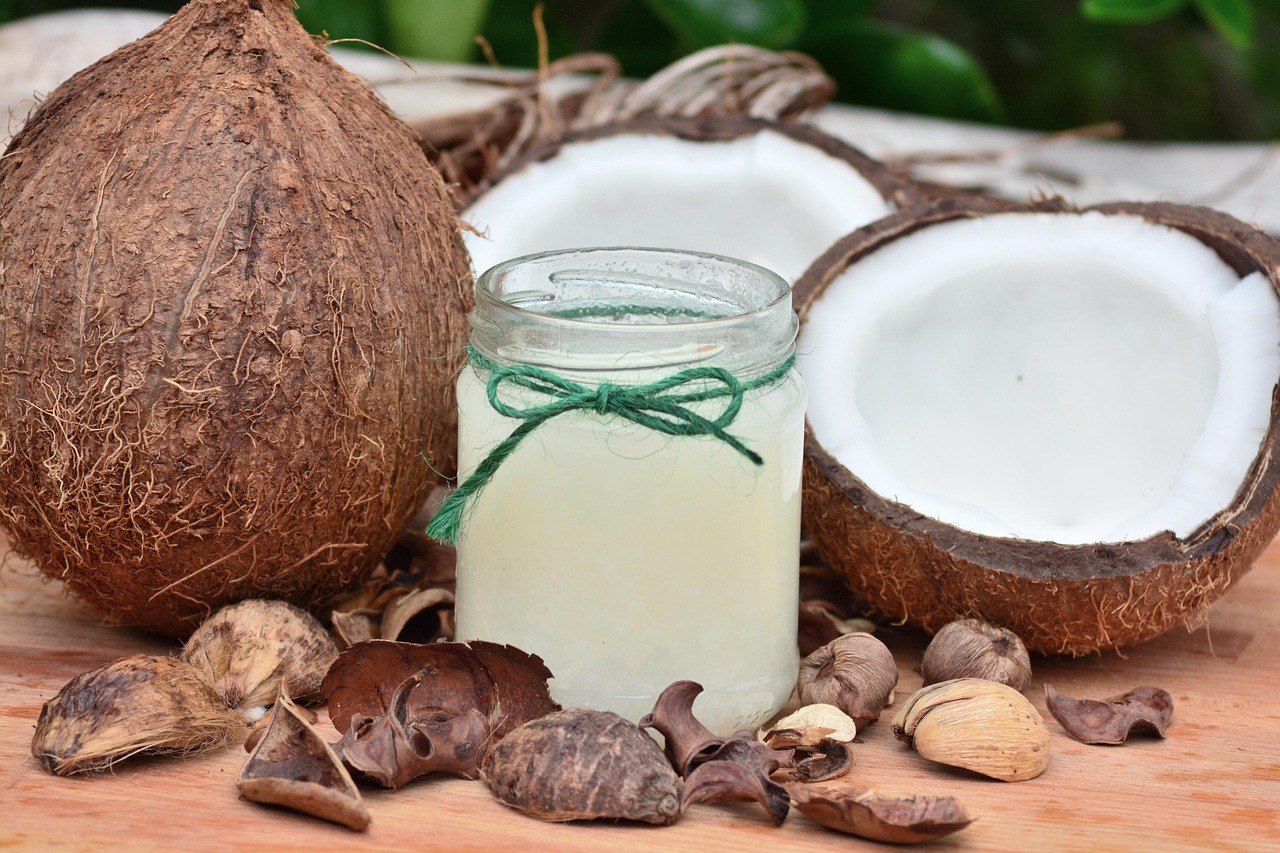
In the vast world of natural skincare remedies, few ingredients spark as much discussion and devotion as coconut oil. Hailed for its versatility and perceived health benefits, it’s often touted as a miracle cure for everything from dry hair to digestive issues. But when it comes to skin concerns, particularly the stubborn problem of dark spots, many people wonder: can coconut oil dark spots treatment truly deliver on its promises?

Dark spots, scientifically known as hyperpigmentation, are a common dermatological challenge, affecting individuals of all skin tones. They can be frustratingly persistent, leading many to seek out gentle, natural solutions. This comprehensive guide will dive deep into the science behind coconut oil dark spots claims, examining its properties, potential benefits, and crucial limitations. We’ll explore what makes coconut oil appealing, what the scientific community says, and most importantly, provide you with practical advice and effective alternatives for achieving a more even skin tone. Get ready to uncover the real story behind this popular natural remedy.
Understanding Dark Spots: The Science of Hyperpigmentation
Before we delve into **coconut oil dark spots** remedies, it’s essential to understand what dark spots are and why they appear. Dark spots are areas of the skin where excess melanin (the pigment that gives skin, hair, and eyes their color) has been produced. This overproduction leads to a darker patch compared to the surrounding skin.
Common Causes of Dark Spots:
- Sun Exposure: The most frequent culprit. UV radiation stimulates melanin production as a protective response, leading to sun spots, age spots, or liver spots.
- Post-Inflammatory Hyperpigmentation (PIH): Occurs after an injury or inflammation to the skin, such as acne, eczema, cuts, or burns. As the skin heals, it can leave behind a dark mark.
- Melasma: Characterized by larger patches of hyperpigmentation, often on the face. It’s typically triggered by hormonal changes (e.g., pregnancy, birth control pills) combined with sun exposure.
- Medications: Certain drugs can increase skin’s sensitivity to the sun or cause pigmentation changes directly.
Regardless of the cause, the goal for many is to reduce the appearance of these spots and achieve a more uniform complexion. This is where the appeal of natural solutions like **coconut oil for dark spots** comes into play.
The Allure of Coconut Oil for Skin Health
Coconut oil has earned a reputation as a skincare hero due to its rich composition. It’s packed with fatty acids, particularly lauric acid, capric acid, and caprylic acid, which contribute to its unique properties.
Key Properties Beneficial for Skin:
- Moisturizing: It’s an excellent emollient, forming a protective barrier on the skin that locks in moisture, leaving skin soft and hydrated.
- Anti-inflammatory: Studies suggest that virgin coconut oil possesses anti-inflammatory properties, which can help soothe irritated skin.
- Antimicrobial: Lauric acid, a major component of coconut oil, has strong antimicrobial and antifungal properties, potentially aiding in fighting bacteria that cause acne.
- Antioxidant Content: Virgin coconut oil contains antioxidants like Vitamin E and ferulic acid, which can help protect the skin from free radical damage.
Given these impressive attributes, it’s easy to see why people might naturally assume that **coconut oil dark spots** treatment could be effective. Its moisturizing and anti-inflammatory benefits seem promising for overall skin health, but do these translate directly to reducing existing pigmentation?
Coconut Oil and Dark Spots: Separating Fact from Fiction
The core question remains: can **coconut oil dark spots** be effectively treated? While coconut oil offers several skin benefits, its direct efficacy in reducing hyperpigmentation is largely unproven by scientific research.
What the Science Says (and Doesn’t Say):
- Indirect Benefits: The antioxidant and anti-inflammatory properties of virgin coconut oil might indirectly help prevent *new* dark spots from forming, especially those related to inflammation (like PIH from acne). By reducing inflammation and supporting skin healing, it could theoretically lessen the severity or likelihood of post-inflammatory marks.
- Moisturization and Skin Barrier: A well-hydrated and healthy skin barrier functions better, which can aid in the natural cell turnover process. While this doesn’t directly target melanin, a robust skin barrier is crucial for overall skin health and can indirectly support the fading of superficial marks over time.
- No Direct Depigmenting Agent: Here’s the crucial point – there is currently no scientific evidence to suggest that coconut oil contains compounds that directly inhibit melanin production or break down existing melanin deposits. Unlike ingredients such as hydroquinone, Vitamin C, or arbutin, coconut oil has not been shown to have a depigmenting effect.
Therefore, while **coconut oil dark spots** application might contribute to healthier skin that is less prone to certain types of hyperpigmentation (like PIH), it is unlikely to be an effective standalone treatment for existing, established dark spots caused by sun damage or melasma.
Potential Drawbacks and Risks of Using Coconut Oil on Your Face
Despite its natural appeal, using **coconut oil for dark spots** on the face, especially for those with certain skin types, comes with potential risks.
- Comedogenicity: Coconut oil is highly comedogenic, meaning it has a strong tendency to clog pores. For individuals prone to acne or breakouts, applying coconut oil to the face can lead to new pimples, which in turn can result in new post-inflammatory hyperpigmentation (dark spots). This counteracts the very goal of using it for dark spots.
- Allergic Reactions: While rare, some individuals may experience an allergic reaction to coconut oil, manifesting as redness, itching, or irritation. Always perform a patch test before applying it to a larger area.
- Not a Sunscreen: Coconut oil offers minimal SPF (around 8), which is insufficient for proper sun protection. Relying on it for sun defense will leave your skin vulnerable to UV damage, which is a primary cause of dark spots and can worsen existing ones.
- Greasy Feel: For those with oily or combination skin, coconut oil can feel heavy and greasy, potentially exacerbating oiliness.
Given these considerations, it’s important to approach the idea of using **coconut oil dark spots** treatment with caution, especially if you have acne-prone or sensitive skin.
Effective Alternatives and Complementary Treatments for Dark Spots
If you’re serious about tackling dark spots, focusing on ingredients and treatments with proven efficacy is key. These options work by directly targeting melanin production, speeding up cell turnover, or physically removing pigmented cells.
Topical Skincare Ingredients:
- Vitamin C: A powerful antioxidant that inhibits tyrosinase, an enzyme crucial for melanin production. It also brightens skin.
- Niacinamide (Vitamin B3): Reduces the transfer of melanin to skin cells, improves skin barrier function, and offers anti-inflammatory benefits.
- Alpha Arbutin/Kojic Acid/Azelaic Acid: These ingredients directly inhibit tyrosinase activity, helping to lighten existing dark spots and prevent new ones.
- Retinoids (Retinol, Tretinoin): Increase cell turnover, pushing pigmented cells to the surface faster and promoting exfoliation. They are highly effective but require consistent use and sun protection.
- AHAs (Alpha Hydroxy Acids) like Glycolic Acid and Lactic Acid: Gently exfoliate the top layer of skin, helping to shed pigmented cells and reveal brighter skin underneath.
Professional Treatments:
For more stubborn or severe dark spots, professional treatments can offer faster and more dramatic results:
- Chemical Peels: Use a chemical solution to exfoliate the skin’s surface, promoting new, unpigmented skin cell growth.
- Microdermabrasion: A physical exfoliation technique that removes the outermost layer of skin.
- Laser Therapy (e.g., IPL, Fraxel): Uses targeted light energy to break down melanin particles in the skin.
The Most Crucial Step: Sun Protection
Regardless of which treatment you choose, daily, consistent sun protection is non-negotiable. UV radiation is the primary trigger for dark spots and can undo all your efforts to fade them.
- Use a broad-spectrum sunscreen with an SPF of 30 or higher every day, even on cloudy days.
- Reapply sunscreen every two hours, or more often if swimming or sweating.
- Seek shade and wear protective clothing (hats, sunglasses) during peak sun hours.
Recommended Products
Neutrogena Hydro Boost Water Gel Lotion SPF 50
A lightweight, hydrating sunscreen that provides broad-spectrum protection without a greasy feel, crucial for preventing new dark spots.
Mad Hippie Vitamin C Serum
Formulated with active Vitamin C, Vitamin E, and Ferulic Acid, this serum is excellent for brightening skin and reducing the appearance of existing dark spots.
The Ordinary Niacinamide 10% + Zinc 1%
A budget-friendly yet effective serum to reduce skin congestion, inflammation, and improve overall skin tone by targeting pigmentation.
CeraVe Renewing SA Cleanser
A gentle exfoliating cleanser with Salicylic Acid to help smooth skin texture and prevent breakouts that can lead to post-inflammatory hyperpigmentation.
Frequently Asked Questions About Coconut Oil Dark Spots
Q1: Can coconut oil really remove dark spots?
While **coconut oil** possesses beneficial properties like moisturizing and anti-inflammatory effects, there is no scientific evidence to support its ability to directly remove or significantly lighten existing dark spots (hyperpigmentation). It does not contain compounds known to inhibit melanin production or break down pigment.
Q2: How long would it take for coconut oil to lighten dark spots if it worked?
Since **coconut oil** is not recognized as a direct treatment for dark spots, any perceived lightening would likely be minimal and coincidental, possibly due to general skin health improvement or natural fading over a very long period. Effective treatments for hyperpigmentation typically show noticeable results within weeks to a few months of consistent use.
Q3: Is coconut oil safe for all skin types, especially acne-prone skin?
No, **coconut oil** is highly comedogenic, meaning it can clog pores. It is generally not recommended for acne-prone or oily skin types on the face, as it can exacerbate breakouts and potentially lead to new post-inflammatory dark spots. For dry or normal skin, a patch test is always advisable.
Q4: What’s the best type of coconut oil for skin application?
If you choose to use **coconut oil** for its general moisturizing or anti-inflammatory benefits (not for dark spots), virgin or unrefined coconut oil is preferred. It retains more of its antioxidants and beneficial compounds compared to refined versions, which undergo more processing.
Q5: Can I use coconut oil on my face daily?
Daily use of **coconut oil** on the face is generally not recommended, especially for those with acne-prone or oily skin due to its high comedogenicity. If you have very dry skin and find it beneficial, use it sparingly and monitor your skin for any signs of breakouts or congestion. It’s often safer to use it as a makeup remover or on the body.
Q6: Are there any side effects of using coconut oil for hyperpigmentation?
The main side effect of using **coconut oil** for hyperpigmentation, particularly on the face, is the potential for clogged pores leading to new acne breakouts. These breakouts can then result in new post-inflammatory hyperpigmentation, worsening the very problem you’re trying to solve. Allergic reactions, though rare, are also possible.
Conclusion: A Balanced Perspective on Coconut Oil and Dark Spots
The quest for clear, even-toned skin often leads us down paths paved with natural remedies, and **coconut oil** is undoubtedly a star in that landscape. While its moisturizing, anti-inflammatory, and antimicrobial properties make it a wonderful ingredient for overall skin health and hydration, it’s crucial to approach claims about **coconut oil dark spots** treatment with a dose of realism.
The scientific consensus is clear: while coconut oil can indirectly support skin health, it lacks the direct depigmenting compounds necessary to effectively fade established dark spots caused by sun damage or hormonal changes. For those looking to genuinely reduce hyperpigmentation, proven ingredients like Vitamin C, niacinamide, retinoids, and AHAs, coupled with consistent sun protection, offer far more reliable and scientifically backed results. If you choose to incorporate coconut oil into your routine, consider its role as a general moisturizer or makeup remover, rather than a targeted treatment for dark spots, especially if you have acne-prone skin. Always prioritize sun protection and consult with a dermatologist for personalized advice on managing persistent dark spots.