
Finding a dark spot between teeth can be a source of immediate concern for anyone. It’s a common dental issue that often prompts a rush of questions: Is it a cavity? Is it just a stain Will it go away on its own? While it’s natural to feel a little anxious, understanding the potential causes behind this discoloration is the first step toward effective treatment and prevention. This seemingly small spot could be a harmless surface stain or a sign of something more serious requiring professional attention.
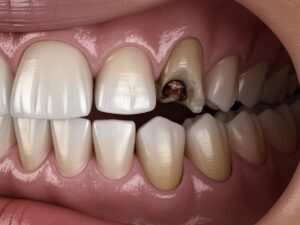
In this comprehensive guide, we’ll delve deep into the world of interdental discoloration. We’ll explore the various reasons why a dark spot between teeth might appear, from everyday habits to underlying dental problems. We’ll cover how dental professionals diagnose these spots, the range of treatment options available, and most importantly, practical strategies you can implement to prevent them. Our goal is to equip you with the knowledge needed to maintain a bright, healthy smile, and empower you to take proactive steps for your oral health. Let’s uncover the truth behind those dark spots and what you can do about them.
Understanding the Dark Spot Between Teeth: Common Causes
A dark spot between teeth isn’t always a cavity, but it’s definitely a signal that something is happening in your mouth. Identifying the cause is crucial for the right course of action. Here are the most common culprits:
1. Extrinsic Stains (Surface Stains)
These are the most frequent causes of discoloration and are often the easiest to address. Extrinsic stains occur on the outer surface of the tooth enamel due to exposure to certain foods, beverages, and lifestyle habits. Given the tight spaces between teeth, these areas are particularly prone to trapping stain-causing particles.
- Food and Drinks: Coffee, tea, red wine, dark sodas, berries, soy sauce, and acidic foods can leave behind pigment that adheres to your enamel.
- Tobacco Use: Smoking or chewing tobacco is a major contributor to yellow, brown, or even black stains on teeth, including those hard-to-reach areas between them.
- Poor Oral Hygiene: Inadequate brushing and flossing allow plaque and tartar to accumulate, creating a rough surface where stains can easily latch on.
2. Tooth Decay (Cavities)
Perhaps the most concerning cause, a dark spot between teeth can indeed be an early sign of a cavity, specifically an interproximal cavity. These cavities develop between teeth where food particles and bacteria often get trapped, leading to acid erosion of the enamel.
- Initial Stages: A small cavity might appear as a faint brown or black spot.
- Progression: As decay advances, the spot may become larger, deeper, and more noticeable. You might also experience sensitivity to hot, cold, or sweet foods.
- Diagnosis: Interproximal cavities are often difficult to spot with the naked eye and typically require dental X-rays for accurate diagnosis.
3. Tartar (Calculus) Buildup
When plaque isn’t removed effectively through daily brushing and flossing, it hardens into tartar or calculus. Tartar is a porous substance that can absorb stains easily, appearing yellow, brown, or even black, especially along the gum line and between teeth.
- Rough Surface: Tartar provides an excellent surface for food particles and pigments to stick to.
- Location: It commonly forms in areas that are missed during regular brushing, such as the back of the lower front teeth and between molars.
- Removal: Tartar cannot be removed by brushing alone and requires professional dental cleaning (scaling).
4. Amalgam Fillings
Old silver-colored amalgam fillings, particularly those placed on the back teeth, can sometimes cause a dark or grayish appearance on the tooth itself or cast a shadow that looks like a dark spot between teeth.
- Leakage/Corrosion: Over time, amalgam fillings can corrode or develop tiny gaps, allowing staining to seep into the tooth structure around them.
- Shadow Effect: The metallic nature of the filling can create a visible shadow through the tooth enamel.
5. Gum Pigmentation or Inflammation
While less common for a distinct “spot between teeth,” sometimes the gum tissue itself can appear darker, or inflammation can create a shadow that mimics a stain.
- Melanin Pigmentation: Some individuals naturally have darker gums due to melanin, similar to skin tone variations.
- Gum Disease: Inflamed or unhealthy gums can sometimes appear darker red or purplish, and in severe cases, necrotic tissue could appear black.
Diagnosing a Dark Spot Between Teeth
Given the variety of potential causes, accurately diagnosing a dark spot between teeth requires a professional dental examination. Attempting to self-diagnose can lead to missed cavities or inappropriate home treatments.
- Visual Examination: Your dentist will thoroughly inspect your teeth and gums for any visible discoloration, plaque, or tartar buildup.
- Dental Probing: A dental probe might be used gently to check for soft spots or irregularities on the tooth surface, indicating decay.
- X-rays: This is a critical diagnostic tool, especially for interproximal issues. X-rays can reveal cavities that are hidden between teeth, beneath fillings, or under the gum line, which are impossible to see during a visual exam.
- Transillumination: Sometimes, a strong light source is shone through the tooth to help reveal shadows or cracks.
Treatment Options for Dark Spots Between Teeth
Once the cause of the dark spot between teeth is identified, your dentist will recommend the most appropriate treatment. Options range from simple cleanings to restorative procedures.
1. Professional Dental Cleaning (Scaling and Polishing)
If the dark spot is identified as an extrinsic stain or tartar buildup, a professional cleaning is often the most effective solution. Dental hygienists use specialized tools to remove plaque and tartar, followed by polishing to smooth the tooth surface and remove surface stains.
2. Dental Fillings
For cavities causing the dark spot between teeth, a dental filling is necessary. The decayed part of the tooth is removed, and the space is filled with a restorative material. Modern composite resin fillings can be color-matched to your natural teeth, making them virtually invisible.
3. Teeth Whitening
While not effective for cavities or deep intrinsic stains, professional teeth whitening can significantly reduce surface stains. Your dentist can offer in-office bleaching treatments or provide custom-fitted trays for at-home use with professional-grade whitening gel.
4. Dental Bonding or Veneers
In cases of severe staining, minor chips, or irregularities that contribute to the appearance of a dark spot, dental bonding or veneers can be considered. Dental bonding involves applying a tooth-colored resin to the tooth and hardening it with a special light. Veneers are thin, custom-made shells that cover the front surface of the teeth.
5. Gum Treatments
If the dark appearance is due to gum inflammation or disease, treatment will focus on restoring gum health. This may include deep cleaning (scaling and root planing), antibiotics, or in severe cases, surgical interventions.
Preventing Dark Spots Between Teeth
Prevention is always better than cure, especially when it comes to oral health. Adopting good habits can significantly reduce your risk of developing a dark spot between teeth.
- Maintain Excellent Oral Hygiene:
- Brush Twice Daily: Use a fluoride toothpaste and brush for at least two minutes, paying attention to all surfaces of your teeth.
- Floss Daily: Flossing is critical for cleaning between teeth where your toothbrush can’t reach. It removes plaque and food particles before they can cause stains or decay. Consider using a water flosser for added effectiveness.
- Use Mouthwash: An antimicrobial or fluoride mouthwash can help reduce bacteria and strengthen enamel.
- Limit Stain-Causing Foods and Drinks:
- Reduce your intake of coffee, tea, red wine, dark sodas, and highly pigmented foods.
- If you do consume them, try to rinse your mouth with water afterward or brush your teeth (wait at least 30 minutes after acidic foods to protect enamel).
- Using a straw for dark beverages can help minimize contact with your front teeth.
- Quit Tobacco Products: This is one of the most impactful steps you can take for your oral and overall health.
- Regular Dental Check-ups and Cleanings: Visit your dentist every six months for professional cleanings and examinations. This allows for early detection and treatment of any issues before they become serious.
- Stay Hydrated: Drinking plenty of water helps wash away food particles and bacteria, promoting saliva production which naturally cleanses your mouth.
Recommended Products
Electric Toothbrush
An electric toothbrush can provide a superior clean, effectively removing plaque and reducing surface stains that contribute to dark spots. Look for models with pressure sensors and timers for optimal brushing.
Water Flosser
Excellent for cleaning between teeth and along the gum line, a water flosser can dislodge food particles and plaque, making it easier to prevent dark spots and maintain gum health.
Interdental Brushes
These small brushes are specifically designed to clean the tight spaces between teeth, offering a great alternative or supplement to traditional floss, especially for those with braces or larger gaps.
Fluoride Toothpaste
A good fluoride toothpaste strengthens enamel, making teeth more resistant to decay and helping to prevent the formation of new dark spots caused by early enamel erosion.
Frequently Asked Questions About Dark Spots Between Teeth
Q1: Is a dark spot between teeth always a cavity?
No, not always. While a dark spot between teeth can certainly be a sign of a cavity, especially an interproximal one, it can also be due to extrinsic stains from food, drinks, or tobacco, or even tartar buildup. Only a dental professional can accurately diagnose the cause through a visual exam and potentially X-rays.
Q2: Can I remove a dark spot between teeth at home?
For surface stains, you might see some improvement with diligent brushing, flossing, and using a whitening toothpaste. However, if the spot is due to a cavity, tartar, or deep intrinsic staining, home remedies will not be effective and could potentially delay necessary treatment, allowing the problem to worsen. Professional cleaning or dental intervention is required for these cases.
Q3: How can I prevent dark spots between my teeth?
Prevention involves a combination of excellent oral hygiene, dietary awareness, and regular dental care. Brush twice daily, floss every day, use mouthwash, and limit consumption of stain-causing foods and beverages. Most importantly, schedule regular dental check-ups and professional cleanings every six months.
Q4: When should I see a dentist for a dark spot between teeth?
You should see a dentist as soon as you notice a dark spot between teeth. Early detection is key, especially if it’s a cavity. Even if it’s just a stain, your dentist can advise on the best removal methods and preventative strategies. Don’t wait for pain or sensitivity to develop.
Q5: Does flossing help with dark spots between teeth?
Absolutely! Flossing is one of the most important tools for preventing and even reducing dark spots between teeth. It removes plaque, food particles, and early-stage stains from the tight spaces your toothbrush can’t reach, which are prime areas for both stain accumulation and cavity formation.
Q6: Can coffee cause dark spots between teeth?
Yes, coffee is a common culprit. The dark pigments in coffee (and tea, red wine, etc.) can adhere to your tooth enamel, especially in the crevices and tight spaces between teeth, leading to extrinsic stains. Rinsing your mouth with water after drinking coffee or brushing your teeth (after waiting 30 minutes) can help minimize staining.
Conclusion: Prioritizing Your Oral Health
Discovering a dark spot between teeth can be unsettling, but as we’ve explored, it’s a common issue with a range of potential causes, from simple surface stains to more serious dental decay. The key takeaway is that these spots should never be ignored. While some might be harmless, others signal a need for immediate professional attention to prevent further damage to your oral health.
Remember, maintaining a proactive approach to your dental care is paramount. Regular brushing, daily flossing, and limiting stain-causing foods are your first lines of defense. However, the most crucial step is scheduling consistent dental check-ups. Your dentist possesses the expertise and diagnostic tools, like X-rays, to accurately identify the cause of any dark spots and recommend the most effective treatment. Don’t let a small discoloration turn into a larger problem. By staying informed and engaging with your dental care team, you can ensure your smile remains bright, healthy, and free from the mystery of those dark spots.