In this comprehensive guide, we’ll delve deep into the world of laser treatment for dark spots. We’ll explore what causes these pesky spots, how laser technology works to remove them, the different types of lasers available, what to expect during and after your treatment, and crucial tips for maintaining your results. By the end, you’ll have a clear understanding of whether dark spot laser removal is the right solution for you and how to embark on your journey to a more luminous complexion.
Understanding Dark Spots and Hyperpigmentation
Before diving into solutions, it’s essential to understand what dark spots are. Scientifically known as hyperpigmentation, dark spots are areas of skin where excess melanin (the pigment that gives skin its color) has been produced. This overproduction can be triggered by several factors, leading to various types of dark spots:
- Sun Spots (Lentigines): Often called age spots or liver spots, these are flat, brown, or black spots that typically appear on sun-exposed areas like the face, hands, shoulders, and arms. They are a direct result of prolonged sun exposure.
- Post-Inflammatory Hyperpigmentation (PIH): These dark patches occur after skin inflammation or injury, such as acne breakouts, eczema, cuts, or burns. As the skin heals, it can leave behind a darkened area.
- Melasma: A common skin problem characterized by brown or gray-brown patches, primarily on the face (cheeks, bridge of nose, forehead, chin, upper lip). Melasma is often linked to hormonal changes (pregnancy, birth control pills) combined with sun exposure.
- Freckles (Ephelides): While often charming, some individuals prefer to lighten or remove them. Freckles are small, flat, light brown spots that become more prominent with sun exposure.
Regardless of their origin, these dark spots can make the skin appear uneven and aged. This is where professional dark spot laser removal comes into play, offering a targeted approach to reclaim a uniform skin tone.
Why Consider Dark Spot Laser Removal?
When topical creams and serums fall short, laser dark spot removal emerges as a highly effective option. Here are some compelling reasons why many individuals choose this advanced treatment:
- Precision: Lasers can precisely target the melanin in dark spots without significantly damaging the surrounding healthy skin.
- Effectiveness: For many types of hyperpigmentation, lasers offer more dramatic and faster results than topical treatments.
- Speed: Each session is relatively quick, often lasting only 15-30 minutes, depending on the size and number of spots.
- Minimally Invasive: It’s a non-surgical procedure with minimal downtime compared to more invasive cosmetic treatments.
- Long-lasting Results: With proper aftercare and sun protection, the results of pigmentation laser removal can be very durable.
- Improved Skin Texture: Some laser treatments can also stimulate collagen production, leading to overall skin rejuvenation and improved texture.
Types of Lasers Used for Dark Spot Removal
The field of aesthetic lasers has evolved significantly, offering several technologies specifically designed for removing dark spots with laser. The choice of laser depends on the type, depth, and color of the pigmentation, as well as your skin type. A qualified dermatologist or aesthetician will determine the best approach for you.
Q-Switched Lasers
Q-switched lasers (like Nd:YAG) are a gold standard for treating various forms of hyperpigmentation, including sun spots, age spots, and even tattoos. They emit high-energy pulses in incredibly short bursts (nanoseconds). This rapid energy delivery shatters the melanin pigments into tiny fragments, which are then naturally cleared away by the body’s immune system. They are effective for superficial and some deeper pigmentation.
Picosecond Lasers (Pico Lasers)
Representing a newer generation of laser technology, picosecond lasers deliver energy even faster than Q-switched lasers – in picoseconds (trillionths of a second). This ultra-fast pulse creates a photoacoustic effect, shattering pigment into even smaller particles, which can lead to faster clearance and fewer treatment sessions. Pico lasers are often preferred for stubborn pigmentation and can be safer for darker skin types due to less heat generation.
Fractional Lasers (Non-Ablative and Ablative)
Fractional lasers create microscopic columns of thermal injury in the skin, leaving surrounding tissue untouched. This stimulates the body’s natural healing process, replacing damaged cells with new, healthy ones. While primarily known for skin resurfacing and scar treatment, some fractional lasers can be used to improve the appearance of certain types of dark spots, particularly those accompanied by textural irregularities. Non-ablative fractional lasers have less downtime, while ablative ones are more intensive with longer recovery.
Intense Pulsed Light (IPL) – Photofacial
While technically not a laser (it uses broad-spectrum light), IPL is often grouped with laser treatments for pigmentation because it works on a similar principle. IPL devices emit multiple wavelengths of light that are absorbed by melanin in dark spots and hemoglobin in blood vessels. It’s highly effective for sun damage, freckles, and general redness, offering overall skin tone improvement. IPL is generally gentler than true lasers and requires multiple sessions.
The Dark Spot Laser Removal Process: What to Expect
Undergoing dark spot laser removal involves several stages, from your initial consultation to post-treatment care.
1. Initial Consultation
This is the most crucial step. A qualified dermatologist or aesthetician will:
- Assess your skin type and the specific type of dark spots.
- Discuss your medical history, including any medications or skin conditions.
- Explain the most suitable laser technology and expected outcomes.
- Inform you about potential risks, side effects, and the number of sessions required.
- Provide pre-treatment instructions, which may include avoiding sun exposure, certain skincare products (like retinoids), and medications that increase bleeding risk.
2. During the Treatment Session
On the day of your appointment:
- Your skin will be thoroughly cleansed.
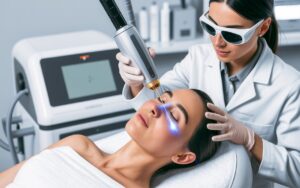
- Protective eyewear will be provided to shield your eyes from the laser light.
- A topical numbing cream might be applied, though many find the procedure tolerable without it, especially for smaller areas.
- The practitioner will then guide the laser handpiece over the targeted dark spots. You might feel a sensation often described as a rubber band snap or a quick prickling feeling.
- The session typically lasts 15-30 minutes, depending on the area being treated.
3. Immediately After Treatment
Right after the laser treatment for dark spots:
- The treated spots may appear darker, swollen, or slightly red. This is a normal and temporary reaction.
- Some individuals experience a mild sunburn-like sensation.
- A cooling pack may be applied, and a soothing balm or ointment will be used.
- You’ll receive detailed aftercare instructions to ensure proper healing and optimal results.
Recovery and Results of Laser Dark Spot Removal
The recovery period for laser dark spot removal is generally short, but it’s important to follow your practitioner’s advice diligently.
What to Expect During Recovery:
- Darkening of Spots: The treated dark spots will typically appear darker, almost like coffee grounds or peppered spots, for 5-10 days. This is a positive sign that the melanin has been targeted.
- Scabbing/Flaking: Over the next week or two, these darkened spots will gradually flake off or form tiny scabs that fall away naturally, revealing lighter skin underneath. It is crucial not to pick or scratch these areas to prevent scarring and ensure proper healing.
- Redness/Swelling: Mild redness and swelling can persist for a few days.
- Sun Protection: Rigorous sun protection is paramount during the healing phase and beyond. Treated skin is particularly vulnerable to sun damage, which can lead to new hyperpigmentation.
Achieving Optimal Results:
Most individuals require multiple sessions (typically 2-4, spaced 4-6 weeks apart) to achieve optimal results, especially for stubborn or extensive dark spots. The number of sessions depends on the type of spot, its depth, and how your skin responds to the treatment. As the skin heals and new, unpigmented skin emerges, you’ll notice a significant improvement in skin clarity and evenness. The goal of removing dark spots with laser is a more uniform, radiant complexion.
Pros and Cons of Dark Spot Laser Removal
Like any cosmetic procedure, dark spot laser removal comes with its own set of advantages and disadvantages.
Pros:
- Highly Effective: Can significantly reduce or eliminate stubborn dark spots that don’t respond to topical treatments.
- Precise: Targets pigment without damaging surrounding skin.
- Relatively Quick Procedure: Sessions are often short.
- Minimal Downtime: Most people can resume normal activities quickly, though the visible healing process takes a week or two.
- Improved Skin Texture: Some lasers also offer skin rejuvenation benefits.
Cons:
- Cost: Can be more expensive than topical creams.
- Multiple Sessions: Often requires several treatments for best results.
- Temporary Side Effects: Redness, swelling, temporary darkening, and scabbing are common.
- Risk of Complications: Though rare, risks include blistering, scarring, infection, or temporary/permanent hypo- or hyperpigmentation if not performed correctly.
- Not Suitable for Everyone: Certain skin types (especially very dark skin) and conditions (like active infections or certain medications) may not be good candidates.
- Requires Strict Sun Protection: Failure to protect skin from the sun can lead to recurrence of spots.
Who is a Good Candidate for Dark Spot Laser Removal?
The best candidates for laser dark spot removal are individuals with:
- Clearly defined sun spots, age spots, or freckles.
- Post-inflammatory hyperpigmentation (PIH) that has faded somewhat but remains visible.
- Fair to medium skin tones (Fitzpatrick skin types I-III) generally respond best and have lower risks. However, advancements in laser technology (like Pico lasers) have made treatments safer for some darker skin types (Fitzpatrick IV-V), but careful assessment is crucial.
- Realistic expectations about the results.
- A commitment to strict sun protection post-treatment.
Those who are pregnant, breastfeeding, have a history of keloid scarring, or are taking certain photosensitizing medications may not be suitable candidates. Always have an in-depth consultation with a board-certified dermatologist.
Cost of Dark Spot Laser Removal in the USA
The cost of dark spot laser removal in the USA can vary significantly based on several factors:
- Type of Laser Used: Newer technologies like picosecond lasers may be more expensive per session.
- Size and Number of Spots: Treating a few small spots will cost less than a full-face treatment.
- Number of Sessions Required: Most people need multiple sessions, which adds to the overall cost.
- Geographic Location: Prices can differ between major metropolitan areas and smaller towns.
- Experience of the Practitioner/Clinic: Highly experienced dermatologists or reputable clinics may charge more.
On average, a single session for treating a small area can range from $150 to $500, while full-face treatments might range from $300 to $800+ per session. Since dark spot removal is often considered a cosmetic procedure, it is typically not covered by insurance. Many clinics offer package deals for multiple sessions, which can reduce the per-session cost.
Finding a Qualified Practitioner for Pigmentation Laser Removal
The success and safety of your pigmentation laser removal treatment depend heavily on the skill and experience of your practitioner. Here’s how to find the right professional:
- Board-Certified Dermatologist: Always prioritize a board-certified dermatologist. They have extensive knowledge of skin anatomy, conditions, and the safe and effective use of lasers.
- Experience: Ask about their experience specifically with dark spot laser removal and the type of laser they recommend for your skin type and condition.
- Before & After Photos: Request to see before and after photos of their previous patients with similar concerns.
- Consultation: A thorough consultation is non-negotiable. They should assess your skin, explain the procedure in detail, discuss risks, and answer all your questions.
- Reputation: Check online reviews, testimonials, and ask for referrals.
- Clinic Environment: Ensure the clinic is clean, professional, and follows proper safety protocols.
Maintaining Results and Preventing Future Dark Spots
Achieving clear skin through dark spot laser removal is a significant step, but maintaining those results requires ongoing effort. Prevention is key to stopping new dark spots from forming.
- Daily Sun Protection: This is arguably the most critical step. Use a broad-spectrum sunscreen with an SPF of 30 or higher every single day, even on cloudy days or indoors near windows. Reapply every two hours when outdoors.
- Protective Clothing: Wear wide-brimmed hats, sunglasses, and UV-protective clothing when spending extended time outdoors.
- Avoid Peak Sun Hours: Limit sun exposure between 10 AM and 4 PM when UV rays are strongest.
- Gentle Skincare: Use gentle cleansers and moisturizers to support your skin barrier, especially after laser treatments.
- Topical Treatments for Maintenance: Incorporate serums with ingredients like Vitamin C, Niacinamide, Alpha Arbutin, or mild retinoids (under professional guidance) into your routine. These can help inhibit melanin production and maintain an even skin tone.
- Address Underlying Causes: If your dark spots are related to acne, manage breakouts effectively to prevent post-inflammatory hyperpigmentation.
Recommended Products
While laser treatment is done professionally, supporting your skin with the right home care products is crucial for optimal healing and preventing future dark spots. Here are some categories of products that complement dark spot laser removal:
Gentle, Fragrance-Free Facial Cleanser
Essential for post-laser care. A mild cleanser won’t irritate sensitive, healing skin and helps maintain its natural barrier.
Broad-Spectrum SPF 50+ Sunscreen
Non-negotiable for protecting treated skin and preventing the recurrence of dark spots. Look for mineral sunscreens with zinc oxide and titanium dioxide for sensitive skin.
Hydrating, Fragrance-Free Moisturizer
Keeps the skin supple and aids in the healing process. Ceramides and hyaluronic acid are excellent ingredients for barrier support.
Vitamin C Serum
Once your skin has fully healed, a Vitamin C serum can help brighten your complexion and provide antioxidant protection against future dark spots.
Frequently Asked Questions About Dark Spot Laser Removal
Q1: Is dark spot laser removal painful?
Most individuals describe the sensation during laser dark spot removal as a quick, mild “rubber band snap” or a warm prickling feeling. Discomfort is usually minimal and very brief. For more sensitive areas or extensive treatments, a topical numbing cream can be applied beforehand to enhance comfort.
Q2: How many sessions of laser treatment are needed to remove dark spots?
The number of sessions required for laser treatment for dark spots varies depending on the type, depth, size, and stubbornness of the pigmentation, as well as your skin’s response. Most people achieve significant results with 2 to 4 sessions, spaced 4-6 weeks apart. Some superficial spots may clear in just one session, while deeper or more extensive issues like melasma may require more.
Q3: What is the recovery time after dark spot laser removal?
The immediate recovery time is minimal, with most people resuming daily activities immediately. However, the visible healing process typically takes 5-14 days. During this time, the treated spots will darken, crust over, and then flake off. Redness and mild swelling may also be present for a few days. Strict sun protection is vital during and after this period.
Q4: Are the results of laser dark spot removal permanent?
The dark spots that have been successfully treated and removed by the laser will not return. However, it’s crucial to understand that dark spot laser removal does not prevent new pigmentation from forming. New dark spots can develop if the underlying causes, such as sun exposure or hormonal changes, are not managed. Consistent sun protection and a good skincare routine are essential for maintaining results.
Q5: Can laser treatment make dark spots worse?
When performed by a qualified and experienced practitioner, laser dark spot removal is generally safe and effective. However, if the wrong laser is used, settings are too aggressive, or post-care instructions (especially sun protection) are not followed, there is a small risk of complications, including post-inflammatory hyperpigmentation (PIH) or hypopigmentation (lightening of the skin). This underscores the importance of choosing a board-certified dermatologist.
Q6: What’s the best laser for dark spots?
There isn’t a single “best” laser for all dark spots. The most effective laser depends on your specific type of hyperpigmentation (e.g., sun spots, melasma, PIH), skin type, and individual response. Q-switched and picosecond lasers are excellent for many common dark spots, while IPL is great for overall sun damage. A thorough consultation with a dermatologist is necessary to determine the most appropriate laser technology for your unique needs.
Conclusion: Embrace Clearer, More Radiant Skin
Dark Spot Laser Removal stands out as a highly effective and transformative solution for individuals seeking to diminish stubborn hyperpigmentation and achieve a clearer, more even-toned complexion. From sun spots and age spots to post-inflammatory hyperpigmentation, advanced laser technologies offer precision and impressive results that topical treatments often cannot match.
While the journey involves understanding the process, managing expectations, and committing to proper aftercare—especially diligent sun protection—the outcome can be remarkably rewarding. Remember that the key to a successful and safe laser dark spot removal experience lies in choosing a board-certified dermatologist who can tailor the treatment to your specific skin needs. With expert guidance and a proactive approach to skin health, you can confidently say goodbye to unwanted dark spots and embrace the radiant, luminous skin you deserve.
“`