
Are you tired of looking in the mirror and seeing stubborn dark spots that seem to defy all your efforts with creams and serums? From sun spots and age spots to post-acne marks and melasma, these areas of hyperpigmentation can be a source of frustration, impacting your confidence and the overall clarity of your complexion. The good news is that advancements in dermatological technology offer powerful solutions. If you’ve been actively searching for dark spot laser treatment near me, you’ve come to the right place.
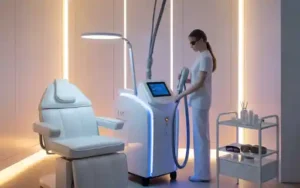
This comprehensive guide will walk you through everything you need to know about effectively treating dark spots with laser technology. We’ll delve into what causes these blemishes, the different types of laser treatments available, how they work, what to expect during and after your procedure, and most importantly, how to find a reputable and skilled practitioner for dark spot laser treatment near me. Prepare to unlock the secrets to a more even-toned, radiant complexion!
Understanding Dark Spots: What Are They and Why Do They Appear?
Before we dive into treatments, it’s essential to understand what dark spots are and their root causes. Dark spots, medically known as hyperpigmentation, occur when certain areas of the skin produce excess melanin, the pigment that gives skin its color.
Types of Dark Spots
- Sun Spots (Lentigines): Also known as age spots or liver spots, these flat, brown, or black spots are primarily caused by prolonged sun exposure. They typically appear on sun-exposed areas like the face, hands, shoulders, and arms.
- Melasma: This condition presents as patchy, brownish discoloration, often on the face (cheeks, forehead, upper lip, chin). Melasma is primarily triggered by hormonal changes (pregnancy, birth control pills) combined with sun exposure.
- Post-Inflammatory Hyperpigmentation (PIH): These dark spots occur after an inflammatory event, such as acne, eczema, cuts, or burns. As the skin heals, it can produce excess melanin, leaving behind a dark mark.
- Freckles (Ephelides): While often charming, freckles are small, flat, brown spots that become more prominent with sun exposure. They are genetic but exacerbated by UV light.
Why Do They Appear?
The primary culprit behind most dark spots is sun exposure. UV radiation stimulates melanocytes (melanin-producing cells) to create more pigment as a protective mechanism, leading to uneven pigmentation over time. Other factors include:
- Hormonal Fluctuations: Especially relevant in melasma, estrogen and progesterone can make the skin more sensitive to sun exposure, leading to pigmentation.
- Inflammation and Injury: Any trauma or inflammation to the skin can trigger a pigmentary response, resulting in PIH.
- Genetics: Some individuals are genetically predisposed to developing dark spots.
- Aging: As we age, our skin’s ability to repair itself diminishes, making it more susceptible to developing sun spots.
The Power of Light: What is Dark Spot Laser Treatment?
Dark spot laser treatment utilizes concentrated beams of light to target and break down the excess melanin in hyperpigmented areas. This process is highly precise, allowing for the removal of dark spots without damaging the surrounding healthy skin. If you’re looking for effective dark spot removal near me, laser therapy is often considered a gold standard.
How Laser Treatment Works
The principle behind laser treatment for dark spots is called selective photothermolysis. This means the laser is designed to emit specific wavelengths of light that are preferentially absorbed by the melanin pigment in the dark spots. When the melanin absorbs this light energy, it heats up rapidly and shatters into tiny particles. These microscopic pigment fragments are then naturally cleared away by the body’s immune system over the following days and weeks, leading to a lightening or complete disappearance of the dark spot.
Different Types of Lasers for Dark Spots
Various laser technologies are employed for laser pigmentation removal, each with its unique characteristics and suitability for different types of dark spots and skin tones.
- Q-Switched Lasers (e.g., Nd:YAG, Ruby): These lasers deliver very short, high-energy pulses of light. They are highly effective for targeting discrete dark spots like sun spots, freckles, and some types of post-inflammatory hyperpigmentation. They are generally safe for most skin types, but careful settings are crucial for darker skin tones.
- Picosecond Lasers (e.g., PicoSure, PicoWay): Representing a newer generation, picosecond lasers deliver even shorter pulses (in picoseconds, trillionths of a second). This ultra-fast delivery creates a photoacoustic effect, shattering pigment into even smaller particles with less heat, often resulting in faster clearance, fewer sessions, and potentially lower risk of side effects, especially beneficial for melasma and darker skin types.
- Intense Pulsed Light (IPL): While technically not a laser (it uses broad-spectrum light), IPL is often grouped with laser treatments for pigmentation. It’s excellent for treating widespread sun damage, freckles, and superficial brown spots. IPL is less precise than true lasers and generally not recommended for melasma or darker skin types due to a higher risk of hyperpigmentation.
- Fractional Lasers (e.g., Fraxel): These lasers create microscopic channels in the skin, stimulating collagen production and encouraging the skin to shed pigmented cells. Both ablative (more aggressive, longer downtime) and non-ablative (milder, less downtime) fractional lasers can be effective for deeper pigmentation, melasma, and improving overall skin texture.
Pros and Cons of Laser Treatment for Dark Spots
Pros
- Highly Effective: Can significantly reduce or eliminate stubborn dark spots.
- Precision: Targets pigment without damaging surrounding tissue.
- Relatively Quick: Sessions are often short, typically 15-30 minutes.
- Minimally Invasive: Non-surgical with generally tolerable discomfort.
- Improves Skin Tone: Can lead to a more even and brighter complexion.
Cons
- Cost: Can be expensive, as it’s typically not covered by insurance.
- Multiple Sessions: Often requires a series of treatments for optimal results.
- Downtime: Can involve redness, swelling, and temporary darkening of spots.
- Potential Side Effects: Risk of temporary hyper/hypopigmentation, blistering, or scarring if not performed correctly.
- Not for Everyone: Not suitable for certain skin conditions or very dark skin tones without extreme caution.
Preparing for Your Dark Spot Laser Treatment
Proper preparation is key to achieving the best results and minimizing potential side effects from your laser treatment for dark spots.
Consultation is Key
The most crucial first step is a thorough consultation with a qualified dermatologist or aesthetic practitioner. During this appointment, they will:
- Assess Your Skin: Determine your skin type, Fitzpatrick scale, and the specific type of dark spots you have.
- Discuss Your Goals: Understand your expectations and determine if laser treatment is the right solution for you.
- Recommend Laser Type: Advise on the most suitable laser technology for your condition.
- Explain the Process: Detail the number of sessions, expected results, and potential risks.
Pre-Treatment Care
Your practitioner will provide specific instructions, but generally, you should:
- Avoid Sun Exposure: Stay out of direct sunlight and use broad-spectrum SPF 30+ for at least 2-4 weeks prior to treatment. Tanned skin can increase the risk of complications.
- Discontinue Certain Products: Stop using retinoids, AHAs/BHAs, and other exfoliating agents 1-2 weeks before your session.
- Avoid Blood Thinners: If medically safe, avoid aspirin, ibuprofen, and other blood thinners for a few days to minimize bruising.
- Inform Your Doctor: Disclose all medications, supplements, and any history of cold sores (antiviral medication might be prescribed).
What to Expect During and After the Procedure
The Treatment Session
When undergoing dark spot laser treatment near me, you can expect the following:
- Preparation: Your skin will be cleansed, and protective eyewear will be provided. A topical numbing cream may be applied, though many patients find the treatment tolerable without it.
- The Laser: The practitioner will move a handheld device over the targeted dark spots. You might feel a sensation similar to a rubber band snap or a quick prickling, often accompanied by a flash of light.
- Duration: A session typically lasts between 15 to 30 minutes, depending on the size and number of areas being treated.
Post-Treatment Care and Recovery
Immediately after, the treated spots may appear darker, mildly swollen, or red, resembling a mild sunburn. This is normal and a sign that the treatment is working.
- Initial Darkening: The treated dark spots will typically become darker over the next 3-7 days as the shattered pigment rises to the surface.
- Fading: Over 1-3 weeks, these darkened spots will gradually flake off or fade away, revealing clearer skin underneath.
- Sun Protection: Absolute sun protection is critical after laser treatment to prevent new dark spots and protect the healing skin. Use a broad-spectrum SPF 30+ daily and reapply often.
- Gentle Skincare: Avoid harsh cleansers, exfoliants, and active ingredients like retinoids until your skin has fully healed. Use a gentle cleanser and a rich, soothing moisturizer.
- Avoid Picking: Do not pick at any scabs or flakes, as this can lead to scarring or new hyperpigmentation.
Potential Side Effects and How to Manage Them
While generally safe, some side effects can occur:
- Redness and Swelling: Common and usually subsides within a few days. Cool compresses can help.
- Temporary Darkening: As noted, this is part of the healing process.
- Crusting or Scabbing: Small scabs may form over treated spots; let them heal naturally.
- Hyperpigmentation (Darkening): More common in darker skin types or with excessive sun exposure post-treatment. Your doctor may prescribe lightening creams if this occurs.
- Hypopigmentation (Lightening): Rare, but can happen, leading to lighter patches.
- Blistering or Scarring: Very rare, typically associated with improper technique or very sensitive skin.
Finding the Best Dark Spot Laser Treatment Near Me
When you’re ready to take the next step, finding a qualified and experienced provider for dark spot laser treatment near me is paramount.
Key Factors to Consider
- Board-Certified Dermatologist or Plastic Surgeon: For safety and optimal results, choose a medical professional with specialized training in skin and laser procedures.
- Experience: Inquire about their experience specifically with laser treatment for dark spots and their knowledge of different skin types.
- Technology: A reputable clinic will have a range of up-to-date laser technologies to tailor treatment to your specific needs.
- Reviews and Testimonials: Check online reviews, before-and-after photos, and seek recommendations from trusted sources.
- Thorough Consultation: A good provider will offer a comprehensive consultation, discuss risks, and manage your expectations realistically.
Questions to Ask During Your Consultation
- What type of laser do you recommend for my dark spots and why?
- How many sessions will I need, and what is the typical cost per session?
- What are the potential side effects, and how are they managed?
- What is the expected downtime, and what post-care do I need?
- Can I see before-and-after photos of your previous patients with similar conditions?
- Who will be performing the treatment (doctor, nurse, aesthetician)? What are their qualifications?
Cost of Dark Spot Laser Treatment
The cost of dark spot laser treatment varies widely based on several factors:
- Type of Laser: Advanced picosecond lasers can be more expensive than IPL.
- Area Size: Treating a small spot will cost less than a full-face treatment.
- Number of Sessions: Most treatments require multiple sessions, typically 2-5, spaced several weeks apart.
- Geographic Location: Prices can vary significantly between cities and states.
- Provider’s Expertise: Highly experienced board-certified dermatologists may charge more.
On average, a single laser treatment session for dark spots can range from $200 to $800+, with full treatment packages costing several thousand dollars. Always get a clear quote during your consultation.
Recommended Products for Post-Laser Care
Proper post-treatment care is crucial for healing and maintaining your results. Here are some essential products you’ll want to have on hand after your dark spot laser treatment:
CeraVe Hydrating Facial Cleanser
A gentle, non-foaming cleanser that cleanses without stripping the skin, ideal for post-laser sensitivity.
La Roche-Posay Toleriane Double Repair Face Moisturizer
A soothing, fragrance-free moisturizer with ceramides and niacinamide to help restore the skin barrier.
EltaMD UV Clear Broad-Spectrum SPF 46
A cult-favorite, lightweight, broad-spectrum sunscreen that is gentle enough for sensitive, post-procedure skin.
Frequently Asked Questions About Dark Spot Laser Treatment
Is dark spot laser treatment painful?
Most patients describe the sensation as tolerable, often feeling like a quick rubber band snap or a prickling sensation. Discomfort levels vary depending on the laser type, the treated area, and individual pain tolerance. Many clinics use topical numbing creams or cooling devices to enhance comfort during the procedure.
How many sessions will I need?
The number of sessions required for effective dark spot laser treatment depends on the type, depth, and size of the dark spots, as well as the laser technology used and your individual response. Most individuals require 2-5 sessions, spaced 3-4 weeks apart, to achieve optimal results. Your practitioner will provide a personalized treatment plan during your consultation.
How long does it take to see results?
You may notice some initial darkening of the treated spots immediately after the session. The actual fading process typically begins within 1-2 weeks as the body clears away the shattered pigment. Full results from a single session are usually visible within 2-4 weeks, with progressive improvement seen after each subsequent treatment.
Is laser treatment safe for all skin types?
While laser technology has advanced significantly, safety for all skin types is still a critical consideration. Certain lasers and settings are safer for darker skin tones (Fitzpatrick IV-VI) to minimize the risk of post-inflammatory hyperpigmentation or hypopigmentation. Picosecond lasers are often preferred for darker skin due to their rapid, less heat-intensive action. Always consult with an experienced practitioner who is knowledgeable about treating diverse skin tones.
Can dark spots come back after laser treatment?
Laser treatment can effectively remove existing dark spots. However, it does not prevent new ones from forming if the underlying causes are not addressed. Consistent and diligent sun protection (daily broad-spectrum SPF, hats, shade) is crucial to maintain results and prevent recurrence, especially for sun-induced spots and melasma. Hormonal factors can also cause melasma to return.
Conclusion: Embrace a Brighter Future for Your Skin
Dark spots can be incredibly challenging to treat with topical products alone, but dark spot laser treatment offers a highly effective and precise solution for achieving a clearer, more even-toned complexion. From understanding the different types of dark spots and laser technologies to knowing what to expect during recovery, this guide aims to empower you with the knowledge needed to make an informed decision.
Remember, the journey to brighter skin begins with a thorough consultation with a qualified professional. Take the time to research and find a reputable clinic offering dark spot laser treatment near me that you trust. With the right approach and diligent aftercare, particularly strict sun protection, you can significantly reduce the appearance of unwanted pigmentation and enjoy the confidence that comes with radiant, blemish-free skin. Don’t let dark spots hold you back – explore the possibilities of laser treatment today!