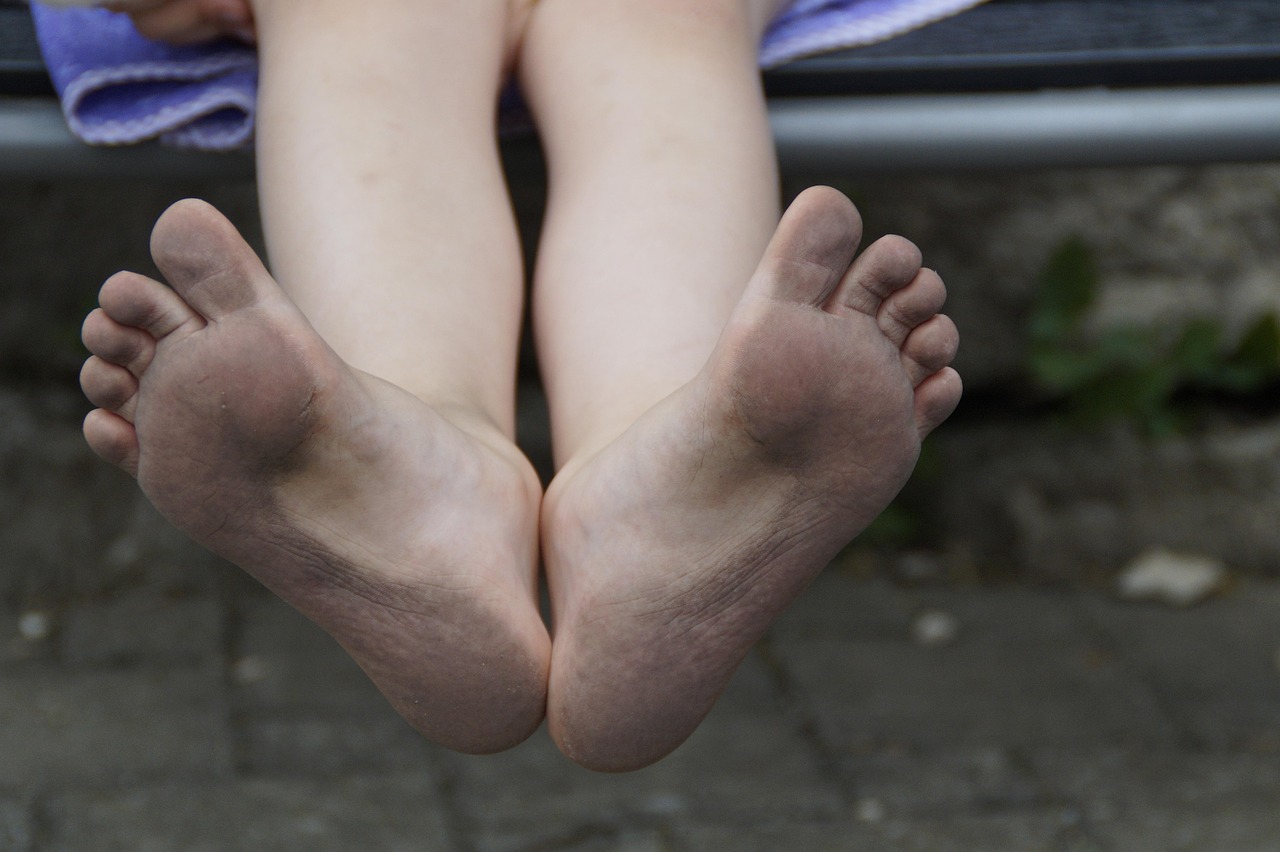

This comprehensive guide aims to shed light on the various reasons you might find a dark spot on your foot’s sole. We’ll explore common, benign causes, delve into potential signs that warrant a visit to your doctor, and provide practical advice on what to do next. Understanding the characteristics of these spots, coupled with regular self-examination, is key to maintaining your foot health and overall well-being. Let’s walk through the possibilities together, so you can approach any dark spot with knowledge and confidence.
What is a Dark Spot On Bottom Of Foot? Understanding the Basics
A dark spot on bottom of foot refers to any area of the sole or heel that appears darker than the surrounding skin. These spots can vary significantly in color, ranging from light brown to deep black, and may also present as red, purple, or bluish. They can be flat or raised, small or large, and may or may not be accompanied by pain, itching, or other symptoms. The unique thickness and pressure-bearing nature of the skin on the bottom of the foot mean that some conditions manifest differently here than on other parts of the body.
It’s important to distinguish between transient spots, like a fresh bruise, and persistent or changing spots. The skin on the sole of the foot lacks hair follicles and sebaceous glands but has a high concentration of sweat glands, which can influence certain dermatological conditions. Furthermore, the constant friction and pressure can contribute to various skin changes, including hyperpigmentation or the development of specific lesions. Identifying the characteristics of your particular dark spot under foot is the first step towards understanding its origin.
Common Causes of a Dark Spot On Bottom Of Foot
While the sight of a black spot on sole can be unsettling, many causes are benign and easily treatable. Here are some of the most frequent culprits:
Bruises and Trauma
One of the most common reasons for a dark spot on bottom of foot is a bruise. The sole is highly susceptible to impact from walking, running, or dropping objects. A bruise occurs when small blood vessels under the skin break, leaking blood into the surrounding tissues. This can cause a black, blue, purple, or even dark red discoloration. Bruises typically:
- Appear suddenly after an injury.
- Are often tender to the touch.
- Change color over several days as they heal (from dark to green/yellow).
- Usually resolve within one to three weeks.
Even minor, repetitive trauma from ill-fitting shoes or intense physical activity can lead to micro-bruises or blood blisters.
Plantar Warts (with Hemorrhage)
Plantar warts are benign growths caused by the human papillomavirus (HPV). While typically skin-colored, some plantar warts can appear as a dark spot on bottom of foot due to small, clotted blood vessels (hemorrhage) within the wart. These are often referred to as “seeds” or “black dots.” Characteristics include:
- Rough, grainy texture.
- Often flat due to pressure, growing inwards.
- May be painful when standing or walking.
- Disruption of skin lines around the wart (unlike normal skin lines that run through a callous).
Hyperpigmentation (Post-Inflammatory/Friction)
Hyperpigmentation is a darkening of the skin caused by an excess production of melanin. On the bottom of the foot, this can occur due to:
- Post-inflammatory hyperpigmentation (PIH): This happens after an injury, infection, burn, or irritation, leaving behind a dark mark as the skin heals.
- Friction: Constant rubbing from shoes, socks, or even prolonged pressure can stimulate melanin production, leading to a localized dark spot under foot.
- Acanthosis Nigricans: Less common on soles, but severe cases related to insulin resistance or certain medications can cause dark, thickened, velvety skin, which might appear as a large dark spot on bottom of foot.
Moles (Nevi)
Moles are common skin growths that can appear anywhere on the body, including the soles of the feet. While most moles are harmless (benign), it’s crucial to monitor them, especially on the feet, due to the higher risk of melanoma in this area (Acral Lentiginous Melanoma). Benign moles on the sole usually:
- Are uniform in color (brown, black, tan).
- Have a regular, well-defined border.
- Are symmetrical in shape.
- Do not change significantly over time.
However, any new or changing mole on the foot should be evaluated by a dermatologist.
Blood Blisters
Similar to bruises, blood blisters form when small blood vessels are damaged, but the blood collects in a fluid-filled sac under the top layer of skin. They often appear as a raised, dark red, purple, or black spot on sole and are typically caused by friction or pressure from shoes.
Foreign Objects
A splinter, glass shard, or other small foreign object embedded in the skin can sometimes appear as a dark spot on bottom of foot. If the object is dark in color, it may be visible through the skin, or it might cause a small bruise or localized infection that looks dark.
Stains
Sometimes, a dark spot on your foot’s sole isn’t biological at all. Dye from new socks, shoes, or even temporary tattoos like henna can stain the skin, creating a dark mark. These usually wash off or fade quickly.
When to Worry: Signs a Dark Spot On Bottom Of Foot Might Be Serious
While many dark spots are harmless, it’s vital to be aware of the signs that could indicate something more serious, particularly melanoma. The bottom of the foot is a common site for a rare but aggressive form of skin cancer called Acral Lentiginous Melanoma (ALM). This type of melanoma often presents as a dark spot on bottom of foot, under the nails, or on the palms.
Melanoma (Acral Lentiginous Melanoma – ALM)
ALM is particularly concerning because it often goes unnoticed until it reaches an advanced stage, partly due to its location and lack of typical sun exposure. Key warning signs for ALM on the bottom of the foot include using the ABCDE rule, adapted for acral sites:
- A – Asymmetry: One half of the spot doesn’t match the other.
- B – Border Irregularity: The edges are ragged, notched, blurred, or poorly defined.
- C – Color Variation: The spot has shades of brown, black, tan, white, red, or blue.
- D – Diameter: While traditionally >6mm is a concern, any changing lesion of any size should be checked. ALM often presents larger.
- E – Evolving: Any change in size, shape, color, elevation, or new symptoms like bleeding, itching, or crusting.
Additional warning signs specific to the feet:
- Ugly Duckling Sign: A spot that looks significantly different from your other moles or spots.
- Hutchinson’s Sign: Pigmentation extending from a nail lesion onto the adjacent skin (cuticle or nail fold).
- A dark spot on bottom of foot that is new, growing, or changing rapidly, especially if it’s not clearly related to an injury.
- A lesion that bleeds spontaneously, crusts, or won’t heal.
It is crucial to seek immediate medical attention if you notice any of these signs. Early detection of melanoma significantly improves treatment outcomes.
Other Serious Conditions
Though rarer, other serious conditions can present as a dark spot on bottom of foot, such as certain vascular lesions, or in immunocompromised individuals, Kaposi’s sarcoma. Always consult a healthcare professional for an accurate diagnosis.
Diagnosis and Medical Evaluation
If you’ve noticed a suspicious dark spot on bottom of foot, especially one that fits the “worry” criteria, the most important step is to consult a dermatologist or podiatrist. They are best equipped to diagnose skin conditions on the feet.
What to expect during a medical evaluation:
- Visual Examination: The doctor will thoroughly examine the spot and your entire foot, often using a special magnified light (dermatoscope).
- Patient History: They will ask about when you first noticed the spot, if it has changed, any associated symptoms (pain, itching), and your medical and family history of skin cancer.
- Dermoscopy: This non-invasive technique uses a handheld microscope to examine the lesion with greater detail, helping to differentiate between benign and malignant growths.
- Biopsy: If the doctor is concerned, a biopsy will be performed. This involves removing a small sample or the entire lesion for pathological analysis under a microscope. This is the only definitive way to diagnose melanoma or other skin cancers.
Never delay seeking professional medical advice for a concerning dark spot on bottom of foot. Early diagnosis can be life-saving.
Treatment and Management for a Dark Spot On Bottom Of Foot
The treatment for a dark spot on bottom of foot depends entirely on its underlying cause. Once a diagnosis is made, your doctor will recommend the appropriate course of action.
For Harmless Spots:
- Bruises: Usually require no specific treatment other than rest, elevation, and pain relief. Applying a cold compress in the initial 24-48 hours can help reduce swelling.
- Plantar Warts: Can be treated with over-the-counter salicylic acid preparations, cryotherapy (freezing), laser therapy, or surgical removal by a podiatrist.
- Hyperpigmentation: May fade over time. Topical creams containing ingredients like alpha hydroxy acids, retinoids, or hydroquinone (used under medical supervision) can help accelerate lightening. Protecting the feet from excessive friction can also prevent recurrence.
- Blood Blisters: Often best left intact to heal naturally, as the skin acts as a sterile barrier. If large or painful, a doctor may drain it under sterile conditions.
- Foreign Objects: Small splinters can often be removed at home with sterilized tweezers. Deeper or larger objects require professional removal to prevent infection.
- Stains: Typically resolve with regular washing.
For Suspicious or Malignant Spots:
If a dark spot on bottom of foot is diagnosed as melanoma or another form of skin cancer, treatment will be more intensive and may include:
- Surgical Excision: The primary treatment for melanoma involves surgically removing the lesion and a margin of healthy tissue around it.
- Lymph Node Biopsy: To check if cancer has spread.
- Adjuvant Therapy: Depending on the stage of melanoma, additional treatments like immunotherapy, targeted therapy, or radiation may be recommended.
For benign but bothersome moles, surgical removal is also an option if they cause discomfort or for cosmetic reasons.
Prevention Tips for Dark Spots on Your Feet
While not all dark spots can be prevented, especially moles or some forms of hyperpigmentation, you can take steps to minimize your risk of certain types and improve overall foot health:
- Regular Foot Checks: Make it a habit to inspect the top, bottom, and sides of your feet, and between your toes, at least once a month. Use a mirror if necessary to view the soles. Look for new spots, changes in existing ones, or any unusual symptoms.
- Protective Footwear: Wear comfortable, well-fitting shoes that protect your feet from trauma and friction. Avoid shoes that rub or cause blisters.
- Moisturize Regularly: Keeping the skin on your feet hydrated can help prevent dryness and cracking, which can sometimes lead to inflammation and subsequent hyperpigmentation.
- Sun Protection: Although less exposed, the soles of your feet can still get sunburnt. If you’re spending time barefoot outdoors, apply sunscreen to your feet, including the soles.
- Be Aware of Family History: If you have a family history of melanoma, you may be at a higher risk and should be extra vigilant with self-checks and regular professional skin exams.
- Address Foot Issues Promptly: Don’t ignore warts, blisters, or other minor foot problems. Treating them early can prevent secondary issues like infection or hyperpigmentation.
Recommended Products
CeraVe Moisturizing Cream
A non-comedogenic, fragrance-free cream that helps restore the skin’s protective barrier, ideal for maintaining healthy, hydrated foot skin and potentially aiding in the fade of minor hyperpigmentation when used consistently.
Dr. Scholl’s Plantar Wart Remover
For treating common plantar warts that might appear as a dark spot on bottom of foot. Contains salicylic acid, which helps to gradually remove the wart. Always follow product instructions carefully.
Foot Inspection Mirror
A simple yet effective tool for individuals, especially those with limited flexibility, to perform thorough self-examinations of the soles of their feet, aiding in the early detection of any new or changing spots.
Frequently Asked Questions About Dark Spots on Feet
Can a dark spot on the bottom of my foot be a fungal infection?
While less common for a fungal infection (like athlete’s foot) to appear as a single “dark spot,” some types of fungal infections can cause scaling, redness, and in chronic cases, a darkening or thickening of the skin. Sometimes, tiny hemorrhages within a fungal infection or debris under the nail can give a dark appearance. If you suspect a fungal infection, look for additional symptoms like itching, peeling, or a foul odor, and consult a doctor for proper diagnosis and treatment.
Is it normal to have a mole on the sole of my foot?
Yes, it is possible and normal to have moles (nevi) on the soles of your feet. However, moles in this area, particularly new or changing ones, require careful monitoring due to the increased risk of Acral Lentiginous Melanoma (ALM). While most moles on the foot are benign, any mole on the sole should be regularly checked for the ABCDE signs (Asymmetry, Border irregularity, Color variation, Diameter, Evolving) and ideally evaluated by a dermatologist.
How can I tell if a dark spot is a bruise or something more serious?
Bruises typically appear suddenly after an injury, are tender, and change color (from dark to green/yellow) as they heal, usually resolving within a few weeks. A more serious dark spot, like melanoma, might appear without a clear injury, won’t fade or change color like a bruise, may grow or change shape, and might have irregular borders or varied colors within the spot. If a dark spot persists beyond a few weeks, changes in any way, or has concerning features, it’s best to have it examined by a healthcare professional.
What should I do if I find a new dark spot on the bottom of my foot?
If you discover a new dark spot, first try to recall if you’ve had any recent trauma or worn new footwear that might cause a bruise or friction. Monitor the spot closely for a few weeks for any changes in size, shape, or color. If it doesn’t fade, grows, changes, becomes painful or itchy, or exhibits any of the ABCDE signs of melanoma, schedule an appointment with a dermatologist or podiatrist for a professional evaluation. Early detection is key for any potentially serious skin condition.
Can diet or lifestyle affect dark spots on feet?
Directly, diet and lifestyle are not common primary causes for most dark spots on the bottom of the foot. However, general health can indirectly play a role. For example, certain vitamin deficiencies (like vitamin B12) can sometimes cause hyperpigmentation in other areas, but it’s rare to manifest as a distinct dark spot on the sole. Lifestyle choices like high-impact activities without proper footwear can lead to bruising or friction-induced hyperpigmentation. Maintaining a healthy diet and lifestyle supports overall skin health, but for specific dark spots, a localized cause is usually at play.
Conclusion
Finding a dark spot on bottom of foot can be unsettling, but as we’ve explored, there’s a wide range of potential causes, from the completely benign to the potentially serious. Most often, these spots are harmless, such as a simple bruise, a blood blister, or a plantar wart. However, the presence of a dark spot on the sole should never be entirely dismissed, particularly given the risk of Acral Lentiginous Melanoma, a form of skin cancer that can be aggressive if not caught early.
The most crucial takeaway is the importance of regular self-examination and vigilance. Take the time to inspect your feet monthly, familiarizing yourself with any existing moles or marks. If you notice a new dark spot under foot, or an existing one changes in size, shape, color, or develops new symptoms like itching or bleeding, do not hesitate to seek professional medical advice. Consulting a dermatologist or podiatrist ensures an accurate diagnosis and appropriate treatment, giving you peace of mind and safeguarding your foot health. Your feet work hard for you; give them the attention they deserve.