
There are few things more unsettling in a home than looking up and seeing a mysterious dark spot on ceiling. It’s not just an aesthetic imperfection; often, it’s a red flag, a silent alarm signaling a hidden problem that could range from a minor annoyance to a serious structural or health hazard. Ignoring that discoloration could lead to bigger, more costly issues down the line. Whether it’s a faint shadow or a rapidly expanding stain, understanding its origin is the first crucial step towards a solution.
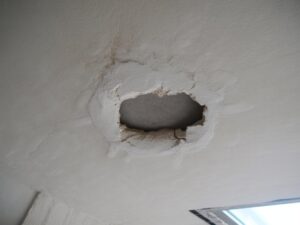
In this comprehensive guide, we’ll delve deep into the world of ceiling discoloration. We’ll explore the most common culprits behind that unsightly dark spot on ceiling, equip you with the knowledge to identify the source, and provide practical advice on how to effectively address and prevent these issues. By the end, you’ll be empowered to turn that alarming spot into a story of proactive home maintenance and peace of mind.
The Alarming Truth Behind a Dark Spot On Ceiling
A dark spot on ceiling is rarely just dirt. It’s often a visual manifestation of moisture, biological growth, or an external substance making its way onto your ceiling material. The color, shape, and location of the spot can offer vital clues to its origin. Ignoring it can have several negative consequences:
- Structural Damage: Persistent moisture can weaken drywall, plaster, and wooden beams, potentially leading to costly repairs or even collapse.
- Health Hazards: Mold and mildew, a common cause of dark spots, can trigger allergies, asthma attacks, and other respiratory problems, especially in sensitive individuals.
- Decreased Home Value: Visible stains and signs of neglect can significantly diminish your home’s aesthetic appeal and market value.
- Pest Infestations: Some dark spots can be indicators of pest activity, which can bring their own set of problems.
Early detection and intervention are paramount. The sooner you identify and address the cause of a dark spot on ceiling, the less extensive and expensive the solution is likely to be.
Common Culprits: What’s Causing That Dark Spot On Ceiling?
Understanding the potential sources of a dark spot on ceiling is half the battle. Here are the most frequent offenders:
Water Leaks: The Primary Suspect
By far the most common cause of a dark spot on ceiling, water leaks often leave distinct, irregular brown or yellowish stains. The source of the leak can vary widely:
- Roof Leaks: Especially after heavy rain or snowmelt, water can seep through damaged shingles, flashing, or vents. These spots often appear on top-floor ceilings.
- Plumbing Leaks: Dripping pipes, faulty toilet seals, overflowing bathtubs, or leaky shower pans from an upstairs bathroom can cause water to slowly wick into the ceiling below. These spots typically appear directly below plumbing fixtures.
- HVAC Condensation: Air conditioning units or their ductwork can produce condensation, and if the drain pan overflows or lines leak, it can manifest as a dark spot on ceiling.
Signs of a water leak: The spot will often grow over time, feel damp to the touch, and may even drip. A musty odor can also accompany persistent moisture.
Mold and Mildew Growth
Often mistaken for dirt, mold and mildew thrive in damp, humid environments with poor ventilation. They can appear as fuzzy, black, green, or dark grey patches. Mold is a particularly concerning type of dark spot on ceiling due to potential health risks.
- High Humidity: Bathrooms, kitchens, and basements are common areas due to steam and lack of proper ventilation.
- Water Damage: Any unresolved water leak provides a perfect breeding ground for mold.
- Poor Air Circulation: Areas with restricted airflow allow moisture to linger, encouraging mold growth.
Signs of mold: A distinct musty or earthy smell, fuzzy or slimy texture, and rapid growth are key indicators. Mold can also spread beyond the visible spot into insulation and framing.
Condensation Issues
Similar to mold, condensation occurs when warm, moist air meets a cold surface. While it doesn’t always lead to mold, prolonged condensation can cause localized discoloration or a dark spot on ceiling, especially in uninsulated areas or during cold weather.
- Poor Insulation: Cold spots on the ceiling can attract condensation.
- Lack of Ventilation: Without proper airflow, humid air can’t escape, leading to moisture buildup.
Signs of condensation: Often seen in bathrooms or near exterior walls, these spots might be less defined than a water leak stain and often coincide with periods of high humidity indoors.
Pest Infestations
While less common, some pests can contribute to a dark spot on ceiling:
- Rodent Droppings: Mice and rats in attics or ceiling cavities can leave droppings that stain the ceiling below.
- Insect Activity: Termite mud tubes or droppings from other insects can sometimes appear as small, scattered dark specks.
Signs of pests: Alongside dark spots, you might hear scratching noises, find actual droppings, or see other signs of insect activity.
Smoke or Soot Accumulation
If you use a fireplace, burn candles frequently, or have a gas stove, airborne particles can accumulate on the ceiling, especially near the source. This typically creates a more diffuse, smoky dark spot on ceiling rather than a concentrated stain.
- Fireplaces: Inefficient burning or a blocked flue can cause soot to escape and settle.
- Candles: Over time, burning many candles can leave a smoky residue.
- Cooking Fumes: Grease and smoke from cooking without adequate ventilation can accumulate.
Signs of smoke/soot: The discoloration is usually widespread or localized around the source, often appearing as a greyish or black film that can be wiped away with effort.
Dirty Air Vents or HVAC Leaks
Sometimes, a dark spot on ceiling appears around an air vent. This could be due to:
- Dust Accumulation: Air passing through dirty vents can deposit dust and debris on the surrounding ceiling.
- Duct Leaks: Leaky HVAC ducts can draw in dust from the attic or wall cavities and deposit it around the vent, creating a dark halo.
Signs of dirty vents: The spot is almost perfectly circular or square around the vent opening, and the vent itself might be visibly dusty.
Your Detective Toolkit: How to Identify the Source
Becoming a ceiling detective can save you a lot of hassle and money. Here’s how to investigate that dark spot on ceiling:
Visual Inspection
- Location Matters: Is the spot near a pipe, a vent, an exterior wall, or directly under an upstairs bathroom? This can immediately narrow down the possibilities.
- Observe Shape and Color:
- Water Stains: Often irregular, expanding outwards, yellowish-brown, sometimes with a ‘halo’ effect.
- Mold: Can be splotchy, fuzzy, black, green, or grey.
- Soot/Dirt: More diffuse, smudgy, and often uniform in color.
- Check for Texture: Is it damp? Fuzzy? Gritty? These tactile clues are important.
Touch and Smell Tests
- Dampness: Carefully touch the spot (wear gloves if you suspect mold). Is it wet, damp, or dry? If it’s damp, the leak is likely active.
- Odor: A musty, earthy smell strongly indicates mold or mildew. A chemical or sewerage smell points to a plumbing issue.
Tools to Assist
- Flashlight: Essential for peering into dark attic spaces or above ceiling tiles.
- Ladder: Safely get close to the spot for inspection.
- Moisture Meter: An invaluable tool to detect moisture levels in the ceiling material, even if it feels dry to the touch. This can confirm a leak and its extent.
- Camera: Take photos to document the spot over time and share with professionals.
Tackling the Problem: Solutions for Your Dark Spot On Ceiling
Once you’ve identified the cause of your dark spot on ceiling, it’s time to take action. Remember, addressing the source is always the priority before cleaning or repairing the ceiling itself.
Addressing Water Leaks
This is the most critical step. If you have an active leak:
- Locate and Stop the Leak: This might involve repairing a roof, fixing a leaky pipe (potentially calling a plumber), sealing a shower pan, or addressing an HVAC issue. If unsure, consult a professional immediately.
- Dry the Area: Once the leak is stopped, thoroughly dry out the wet ceiling and any affected insulation or wood. Use fans, dehumidifiers, and open windows to promote airflow.
- Assess Damage: If the drywall or plaster is severely saturated, crumbling, or soft, it may need to be cut out and replaced to prevent mold growth and ensure structural integrity.
Mold Remediation
If mold is the cause of your dark spot on ceiling:
- Safety First: Wear protective gear including gloves, an N95 mask, and eye protection. Isolate the area if possible.
- Small Spots (less than 10 sq ft): You can often clean these yourself.
- Mix a solution of 1 cup bleach per gallon of water, or use a commercial mold cleaner.
- Spray or wipe the solution onto the moldy area, allowing it to sit for 10-15 minutes before scrubbing with a stiff brush.
- Rinse and thoroughly dry the area.
- Large Spots or Persistent Mold: For extensive mold growth, or if you have underlying health conditions, it’s best to call a professional mold remediation service. They have specialized equipment and expertise to safely remove and prevent recurrence.
- Address Moisture Source: Always fix the underlying moisture problem (e.g., improve ventilation, fix leaks) to prevent mold from returning.
Cleaning and Repairing the Ceiling
After the source is addressed and the area is dry, you can focus on restoring your ceiling:
- Cleaning Stains:
- Water Stains: After ensuring the area is completely dry, use a stain-blocking primer (oil-based works best for water stains) before repainting. This prevents the stain from bleeding through new paint.
- Soot/Dirt: Use a degreaser or a mild detergent solution to gently wipe away the soot. Test in an inconspicuous area first.
- Drywall/Plaster Repair: If the ceiling material is damaged (soft, crumbling, or sagging), you’ll need to cut out the affected section and patch it with new drywall or plaster. This often involves taping, mudding, sanding, priming, and finally painting.
- Repainting: Once clean, dry, and primed, repaint the ceiling to match the surrounding area.
Prevention is Key: Avoiding Future Dark Spots
The best way to deal with a dark spot on ceiling is to prevent it from ever appearing. Implement these proactive measures:
- Regular Home Maintenance:
- Inspect your roof annually for damaged shingles, flashing, or clogged gutters.
- Check plumbing under sinks, around toilets, and behind appliances for any signs of leaks.
- Inspect your attic for any signs of water intrusion after heavy storms.
- Ensure Proper Ventilation:
- Use exhaust fans in bathrooms during and after showers.
- Use range hoods in the kitchen while cooking.
- Ensure attic vents are clear and unobstructed.
- Control Indoor Humidity:
- Use dehumidifiers in damp areas like basements or during humid seasons.
- Maintain indoor humidity levels between 30-50%.
- Insulation Checks: Ensure your attic and ceiling areas are adequately insulated to prevent condensation.
- Promptly Address Small Issues: Don’t wait for a small drip or a faint spot to become a major problem. Investigate and fix it immediately.
Recommended Products
To help you tackle or prevent a dark spot on ceiling, here are some helpful products:
Mold and Mildew Remover Spray
An effective spray for cleaning small to moderate mold and mildew spots on various surfaces, including ceilings. Always follow safety instructions and ensure good ventilation.
Water Leak Detector Alarm
Place these small devices near potential leak sources like water heaters, under sinks, or in the attic. They emit an alarm when they detect moisture, providing early warning.
Moisture Meter for Walls
A crucial tool for homeowners to accurately detect hidden moisture in walls, ceilings, and floors, helping to pinpoint the source and extent of water damage.
Stain-Blocking Primer
Essential for covering water stains, smoke damage, and other tough discolorations before painting, ensuring a uniform, clean finish that won’t bleed through.
Frequently Asked Questions About Dark Spots On Ceilings
Q1: Is a dark spot on ceiling always mold?
No, not always. While mold is a very common cause, especially if the spot is fuzzy or has a musty smell, a dark spot on ceiling can also be due to water leaks (leaving brown/yellow stains), soot accumulation from candles or a fireplace, dust around air vents, or even pest droppings. It’s crucial to investigate to determine the exact cause.
Q2: Can I paint over a dark spot on ceiling?
You should not paint directly over a dark spot without addressing its underlying cause first. Painting over mold or a water stain will only temporarily hide the problem. The stain will likely bleed through the new paint, or the mold will continue to grow beneath it. Always fix the source, clean the area thoroughly, and use a good quality stain-blocking primer before repainting.
Q3: How do I remove a water stain from my ceiling?
Once the water leak has been completely fixed and the ceiling is dry, you can remove the stain. For minor stains, a solution of warm water and mild detergent might work. For more stubborn water stains, a dedicated stain-blocking primer is essential. Apply one or two coats of primer over the dried stain, then repaint the entire ceiling for a uniform finish.
Q4: When should I call a professional for a dark spot?
You should call a professional if: 1) The dark spot on ceiling is large (over 10 square feet) or appears to be rapidly growing, suggesting extensive water damage or mold. 2) You suspect a major plumbing or roof leak that you cannot locate or fix yourself. 3) You have health concerns, especially if mold is suspected and you or family members have respiratory issues. 4) You’re unsure of the cause or uncomfortable performing the repairs yourself.
Q5: How can I prevent dark spots from reappearing?
Prevention is key. Ensure proper ventilation in bathrooms and kitchens with exhaust fans. Maintain your roof and plumbing regularly, checking for leaks. Control indoor humidity levels with dehumidifiers, especially in damp areas. Address any small leaks or moisture issues immediately before they become larger problems. Good insulation can also prevent condensation-related spots.
Conclusion: Don’t Ignore the Message
A dark spot on ceiling is more than just an unsightly mark; it’s a silent communicator, often signaling deeper issues within your home. From insidious water leaks and health-threatening mold growth to less severe but still problematic condensation or soot, understanding the root cause is the first and most critical step towards a lasting solution.
We’ve armed you with the knowledge to play detective, identify common culprits, and implement effective remedies. Remember that prompt action is always your best defense, not only preserving the aesthetics of your home but also protecting its structural integrity and your family’s health. Don’t let that mysterious stain linger; investigate, mitigate, and restore your ceiling to its pristine condition. Your home, and your peace of mind, will thank you for it.