
Finding an unexpected dark spot on the inside of your cheek can be a source of immediate concern. Our mouths are highly sensitive and visible areas, and any unusual changes naturally grab our attention. While many oral discolorations are harmless, some can signal underlying issues that warrant professional evaluation.
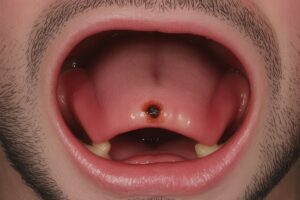
This detailed guide aims to demystify these oral spots, helping you understand their potential causes, what to look for, and most importantly, when it’s time to consult your dentist or doctor. We’ll explore everything from common benign conditions to less frequent, but more serious, possibilities, providing you with the knowledge to approach this situation with clarity and confidence. Read on to learn more about identifying and addressing a dark spot on the inside of your cheek.
Understanding Oral Pigmentation: Why Dark Spots Appear
The inside of your cheek, also known as the buccal mucosa, is lined with delicate tissue. Its color is typically a uniform pink. When you notice a dark spot on the inside of your cheek, it indicates a localized change in pigmentation. This can be due to various factors, ranging from external influences to internal bodily processes. Understanding the different types of pigmentation and their origins is the first step in determining the nature of the spot.
Oral pigmentation can manifest in various shades, including brown, black, blue, or even gray. The appearance of a dark spot on the inside of your cheek can be startling, but it’s crucial to remember that not all dark spots are cause for alarm. However, any new or changing spot should always be monitored and, ideally, evaluated by a healthcare professional.
Common and Benign Causes of a Dark Spot on the Inside of Your Cheek
Let’s delve into some of the most frequent reasons you might develop a dark spot on the inside of your cheek. These conditions are typically harmless, though a professional diagnosis is always recommended to rule out more serious concerns.
- Amalgam Tattoo: This is arguably the most common cause of a dark spot in the mouth, particularly on the cheek or gums. An amalgam tattoo occurs when tiny particles of silver amalgam (used in dental fillings) become embedded in the soft tissues of the mouth during a dental procedure. These particles can appear as a blue, gray, or black spot. They are completely harmless and require no treatment, but they are permanent.
- Melanotic Macule (Oral Freckle): Just like skin can develop freckles, so can the lining of your mouth. An oral melanotic macule is a flat, benign brown or black spot caused by an increase in melanin (the pigment responsible for skin and hair color). They are usually small (less than 6mm), well-defined, and do not change in size or color.
- Post-Inflammatory Hyperpigmentation: If you’ve had an injury or inflammation on the inside of your cheek – perhaps from accidentally biting it, a canker sore, or a burn – the healing process can sometimes leave behind a darker patch of skin. This is similar to how a cut on your arm might heal with a slightly darker scar. This type of dark spot on the inside of your cheek usually fades over time.
- Traumatic Pigmentation/Bruising: A sharp blow to the face, biting your cheek repeatedly, or even vigorous brushing can cause a bruise (hematoma) on the inside of your cheek. This will appear as a dark blue or purple spot that typically resolves within a week or two as the blood is reabsorbed by the body.
- Oral Nevus (Mole): Similar to moles on the skin, you can develop moles (nevi) inside your mouth. These are typically benign growths of pigment-producing cells. They can range in color from brown to black and are usually stable in size and appearance. However, any new or changing oral mole should be examined carefully.
Less Common and Potentially More Serious Causes
While the majority of dark spots on the inside of your cheek are benign, it’s vital to be aware of less common causes that may require medical intervention. Early detection is key for many of these conditions.
- Oral Melanoma: This is a very rare but aggressive form of cancer that can develop in the mouth. Oral melanoma can appear as a dark brown or black spot, patch, or nodule. Unlike benign spots, melanomas tend to be irregular in shape and color, may grow rapidly, and can sometimes bleed or ulcerate. It’s crucial to be vigilant for any dark spot on the inside of your cheek that exhibits the “ABCDE” signs of melanoma:
- Asymmetry: One half doesn’t match the other.
- Border irregularity: Edges are ragged, notched, or blurred.
- Color variation: Different shades of black, brown, and tan are present.
- Diameter: Larger than 6mm (about the size of a pencil eraser).
- Evolving: Changes in size, shape, color, or elevation, or any new symptoms like bleeding, itching, or crusting.
- Vascular Lesions: These are abnormalities of blood vessels and can appear as red, blue, or purple spots or bumps. Examples include hemangiomas (benign tumors of blood vessels) or venous malformations (varices). They can sometimes be mistaken for a dark spot due to the deep red or purple color of blood.
- Kaposi’s Sarcoma: This is a type of cancer that forms lesions on the skin, in the lymph nodes, internal organs, or mucous membranes, including the mouth. It is often associated with advanced HIV/AIDS but can occur in other immunocompromised individuals. Oral lesions typically appear as red, purple, or brown spots or plaques.
- Heavy Metal Pigmentation: In very rare cases, exposure to certain heavy metals (like lead or bismuth) can cause diffuse blue-black lines or spots in the mouth, particularly along the gum line or on the cheek. This is usually seen in industrial workers or individuals with specific medical conditions.
- Oral Lichen Planus (Pigmented Type): Lichen planus is a chronic inflammatory condition that can affect the skin and mucous membranes. While usually appearing as white lacy patterns, a less common pigmented variant can cause dark spots or patches.
When to Seek Professional Advice for a Dark Spot On The Inside Of My Cheek
Given the range of possibilities, from completely benign to potentially serious, it’s always wise to consult a healthcare professional about any new or changing dark spot on the inside of your cheek. While self-diagnosis can lead to unnecessary anxiety or, worse, complacency, a dentist or oral surgeon is equipped to properly evaluate the lesion.
What to Do If You Discover a Dark Spot:
- Observe Carefully: Note the size, shape, color, and texture of the spot. Has it been there long? Has it changed recently?
- Monitor for Changes: Take a photo if possible to compare over time. Look for any growth, change in color intensity, new symptoms like pain or bleeding.
- Don’t Panic, But Don’t Ignore: Most spots are harmless, but vigilance is important.
- Schedule an Appointment: Contact your dentist or an oral surgeon promptly. Inform them about your concern so they can schedule an appropriate examination.
What to Expect at Your Appointment:
When you visit your dentist or oral specialist for a dark spot on the inside of your cheek, they will likely:
- Conduct a Thorough Oral Examination: They will visually inspect the spot and the surrounding oral tissues.
- Ask About Your Medical History: This includes medications, smoking and alcohol habits, and any pre-existing conditions.
- Palpate the Area: They may gently touch the spot to check its texture and consistency.
- Consider a Biopsy: If the spot is suspicious, changing, or its nature is unclear, a biopsy is often recommended. This involves taking a small tissue sample for microscopic analysis, which is the definitive way to diagnose most oral lesions.
- Referral: Depending on the diagnosis, they may refer you to a specialist, such as an oral pathologist, dermatologist, or oncologist.
Recommended Products for General Oral Health
While there are no specific products to treat an undiagnosed dark spot on the inside of your cheek, maintaining excellent oral hygiene is crucial for overall mouth health. Good oral care can help prevent issues like inflammation and support a healthy environment. Always consult your dentist for specific recommendations tailored to your needs, especially if you have a concerning oral spot.
Soft Bristle Toothbrush
Essential for gentle yet effective cleaning, preventing gum irritation and trauma.
Fluoride Toothpaste for Sensitive Gums
Helps strengthen enamel and protect against cavities, often with soothing ingredients for sensitive mouths.
Alcohol-Free Mouthwash
Rinses away food particles and freshens breath without the drying or irritating effects of alcohol.
Dental Floss
Crucial for cleaning between teeth and along the gumline, areas where brushes can’t reach.
FAQ: Dark Spot On The Inside Of My Cheek
Q1: Is a dark spot on the inside of my cheek always serious?
A1: No, not always. Many dark spots on the inside of your cheek are benign conditions like amalgam tattoos, oral freckles (melanotic macules), or even bruises from accidental trauma. However, because some dark spots can indicate more serious issues like oral melanoma, it’s crucial to have any new or changing spot evaluated by a dental professional to ensure an accurate diagnosis and peace of mind.
Q2: How can I tell if a dark spot is an amalgam tattoo?
A2: Amalgam tattoos typically appear as blue, gray, or black spots, often near an old silver filling. They are usually flat, irregular in shape, and do not change over time. Your dentist can often identify them visually, and sometimes X-rays can show the embedded metal particles. They are harmless and don’t require treatment, but confirmation from a dentist is always best.
Q3: Should I be worried if the dark spot on my cheek is painful or growing?
A3: Yes, you should be concerned. Any dark spot on the inside of your cheek that is painful, growing rapidly, bleeding, has irregular borders, or changes in color should be examined by a dentist or oral surgeon immediately. These could be signs of a more serious condition, and prompt evaluation is essential for early diagnosis and treatment.
Q4: Can smoking or vaping cause dark spots in the mouth?
A4: Yes, smoking and vaping can contribute to oral pigmentation, often referred to as “smoker’s melanosis.” This condition typically manifests as brown or black patches, most commonly on the gums, but can also appear on the inside of the cheeks or palate. It’s a benign condition caused by increased melanin production in response to chemicals in tobacco, but it highlights the adverse effects of smoking on oral health.
Q5: What will my dentist do if they find a suspicious dark spot?
A5: If your dentist finds a suspicious dark spot on the inside of your cheek, they will likely recommend a biopsy. This procedure involves removing a small tissue sample from the spot, which is then sent to a laboratory for microscopic examination by an oral pathologist. A biopsy is the definitive method to determine whether the spot is benign or malignant and to identify the specific type of lesion.
Q6: Can I prevent dark spots on the inside of my cheek?
A6: While you can’t prevent all types of dark spots (like amalgam tattoos or oral freckles), you can reduce the risk of some. Avoiding trauma to the cheek (e.g., careful eating, avoiding cheek biting), quitting smoking and vaping, and maintaining excellent oral hygiene can help prevent inflammation-related pigmentation and promote overall oral health. Regular dental check-ups are also crucial for early detection of any new or changing spots.
Conclusion
Discovering a dark spot on the inside of your cheek can be unsettling, but as we’ve explored, these spots have a wide range of causes, from the completely harmless to the potentially serious. Conditions like amalgam tattoos and oral freckles are common and benign, while others, though rare, warrant immediate attention. The key takeaway is to never self-diagnose and to always prioritize professional evaluation for any new, changing, or concerning oral lesion.
Regular dental check-ups are your best defense against oral health issues, including unusual pigmentations. Your dentist is trained to identify and differentiate between various oral conditions and can provide an accurate diagnosis, ensuring that you receive appropriate advice or treatment. By staying informed and proactive about your oral health, you can address concerns promptly and maintain a healthy, confident smile.
“`