
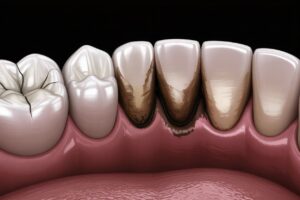
This comprehensive guide will delve into the various reasons you might discover a dark spot on your tooth with no pain. We’ll explore everything from common dietary stains and old dental work to the subtle indicators of developing cavities. You’ll learn when a DIY solution might suffice, when it’s time to schedule a visit with your dentist, and practical steps you can take for prevention. Let’s shed some light on these mysterious dark spots and empower you to take control of your smile’s health.
Understanding Dark Spots on Teeth: More Than Just a Stain
The appearance of a dark spot on tooth no pain can trigger a range of emotions, from mild curiosity to genuine concern. It’s important to remember that not all dark spots signify a dire emergency. Teeth are living structures constantly exposed to various elements, and their appearance can change over time. What appears as a dark spot might be an external discoloration, an internal issue, or even a precursor to a more significant problem. The key is distinguishing between these possibilities, and often, that requires professional insight.
Common Causes of a Dark Spot on Tooth with No Pain
Let’s break down the most frequent culprits behind a painless dark spot on tooth:
- Extrinsic Stains (Surface Stains):These are the most common type of tooth discoloration and are typically superficial. They adhere to the enamel, the outermost layer of your tooth, and don’t usually cause pain. Factors include:
- Food and Drinks: Coffee, tea, red wine, dark sodas, berries, soy sauce, and highly pigmented foods can leave behind color molecules that accumulate on tooth surfaces.
- Tobacco Use: Smoking or chewing tobacco is a notorious cause of stubborn brown to black stains.
- Poor Oral Hygiene: Inadequate brushing and flossing allow plaque and tartar to build up, which can absorb pigments and appear dark.
- Certain Medications: Liquid iron supplements and some chlorhexidine-based mouthwashes can cause temporary dark staining.
- Early Cavities (Dental Caries):This is where the “no pain” aspect can be misleading. A small dark spot on tooth no pain could indeed be the beginning of a cavity. When decay first starts, it often demineralizes the enamel, creating a rough spot that can appear brown or black. At this early stage, the decay hasn’t yet reached the sensitive inner layers of the tooth (dentin or pulp), hence the absence of pain. If left untreated, it will progress.
- Old Fillings or Dental Restorations:If you have amalgam (silver) fillings, it’s common for them to darken over time, or for the tooth structure around them to become discolored due to corrosion or “amalgam tattoo.” Composite (white) fillings can also absorb stains over the years, appearing darker than the surrounding tooth.
- Tartar (Calculus) Buildup:When plaque hardens, it turns into tartar. Tartar is porous and can easily absorb stains, appearing as dark brown or black deposits, often along the gum line or between teeth. This buildup can also contribute to gum disease but usually doesn’t cause pain in the tooth itself.
- Intrinsic Stains (Internal Discoloration):Less common than extrinsic stains, these occur within the tooth structure itself. Causes can include:
- Trauma: An injury to a tooth, even if it occurred years ago, can cause internal bleeding and lead to the tooth darkening over time, often without pain if the nerve isn’t acutely affected.
- Aging: As we age, the enamel thins, revealing more of the naturally yellowish dentin beneath, which can sometimes appear darker.
- Medications During Tooth Development: Certain antibiotics like tetracycline, if taken during childhood when teeth are forming, can cause permanent intrinsic staining.
- Excessive Fluoride (Fluorosis): While fluoride strengthens teeth, too much fluoride during development can lead to white, brown, or black spots on the enamel.
- Root Exposure:If your gums have receded, the root surface of your tooth (which is covered by cementum, not enamel) can become exposed. Dentin, which makes up the bulk of the root, is naturally darker than enamel and can also stain more easily, leading to a dark area on tooth no pain.
When a Dark Spot on Tooth No Pain Requires Attention
While some dark spots are purely cosmetic, others are indicative of underlying issues that require professional intervention. Here’s when you should definitely schedule a dental appointment:
- Changes in Size or Color: If the dark spot grows larger, becomes darker, or changes texture (e.g., becomes rough or sticky).
- Rough or Pitted Texture: A smooth stain is usually harmless; a rough or pitted spot could indicate demineralization or a developing cavity.
- Sensitivity Develops: Even if there’s no sharp pain, new sensitivity to hot, cold, or sweets near the dark spot is a red flag.
- Gum Inflammation: If the dark spot is near the gum line and accompanied by red, swollen, or bleeding gums, it could be tartar buildup leading to gingivitis.
- Uncertainty: When in doubt, it’s always best to get a professional opinion. What looks like a stain to you might be early decay to a dentist.
The Importance of Professional Diagnosis
Attempting to self-diagnose the cause of a dark spot on tooth no pain can be risky. A dentist has the tools and expertise to accurately identify the problem. They will:
- Visually Inspect: Examine the spot, its location, size, and texture.
- Probe the Tooth: Use a dental explorer to check for softness or stickiness, which can indicate decay.
- Take X-rays: Dental X-rays can reveal cavities between teeth, under old fillings, or deeper within the tooth structure that aren’t visible to the naked eye.
- Discuss Your History: Ask about your diet, oral hygiene habits, medications, and any past trauma.
Accurate diagnosis is the first step toward effective treatment and preventing further complications.
Treatment Options for Dark Spots on Teeth
The treatment for your dark spot on tooth with no pain will depend entirely on its cause:
- For Extrinsic Stains:
- Professional Dental Cleaning: A hygienist can remove most surface stains with scaling and polishing.
- Teeth Whitening: In-office bleaching or at-home whitening kits (supervised by a dentist) can effectively lighten teeth and remove stubborn stains.
- Cosmetic Bonding or Veneers: For very deep or resistant stains, especially on front teeth, composite bonding or porcelain veneers can cover the discoloration.
- For Cavities:
- Fillings: If it’s a small to moderate cavity, the decayed portion will be removed and filled with a tooth-colored composite resin or amalgam.
- Crowns: For larger areas of decay that have weakened the tooth structure, a dental crown may be necessary to restore strength and function.
- Root Canal Therapy: If the decay has reached the pulp (nerve) of the tooth, a root canal may be required, followed by a crown.
- For Old Fillings or Restorations:
- Replacement: Darkened amalgam or composite fillings can often be replaced with new, tooth-colored composite fillings for aesthetic improvement and to check for decay underneath.
- For Tartar Buildup:
- Professional Scaling: A dental hygienist will meticulously remove tartar from your teeth during a cleaning.
- For Intrinsic Stains from Trauma or Aging:
- Internal Bleaching: If the tooth has darkened due to trauma and the nerve is dead, a dentist can sometimes perform internal bleaching.
- Veneers or Crowns: These are effective for covering intrinsic discoloration that can’t be resolved with bleaching.
- For Root Exposure:
- Gum Grafting: In severe cases, a periodontist may perform a gum graft to cover exposed root surfaces.
- Desensitizing Treatments: Special toothpastes or varnishes can help reduce sensitivity associated with exposed roots.
Preventing Dark Spots on Teeth
Prevention is always better than cure, especially when it comes to your oral health. Here’s how to minimize your risk of developing a dark spot on tooth no pain:
- Maintain Excellent Oral Hygiene:
- Brush your teeth at least twice a day for two minutes with a fluoride toothpaste.
- Floss daily to remove plaque and food particles from between teeth and along the gum line.
- Regular Dental Check-ups and Cleanings:
- Visit your dentist every six months for professional cleanings and examinations. This allows for early detection and removal of stains and incipient cavities.
- Limit Staining Foods and Drinks:
- Reduce consumption of coffee, tea, red wine, dark sodas, and highly pigmented foods.
- Rinse your mouth with water immediately after consuming staining items.
- Use a straw for dark beverages to minimize contact with your teeth.
- Quit Tobacco: If you smoke or use chewing tobacco, quitting is one of the most impactful steps you can take for your oral and overall health.
- Stay Hydrated: Drinking plenty of water helps wash away food particles and bacteria, reducing stain and plaque buildup.
- Consider Whitening Toothpaste: While not a substitute for professional cleaning, some whitening toothpastes can help remove surface stains.
Recommended Oral Care Products
While a dental professional is essential for diagnosing and treating the cause of a dark spot on tooth no pain, maintaining excellent daily oral hygiene can help prevent and manage surface stains. Here are some products that can support a healthy, bright smile:
Philips Sonicare ProtectiveClean 4100 Electric Toothbrush
An electric toothbrush can significantly improve plaque removal and help prevent stain accumulation compared to a manual brush, thanks to its high-speed vibrations.
Crest 3D White Whitening Therapy Enamel Care Toothpaste
This toothpaste is designed to gently remove surface stains while strengthening enamel, making it a good choice for daily use to maintain brightness and help prevent new dark spots.
Oral-B Glide Pro-Health Comfort Plus Dental Floss
Daily flossing is critical for removing plaque and food particles from between teeth, areas where stains and decay can often start unnoticed.
Listerine Total Care Zero Alcohol Mouthwash
A fluoride mouthwash can provide extra protection against cavities and strengthen enamel, contributing to overall oral health without the harshness of alcohol.
Frequently Asked Questions About Dark Spots on Teeth
Here are answers to some common questions regarding a dark spot on tooth no pain:
Q1: Can a dark spot on tooth with no pain really be a cavity?
A: Yes, absolutely. Early-stage cavities often present as a small dark spot on tooth no pain because the decay has not yet penetrated the deeper, more sensitive layers of the tooth. It might just be demineralized enamel. This is precisely why a dental check-up is crucial, as catching a cavity early means simpler and less invasive treatment.
Q2: How can I remove dark stains from my teeth at home?
A: For extrinsic (surface) stains, you can try using a whitening toothpaste designed to gently polish away stains. Over-the-counter whitening strips or trays can also be effective for general tooth lightening. However, these methods will not work on intrinsic stains or cavities. Always follow product instructions and consult your dentist before starting any significant at-home whitening regimen.
Q3: Is a dark spot on a child’s tooth without pain normal?
A: No, a dark spot on a child’s tooth no pain should always be evaluated by a pediatric dentist. Children’s enamel is thinner, and decay can progress more rapidly. While it could be a stain, it’s more likely to be an early cavity that needs prompt attention to prevent it from affecting the developing permanent teeth.
Q4: Should I worry if a dark spot on my tooth doesn’t change over time?
A: While an unchanging dark spot might be less alarming than one that grows, it doesn’t necessarily mean it’s harmless. It could be a stable intrinsic stain, an old filling discoloration, or even a very slow-progressing cavity. Without a professional diagnosis, you can’t be certain. It’s always best to have a dentist assess any persistent discoloration to rule out underlying issues.
Q5: What’s the difference between extrinsic and intrinsic stains?
A: Extrinsic stains are on the surface of the tooth enamel, often caused by foods, drinks, and tobacco. They are generally easier to remove with professional cleaning or whitening. Intrinsic stains are deeper within the tooth structure (in the dentin or enamel itself) and can result from trauma, medications during tooth development, or excessive fluoride. These are typically harder to treat and may require more advanced cosmetic procedures like veneers.
Q6: Can certain medications cause dark spots on teeth?
A: Yes, some medications can contribute to tooth discoloration. Liquid iron supplements, for example, are known to cause temporary black or brown extrinsic stains. Certain antibiotics like tetracycline, if taken during tooth development (in childhood), can lead to permanent intrinsic staining. Always discuss potential side effects with your doctor and dentist.
Conclusion: Don’t Ignore That Painless Dark Spot
Discovering a dark spot on tooth no pain can be a perplexing and slightly concerning experience. While it’s reassuring that you’re not experiencing discomfort, the absence of pain doesn’t automatically mean the spot is harmless. From common surface stains caused by your diet to the subtle beginnings of a cavity or even deeper intrinsic discoloration, a variety of factors can contribute to these changes in your smile.
The most crucial takeaway is the importance of professional evaluation. Only a dentist can accurately diagnose the cause of your dark spot on tooth, whether it’s a minor cosmetic issue or an indicator of something that requires immediate attention. Early detection, especially for cavities, can save you from more extensive and costly treatments down the line.
By maintaining rigorous oral hygiene, being mindful of your diet, and scheduling regular dental check-ups, you empower yourself to keep your teeth healthy and spot potential issues before they escalate. So, if you’ve noticed a dark spot, don’t delay – schedule that dental appointment and ensure your smile remains both beautiful and strong.
“`