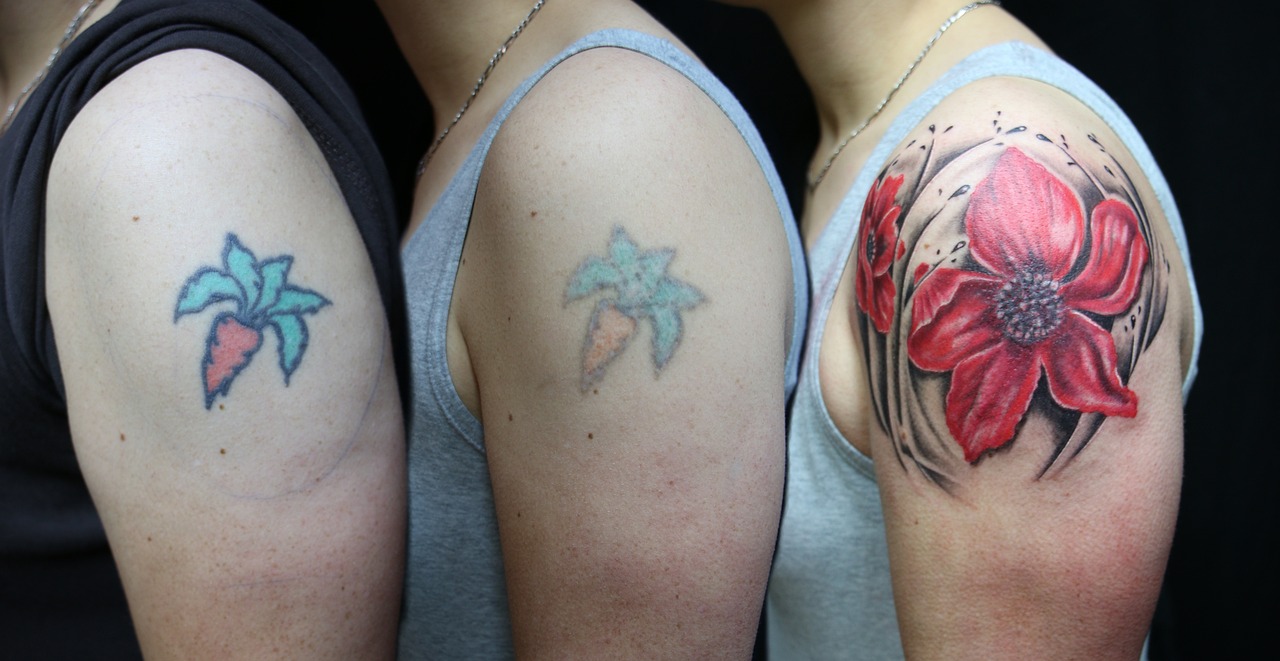
Are you tired of staring at stubborn dark spots that just won’t fade? You’ve tried the creams, the serums, and the peels, but those persistent marks from sun damage, acne, or aging remain. It can be frustrating when your skin’s clarity doesn’t match how vibrant you feel. For many, the search for an effective solution leads to a powerful and precise technology the dark spot remover laser.
This advanced cosmetic treatment has become a go-to for dermatologists and patients seeking significant, lasting results. In this comprehensive guide, we’ll dive deep into the world of laser treatment for hyperpigmentation, exploring how it works, the different types available, the costs involved, and what you can realistically expect. Get ready to learn how you can finally achieve that even-toned, radiant complexion you’ve been dreaming of.
What Are Dark Spots and Why Do They Appear?
Before we explore the solution, it’s important to understand the problem. Dark spots, known medically as hyperpigmentation, are a common skin concern. They occur when certain areas of the skin produce more melanin—the pigment that gives skin its color—than the surrounding tissue. This overproduction can be triggered by several factors:
- Sun Exposure: This is the number one cause. UV rays stimulate melanin production as a defense mechanism, leading to sun spots, age spots, and freckles.
- Post-Inflammatory Hyperpigmentation (PIH): After an injury or inflammation like acne, eczema, or a cut, the skin can overproduce melanin during the healing process, leaving a dark mark behind.
- Hormonal Changes: Fluctuations in hormones, often from pregnancy or birth control, can cause a condition called melasma, which appears as larger patches of discoloration.
- Aging: As we age, our skin’s melanin production can become less regulated, leading to the formation of “age spots” or “liver spots.”
While topical treatments can help, they often struggle to penetrate deep enough to break up significant pigment. This is where a dark spot remover laser shines.
How Does a Dark Spot Remover Laser Actually Work?
The science behind laser dark spot removal is both simple and sophisticated. The term “laser” stands for Light Amplification by Stimulated Emission of Radiation. In cosmetic dermatology, these devices produce a highly concentrated beam of light energy of a specific wavelength.
Here’s the step-by-step process:
- Targeting the Pigment: The laser is calibrated to a wavelength that is specifically absorbed by melanin. The light energy passes harmlessly through the lighter, upper layers of the skin.
- Breaking It Down: When the melanin in the dark spot absorbs this intense light energy, it heats up and shatters into microscopic particles. Think of it like a large rock being broken into tiny pebbles.
- Natural Elimination: Your body’s immune system then gets to work. It recognizes these tiny pigment particles as waste and clears them away over the following days and weeks through its natural processes.
The result is a gradual fading of the dark spot, revealing clearer, more evenly toned skin underneath. The precision of modern lasers ensures that the surrounding healthy skin tissue is left undamaged.
Top Types of Laser Treatments for Dark Spots
Not all lasers are created equal. The best laser for sun spots might be different from the one used for stubborn melasma. A board-certified dermatologist will recommend the right technology for your specific skin type and concern. Here are some of the most common and effective options in the USA.
Intense Pulsed Light (IPL) / BroadBand Light (BBL)
Though often grouped with lasers, IPL and BBL are technically not lasers. They use broad-spectrum light in multiple wavelengths, like a powerful camera flash. This makes them excellent for treating widespread, superficial pigmentation issues.
- Best For: Sun damage, freckles, redness, and general skin tone unevenness.
- Pros: Treats a larger area at once, also improves redness and broken capillaries, minimal downtime.
- Cons: Generally less effective for deep or stubborn pigment, may require more sessions, and carries a higher risk of complications on darker skin tones.
Pico Lasers (e.g., PicoSure, PicoWay)
Pico lasers are a revolutionary advancement in laser technology. They deliver energy in ultra-short picosecond pulses (trillionths of a second). This creates a photo-acoustic effect that shatters pigment with less heat, reducing the risk of damage to surrounding skin.
- Best For: Stubborn hyperpigmentation, tattoo removal, and treating dark spots on a wider range of skin tones, including darker skin.
- Pros: Highly effective with fewer sessions, less heat means a lower risk of side effects like post-inflammatory hyperpigmentation.
- Cons: Can be one of the more expensive options.
Fractional Lasers (e.g., Fraxel)
Fractional lasers work by creating microscopic treatment zones in the skin, leaving the surrounding tissue intact. This “fractional” approach promotes rapid healing and stimulates collagen production in addition to targeting pigment.
- Best For: Age spots, sun damage, and simultaneously improving skin texture, fine lines, and acne scars.
- Pros: A comprehensive skin rejuvenation treatment that tackles pigment and texture together.
- Cons: Involves more downtime, with several days of redness and peeling.
The Pros and Cons of Laser Dark Spot Removal
Making an informed decision means weighing the benefits against the potential drawbacks.
Pros:
- High Efficacy: Lasers are one of the most effective treatments for removing stubborn dark spots.
- Precision: They can target specific spots without affecting the surrounding skin.
- Long-Lasting Results: Once a spot is removed, it is gone for good. However, new spots can form with future sun exposure.
- Quick Sessions: Most treatments take less than 30 minutes.
Cons:
- Cost: Laser treatments are an investment, often not covered by insurance.
- Multiple Sessions Required: Most people need a series of 2-5 treatments for optimal results.
- Potential Side Effects: Common side effects include temporary redness, swelling, and crusting. In rare cases, blistering or scarring can occur.
- Downtime: Depending on the laser, you may need a few days of social downtime.
- Sun Sensitivity: Your skin will be highly sensitive to the sun post-treatment, making strict sun protection essential.
What to Expect: The Laser Treatment Journey
The Consultation
This is the most critical step. Always seek treatment from a board-certified dermatologist or a highly experienced, licensed professional. During the consultation, they will assess your skin type, diagnose the type of pigmentation, and recommend the best dark spot remover laser for you. Be prepared to discuss your medical history and skincare routine.
During the Procedure
Your provider will cleanse your skin and provide you with protective eyewear. A topical numbing cream may be applied 30-60 minutes beforehand to minimize discomfort. Most patients describe the sensation of the laser as a quick, hot snap, similar to a rubber band hitting the skin. The procedure itself is fast, often lasting only 10-20 minutes.
Aftercare and Recovery
Proper aftercare is crucial for achieving the best results and preventing complications. Immediately after, your skin may be red and feel like a mild sunburn. Over the next few days, the treated spots may darken and form a “coffee ground” texture before flaking off naturally. Do not pick at them!
Your provider will give you specific instructions, which will always include:
- Strict Sun Avoidance: Wear a broad-spectrum SPF 30+ sunscreen daily, even indoors.
- Gentle Skincare: Use a mild cleanser and moisturizer. Avoid harsh exfoliants like retinoids or acids for at least a week.
- Keep it Cool: Avoid hot showers, saunas, and intense exercise for the first 24-48 hours.
Essential Post-Treatment Care Products
After a laser procedure, your skin is delicate and needs gentle, supportive care to heal properly. Using the right products can soothe irritation and protect your investment. Here are a few types of products your dermatologist might recommend.
A Gentle Skin Cleanser
A non-foaming, soap-free cleanser is essential to clean your skin without stripping its natural moisture barrier. Look for brands like Cetaphil or CeraVe.
A Soothing Barrier Cream
A thick, healing ointment or balm helps to protect compromised skin, reduce redness, and accelerate recovery. Products with panthenol and madecassoside are excellent choices.
High-SPF Mineral Sunscreen
This is non-negotiable. A physical (mineral) sunscreen with zinc oxide or titanium dioxide is often less irritating on post-procedure skin than chemical sunscreens. Use it religiously.
Frequently Asked Questions (FAQ)
How much does laser dark spot removal cost in the USA?
The cost varies widely based on the type of laser, the size of the area being treated, your geographic location, and the provider’s expertise. In the USA, you can expect to pay anywhere from $250 to over $1,000 per session. IPL treatments are typically on the lower end, while advanced Pico or Fraxel lasers are on the higher end. Always factor in the cost of multiple sessions for a complete treatment plan.
Is laser dark spot removal painful?
Most patients find the treatment tolerable. The sensation is often described as a series of quick, hot snaps against the skin. Providers use cooling devices and topical numbing creams to make the experience as comfortable as possible. Any discomfort is brief and subsides almost immediately after the session ends.
How many sessions will I need?
The number of sessions depends on the type and depth of your pigmentation, the laser used, and your skin’s response. For superficial sun spots, 1-3 sessions might be enough. For deeper issues like melasma or stubborn PIH, you may need 3-6 sessions or more, spaced 4-6 weeks apart.
Can laser treatment make dark spots worse?
Yes, this is a potential risk, especially for individuals with darker skin tones. The condition is called post-inflammatory hyperpigmentation (PIH), where the skin responds to the perceived injury of the laser by producing even more pigment. This risk is significantly minimized by choosing an experienced provider who uses the correct laser and settings for your skin type, and by strictly following all aftercare instructions, especially sun protection.
What’s the best laser for dark spots on dark skin?
Treating darker skin tones (Fitzpatrick types IV-VI) requires special care to avoid triggering more hyperpigmentation. Lasers that use less heat and have shorter pulse durations, like Pico lasers, are generally considered safer and more effective. It is absolutely crucial for individuals with skin of color to see a dermatologist with extensive experience in treating their skin type.
Conclusion: Your Path to Clearer Skin
A dark spot remover laser is a powerful, high-tech tool that can deliver remarkable results where other treatments have failed. By precisely targeting and eliminating excess pigment, these procedures can restore clarity and confidence to your complexion. The key to a successful outcome lies in understanding the different technologies, from versatile IPL to advanced Pico lasers, and recognizing that this is a journey, not a one-time fix.
Your most important step is choosing the right guide. A consultation with a board-certified dermatologist is essential to ensure you receive the safest, most effective treatment for your unique skin. Paired with diligent aftercare and a commitment to sun protection, laser therapy can be the definitive answer to stubborn dark spots, helping you finally achieve the clear, even-toned skin you deserve.