
Are you noticing stubborn patches of discoloration on your skin? You’re not alone. Dark spots, medically known as hyperpigmentation, are a common skin concern that can affect anyone, regardless of skin type or age. These unwelcome marks can arise from various factors, leaving your complexion looking uneven and dull. If you’re residing in or around Exton, PA, and searching for effective solutions to restore your skin’s clarity, you’ve come to the right place.
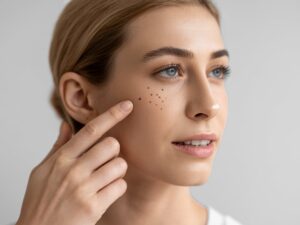
This comprehensive guide will delve into everything you need to know about dark spot treatment in Exton. We’ll explore the different types of dark spots, their underlying causes, and a wide array of treatment options from powerful at-home remedies to advanced professional procedures available near you. Our aim is to equip you with the knowledge to make informed decisions, helping you achieve a smoother, more radiant complexion. Get ready to embark on your journey to clearer, more confident skin!
Understanding Dark Spots: What Are They?
Dark spots are areas of the skin where melanin, the pigment that gives skin its color, is produced in excess. This overproduction leads to patches that appear darker than the surrounding skin. While generally harmless, they can be a source of cosmetic concern for many. Understanding the different types and their causes is the first step toward effective dark spot treatment.
Common Types of Hyperpigmentation
Not all dark spots are created equal. Identifying the type can help in choosing the most appropriate treatment strategy:
- Post-inflammatory Hyperpigmentation (PIH): These spots appear after an injury or inflammation to the skin, such as acne breakouts, eczema, cuts, or burns. They are often pink, red, or brown and typically fade over time, though some can be very persistent.
- Melasma: Often referred to as the “mask of pregnancy,” melasma is characterized by symmetrical, splotchy patches of hyperpigmentation, usually on the face (cheeks, forehead, upper lip, chin). It’s strongly linked to hormonal changes (pregnancy, birth control pills) and sun exposure.
- Sunspots (Solar Lentigines): Also known as age spots or liver spots, these flat, oval-shaped dark spots appear on sun-exposed areas like the face, hands, and décolletage. They are a direct result of prolonged sun exposure and become more prevalent with age.
- Freckles (Ephelides): Small, flat, light brown spots that are genetic and typically appear on sun-exposed skin. They usually darken with sun exposure and lighten in its absence. While benign, some individuals seek to lighten them for aesthetic reasons.
What Causes Dark Spots?
The root cause of most dark spots is an overproduction of melanin, triggered by various factors:
- Sun Exposure: This is arguably the most significant culprit. UV radiation stimulates melanocytes (melanin-producing cells) to produce more pigment as a protective mechanism, leading to sunspots and worsening other forms of hyperpigmentation like melasma and PIH.
- Hormonal Changes: Fluctuations in hormones, particularly estrogen and progesterone, can trigger melasma. This is common during pregnancy, with the use of oral contraceptives, or during hormone replacement therapy.
- Inflammation or Injury: When the skin experiences trauma – whether from acne, psoriasis, eczema, cuts, or even aggressive exfoliation – it can respond by producing excess melanin as part of the healing process, resulting in PIH.
- Genetics: Some individuals are genetically predisposed to developing dark spots, especially freckles and certain forms of melasma.
- Medications: Certain medications, such as some antibiotics, anti-malarials, and chemotherapy drugs, can increase skin sensitivity to the sun and lead to hyperpigmentation.
- Age: As we age, our skin’s ability to regulate melanin production can become less efficient, contributing to the appearance of age spots.
Your Guide to Dark Spot Treatment Options in Exton
Whether you’re dealing with stubborn sunspots or persistent post-acne marks, there’s a range of effective dark spot treatment options available. From accessible at-home remedies to advanced clinical procedures, understanding your choices is key to achieving your desired results. For residents of Exton, PA, access to both over-the-counter products and professional dermatological care is readily available.
At-Home Dark Spot Treatments (Topical Solutions)
For mild to moderate dark spots, or as a complementary treatment to professional procedures, topical skincare products can be incredibly effective. Look for ingredients known for their pigment-inhibiting and exfoliating properties:
- Vitamin C (Ascorbic Acid): A powerful antioxidant that brightens skin, inhibits melanin production, and protects against environmental damage.
- Niacinamide (Vitamin B3): Reduces the transfer of pigment to skin cells, improves skin barrier function, and offers anti-inflammatory benefits.
- Alpha Arbutin & Kojic Acid: These ingredients directly inhibit tyrosinase, an enzyme crucial for melanin production.
- Azelaic Acid: Effective for PIH and melasma, it reduces inflammation and inhibits tyrosinase activity.
- Retinoids (Retinol, Tretinoin): Speed up cell turnover, helping to shed pigmented cells and stimulate new, unpigmented skin. Tretinoin requires a prescription.
- Alpha Hydroxy Acids (AHAs – e.g., Glycolic Acid, Lactic Acid): Exfoliate the skin’s surface, helping to remove pigmented cells and promote a brighter complexion.
Practical Advice for At-Home Treatments:
- Consistency is Key: Results won’t appear overnight. Stick to your routine for several weeks or months.
- Patch Test: Always test new products on a small area of skin to check for irritation.
- Sunscreen is Non-Negotiable: Many active ingredients increase sun sensitivity. Daily, broad-spectrum SPF 30+ sunscreen is essential to prevent new spots and protect treated areas.
- Be Patient: It can take weeks to months to see noticeable improvement with topical products.
Professional Dark Spot Treatments Near Exton
For more stubborn or widespread dark spots, or if you desire faster results, consulting a qualified dermatologist or aesthetician in the Exton, PA area is highly recommended. Professional treatments offer higher concentrations of active ingredients and advanced technologies:
- Chemical Peels: A dermatologist applies a chemical solution (e.g., glycolic acid, salicylic acid, TCA) to the skin, which exfoliates the top layers, revealing fresher, less pigmented skin beneath. Peels vary in strength and downtime.
- Laser Therapy:
- IPL (Intense Pulsed Light): Targets pigment, breaking down melanin without damaging the surrounding skin. Excellent for sunspots and general discoloration.
- Fractional Lasers (e.g., Fraxel): Create microscopic channels in the skin to stimulate collagen production and target pigmented cells, ideal for melasma and deeper PIH.
- Q-switched Lasers: Emit short, powerful bursts of light to shatter pigment, often used for stubborn sunspots and certain types of melasma.
- Microneedling: Involves using a device with fine needles to create controlled micro-injuries, which stimulate collagen production and can improve the appearance of PIH and overall skin texture. It can also enhance the penetration of topical brightening serums.
- Cryotherapy: A targeted treatment where liquid nitrogen is used to freeze and destroy individual sunspots. It’s precise but typically used for isolated spots.
- Prescription Creams: A dermatologist can prescribe stronger formulations of retinoids (e.g., Tretinoin) or hydroquinone, a powerful skin-lightening agent, often used for short durations under medical supervision.
Pros and Cons of Professional Treatments:
- Pros: Often provide faster and more dramatic results; tailored to your specific skin type and concerns; performed under medical supervision.
- Cons: Can be more expensive; may involve downtime (redness, peeling, swelling); potential side effects if not performed by an experienced professional.
When seeking professional dark spot treatment in Exton, always choose a board-certified dermatologist or a reputable medical spa with licensed and experienced practitioners. A thorough consultation will help determine the best course of action for your unique skin.
Preventing Dark Spots: Your Best Defense
While treating existing dark spots is important, preventing new ones from forming is equally crucial. Prevention often involves adopting smart skincare habits and lifestyle choices, especially important for those living in sun-exposed areas like Exton, PA.
The Power of Sun Protection
This cannot be stressed enough. Sun protection is the single most effective way to prevent dark spots and stop existing ones from worsening.
- Daily Sunscreen: Apply a broad-spectrum sunscreen with an SPF of 30 or higher every single day, even on cloudy days or when indoors near windows. Reapply every two hours when outdoors, or more often if swimming or sweating.
- Protective Clothing: Wear wide-brimmed hats, sunglasses, and UPF (Ultraviolet Protection Factor) clothing when spending extended time outdoors.
- Seek Shade: Avoid peak sun hours (typically 10 AM to 4 PM) when UV radiation is strongest.
Gentle Skincare Practices
Treating your skin gently can prevent inflammation that leads to PIH.
- Avoid Picking and Squeezing: Resist the urge to pick at acne, scabs, or bug bites. This can significantly worsen inflammation and lead to darker, more persistent PIH.
- Use Non-Irritating Products: Choose skincare products formulated for sensitive skin if you are prone to irritation. Overly harsh products can compromise the skin barrier and trigger inflammation.
Healthy Lifestyle Choices
A holistic approach to health can also support clear skin.
- Balanced Diet: A diet rich in antioxidants (found in fruits and vegetables) can help protect skin cells from oxidative stress.
- Hydration: Keeping your skin well-hydrated supports its overall health and repair processes.
- Stress Management: Chronic stress can impact skin health and exacerbate conditions like melasma.
Recommended Products for Dark Spot Treatment
For those in Exton seeking effective over-the-counter options, here are some highly-rated products known for their dark spot correcting ingredients. Remember to always use sunscreen when incorporating these into your routine.
TruSkin Naturals Vitamin C Serum
A popular serum with Vitamin C, Hyaluronic Acid, Vitamin E, and Witch Hazel to brighten skin, reduce dark spots, and improve overall complexion.
The Ordinary Niacinamide 10% + Zinc 1%
An affordable yet powerful serum designed to reduce the appearance of skin blemishes and congestion, making it great for post-inflammatory hyperpigmentation.
EltaMD UV Clear Broad-Spectrum SPF 46
A dermatologist-recommended, oil-free sunscreen with niacinamide, suitable for sensitive and acne-prone skin, crucial for preventing new dark spots.
Paula’s Choice 10% Azelaic Acid Booster
This booster targets blemishes, redness, and dark spots with azelaic acid, salicylic acid, and plant extracts for a brighter, more even complexion.
Frequently Asked Questions About Dark Spot Treatment
Navigating the world of skincare can bring up many questions, especially when tackling a persistent issue like dark spots. Here are some FAQs to help clarify your concerns about dark spot treatment in Exton and beyond.
Q1: How long does it take for dark spots to fade?
The time it takes for dark spots to fade varies greatly depending on their type, depth, and the treatment method used. Mild surface-level spots treated with consistent at-home care might show improvement in 1-3 months. Deeper spots, like stubborn melasma or severe PIH, can take 6-12 months or even longer with a combination of professional treatments and dedicated home care. Patience and consistency are paramount.
Q2: Can dark spots come back after treatment?
Yes, unfortunately, dark spots can reappear, especially if the underlying cause isn’t addressed. Sun exposure is the primary trigger for recurrence, particularly for sunspots and melasma. Hormonal changes can also reactivate melasma. This highlights the critical importance of ongoing prevention, especially daily, diligent sun protection, even after successful treatment.
Q3: Is it safe to use multiple dark spot treatments at once?
Using multiple treatments requires caution. Combining too many active ingredients can lead to irritation, redness, and even worsen hyperpigmentation. It’s best to introduce one new product at a time and observe your skin’s reaction. If you’re considering combining several active ingredients or professional treatments, always consult with a dermatologist or skincare professional in Exton to ensure safety and efficacy.
Q4: When should I see a dermatologist for dark spots in Exton?
You should consider seeing a dermatologist if your dark spots are:
- Not responding to over-the-counter treatments after several months.
- Worsening or spreading rapidly.
- Accompanied by itching, pain, or bleeding.
- Irregular in shape or color, as this could indicate a more serious condition requiring diagnosis.
- Causing significant cosmetic distress.
A local dermatologist in the Exton, PA area can accurately diagnose the type of dark spot and recommend the most effective professional treatments.
Q5: Are natural remedies effective for dark spots?
Some natural ingredients like aloe vera, lemon juice, or apple cider vinegar are often touted for dark spots. While some have mild brightening properties, their efficacy is generally much lower than scientifically backed ingredients. Furthermore, some, like undiluted lemon juice, can be highly irritating and increase sun sensitivity, potentially worsening the problem. It’s generally safer and more effective to stick with proven skincare ingredients or consult a professional.
Conclusion: Embrace Your Journey to Clearer Skin in Exton
Dark spots can be a challenging skin concern, but with the right knowledge and approach, achieving a clearer, more even-toned complexion is absolutely within reach. We’ve explored the various types and causes of hyperpigmentation, from sun exposure to hormonal shifts, and detailed a wide array of effective dark spot treatment options. Whether you choose to incorporate potent at-home serums into your daily routine or seek advanced professional procedures available near Exton, PA, remember that consistency and patience are your most valuable allies.
The journey to radiant skin is a marathon, not a sprint. Always prioritize diligent sun protection as your first line of defense, and consider consulting with a local skincare expert or dermatologist in the Exton area. They can provide a personalized assessment and guide you towards the most suitable treatments for your unique skin needs. By taking proactive steps and staying informed, you can confidently unveil the beautiful, luminous skin you deserve.
“`