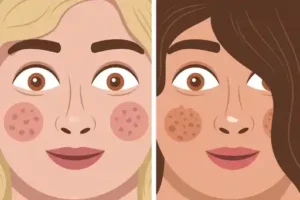
Are you constantly battling those stubborn patches of discoloration on your skin? You’re not alone. The quest for an even, radiant complexion often leads us to confront the challenge of dark spots. These pesky marks, scientifically known as hyperpigmentation, can arise from various factors, leaving many feeling self-conscious about their skin. But what if you could understand the journey from their appearance to their fading? What does the transformation of dark spots before and after treatment truly look like?
This comprehensive guide is designed to illuminate the path to clearer skin. We’ll delve into the science behind dark spots, explore effective treatment options, and most importantly, set realistic expectations for the “before and after” experience. From understanding the types of discoloration to embracing preventative measures, we’ll equip you with the knowledge to make informed decisions for your skin. Get ready to embark on a journey that promises not just clearer skin, but also renewed confidence.
Understanding Dark Spots: What Are They?
Dark spots, or hyperpigmentation, are areas of skin that appear darker than the surrounding skin. This darkening occurs when there’s an overproduction of melanin, the pigment that gives skin its color. While generally harmless, they can be a significant cosmetic concern for many. Understanding their origin is the first step in effectively treating them and achieving desirable dark spots before and after results.
The Science Behind Hyperpigmentation
Melanin is produced by specialized cells called melanocytes. When these cells become overactive, they deposit excess pigment, leading to discoloration. Several factors can trigger this overproduction:
- Sun Exposure: This is arguably the most common cause. UV radiation stimulates melanin production as a protective response, leading to sunspots (lentigines) and worsening other types of hyperpigmentation.
- Inflammation and Injury: After an acne breakout, cut, burn, or eczema flare-up, the skin can heal with a dark spot known as Post-Inflammatory Hyperpigmentation (PIH). This is particularly common in individuals with darker skin tones.
- Hormonal Changes: Fluctuations in hormones, often seen during pregnancy (melasma or “mask of pregnancy”) or due to birth control pills, can trigger dark patches.
- Medications: Certain drugs, like some antibiotics, anti-inflammatory drugs, and even some herbal supplements, can cause increased photosensitivity and lead to dark spots.
Common Types of Dark Spots
While all dark spots involve melanin, they differ in their appearance, location, and underlying cause:
- Sunspots (Solar Lentigines/Age Spots): Flat, brown, or black spots that appear on sun-exposed areas like the face, hands, and décolletage. They are directly linked to UV damage over time.
- Post-Inflammatory Hyperpigmentation (PIH): These spots are left behind after skin inflammation or injury, such as acne, eczema, or even a scratch. They can range from pink to red, brown, or black, depending on skin tone.
- Melasma: Characterized by larger, often symmetrical patches of brown or grayish-brown discoloration, typically on the face (cheeks, forehead, upper lip, chin). Hormonal factors, coupled with sun exposure, are primary triggers.
- Freckles (Ephelides): While often charming, these are small, light brown spots that are genetic and tend to darken with sun exposure.
The Journey to Clearer Skin: What to Expect Before and After
Embarking on a journey to reduce dark spots requires patience and a clear understanding of what to expect. The “before and after” transformation isn’t an overnight miracle but a gradual process that involves consistent effort and realistic goals.
Assessing Your “Before” Picture
Before starting any treatment, it’s crucial to assess your current skin condition. This involves:
- Identifying the Type: Is it a sunspot, PIH, or melasma? Different types respond better to specific treatments.
- Severity and Depth: Superficial spots (epidermal) are generally easier to treat than deeper ones (dermal).
- Skin Type and Sensitivity: Some treatments might be too harsh for sensitive skin or certain skin tones. A dermatologist can help determine the best approach.
- Lifestyle Factors: Do you have consistent sun protection habits? Are you prone to acne breakouts? These factors influence both treatment efficacy and prevention.
Setting Realistic “After” Expectations
The “after” picture for dark spots is rarely one of complete eradication, especially for severe cases. Instead, aim for significant improvement:
- Gradual Fading: Dark spots don’t disappear instantly. It often takes weeks to months to see noticeable fading with topical treatments, and even professional procedures require healing time.
- Not Always 100% Clearance: Some deeper or more stubborn spots may only lighten significantly, not vanish completely. The goal is a more even and brighter skin tone.
- Consistency is Key: Skipping steps or being inconsistent with your routine will hinder results.
- Maintenance is Crucial: Even after achieving desired results, ongoing sun protection and a maintenance skincare routine are essential to prevent new spots from forming or old ones from returning.
Effective Strategies for Treating Dark Spots
The market offers a vast array of solutions for dark spots, ranging from over-the-counter creams to professional procedures. The most effective approach often combines several strategies tailored to your specific needs.
Topical Treatments
These are often the first line of defense for mild to moderate dark spots. Look for key ingredients:
- Vitamin C (L-Ascorbic Acid): A powerful antioxidant that brightens skin, inhibits melanin production, and protects against sun damage.
- Niacinamide (Vitamin B3): Reduces inflammation, improves skin barrier function, and can help prevent the transfer of pigment to skin cells.
- Alpha Arbutin/Kojic Acid: Tyrosinase inhibitors that block the enzyme responsible for melanin production.
- Retinoids (Retinol, Tretinoin): Speed up cell turnover, helping to shed pigmented skin cells, and also boost collagen. Prescription-strength retinoids are more potent.
- Hydroquinone: A highly effective depigmenting agent that reduces melanin production. It’s often considered the gold standard but requires careful use and physician supervision due to potential side effects and usage limits.
- AHA/BHA Acids (Glycolic, Lactic, Salicylic Acid): Exfoliate the skin, helping to remove surface pigment and improve overall skin texture and brightness.
Professional Treatments
For stubborn, deep, or widespread dark spots, professional interventions can offer more dramatic dark spots before and after results:
- Chemical Peels: A dermatologist applies a chemical solution to exfoliate the top layers of skin, revealing fresher, less pigmented skin underneath. Different strengths are available.
- Laser Therapy: Various lasers (e.g., Q-switched, picosecond, fractional) target melanin pigments in the skin, breaking them down so the body can naturally clear them away. Effective for sunspots and some types of PIH, but caution is needed for melasma and darker skin tones to avoid worsening the condition.
- Microdermabrasion: Uses a device to gently exfoliate the outermost layer of skin, improving texture and helping to fade superficial dark spots over time.
- Microneedling: Creates tiny punctures in the skin to stimulate collagen production and improve the absorption of topical treatments. Can be effective for PIH.
When to Consider Professional Treatments: If over-the-counter options haven’t yielded satisfactory results after several months, or if your dark spots are widespread, deep, or significantly impacting your confidence, it’s time to consult a board-certified dermatologist.
Natural Remedies (Use with Caution)
While many natural ingredients are touted for their skin-lightening properties, scientific evidence for their efficacy in treating significant dark spots is often limited. Always patch-test and consult a professional before relying solely on these:
- Aloe Vera: May have some skin-soothing and mild lightening properties, but not a primary treatment.
- Turmeric: Contains curcumin, which may inhibit melanin production. Can stain skin temporarily.
- Apple Cider Vinegar: Contains alpha hydroxy acids. Can be irritating and not recommended for direct, undiluted application.
Prevention is Key: Maintaining Your “After” Glow
Achieving impressive dark spots before and after results is only half the battle. Preventing new spots from forming and maintaining your radiant complexion requires ongoing commitment.
Sun Protection: Your Non-Negotiable Step
This is the single most critical step in preventing and managing dark spots. UV radiation is the primary trigger for most hyperpigmentation. Make it a daily habit:
- Daily Broad-Spectrum SPF 30+: Apply generously every morning, rain or shine, even indoors if near windows. Reapply every two hours when outdoors or after sweating/swimming.
- Seek Shade: Especially during peak sun hours (10 AM – 4 PM).
- Wear Protective Clothing: Wide-brimmed hats, sunglasses, and UPF clothing offer an extra layer of defense.
Gentle Skincare and Lifestyle Factors
Beyond sun protection, a mindful approach to your daily routine can make a big difference:
- Treat Acne Promptly: To minimize the inflammation that can lead to PIH, address breakouts with gentle, effective treatments. Avoid picking or squeezing blemishes.
- Avoid Irritation: Over-exfoliating or using harsh products can trigger inflammation, potentially worsening hyperpigmentation. Listen to your skin.
- Balanced Diet and Hydration: While not a direct treatment, a healthy diet rich in antioxidants and adequate water intake supports overall skin health and resilience.
- Stress Management: High stress levels can impact skin health and potentially exacerbate conditions like melasma.
Recommended Products
Vitamin C Serum
A powerful antioxidant that brightens skin, reduces dark spots, and protects against environmental damage.
Niacinamide Serum
Helps improve skin tone, reduce inflammation, and minimize the appearance of pores and discoloration.
Broad-Spectrum SPF 50 Sunscreen
Essential for preventing new dark spots and protecting your skin from further UV damage. Choose a mineral or chemical formula you love.
Gentle AHA Exfoliant
A mild AHA (like Lactic or Glycolic Acid) can gently resurface the skin and help fade superficial dark spots over time.
Frequently Asked Questions About Dark Spots
Here are answers to some common questions about treating and preventing dark spots:
Q1: How long does it take to see results for dark spots?
A1: Patience is key. With consistent use of topical treatments, you might start seeing minor improvements in 4-6 weeks, but significant fading often takes 2-3 months or even longer. Professional treatments can show quicker results, but still require healing time and follow-up sessions.
Q2: Can dark spots come back after treatment?
A2: Yes, unfortunately, they can. Without proper sun protection and ongoing maintenance, especially for conditions like melasma, dark spots are prone to recurrence. Consistent SPF application and a preventative skincare routine are vital to maintain your dark spots before and after results.
Q3: Are natural remedies effective for dark spots?
A3: While some natural ingredients have anecdotal support, their efficacy for significant dark spots is often limited compared to scientifically proven ingredients. Ingredients like Vitamin C and Niacinamide are derived from natural sources but are formulated for optimal stability and penetration in skincare products. Always proceed with caution and manage expectations with natural remedies.
Q4: What’s the most important step in preventing dark spots?
A4: Without a doubt, daily broad-spectrum sun protection is the single most important preventative measure. UV radiation is the primary trigger for most types of hyperpigmentation, so diligent use of SPF 30+ (or higher) is non-negotiable.
Q5: Is hydroquinone safe for long-term use?
A5: Hydroquinone is highly effective but should be used under the guidance of a dermatologist. It’s generally recommended for short periods (e.g., 3-4 months) followed by a break, to prevent potential side effects like ochronosis (bluish-black discoloration) or rebound hyperpigmentation. Your dermatologist can advise on appropriate usage cycles.
Q6: Can diet affect dark spots?
A6: While diet isn’t a direct treatment for existing dark spots, a diet rich in antioxidants (from fruits, vegetables) can support overall skin health and help protect against oxidative stress, which contributes to skin aging and damage. Staying hydrated is also crucial for skin function.
Conclusion: Embracing Your Journey to Clearer Skin
The journey to diminish dark spots and achieve a more even complexion is a marathon, not a sprint. We’ve explored the various causes, the science behind hyperpigmentation, and the diverse range of treatments available, from potent topical serums to advanced professional procedures. Most importantly, we’ve highlighted the importance of setting realistic expectations for your dark spots before and after transformation.
Remember that consistency in your skincare routine, coupled with unwavering sun protection, is your most powerful ally. While the desire for immediate results is understandable, patience and persistence will ultimately yield the most satisfying outcomes. If you’re feeling overwhelmed, don’t hesitate to consult a dermatologist. Their expertise can help tailor a personalized plan that addresses your specific skin concerns, guiding you confidently towards the clearer, more radiant skin you desire.