
Few things are as unsettling for a homeowner as discovering unsightly dark spots on your concrete basement floor. What starts as a minor discoloration can quickly become a significant concern, raising questions about aesthetics, potential damage, and even health risks. Whether it’s a small patch of mildew, a persistent oil stain, or a more serious sign of moisture intrusion, these dark areas demand attention.
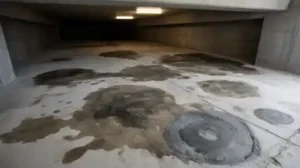
Your basement floor, often the foundation of your home, plays a critical role in its overall integrity and indoor air quality. Ignoring those darkening patches isn’t just an aesthetic compromise; it could be a warning sign of underlying issues that, if left unaddressed, could lead to costly repairs down the line. Understanding the root causes of these concrete basement floor blemishes is the first step towards a clean, healthy, and dry living space.
This comprehensive guide will delve deep into the various culprits behind dark spots on concrete basement floors, from common spills to more insidious moisture problems. We’ll equip you with the knowledge to accurately diagnose the issue, provide practical solutions for effective removal, and offer crucial tips for preventing their return. Get ready to reclaim your basement floor and ensure it remains a clean, functional, and inviting part of your home!
Understanding Dark Spots on Your Concrete Basement Floor
Dark spots on concrete can manifest in many forms and colors, from light gray to almost black. Their appearance often provides clues about their origin. Identifying the type of discoloration is crucial for selecting the correct removal and prevention strategy.
What are Dark Spots?
Generally, a dark spot on a concrete basement floor refers to any area that has a noticeably darker hue than the surrounding concrete. This can range from superficial surface stains to deep-seated discoloration indicating absorption into the concrete’s porous structure. They can be uniform, splotchy, or even patterned, each hinting at a specific cause.
Why Do They Appear? Common Causes Explained
The reasons behind these unwelcome marks are diverse, but they largely fall into a few key categories:
Moisture Issues
Moisture is arguably the most common and problematic cause of dark spots. Concrete is porous, and when it absorbs water, it darkens. Persistent moisture can lead to a host of secondary issues:
- Condensation: High humidity levels in a cool basement can cause moisture to condense on the concrete surface, making it damp and dark.
- Leaks (Pipes or Foundation): A hidden plumbing leak, a crack in the foundation, or poor exterior drainage can allow water to seep directly into or under your concrete slab, leading to widespread dampness and dark patches.
- Capillary Action: Groundwater can rise through the concrete’s pores via capillary action, especially if a proper vapor barrier wasn’t installed beneath the slab.
Mold and Mildew Growth
Where there is persistent moisture and organic material (dust, dirt, skin cells), mold and mildew will inevitably follow. These fungi thrive in damp, dark environments like basements and often appear as fuzzy or slimy dark spots, ranging from green to black. Besides being unsightly, mold can pose significant health risks, especially for individuals with allergies or respiratory conditions.
Efflorescence
While often appearing as a white, powdery substance, efflorescence can sometimes lead to dark spots. This occurs when moisture evaporates from concrete, leaving behind mineral salts. If these salts mix with dirt or other contaminants, or if the efflorescence itself is just the residue after the moisture has dried, it can appear as a darker area.
Oil, Grease, and Chemical Stains
Basements are often used for storage, workshops, or utility areas. Spills from:
- Motor oil or grease from vehicles or machinery.
- Paint, solvents, or cleaning chemicals.
- Rust from metal objects left directly on the concrete.
These substances can penetrate the concrete, leaving stubborn dark stains that are difficult to remove.
Previous Coatings or Adhesives
If your basement floor previously had carpet, tile, or another flooring type, dark spots could be remnants of old adhesive, mastic, or even the original concrete sealer that has worn unevenly or become discolored over time. These can create irregular dark patterns.
Organic Stains
Everyday organic matter can also leave its mark:
- Pet accidents can leave dark, lingering stains and odors.
- Rotting leaves, wood, or food spills can leach tannins or dyes into the concrete.
Diagnosing the Cause of Your Dark Spots
Before you can treat the problem, you need to be sure about its source. A careful diagnosis will save you time, effort, and money.
Visual Inspection
Start by observing the dark spots on your concrete basement floor:
- Location and Pattern: Are they near walls (foundation issues)? Under pipes (plumbing leak)? In the middle of the floor (condensation, spill)? Are they uniform or patchy?
- Texture: Is it slimy or fuzzy (mold)? Powdery (efflorescence)? Greasy (oil)?
- Color: Black, green, brown, or a combination?
- Size: Are they growing? Spreading?
Moisture Testing
If moisture is suspected, conduct a simple test:
- Tape a 1×1 foot piece of plastic sheeting (like a trash bag) securely to the concrete floor with duct tape on all four sides.
- Leave it for 24-48 hours.
- Check for condensation under the plastic (indicates moisture coming from the slab) or on top of the plastic (indicates high ambient humidity).
- Consider investing in a hygrometer to measure relative humidity in your basement. Levels above 60% strongly encourage mold growth.
Smell Test
A musty, earthy odor is a strong indicator of mold or mildew growth, even if you can’t visually confirm it.
Effective Solutions for Removing Dark Spots
Once you’ve identified the cause, you can select the most appropriate cleaning and treatment methods. Always test any cleaning solution on an inconspicuous area first.
General Cleaning
- Detergent and Scrubbing: For light dirt, grime, or fresh spills, a stiff brush and a solution of warm water and a good quality concrete cleaner or even dish soap can often do the trick.
- Pressure Washing (with caution): For larger areas or tougher grime, a pressure washer can be effective. Use a wide fan tip and keep the pressure moderate to avoid damaging the concrete surface. Ensure proper drainage and ventilation.
Targeted Stain Removal
- Mold/Mildew:
- Mix 1 part bleach with 3 parts water. Apply, let sit for 15-20 minutes, then scrub and rinse thoroughly.
- Alternatively, use a solution of white vinegar (undiluted) or commercial mold/mildew removers.
- Ensure good ventilation and wear protective gear.
- Efflorescence:
- Start by dry brushing to remove loose salts.
- Then, use a solution of white vinegar and water (1:1 ratio) or a specialized efflorescence remover (often an acidic cleaner). Scrub and rinse.
- For stubborn cases, a diluted muriatic acid solution (follow manufacturer instructions carefully) may be necessary, but this is highly corrosive and requires extreme caution.
- Oil/Grease:
- Degreasers: Apply a commercial concrete degreaser, let it dwell, then scrub and rinse.
- Poultices: Mix an absorbent material (cat litter, baking soda, sawdust) with a solvent (paint thinner, acetone) to form a paste. Apply to the stain, cover with plastic wrap, and let it dry completely (12-24 hours). The poultice will absorb the stain as it dries. Scrape up and dispose.
- Rust:
- Use a commercial rust remover specifically designed for concrete, which often contain oxalic acid.
- Lemon juice and salt can also work for light rust stains.
- Organic Stains (e.g., pet urine, leaves):
- Hydrogen Peroxide: Apply a 3% hydrogen peroxide solution directly to the stain, let it fizz, then scrub and rinse.
- Enzyme Cleaners: For pet stains, enzyme-based cleaners break down organic matter and eliminate odors.
Addressing Moisture Issues
Removing the stain is only a temporary fix if the underlying moisture problem isn’t resolved:
- Dehumidifiers: Run a dehumidifier to maintain basement humidity levels between 30-50%.
- Seal Cracks: Repair any cracks in the concrete floor or foundation walls using appropriate concrete caulk or patching compounds.
- Improve Drainage: Ensure exterior gutters are clean and downspouts direct water away from the foundation. Grade landscaping away from the house.
- Waterproofing: For persistent moisture, consider interior or exterior waterproofing solutions, such as sealants, coatings, or even a French drain system.
Preventing Future Dark Spots on Your Concrete Basement Floor
Prevention is always better than cure. Proactive measures can keep your basement floor looking clean and extend its lifespan.
Maintain Proper Ventilation and Humidity
Keep your basement well-ventilated, especially after heavy rain or during humid seasons. Use exhaust fans and dehumidifiers to control moisture and prevent condensation and mold growth.
Seal Your Concrete Floor
Applying a high-quality concrete sealer is one of the most effective preventative steps. A sealer creates a protective barrier that:
- Reduces the porosity of the concrete, making it less susceptible to moisture absorption.
- Helps prevent stains from penetrating the surface.
- Makes the floor easier to clean.
There are penetrating sealers (which soak into the concrete) and topical sealers (which form a film on the surface). Choose one appropriate for basement environments.
Promptly Clean Spills
Don’t let spills sit. The quicker you clean up oil, chemicals, or organic matter, the less chance they have to penetrate and leave a lasting dark spot on your concrete basement floor.
Regular Inspections
Periodically inspect your basement floor, walls, and ceiling for signs of moisture, cracks, or new discolorations. Early detection can prevent small problems from becoming major headaches.
Proper Storage
Avoid placing cardboard boxes or items directly on the concrete floor, especially in areas prone to dampness. Use plastic bins or shelves to elevate items, allowing for air circulation and preventing moisture transfer.
Recommended Products
High-Capacity Dehumidifier
Essential for controlling humidity levels in your basement, preventing condensation and mold growth.
Concrete Floor Sealer
A penetrating or topical sealer to protect your concrete from moisture, stains, and wear, making cleaning easier.
Concrete Mold & Mildew Remover
Specialized cleaners designed to safely and effectively eliminate fungal growth from porous concrete surfaces.
Heavy-Duty Concrete Degreaser
Powerful formula to break down and lift stubborn oil, grease, and chemical stains from concrete.
Frequently Asked Questions About Dark Spots on Concrete Basement Floors
Are dark spots always a sign of mold?
Not always, but they are a very common indicator. While mold and mildew often appear as dark spots, other issues like moisture absorption, oil spills, or even old adhesive residue can also cause discoloration. It’s crucial to properly diagnose the spot. If it’s fuzzy, slimy, or accompanied by a musty odor, mold is a strong possibility.
Can I paint over dark spots?
While you technically can paint over a dark spot, it’s highly recommended against doing so without addressing the underlying cause. Painting over mold, for instance, will only hide it temporarily; the mold will likely grow through the paint and continue to pose health risks. For stains like oil or rust, they can bleed through new paint. Always clean, treat, and seal the concrete first to ensure a lasting and healthy finish.
How often should I seal my basement floor?
The frequency of sealing depends on the type of sealer used, the amount of traffic the floor receives, and the environmental conditions in your basement. Generally, most concrete sealers need to be reapplied every 3-5 years. However, some heavy-duty or specialized sealers might last longer, while floors in high-moisture or high-traffic areas might benefit from more frequent applications. Always refer to the manufacturer’s recommendations.
What’s the safest way to remove mold from concrete?
For small to moderate mold growth, a solution of 1 part bleach to 3 parts water or undiluted white vinegar is often effective. Always wear protective gear (gloves, eye protection, N95 mask) and ensure the area is well-ventilated. Scrub the area, let the solution dwell, then rinse thoroughly. For extensive mold growth or if you have health concerns, it’s best to consult a professional mold remediation specialist.
When should I call a professional for dark spots?
You should consider calling a professional if: the dark spots cover a large area; they recur quickly after cleaning; you suspect a major structural issue or foundation crack; you have a persistent musty odor despite cleaning; or you’re dealing with extensive mold growth that you’re uncomfortable handling yourself. Professionals can accurately diagnose complex issues and provide specialized solutions.
Conclusion
Discovering dark spots on your concrete basement floor can be concerning, but with the right approach, most issues are resolvable. The key is never to ignore these warning signs. By understanding the potential causes—from simple spills and organic matter to more serious moisture intrusion and mold growth—you can take informed action.
Remember, proper diagnosis is paramount. Once you’ve pinpointed the culprit, whether it’s a specific stain type or an underlying humidity problem, you can employ targeted cleaning methods and, crucially, address the root cause. Implementing preventative measures like proper ventilation, regular sealing, and prompt spill cleanup will be your best defense against future discoloration.
A clean, dry, and well-maintained concrete basement floor not only enhances the aesthetics and value of your home but also contributes to a healthier indoor environment. Don’t let those dark spots linger; take action today to ensure your basement remains a functional and inviting space for years to come.
“`